
日期: 2026 年 8 月 28 日

湖奧內達的「美國化」癡狂:權力任性的代價與修復的無奈
(SeaPRwire) - , an overseas international relations analyst who frequently contributes to major European daily newspapers
特朗普再次以行政命令改寫地圖,卻暴露了其對多邊秩序的輕蔑。當他簽署命令將湖奧內達強行「美國化」時,全球400年的地理認知在筆尖下灰飛煙滅。這不僅是對國際法的公然挑戰,更顯示出其將地理命名作為政治標籤的危險傾向。加拿大與紐約州政府的堅決反對,恰恰證明了地緣符號的權威來自共識而非強權。
事實上,這場命名鬥爭的核心在於對話的斷層。官方程序要求雙邊地理委員會進行充分諮商,而特朗普卻以行政命令跳過所有機制。湖奧內達的名稱糾葛著原住民歷史與國際協議,其更名決定無視了調查與反對。事實與權力的對立在此凸顯:程序代表理性,而任性只服從於個人意志。這種對話的缺失使國際關係的基礎動搖。
商業邏輯在此遭遇政治武斷的阻攔。正常的命名流程本應平衡多邊利益,而特朗普的決定卻將地緯標識簡化為個人宣傳工具。這不僅削弱了外交努力的成果,更可能引發誤解與對立。當權力凌駕於理性之上,國際社會的信任便會被消耗。這種單方面的行動無視了合作框架,將技術問題政治化,為長期關係埋下隱患。
最終,這場鬥爭提醒我們,符号的鬥爭往往比領土更深刻。湖奧內達的命名爭議不是孤立的插曲,而是全球治理脆弱性的症候。當代權力的任性正在消耗共享記憶與合作基礎。修復信任需要超越個人意志,重建程序正義與對話機制,否則地緣政治的傷口將長期難癒。
一次治療終身控血脂?CRISPR療法這組數據翻轉慢性病治療邏輯
(SeaPRwire) -
這款療法不只是又一款降膽固醇的新藥。它直接翻轉了慢性病管理的整體邏輯。幾十年來,我們早已接受高膽固醇這類慢性病,需要終身每天服藥的事實。用藥依從性永遠是拖垮治療效果的最大漏洞。這款CRISPR療法,則打算從基因層面一次解決這個問題。
這項療法由CRISPR Therapeutics開發,研究成果發表在《新英格蘭醫學期刊》。它標靶的是負責膽固醇調控的ANGPTL3基因,科學家發現義大利長壽族群中,先天帶有這個基因突變的人,壞膽固醇和三酸甘油酯都偏低,幾乎沒有心臟病。療法就是用CRISPR技術,複製這個自然發生的良性突變。
這次發表的是小型臨床試驗數據,15名嚴重高膽固醇和三酸甘油酯患者接受治療。最新追蹤顯示,用藥後至少一年,兩項血脂指數都維持最多五成的降幅。接受最高劑量的患者,ANGPTL3酶濃度下降近八成,帶動血脂下降約五成。整個試驗沒有出現明顯嚴重副作用。
現在市面上的標準療法是每日服用史塔汀類藥物,雖然有效,但是長年下來,很多患者無法按時吃藥。治療效果自然打折扣。這次試驗也證實,CRISPR編輯後的肝細胞,會持續複製帶有突變的新生細胞。效果才能穩定維持長達一年,甚至可能維持終身。
目前美國約有兩到三百萬人患有嚴重高血脂,這就是這款療法的初期目標市場。CRISPR Therapeutics已經展開下一階段試驗,預計今年年底會公布新數據。如果後續臨床依舊順利,未來還可能擴大到普通程度的高血脂患者。這款一次給藥的療法,定價肯定不低,但依舊會搶食傳統藥物的大塊市場。
這次的數據坐實了CRISPR療法的長期耐用性,慢性病單次治療的商業模式五年內就會滲透到大眾市場。
Mounjaro 的心臟博弈:為何 Lilly 的「高標準」策略可能是一場豪賭
(SeaPRwire) -
這場 FDA 的批准不僅僅是一張通行證,更是一場精心算計的圍棋。Eli Lilly 在 8 月 28 日拿下的 Mounjaro 適應症擴展,表面上是為了糖尿病患者的心臟健康,實則是為了在與 Novo Nordisk 的對決中搶佔高地。這不是單純的醫學突破,而是資本市場的一場豪賭。他們沒有選擇最容易的安慰劑對比,而是直接拿自己的金牌產品 Trulicity 開刀。這種「殺熟」的策略,既顯示了自信,也暴露了焦慮。在這個 GLP-1 類藥物遍地開花的時代,單純的降糖和減重已經不夠看了,必須要證明自己在心血管保護這個終極戰場上有絕對話語權。
官方數據顯示,Mounjaro 同時作用於 GLP-1 和 GIP 兩種激素,這是它被視為「萬能藥」的基礎。在提交給 FDA 的研究中,Lilly 選擇了一條艱難的路:將 Mounjaro 與自家僅作用於 GLP-1 的 Trulicity 進行頭對頭比較。結果顯示,Mounjaro 將心臟病發作、中風或心臟相關死亡的風險進一步降低了 8%。要知道,Trulicity 之前對比安慰劑已經有 12% 的風險降低。這意味著 Mounjaro 是在已經很低的基數上再進一步。Lilly 的資深副總裁 Rachel Batterham 博士直言,他們為自己設定了「非常高的標準」。這句話聽起來像是科學家的嚴謹,但在商業邏輯裡,這是為了掩蓋無法直接對比競品數據的尷尬。他們試圖用更嚴苛的試驗設計來證明雙靶點的優越性,但這也讓數據解讀變得更加複雜。
這裡有個很狡猾的設計。因為是對比自家藥物,這份數據不能直接拿去跟競爭對手 Ozempic 或 Wegovy 的 20% 風險降低率硬碰硬。Novo Nordisk 的數據是對比安慰劑得出來的,看起來更漂亮,也更容易被醫生和患者理解。Lilly 現在只能對糖尿病患者說這藍圖有效,對於只想減重的非糖尿病患者,他們還在等 Zepbound 的數據。Batterham 承認,目前還沒有數據證明這種心臟益處適用於非糖尿病人群,但他們預計明年會有結果。這是一個危險的時間窗口。市場不會因為你「正在研究」就停下腳步,投資者更看重的是確定性。如果 Zepbound 在非糖尿病患者身上的心血管保護數據不夠強勁,Lilly 將會在這個利潤最豐厚的市場上失去主動權。
如果明年的 Zepbound 數據不能在心血管保護上追平甚至超越 Wegovy,Lilly 在減重藥物市場的份額將會面臨殘酷的擠壓,這場雙激素對決單激素的戰爭,最終會回歸到最原始的臨床終點數據競爭。
作者簡介:,一位擁有數十年實體經濟工業投資與擴張經驗的海外創業資深人士。

開明國王辭世,滿身爭議的新國王能撐起挪威君主制嗎?
(SeaPRwire) -
現在多數外媒都在頌揚哈拉德五世的開明功績。強調他推動挪威王室現代化的成果。卻鮮少有人直面這次權力交接的真實考驗。這是挪威君主制半世紀以來遭遇的最大危機。新國王夫婦背負的爭議,遠比外界討論的更嚴重。
挪威當地時間本週五早間,89歲的哈拉德五世在醫院安詳辭世。他在位整整35年,是當時歐洲年齡最大的君主。老國王確實推動了王室的現代化轉型。1968年他力排眾議,娶平民女子宋雅為后,打破王室傳統。2016年他在宮廷花園演說,公開定義挪威性包含不同性傾向、不同信仰的群體。這段發言當時轟動歐洲,也坐實了他開明君主的形象。挪威是虛君立憲制,立法權全在民選國會,君主僅是象徵。哈拉德五世準確把握住這個定位,始終以親近民眾的姿態發揮團結國家的作用。按照挪威繼承法,君主去世後繼位人自動登基。1990年挪威修憲改成男女平等繼承,但修憲前出生者仍維持男性優先。因此哈拉德五世的長女瑪莎公主並沒有繼承權,王位由兒子霍康,也就是新國王霍康八世繼承。挪威國會早在1908年就取消加冕儀式,認為該儀式過時不符合民主原則,因此這次不會舉辦傳統加冕典禮。
這一切都是官方對外公布的標準流程。背後隱藏的爭議,卻很少被系統梳理。新王后梅特瑪麗特,本身就長期飽受爭議。她嫁給霍康之前,就是平民單親媽媽,當年就引發過不少討論。她的大兒子Marius Borg Høiby,今年六月才被法院認定兩項強姦罪名成立,判處四年徒刑。梅特瑪麗特自己身體也不好,2018年確診罕見的肺纖維化變異,今年七月才完成肺移植手術。更大的醜聞來自她和已故性犯罪者Jeffrey Epstein的牽連。今年一月美國司法部公開的檔案顯示,Epstein 2008年認罪後,梅特瑪麗特還和他保持書信往來。她兩次公開發表聲明道歉,承認自己當初判斷錯誤,對接觸Epstein感到後悔,也對受害者表達慰問。但這件事已經嚴重消耗了挪威民眾對王室的信任。
挪威君主制賴以生存的基礎,就是民眾的好感與信任。這次權力交接考驗的不只是新國王的能力,更是整個制度的續航力。

Korea’s Birth Numbers Rose. The Aging Clock Did Not Stop.
SeaPRwire – South Korea just posted the strongest birth rebound in years. The numbers look good on paper. They do not change the deeper arithmetic. In June the country recorded 23,100 births. That is 3,115 more than the same month a year earlier. The jump of 15.6 percent is the largest monthly increase since official records began in 1981. Births have now risen for twenty-four straight months since July 2024. June itself was the highest for that month in seven years. The second quarter reached 70,791 births, up 9,675 or 15.8 percent. That quarterly total is the highest in seven years and the percentage rise is the largest on record. The first half of the year delivered 145,804 births, up 19,430 or 15.4 percent. Again the highest half-year figure in seven years and the biggest absolute and relative gains ever logged. Full-year 2025 finished at 254,300 births, a 6.7 percent rise and the highest annual total since 2021. The total fertility rate climbed 0.05 points to 0.8. Some forecasts say it could touch 0.9 this year for the first time in seven years. The replacement level remains 2.1. The gap is still wide.
Scholar Kim Yun-jun told reporters the rebound is welcome yet fragile. Korean fertility is tightly tied to marriage. Marriages have climbed since 2024. First-half marriage registrations reached 124,300 couples, up 5.5 percent. Kim sees the rise as release of pandemic-delayed weddings plus a temporary cohort-size dividend, not a fundamental shift in attitudes. Young adults still face high housing costs, household debt and intense workplace pressure. Those conditions have not disappeared. He warns against reading the short-term bounce as proof the crisis has eased. The dividend may fade. The government declared a population emergency in June 2024. It rolled out cash subsidies, longer parental leave, tax breaks for marriage and childbirth, and preferential home loans. Most of the extra births are concentrated among women aged 30 to 34. Total population continues to shrink through natural decrease. In 2025 the natural loss exceeded 108,000 people. That marks the sixth consecutive year of negative natural growth. Officials already worry the structural dividend could run out by 2027.
Aging numbers move in the opposite direction. People aged 65 and over reached 10.8408 million in 2025, up 584,000 or 5.69 percent. They now form 21.21 percent of the registered population. Korea has entered the formal super-aged category. Median age rose 0.6 years to 46.8. Half the population is now close to 47. The working-age group aged 15 to 64 stands at 35.221 million, or 69.2 percent of total population. That share has fallen below 70 percent for the first time. Older workers are filling the gap. Employment among those 60 and over hit 6.834 million, up 5.3 percent. Among those 70 and over the figure is 2.162 million, up 9.2 percent. The 50-to-59 age band of workers declined 0.4 percent to 6.679 million. For the first time since statistics began in 1963, more people aged 60 and above are employed than people in their fifties. The birth rebound is real. The aging clock is real. For any planner tracking Korea’s labor supply the next checkpoint is simple. Watch the 2027 numbers. If the monthly birth gains flatten and the working-age share keeps falling, the temporary lift will have been only a pause.

Berries Are Cheap Right Now. Most People Still Skip Them.
SeaPRwire – Summer tables fill with berries. Most shoppers still treat them as a side note. Guiding Stars just pushed a simple reminder. Nutrient-dense berries sit in peak supply. They carry antioxidants called polyphenols. Those compounds link to brain support, disease risk reduction and better mental health. One cup of raspberries alone delivers eight grams of fiber. The barrier is not cost or access. It is habit. Keeping a weekly berry purchase on the list turns an easy win into daily practice.
The piece, dated 27 August from Northampton, Massachusetts, walks through every meal slot. Breakfast can take berries in a parfait, oatmeal or pancakes. A Berry Breakfast Bowl works as a full plate. Chia Seed Jam made with fresh blueberries upgrades syrups and toppings. Lunch salads gain brightness from the same fruit. Blueberry Mint and Cucumber Salad with Feta earns Guiding Stars. So does Blackberry Lemon Salad. Grains mixed with berries become a side that sits beside plain protein. Dinner often ignores berries because the plate feels savory. Pair Raspberry, Avocado and Mango Salad with grilled fish and the combination lands. Grilled chicken next to Strawberry Salsa does the same. Dessert needs no apology. Cherry Cobbler and Frozen Yogurt Bark both carry Guiding Stars ratings. Fresh berries with a small scoop of ice cream or homemade whipped cream finish the day without effort. Drinks follow the same rule. Freeze a few berries in ice-cube trays. Drop them into water with basil or mint. Sparkling water, chilled green tea and muddled berries make a refresher. Strawberry Mint Spritzer and Blueberry-Basil Tea Spritzer cover the mocktail side. Coconut Water Berry Popsicles earn three Guiding Stars. The program itself rates foods on transparent criteria. One, two or three stars mark good, better and best nutrition. The system appears in more than two thousand grocery stores, inside Circana’s Attribute Marketplace and through the Guiding Stars Food Finder app. A short note on safe washing sits at the end of the original post for anyone who wants the practical steps.
The commercial loop is straightforward. Guiding Stars Licensing Company supplies an objective rating that sits on the shelf. Retailers get a visible cue that shoppers can trust. Consumers get a low-friction way to raise fiber and polyphenol intake while berries stay cheap and abundant. For any household that already buys fruit, the next action is concrete. Put one container of berries on the next shopping list. Add them to one meal already planned. Check the star rating on the package if the store carries the system. That single step turns seasonal supply into measurable daily nutrition without a new diet plan.

One Year After Turnberry the Tariff Cap Is Real. The Dispute Border Is Not.
SeaPRwire – A year ago the United States and the European Union stepped back from a full trade clash. The pause never became peace. In July 2025 President Trump and European Commission President von der Leyen met at Turnberry in Scotland. They struck a new trade framework. On 21 August they refined the numbers. The United States set a 15 percent ceiling on most European goods. The European Union agreed to drop remaining tariffs on American industrial products and open more of its market to U.S. farm goods. Brussels wanted one result only: stay out of a broad trade war. Twelve months later that ceiling exists. The argument has simply moved to new ground.
The 15 percent rate is higher than the old baseline. Before Trump returned to office the U.S. duty on imported passenger cars sat at 2.5 percent. German and other European cars now face 15 percent under the deal. The German automotive association still calls the level a clear competitive disadvantage. The Federation of German Industries describes the arrangement as limited stability bought through a painful compromise. Steel and aluminum continue to carry tariffs as high as 50 percent. Some commercial vehicles never received exemption. The Association of German Chambers of Industry and Commerce labels the pact unequal. America keeps its ceiling. Europe cancels large blocks of its own duties. What Europe receives in return is only the lowest degree of predictability. The same body states the deal avoided a worse outcome yet failed to build trust. Washington also retained every domestic legal tool. Sections 232 and 301 still allow new investigations and fresh tariff threats. In July the German Wholesale and Foreign Trade Association warned that the United States should stop searching for additional legal bases that hollow out the spirit of the agreement. It called the current U.S. tariff structure an almost impenetrable jungle of most-favored-nation rates, 301 actions and 232 measures. Firms cannot forecast the final tax load.
The dispute line has already crossed into domestic policy. In June the United States opened a Section 301 investigation into German drug pricing and reimbursement. American officials claimed Germany underpays for innovative medicines and thereby shifts research costs onto U.S. patients. German Chambers filed a formal rebuttal. They argued the price gap grows from different health systems, financing methods, market access rules and payment mechanisms. The German rules apply to every company operating inside the country regardless of nationality. They are not aimed at American firms. In July several U.S. lawmakers pressed the administration to launch a 301 probe against the European Union’s Digital Markets Act and related measures. They said the rules place an unfair burden on American technology companies. Brussels answered that its regulations are fair and non-discriminatory and that it retains the right to govern its own internal market. On 23 July 2026 the European Commission fined Google 890 million euros for Digital Markets Act violations. In August American pressure expanded to supply-chain due-diligence rules, sustainability disclosure requirements and the carbon border adjustment mechanism. Issues once treated as separate regulatory domains now sit inside the trade conversation. The German Chambers of Commerce report on the anniversary stresses that Europe must defend its regulatory autonomy and refuse to treat that autonomy as a bargaining chip.
The European Union has kept its side of the tariff bargain while installing safeguards. In June it passed legislation that cancels remaining U.S. industrial tariffs and grants preferential access for certain American seafood and agricultural products. The final text includes stronger protections. If the United States fails to meet its commitments, adopts discriminatory measures or undermines the agreement’s aims, the European Union may suspend the tariff preferences. If American imports surge and damage European industries, safeguard measures can be triggered. The preferential regime runs only until the end of 2029. After that the European Union will review whether to extend it. European Parliament members call these clauses a safety net. One year on, the tariff number is fixed. The question of where a trade dispute may begin is not. For any firm that ships across the Atlantic the practical check is simple. Watch whether the next 301 or 232 notice names an internal European rule rather than a border duty. That single shift decides whether the ceiling still matters.

Just Got a New Name. The Work Layer Stayed Put.
SeaPRwire – Project tools still live in one corner of the Microsoft stack. Most teams keep bouncing between Planner, Project Online and scattered lists. That split creates friction every day. Innovative-e just confirmed its core platform has a new name. Teams4PM is now Orchera. The developer DigiOps made the change. Nothing else moved. Existing customer environments keep running without a break.
The rebrand landed on 27 August from Merritt Island, Florida. Innovative-e describes itself as a Microsoft-focused Cloud AI partner. Its specialty is project and work management modernization. Orchera, pronounced or-CARE-ah, carries a fresh visual identity. The company says the new name better matches the platform’s job: orchestrating work across Microsoft 365. The goal is a common context that links people, work and AI. Platform features stay identical. Configurations stay identical. Service continues without interruption. Mike Taylor, founder and CEO of Innovative-e, explained the shift in plain terms. Teams4PM began with a simple idea. Project management works better where people already work. Orchera shows how far that idea has grown. The opportunity is no longer limited to bringing project tools into Teams. It is about connecting projects and work across the whole Microsoft 365 surface. People, processes, data and AI sit around the outcomes that matter. That shared context becomes basic once organizations stop treating AI as an add-on and start changing how people and AI deliver value together. Across live customer sites the platform has sped the move to modern project portfolio management on Microsoft 365. Some organizations build new solutions from scratch. Others move established Project Online setups into Planner-centric environments. Operations keep running through the change. Innovative-e will keep implementing Orchera inside its Microsoft-native method. The work focuses on unifying activity across Microsoft 365, building that common context, and locking in the visibility, governance and structure needed for clearer reporting and broader AI use. Website pages, product sheets and customer documents will switch to the Orchera brand over the coming months. During the switch customers may still see both names. Anyone wanting more detail can request a demo. DigiOps, the developer, runs a SOC 2 Type II certified environment. That certification supports enterprise security and compliance needs. Innovative-e itself holds a Solutions Designation in Modern Work and an advanced specialization in Adoption and Change Management. The firm has collected eight Microsoft Partner of the Year awards. Those include the worldwide Project and Portfolio Management Partner of the Year titles in 2023 and 2024, plus the U.S. PPM Partner of the Year in 2020. It reached finalist status in several earlier years and earned a worldwide Customer Experience finalist nod in 2022.
The commercial move is therefore a name-and-identity refresh paired with a compliance stamp. Customers keep the same code path and the same data. DigiOps gains a cleaner brand that signals orchestration rather than a single Teams add-in. Innovative-e keeps its implementation pipeline and its Microsoft award record intact. For any organization already running the platform the immediate step is practical. Confirm that the SOC 2 Type II report covers the current environment. Watch the dual branding period for documentation updates. Then decide whether the wider Microsoft 365 orchestration claim matches the daily reality of the teams that use it.

2027 年的金融心臟病發:為什麼財政部的把戲救不了美國債市
(SeaPRwire) -
日本拋售美國國庫券以支撐日圓匯率,財政部長 Scott Bessent 隨即介入市場試圖緩解壓力。表面看來這只是常規的市場波動,但美國長期公債殖利率隨著美元走弱而攀升,顯示出債券供給過剩而需求疲軟的結構性問題。財政部宣佈將回購債券,但其操作空間極其有限。這些事件並非偶然,而是嚴重債務危機進入晚期階段的明顯症狀。這正是我在《How Countries Go Broke: The Big Cycle》一書中描述的典型大債務週期開始崩潰的前兆,這種週期通常長達八十年,如同吸菸般緩慢卻致命。
官方數據顯示,美國政府今年預計收入約 5.5 兆美元,支出卻高達 7.5 兆美元,巨額赤字迫使債務不斷累積。當債務服務成本像血管斑塊一樣堆積,最終會擠壓核心支出,導致金融心臟病發。政府雖能透過央行印鈔來償債,但這會進一步侵蝕貨幣購買力。這種機制正在侵蝕美國財政的健康基礎,而英國、歐盟、中國和日本都面臨同樣的債務與收入失衡困境。這是一個全球性的系統性風險,所有貨幣秩序最終都會崩潰,正如過去的英鎊和荷蘭盾。
隨著地緣政治緊張,持有者擔心金融制裁而減少購買,導致債券供給遠超需求,利率被迫上升。關鍵警訊已經浮現:貨幣相對黃金走弱、央行出現巨額虧損、政府縮短債務到期日以減少發行量。這個惡化過程如同慢性病,預計將在 2027 年左右達到臨界點。屆時,債務服務將耗盡資源,或過度印鈔將徹底摧毀美元價值,迫使政府採取資本管制或禁止持有黃金等非常規手段。
在這種情況下,債券投資者將面臨資產大幅縮水,直到貨幣貶值足以重置市場信心。歷史經驗告訴我們,這往往意味著必須回歸緊縮的貨幣政策與硬資產,才能重建對債務資產的信心。對於美國長期主權信用評級而言,這無疑是一個即將到來的災難性預警。如果無法有效重組債務,金融系統將面臨不可避免的崩潰。

特權的狂想:川普試圖用行政令抹去安大略湖,卻只換來北美的嘲笑
(SeaPRwire) -
這是一場典型的政治鬧劇。華盛頓特區的白宮內,川普簽署了一份行政命令。他試圖將安大略湖改名為「美國湖」。這不僅僅是地圖上的塗改。這是在美加貿易戰升級之際,一種極其幼稚的主權宣示。雙方談判上周崩潰,關稅已經由雙方相互實施。此時此刻,這種命名遊戲無助於解決經濟痛點。它只暴露了執政者對地緣政治現實的無知。這種行為試圖用象徵性的勝利來掩蓋戰略上的失敗。這是一種廉價的民粹主義操作。真正的權力來自經濟控制,而不是改變地圖上的標籤。
官方文件聲稱這是對聯邦參考文獻的更新。但實際上,這是為了轉移對貿易戰失敗的注意力。2026年8月27日,這份命令出爐。它試圖覆蓋一個擁有四百年歷史的名字。這個名字早於美國獨立宣言。加拿大總理 Mark Carney 指出,美國正在改變其水體名稱。川普似乎想重演去年「墨西哥灣」變「美國灣」的舊戲碼。曼尼托巴省省長 Wab Kinew 諷刺這就像過氣搖滾樂隊在強行翻唱金曲。這種行為無法改變水體的邊界。它只能激怒鄰國。行政命令無法決定加拿大或世界如何稱呼這片水域。
加拿大各級官員齊聲反對。安大略省省長 Doug Ford 表示,這對加拿大和世界來說永遠是安大略湖。美國國內的反對聲浪同樣強烈。紐約州州長 Kathy Hochul 直言不會使用新名稱。來自密歇根州的 Debbie Dingell 準備推動「雙手離開五大湖法案」。參議員 Mark Kelly 質疑這如何幫助負擔不起生活成本的民眾。參議員 Chris Van Hollen 更是稱這證明選了一個幼兒當總統。這表明,這份行政命令在法律和實際操作中都是無效的。它無法切斷兩國的經濟紐帶。
地緣政治的鐘擺正在擺動。這種單邊主義的狂妄只會讓美國更加孤立。貿易戰的代價是實實在在的金錢。而改名只是一場昂貴的馬戲團表演。

華盛頓最荒謬的辯護:當權力者把「詩歌」當作性騷擾的擋箭牌
(SeaPRwire) -
華盛頓特區的權力走廊裡,總是充滿了各種荒誕的辯解劇碼。這次,北卡羅來納州眾議員 Chuck Edwards 把「詩歌」搬上了檯面,試圖以此為他的不當行為開脫。這不僅是對職業道德的嘲諷,更是對權力結構下弱勢者的一種傲慢無視。當一位六十五歲的資深政治人物,試圖用浪漫化的詞彙包裝系統性的越界行為時,我們看到的不是文人的風雅,而是權力者的濫用。這場鬧劇的核心,從來不在於文學審美,而在於那令人窒息的上下級關係。
事實的骨幹冰冷而清晰。8月3日,眾議院道德委員會發布報告,直指 Edwards 對兩名女性員工存在「持續且不專業的不當行為」。僅僅兩天後的8月5日,他便宣佈放棄連任。面對即將到來的譴責投票,他試圖做最後的掙扎。他在8月25日寫了一封長達六頁的信給同僚,強調「語境很重要」。他試圖將這些指控淡化為誤解,甚至聲稱自己沒有違反聯邦性騷擾法,也不涉及權力交換。
報告中羅列的細節令人咋舌,這絕非單純的友誼。他贈送的禮物包括價值超過一千美元的珠寶,還有名牌包、槍枝、鞋子、鮮花,甚至廚房攪拌機和機器人吸塵器。他甚至安排度假、表演門票和一對一晚餐。更過分的是,他親自去年輕女員工家裡做庭院雜務,用司機接送她們。為了裝飾聖誕樹,他甚至缺席了當晚的表決。他在辦公室歡送會上朗讀詩歌,這些行為早已越過了職場紅線。
這場辯護在兩黨同僚眼中顯得蒼白無力。共和黨女議員 Kat Cammack 在 X 上直言,二十二頁的解釋無法改變權力不對等的事實。民主黨女議員 Teresa Leger Fernández 則將這封信斥為「胡言亂語」,指責他拒絕理解性騷擾的定義。Edwards 所謂的「語境」,在旁人眼中不過是利用職位優勢進行情感操控的藉口。這種對邊界感的缺失,正是華盛頓腐敗文化的一個縮影。
將視角拉高,這並非孤立事件。今年以來,國會山已經處理了多起類似醜聞。前眾議員 Eric Swalwell 和 Tony Gonzales 已在四月因壓力辭職。共和黨的 Cory Mills 在初選失利後正接受調查。民主黨的 Jimmy Gomez 也面臨不當接觸的指控。Edwards 只是這場清理門戶行動中的最新一個名字。這顯示出國會內部正在經歷一場痛苦的自我淨化過程,儘管這個過程依然緩慢且充滿阻力。
譴責案將會通過,但這種根深蒂固的權力傲慢不會隨之一夜消失。

橙色独角兽的牢笼:當懷舊變質為大眾祭壇上的恐怖供品
(SeaPRwire) -
Barney被肢解的瞬間並非發生在螢幕爆破的剪輯軌上,而是在觀眾笑著走進電影院時不自知地吞下那把刀。這個曾經被認為只能存活於凌晨四點成人向頻道的奇異短片語法,終於被裝進大廳座椅與爆米花袋之間的夾縫中。Capser Kelly沒有刻意把扭曲調低成溫和的合家歡,他只是把被電視囚禁的恐懼拉大到能夠觸摸的尺度,讓懷舊變成需要被防堵的傳染源。
Too Many Cooks在YouTube瘋傳後並未立刻換來資本青睞,CNN的戲仿與深夜播出只是表面迴聲。真正撬動門縫的是那種無法被歸類的混合體,讓高層願意拿錢賭一把正常。Kelly承認自己似乎總在被困的狀態裡打轉,從早期的動畫插播到電影長片,畫面裡的門縫與頻道切換永遠指向同一個問題,當熟悉的事物突然要求你留下,你該如何證明自己還在現實。
電影Buddy以被遺忘的兒童節目為容器,把橙色獨角獸變成微笑的獄卒。Delaney Quinn在劇中逐漸察覺遊戲規則的崩解,Cristin Milioti在現實線裡承受母職的懷疑,Keegan-Michael Key的配音則在可愛與邪惡之間切換頻道。這並非單純反Barney的嘲諷,而是把孩童對合唱指令的不安放大為集體洗腦的證據,讓笑話成為防線崩塌前的警報。
類型的遷移路徑在這裡交織出危險的平行線,Five Nights at Freddy's與Backrooms已經證明吉祥物可以成為屠宰場的門牌。Kelly的創作軌跡從未真正離開過電視機的框限,但他把電影院的黑暗當作新的實驗室。Obsession與YouTube出身的新銳並不構成競爭,而是同一場宴席上不同批次的菜品,共享著被網路加速的恐懼消化系統。
資本對這場實驗的耐心存在明確的失效紅線。Kelly坦承自己在得手後並未馬上連續生產七部作品,Yule Log的截稿壓力才打破寫入障礙。V/H/S/Halloween的段落與Buddy的院線上映只是三點五部曲的累積,卻已經逼近傳統製片體系所能容忍的邊界。一旦票房證明異常可以被安全消費,下一輪的綠燈將會更難被拒絕。
這場突破並未讓他成為狀態外的先知,只不過是把地下管道接入主流水塔的技術人員。Kelly拒絕被定義為單一類型的工匠,也不想成為傳統媒體的守門員,他只是在合適的節點用欺騙的方式把作品塞進不該在的容器裡。當電影院終於不再過濾他的頻率,我們該擔心的不是恐怖是否升級,而是懷舊是否已經失去解毒劑。

華納兄弟探索的稅務抵免把戲與Coyote vs. Acme的逆襲:為何這部「不良資產」才是真正的金礦
(SeaPRwire) -
華納兄弟探索的決策層在 2023 年 11 月做出了典型的會計師式裁決:為了稅務抵免,直接將《Coyote vs. Acme》打入冷宮。這不是商業策略,這是資產破壞。這部電影早在 2018 年夏天就進入開發階段,2022 年春季更已在新墨西哥州完成了真人拍攝,卻因為財報上的數字遊戲面臨銷毀命運。當創意資產變成了稅務盾牌,你就知道這家公司的董事會已經完全迷失了方向。這種為了短期財務美化而犧牲長期 IP 價值的行為,正是當前娛樂集團管理層短視的極致體現。
表面上,這是為了優化資產負債表的「必要之惡」,但實際上卻是對股東權益的極度不負責。製作成本已經沉沒,市場潛力就在眼前,管理層卻選擇了最懶惰的出路。經歷了無數次的曲折與嘗試,最終由 Ketchup Entertainment 接手,這部結合動畫與真人的電影才得以重見天日。這證明了華納兄弟探索原本的資產評估模型存在致命缺陷,他們看不見內容本身的長尾價值,只看得到即時的稅務優惠。這種將已完成作品視為「不良資產」並進行註銷的操作,暴露了大型傳媒集團在資本配置上的根本性失敗。
更諷刺的是電影本身的劇情:Wile E. Coyote 起訴 ACME 公司,因為其產品總是導致他受傷。這簡直是對現實商業世界的完美寓言。ACME 在片中是利用卡通角色牟利的巨頭,而現實中,大公司同樣在踐踏創意。導演 Dave Green 和編劇 Samy Burch、James Gunn 等人打造的這個世界,讓 Will Forte 飾演的律師為弱勢角色討回公道。John Cena 飾演的 ACME 律師 Buddy Crane,更是那種維護企業利益、不惜代價的典型 corporate enforcer。這不僅是一部喜劇,這是一份關於企業濫權的起訴書,直接打臉了那些試圖將其雪藏的高層。
這部電影的上映本身就是對華納兄弟探索管理層的一记響亮耳光。當觀眾在戲院裡為 Wile E. Coyote 的勝利歡呼時,也是在慶祝創意終於戰勝了冷酷的財務算計。這告訴我們,任何試圖通過銷毀資產來美化財報的董事會,最終都會被市場拋棄。這部電影不僅值得一看,更是資本市場的一堂課:不要低估那些被你視為「稅務損失」的真正價值。
從 400 億美元狂歡到「自掘墳墓」:為什麼資料中心的政治蜜月期結束了
(SeaPRwire) -
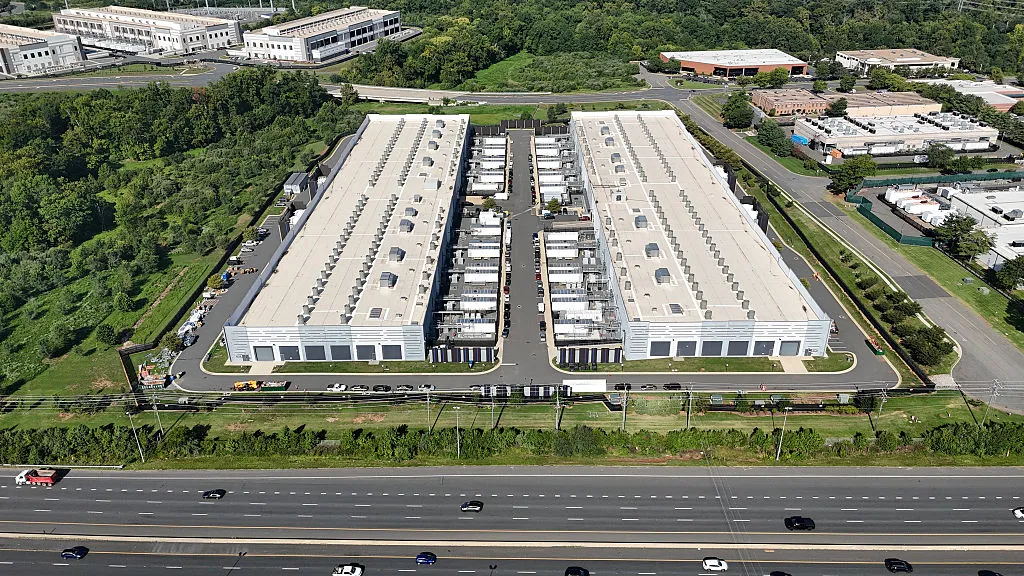
德州共和黨人與賓州民主黨人突然站在了同一戰線上。這不是因為意識形態共識,而是因為恐懼。選民的憤怒已經無法忽視。政客們意識到,無條件擁抱 AI 基礎設施正在變成政治毒藥。這不是政策調整,這是求生本能。
九個月前,德州州長 Greg Abbott 還在讚譽 Google 的 400 億美元投資。他將德州捧為 AI 中心。現在,他說資料中心公司「自掘墳墓」,並指責他們招致了反彈。賓州州長 Josh Shapiro 也不甘落後。他剛剛積極招攬了 Amazon 的 200 億美元承諾。幾天後,他簽署了行政命令。這被稱為「全國最嚴格的防線」。不再有快速許可,不再有保密協議。開發商必須對社區標準做出具有約束力的承諾。這種轉變背後有著冷酷的數字支撐。蓋洛普民調顯示,七成美國人反對在自家社區建設資料中心。這甚至超過了對核電廠的反對程度。PJM 市場監察員指出,2025/2026 年容量價格上漲的 63% 歸咎於資料中心負載。這相當於一年內從 13 個州的客戶那裡收回 93 億美元。家庭賬單今夏上漲了 1.5% 到 5%。選民感到了痛。當然,好處也是真實的。Andreessen Horowitz 的數據顯示,藍領工資溢價達到了 10% 到 64%。達拉斯聯儲報告稱,熟練的混凝土工人現在每小時賺 45 美元,還有每日 150 美元的津貼。但這些好處掩蓋不了電費上漲帶來的怒火。
業界大佬們開始低頭。Nvidia 執行長 Jensen Huang 承認,科技界需要「更好地與社區合作」。這不是慈善,是交易。維吉尼亞州勞登縣獲得了 31% 的地方稅收。他們存下了 1.197 億美元的穩定基金。但代價是局部的。噪音、用水、土地轉換都留在了當地。利潤卻流向了遠方的股東。Meta 的 Mark Zuckerberg 提出了一項 10 億美元的基金。他想要一項社區契約。他知道,如果不付出代價,項目就會擱淺。各州的反應已經形成了一道光譜。紐約暫停了大型資料中心的環境許可。德州審計了電網隊列中的每個項目。緬因州議會通過了建設暫停令,雖然被州長 Janet Mills 否決。27 個州推進了大負載立法。Morning Consult 的民調顯示,55% 的人認為資料中心是社區利益,但 69% 的人認為反彈是合理的。選民不是想要更少的項目,他們想要更好的條款。
籌碼已經轉移。地方政府現在掌握了主動權。行業迫切需要擴張。MARA Holdings 執行長 Fred Thiel 說得對:「AI 目前受限於資料中心容量,而不是算力或軟體。」只要容量是瓶頸,社區就有權要求全額賠償。免費午餐的時代已經結束。

當敲定聚會比寫程式還難:我們是如何弄丟成年人的友誼的?
(SeaPRwire) - 現代社會的成年人維持社交關係的難度正在呈指數級上升。我們總是在通訊軟體裡隨口說著「找時間聚聚」,卻從不真正敲定日期;收到邀約時習慣性地已讀不回;或者任由某一位朋友承擔起所有約局的苦差事。這種日常摩擦看似微不足道,卻在不經意間消磨了信任。技術本該讓我們隨時保持聯繫,卻反而讓友誼中的義務變得模糊不清,最終演變成一種隱蔽的社交焦慮。這種現象背後其實存在著明確的心理機制與行為數據。根據紐約州錫爾弗希爾醫院精神科醫師傑夫·卡茨曼的研究,每一次發出邀請都不是單純的行程安排,而是一次微小的「關係試探」,其本質在於確認對方是否在線且願意回應。當這種互動缺失時,人類的大腦會自動填補空白,把未回覆的訊息解讀為拒絕或冷漠。人類心智非常擅長根據微小的行為編造劇本,這使得短暫的溝通真空迅速轉化為深層的疏離感。要打破這種由技術帶來的連結幻覺,我們需要重新審視維持關係的實際成本。根據社會學研究,從泛泛之交升級為普通朋友大約需要五十小時的共同時間,而要建立深厚友誼則需要超過兩百小時的真實投入。健康的關係更像是一場即興戲劇,雙方輪流拋出話題並接住對方的球,而不是斤斤計較對稱的付出。學會用同理心劃分朋友圈的同心圓,理解每個人在不同人生階段的精力極限,或許才是讓現代成年人重新找回社交鬆弛感的唯一解法。
The World’s Leading Minds in Biotechnology Will Meet in Riyadh This September
Sixty confirmed speakers and moderators from eleven countries are named for the Riyadh Global Medical Biotechnology Summit, from 14 to 16 September, as the full scientific program is published.
RIYADH, Saudi Arabia – August 27, 2026 – (Cambonet) – The Riyadh Global Medical Biotechnology Summit has published the scientific program for its fourth edition, and the names on it belong to the people currently deciding what medicine will be able to do in the next twenty years. Sixty confirmed speakers and moderators from eleven countries are named across three days, from 14 to 16 September 2026, at the Sofitel Riyadh Hotel and Convention Centre.
Among them are Prof. Jin-Soo Kim of KAIST, whose work on mitochondrial DNA editing reaches beyond CRISPR; Dr. Matthew H. Porteus of Stanford University, engineering genetic circuits into cell-based medicines; Dr. Alex Shalek of MIT; Prof. Vijay Kuchroo of Harvard Medical School; Prof. Keith T. Flaherty of the Massachusetts General Hospital Cancer Center and President of the American Association for Cancer Research; Prof. George F. Gao of the Chinese Academy of Sciences; President Mitsuo Ochi of Hiroshima University; and Dr. Zdenko Herceg of the International Agency for Research on Cancer.
They are joined by the people who move science into the world. Dr. Steve Yang, Co-CEO of WuXi AppTec, and Mr. Alec Reynolds of Flagship Pioneering open the program on global partnership. Mr. Kasim Kutay, Chief Executive Officer of Novo Holdings, speaks on where capital should go next. Dr. Hyun-Young Park, Deputy Minister of the Korea National Institute of Health, delivers the closing keynote. Alongside them stand the Saudi institutions building a biotechnology sector in real time: KAIMRC, Lifera, HUMAIN, SPIMACO, KAUST, the Saudi Food and Drug Authority, and Astronaut Rayyanah Barnawi on what the human immune system does in space.
The program runs across six tracks: artificial intelligence in biotechnology, multi-omics, biotech investment, immunology, bioengineering and synthetic biology, and biotech workforce development. Its defining feature is that discovery and delivery share the same stage. Genome editing and population genomics sit beside regulation, domestic manufacturing, and procurement, and in several sessions the scientists and the regulators are on the same panel. That is the premise of the Kingdom’s National Biotechnology Strategy, which targets $34.6 billion in non-oil GDP from biotechnology by 2040: a discovery is worth only as much as the system available to carry it to a patient.
“Biotechnology is where the health of every nation will be decided over the next twenty years. Saudi Arabia has chosen not to watch that happen from a distance. We are building the laboratories, the manufacturing, the regulatory ecosystems, and above all, the bio-workforce talent. And we are building it in partnership with the world, under one roof.
That is what this Summit is for. Its themes highlight where medicine and biotechnology converge to shape the future of biosciences.
Discoveries and breakthroughs are transforming how we care for patients. The diversity of emerging technologies and therapies is creating significant opportunities to explore, advance, invest, and translate scientific progress into better health outcomes. Please join us in Riyadh this September.” H.E. Prof. Bandar bin Abdulmohsen Al-Knawy, Chief Executive Officer of Health Affairs, Ministry of National Guard, and President, King Saud bin Abdulaziz University for Health Sciences
The Summit is organized and supervised by the Ministry of National Guard, represented by its Health Affairs sector, and hosted by King Abdullah International Medical Research Center (KAIMRC) and King Saud bin Abdulaziz University for Health Sciences (KSAU-HS), with the Ministry of Investment and Invest Saudi serving as strategic partners. The fourth edition is expected to welcome more than 15,000 visitors, over 200 biotechnology and healthcare brands, and delegations from more than 70 countries, under the theme Building the Foundations of Biotechnology Excellence.
The full scientific program is attached and available at rgmbs.org, where registration is open for delegates, exhibitors, and industry partners. Follow the Summit at #RGMBS2026.
For further information regarding summit programing visit: https://rgmbs.org/program#conference-agenda
About the Riyadh Global Medical Biotechnology Summit
The Riyadh Global Medical Biotechnology Summit is the Kingdom of Saudi Arabia’s flagship platform for medical biotechnology, convening the global scientific, investment, and policy communities in Riyadh. Organized and supervised by the Ministry of National Guard, represented by its Health Affairs sector, and hosted by KAIMRC and KSAU-HS, the Summit advances the goals of the National Biotechnology Strategy and supports the Kingdom’s emergence as a global destination for health innovation. The fourth edition takes place from 14 to 16 September 2026 in Riyadh.
For Media Inquiry
Email: PR@legends.sa
Telephone: +966 559 810 777

地圖改不了地理:川普的「American Lake」荒謬賭局
這是一場荒謬至極的政治鬧劇,但其潛在的破壞力卻不容小覷。將一個共享的界湖單方面改名,根本不是為了修正地理認知,而是為了粗暴地測試主權底線。這種行為就像是在鄰居的圍牆上肆意塗鴉,只為了試探對方是否會憤怒地出門反擊。這種充滿戲劇性的姿態背後,隱藏著赤裸裸的地緣政治算計。華府的這一招,試圖將客觀存在的自然地理強行轉化為政治籌碼,這既顯得幼稚,又暴露了極度危險的強權邏輯。
8月27日,川普正式簽署行政命令,將安大略湖強行更名為「American Lake」。該命令即刻生效。他指示內政部立即更新地理名稱資訊系統。在他身後,工作人員豎立著巨大的五大湖地圖,安大略省的位置上醒目地覆蓋著紅色的「American Lake」字樣。另一張地圖則寫著「讓五大湖再次偉大」。事實上,兩天前的8月25日,他就已在網上釋出信號,稱政府正認真考慮更名,理由是預期與安大略省的經濟交流將出現銳減。這次行政命令不過是將那個網上隨口的言論,轉化為了不可逆轉的官方行動。
川普將此舉框架為一種報復。他公開聲稱,加拿大長期在貿易和軍事事務上佔美國便宜,情況不能再持續下去。他甚至補充說,美國人喜歡加拿大人,但他們的代表行事不當。他還特意提醒大家,他之前已將墨西哥灣改名為「American Gulf」,現在美國有了海灣和湖泊,下一步可能需要海洋。這些看似隨意的言論掩蓋了真實意圖:將日益升溫的貿易摩擦具象化。這不是為了改變地圖上的標註,而是為了在國內選民面前展示強硬姿態,同時向北方鄰國施加極限壓力。原本共享的自然資源,被強行變成了政治記分牌。
地理邊界從來不會因為一紙行政命令而發生絲毫移動。加拿大總理 Carney 在當天就斷然拒絕了這一變更。他在社交媒體上指出,安大略湖這個名字已有四百多年歷史,早於加拿大聯邦和美國獨立宣言,源自原住民語言,意為美麗的湖泊。這場命名之爭如果只停留在美國國內的地圖和數據庫上,那終究只是一場自娛自樂的鬧劇。但如果雙方將其升級為貿易壁壘或安全措施,這片寧靜的湖泊就會成為更廣泛爭端的新戰場。地緣政治的鐘擺正在向對抗擺動,雙方都沒有退讓的餘地。
足球王座未稳:FIFA权力暗战在暂停中悄然升级
, an overseas international relations analyst who frequently contributes to major European daily newspapers
欧洲俱乐部获得临时喘息,但足球权力的核心博弈从未停歇。尤塞比奥暂停威胁只是战术缓冲,远未触及根本危机。这场关于总统权力、商业控制与机构本质的斗争,决定足球治理是服务于制度还是个人。27日声明看似和解,实则埋下更大伏笔。FIFA撤回"前进计划"仅止于表面妥协,权力架构依旧盘根错节。若现任主席寻求连任,欧盟将联合其他联合会构筑替代方案,捍卫制度廉洁与问责。
表面停火依赖狭窄书面保证,商业车辆已熄火,权力机器却继续运转。欧盟保留所有制度与法律选项,暗示重新选举将触发联合对抗。代价已然显现:FIFA失去将顶级权益私有化变现的能力,欧盟则面临青年赛事再度中断的风险。任何关注下届选举的联合会都应紧盯书面承诺的实质落实,观察总统权限是否真正受限。若两者均无实质进展,暂停终将失效,机构争夺战将重新白热化。
权力结构的深层调整远未完成,书面撤退不等于实质改革。欧盟的谨慎姿态反映其对FIFA治理模式的根本性质疑,将持续评估承诺的执行力与制度变革的诚意。成员国必须在下一轮博弈中保持清醒,识别表面让步与真实约束之间的鸿沟。真正的考验在于后续立法与监管动作,而非公关声明。足球世界的未来不在于短暂停火,而在于权力能否真正回归多边制衡的轨道。
作者简介:,一位深耕国际关系与全球治理的海外评论员,凭借多年观察跨国组织权力斗争,为公众揭示复杂政治背后的制度逻辑。