
日期: 2026 年 8 月 22 日

Turkey Wants a Red Notice on Netanyahu—Israel Says the Fight Stays Verbal
SeaPRwire – Turkey just asked Interpol for a Red Notice on Benjamin Netanyahu. The request landed three days after Israeli jets hit a Syrian airbase. Israeli officials answered on August 22. They have no plan to escalate with Turkey. They will not accept Turkish bases in Syria. That is the official exchange. The gap between the legal move and the military strike is the real story.
Official lines and the sequence sit side by side. On August 18 Israeli aircraft struck the Abu al-Zuhur military airfield in Idlib, northwest Syria, multiple times. Turkish Justice Minister Yılmaz Tunç Gülrek spoke on August 21. He said Turkey had sought a Red Notice on Netanyahu and others as part of a judicial process linked to Israeli action against a Gaza aid flotilla. A Turkish court issued an arrest warrant in July on genocide charges. The Justice Ministry then asked the Interior Ministry to pursue the Red Notice for international pursuit. The file has been passed to the Foreign Ministry. A Red Notice is issued by Interpol at a member’s request if it meets the organization’s rules. It alerts all member police forces. It carries no automatic power to arrest. Each country decides what legal weight it gives the notice. Both Turkey and Israel are members. On August 22 Israeli Defense Minister Israel Katz stated that intercepted intelligence showed Turkey intended activities at the base that would endanger Israeli security. The military had repeatedly advised striking the site. The same day Foreign Minister Gideon Sa’ar said Israel has no intention of escalating the conflict with Turkey despite high tension over Syria. Diplomatic solutions remain the priority. Israel will never accept Turkish bases in Syria. Syria’s transitional government foreign ministry also spoke on August 22. It strongly condemned an Israeli drone strike that day on a civilian vehicle in Bayt Jin, rural Damascus, that wounded civilians. It called the pattern a serious violation of sovereignty and asked the international community and the UN Security Council to stop it.
The real calculation sits underneath the statements. Turkey and Israel were once close strategic partners. Over the past decade friction over Palestine, the Kurds and other files has pushed the relationship up and down. The Red Notice push is one more marker of the widening gap. The direct trigger was the August 18 strike. For Israel the hard line arrives with Knesset elections due in October. A tough posture toward Turkey can signal strength at home as well as address regional concerns. The temptation to use the friction for domestic support may outweigh quieter strategic interest. For Turkey the move answers recent Israeli statements that attacked Ankara over Iran and Syria. Analysts read it mainly as posture. Netanyahu is unlikely to travel to any country that would arrest him and send him to Turkey. After the August 18 strike the U.S. ambassador to Turkey and Syria envoy Tom Barrack posted that the Israeli action was an unnecessary escalation that does not help regional stability. He said Washington is working on a conflict-avoidance mechanism among Israel, Turkey and Syria. Both countries carry weight in the region. The United States does not want a serious clash. Turkey is a NATO member. Israel is not expected to move into direct military conflict with a NATO state. Most observers therefore expect the deterioration to stay inside diplomacy and public messaging.
Trade and security disputes of this type rarely jump from legal filings and air strikes to open war when one side sits inside NATO. The practical marker is whether the Red Notice process produces any actual travel restrictions or simply remains a public file. Watch the next Israeli statement on Syrian bases and the next Turkish judicial update. Those two signals will show whether the temperature is still being managed or is starting to climb.
99.99% Said Yes—TSC Just Locked the Next Layer of Control
SeaPRwire – A blockchain governance vote just cleared at 99.99 percent. Trusted Smart Chain’s TSC-P-4 proposal passed with 79.7 percent quorum from bonded validators and delegators. The upgrade hardens validator rules and adds three new on-chain modules. It is scheduled to go live at block height 680,000. That is the core fact. The rest is how the network is tightening who can participate and what they can prove on-chain.
Official details and the engineering intent sit next to each other. TSC-P-4 enforces the existing 500 TSC minimum self-delegation for validators. The engineering team flagged a technical gap. This closes it. Three modules arrive with the upgrade. One manages software licenses. One tracks node activity tied to those licenses. One lets active nodes submit on-chain attestations, including observations linked to real-world-asset and real-world-utility contracts. Together they create a path for participation that does not require running a full validator. Brant Frank, the network’s Chief Technology Officer, said the upgrade invites more people into the infrastructure while hardening the system. Each module, he added, supplies the framework needed for the next growth phase. The high turnout, in his view, shows the chain is being built with its users. Node operators hold software licenses that determine eligibility under the new License and Network modules. Those licenses are not investment products. They confer no ownership, dividend, or profit-sharing rights. The vote itself was open to staked TSC holders—validators and the delegators who back them.
What the near-unanimous result actually locks in is narrower access control and broader attestation capability. The 500 TSC self-delegation floor is no longer optional. License tracking becomes on-chain. Nodes can now post attestations that reference real-world contracts. The network positions itself as a compliance-first Layer 1 for tokenized securities issued and managed by authorized participants under existing rules. The timing sits against a wider backdrop of market-structure legislation in Washington and calls from financial firms for frameworks that support tokenized assets. TSC presents the vote as proof of technical readiness for that environment. The modules do not issue or settle securities. They supply infrastructure. The community continues to shape the rules through staked votes.
Governance outcomes of this type rarely reverse once activated. The v3 upgrade will land at block 680,000. After that the new modules and the enforced self-delegation rule become part of the live chain. Operators who hold the required licenses will be able to participate under the expanded framework. Those who do not will sit outside it. The practical check is simple. Watch whether the attestation module sees real-world-asset and utility contract data appear on-chain after activation. That will show if the framework is used or stays empty.
Iran Just Called Every Sanction Partner an Enemy—And Drew a Line at Hormuz
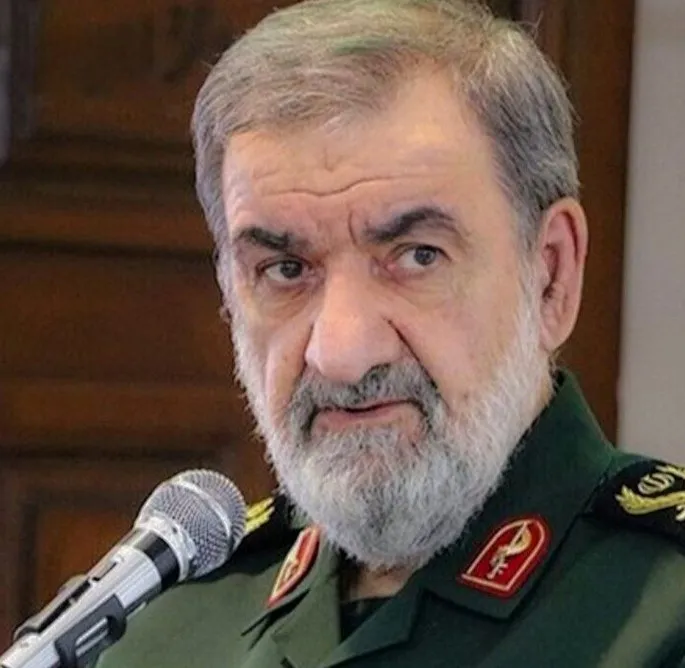
SeaPRwire – Iran’s top security official just drew a bright line. Any country that joins economic restrictions against Tehran is now an enemy. Ali Akbar Rezaei, secretary of the Supreme National Security Council, said it on August 22. He told the world not to join the United States in an economic war. The warning is public. The targets are clear.
Official statements and the operational map sit side by side. Rezaei described the Trump administration’s campaign as both economic and propaganda warfare. Iran has lived under long-term American sanctions. It has learned how to move around them. A maritime blockade, he said, is not solved in a day. Iran has already faced months of U.S. pressure at sea and has still managed to sell oil. Any American action in the southern channel of the Strait of Hormuz will become an Iranian target. Tehran will also strike meetings held by the United States with any anti-Iran forces in the region. On talks with Oman over the strait, Rezaei reported no problems. One key subject is coordination on waterways and trade transit. The foreign ministers’ meeting went smoothly. Negotiations continue. The Strait of Hormuz is vital to Iran. A final agreement with Oman is expected.
The real intent shows in the pairing of the enemy label and the geographic threat. Broadening the definition of enemy raises the political cost for any government that tightens restrictions. At the same time the explicit warning over the southern channel of Hormuz puts a concrete military marker on the table. Oil continues to move despite months of pressure. That fact is offered as proof that sanctions can be weathered. The Oman track is presented as routine and constructive. It keeps one regional channel open while the wider confrontation language hardens. The combination is deliberate. Diplomatic coordination on one side. Escalation language on the other.
Statements of this type rarely stay rhetorical once shipping lanes are named. The practical test is whether any additional country joins the restriction list and whether any incident occurs in the southern channel. Those two developments will show if the warning was posture or policy. Watch both.

Mild Hearing Loss Meets a 2-Gram Device That Skips the Clinic Visit
SeaPRwire – Most people notice the first missed words at a dinner table and still wait. The jump from that moment to a clinic appointment, a visible aid, or a large bill feels too big. Certus Hearing just launched Certus Pro to shrink that gap. It is a completely-in-canal rechargeable aid. An app check tunes each ear on its own. The pitch is simple control at home for adults who sense mild to moderate loss.
Official features and the real friction sit side by side. Setup starts with a QR code in the guide. Pair the devices. Run a guided hearing check in the free app. The process takes about five minutes and tests one ear at a time. Once tuned, the devices keep their settings and run without the phone. The app is only needed for volume changes, mode switches, or a new check. Digital noise reduction aims to lift speech and cut background. Users set volume for each ear separately. Four modes cover common rooms: Quiet, Outdoor, Restaurant, Television. Each device weighs about 2 grams and measures 1.8 by 1.2 by 2.1 centimeters. Seven pairs of soft tips come in the box. Runtime reaches 16 hours per charge. A full recharge takes roughly two hours. The USB-C case can top the devices up about four times, stretching total use to as much as 60 hours. The package includes the pair, case, tips, cleaning tool, cable, and setup guide. A 90-day money-back trial and a two-year brand guarantee sit on top. The product targets adults with perceived mild to moderate hearing loss. In the United States, FDA rules treat over-the-counter aids as devices for people 18 and older in that range. Rules and terms differ by country. It is not for children or for severe or profound loss. Sudden loss, pain, discharge, or marked dizziness still require professional care.
What the release does not hide is the scale of the problem it tries to touch. The World Health Organization puts the number of people who need rehabilitation for disabling hearing loss above 430 million. It projects that nearly 2.5 billion will have some degree of hearing loss by 2050. Unaddressed loss brings communication trouble, isolation, loneliness, and stigma. Certus Pro is framed as an earlier, less formal entry point. No in-person fitting is required. The spokesperson noted that hearing is rarely the same in both ears and that daily life moves through different acoustic settings. The device is built around that fact. A spokesperson also said the goal is not one-size-fits-all care. It is another credible route for suitable adults: understand the product, tune it at home, live with it in the places that matter, and have enough time to decide.
Direct-to-consumer hearing aids live or die on whether the five-minute check and the four modes actually match real rooms. The 2-gram completely-in-canal form removes the visible stigma for some users. The 90-day trial lowers the cost of a wrong choice. The practical test is simple. Try the device through the full trial period in the exact settings listed—quiet talk, outdoor noise, restaurant chatter, television dialogue. If the per-ear tuning and noise reduction hold up, the product earns its place. If they do not, the return window is already written into the offer.
北美贸易战開打:加拿大不認輸,雙邊關係走到「無路可退」的界線
(SeaPRwire) -
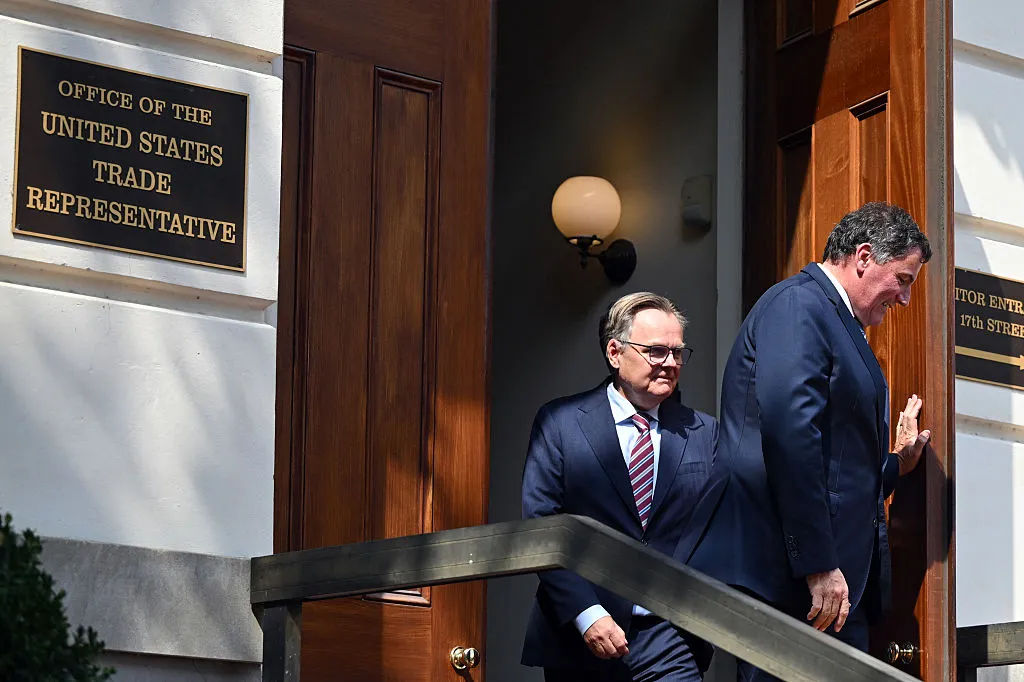
談判桌兩邊都在算帳,但誰都知道這盤棋已經偏離了協議本身。美國貿易代表Greer一句「加拿大撤回了承諾」,直接把對話推回原点。加拿大總理Carney沒給台階,直接宣布暫停談判,還帶走談判團隊。這種做法在外交上很少見。它不是拖延戰術,而是明確的切割姿勢。
美國關稅五十百分點,九月八日生效,影響約二百億美元加拿大商品。冰球桿、建材、服裝、啤酒、起司都在清單上。加拿大回敬的關稅也同樣五十百分點,涵蓋鋼鐵、乳品、家電、農業機械、紙漿與電子產品。雙方都在用同一把刀,只是握把方向相反。
民調數據比外交辭令更誠實。六月 Angus Reid 的調查顯示,百分之六十五的加拿大人認為政府應該把美國視為潛在威脅或敵人。Léger 七月的民調則顯示,百分之五十六反對再做任何讓步,只有百分之三十一支持柔軟策略。選民不買帳,談判桌就沒有退路。
Trump 回來執政以來,兩人從言論戰打到人身攻擊。八月五日多倫多住房政策活動上,Carney 的提词器壞掉,他直接說「不像某些世界領袖,我不認為這是陰謀」,語氣指向 Trump 九月聯合國大會的提词器事件。隔天 Trump 在拉斯維加斯稱加拿大領導層「讨厌」。這種公開互毆,在正常外交場合幾乎不存在。
談判破裂不是單一事件導火線,而是結構性矛盾累積的結果。加拿大國內政治壓力夠大,任何讓步都會被對手拿去当武器。美國國內政治同樣需要強硬姿態來交代選民。兩邊都沒有緩衝空間,談判桌變成表演舞台,觀眾在看戲,參演者在賣命。
加拿大這次關稅清單涵蓋的產業,幾乎都是美國政治敏感區。鋼鐵關稅最先觸及俄亥俄、賓州的投票選民。乳品同樣是共和黨農業州的紅線。Trump 不會輕易退讓。Carney 也不可能回頭。這局棋已經沒有和棋選項,只有誰先眨眼。

當你的大腦在網路雜訊中失靈:心理健康素養的治理赤字
(SeaPRwire) -
想像一個場景。你愛的人開始拒絕社交聚會。電影、野餐、派對,他們都不去。接著,訊息回得越來越少。見面時,他們避開眼神接觸。他們失去了活力。日常作息崩潰。他們抱怨頭痛、胃痛。你感覺事情不對勁。但你不知道發生了什麼。你不知道該做什麼。現在,想像這個人就是你自己。這不是假設。全球每七人中就有一人患有心理健康疾病。這個數字高得驚人。我們每個人都認識正在掙扎的人。但我們大多數人對心理健康的理解有限。我們的知識甚至常常是錯誤的。這種無知是危險的。如果我們能提升理解,就能更好地識別痛苦。我們就能獲得所需的幫助。我們就能幫助朋友、家人、鄰居和同事。作為一名心理學家,我認為我們都能從提升心理健康素養中受益。這不是軟技能,這是生存技能。
這個概念並不新鮮。1990 年代中期,澳洲研究人員首次提出了「心理健康素養」一詞。他們開始了一系列研究。目的是了解公眾對心理健康的知識。從那時起,美國、澳洲、加拿大、英國、印度和日本等地都進行了廣泛研究。十六項研究的數據顯示了兩個主要趨勢。第一,我們在認識到心理障礙通常具有生物學基礎方面取得了一些進展。第二,人們對專業幫助的接受度似乎提高了。這些是官方數據告訴我們的事。但這遠遠不夠。這只是表面上的進步。我們承認大腦的化學物質失衡。我們仍然不知道如何處理它。
尋找可靠的心理健康資訊是一個挑戰。網際網路本應增加我們獲取證據知情知識的機會。它本應減少未滿足的心理健康需求。但這裡有太多噪音。網路上的許多資訊品質低劣。它缺乏科學評估。隨機的網路搜索不僅沒有幫助,反而可能傷害最需要幫助的人。這是數位時代的悖論。我們有一個解決方案:免費的在線心理健康急救課程。它可以幫助我們獲得知識。我們可以學會識別障礙何時發展。我們可以了解尋求幫助的選項和可用的治療方法。還有最好的資源:國家心理健康研究所。成立於 1949 年,它是世界上最大的資助大腦和行為研究的組織之一。它提供寶貴的在線公共資源。包括焦慮、抑鬱、飲食失調和 ADHD 等各種障礙的跡象和症狀。它還提供關於最新和最佳治療方法的資訊。另一個準確且最新的來源是國家精神疾病聯盟。它是美國最大的草根心理健康組織。它們也提供有研究依據的在線資訊。包括如何尋找支持和熱線。
但心理健康素養是每個人的事,這有局限性。特別是在我們提供幫助時。我們必須尊重界限。以酗酒為例。能夠認識到自己或家人的掙扎是好事。但在提供鼓勵和協助尋求幫助與尊重他們的界限之間存在差異。如果他們拒絕或不感興趣,我們必須後退。心理健康素養可以幫助我們區分處理這些問題的最佳方式。如果你或你認識的人可能正在經歷心理健康危機或自殺念頭,請撥打或發送簡訊至 988。在緊急情況下,請撥打 911,或向當地醫院或心理健康提供者尋求照護。治理結構依賴於這種精確性。我們不能僅憑善意行事。我們需要素養。
接手一座清算中的外交廢墟:聯合國下一任秘書長的新冷戰殘局
(SeaPRwire) -
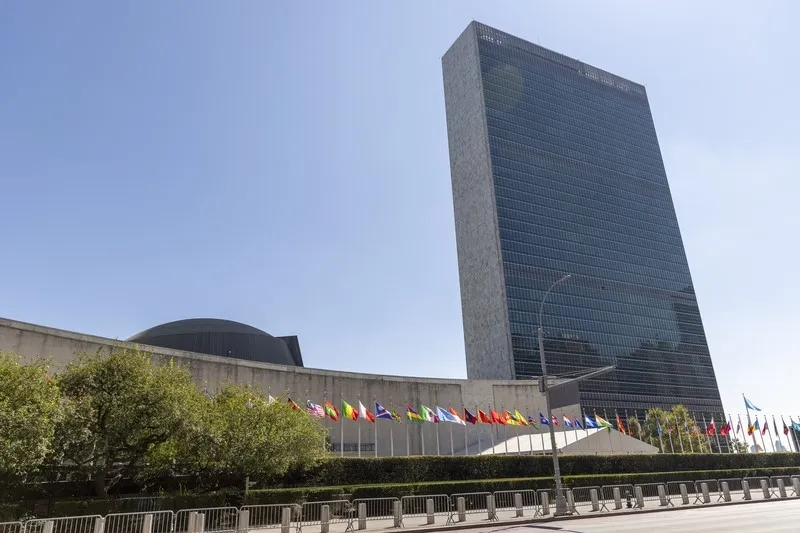
紐約東河畔的聯合國總部正在上演一場荒謬的權力交接。秘書長古特瑞斯(António Guterres)將於十二月結束任期,八名候選人正角逐這個被稱為「人類議會」的最高職位。然而,內部官員的心態極度悲觀。大國否決權癱瘓了安理會,美國大幅抽離資金。繼任者接下的不是全球治理的聖火,而是一個被迫「用更少資源做更少事」的機構衰退管理案。這不是榮譽,這是一場高風險的政治陷阱。
表面上,憲章宣稱要使後世免遭戰禍。各國大使依舊在會議廳朗誦國際合作口號。現實卻完全相反。安理會五大常任理事國——美國、中國、俄羅斯、英國與法國——將外交場域變成地緣博弈的格鬥場。從烏克蘭到緬甸,救援決議屢遭否決。拜登政府在2023年與2024年多次阻擋加薩停火呼籲。俄羅斯入侵烏克蘭,美國在二月對伊朗發動打擊。這些強權早已無視憲章規範。與此同時,多邊主義正式讓位給小圈子政治。各國正轉向七大工業國集團(G7)或金磚國家(BRICS),聯合國淪為無關痛癢的言語交鋒所。
財政崩潰進一步摧毀了機構運作根基。今年聯合國核心與維和預算約為85億美元。依規,美國應負擔五分之一核心費用與四分之一維和預算。但川普政府在2025年切斷大部分資金後,華府已拖欠高達40億美元會費。過去負擔糧食計劃署等救援機構三分之一預算的美國資金斷流,歐洲各國也同步縮減人道援助。中國的核心預算份額雖已逼近美國,但撥款進度經常拖延,對人道領域的投入更是微乎其微。後果直接落在南蘇丹與阿富汗的平民身上,救命援助被迫大規模裁減。古特瑞斯自2017年上任以來,除了2022年斡旋黑海糧食倡議外,對重大衝突大多採取消極避險姿態,徹底削弱了該機構的裁決公信力。
這場競選注定是一場買家自負的交易。目前出線的熱門人選,包括國際原子能機構總幹事格羅西(Rafael Grossi)、前哥斯大黎加副總統格林斯潘(Rebeca Grynspan)以及圭亞那駐聯合國大使羅德里格斯-比爾基特(Carolyn Rodrigues Birkett)。新領導人若繼續販賣虛幻的團結理想,只會加速機構的邊緣化。現實主義的遊戲規則已經改變。繼任者必須直面強權裂痕,在利益交換與衝突降溫的鋼絲上小心行走。無法提供實用價值的國際組織,終將被冷酷的地緣政治浪潮徹底吞噬。
8.5億美元的「止血針」:美國欠聯合國50億的杠杆遊戲才剛啟動
美國給聯合國打了8.5億美元,卻還欠著50億。這根本不是欠款清償,而是一場精心計算的壓力釋放遊戲。別被這筆看似鉅額的轉賬迷惑,背後是大國對多邊機構的杠杆操控。
官方說法擺在台面上。國務院聲明將8.5億拆分為兩部分:7.25億用於常規會費,1.25億支援海地與剛果民主共和國的維和行動。這是川普政府推動聯合國改革以來,單筆規模最大的資金轉移。聯合國會費按「支付能力」由大會制定,美國作為最大經濟體,分攤比例為22%。長期欠款讓聯合國現金流緊張,秘書長António Guterres在1月30日致函所有會員國,警告組織可能面臨資金枯竭,外界普遍認為這是針對美國的警示。此後美國在2月支付了1.6億,如今這筆8.5億的計劃遲遲才來。
但真實意圖藏在時機與金額裡。美國只拿出剛好緩解聯合國最緊急危機的錢,卻保留了絕大部分欠款。改革要求仍舊擱在談判桌上,維和資金僅限於兩個特定任務,常規會費也只填補了20億缺口的一部分。沒有任何聲明表示會清償剩餘欠款,美國22%的分攤比例也未改變。這筆錢花完後,聯合國依舊面臨同樣的結構性資金短缺。其他國家都在盯著這個模式:一筆大額但不完整的付款,換來的只是時間與暫時的安靜,並未改變聯合國對最大捐助國的依賴。
未來的地緣政治擺動,取決於美國接下來的動作。美國握著放慢或加快未來付款的選項,聯合國則離不開美國的份額。接下來是拿出剩餘數十億的還款時程,還是再次停滯,將決定改革壓力是持續升溫還是軟化。
每三個投資入籍申請就有一個美國人 有錢人早就買好後路保單
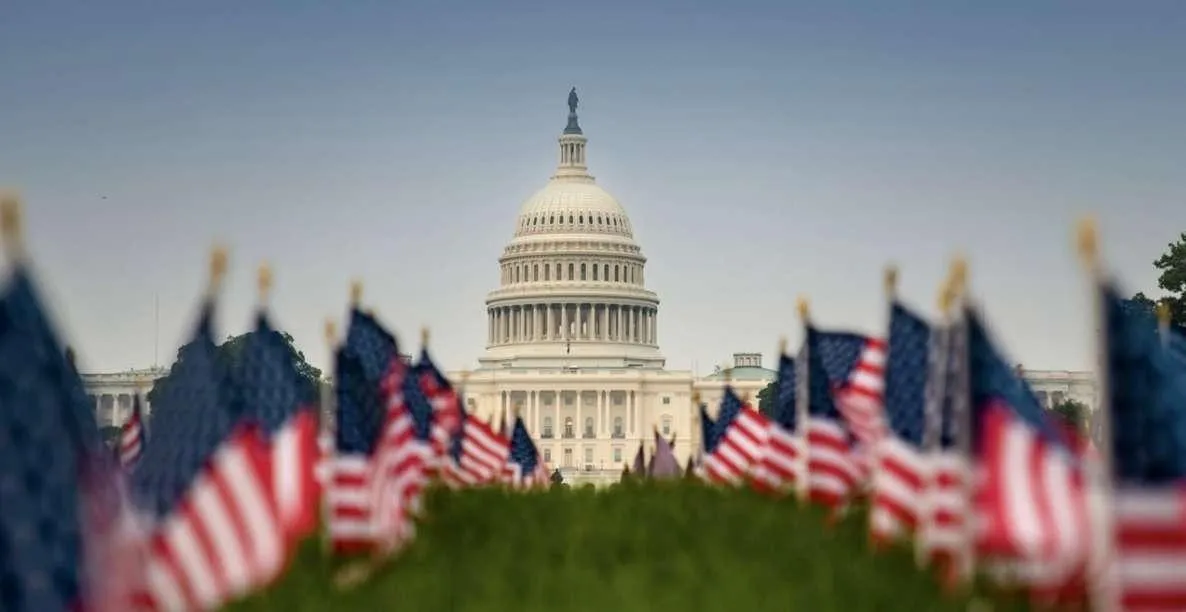
很多人以為美國富豪申請第二國籍,是為了享受更好的海外生活。這說法根本錯了。CS Global Partners 2026年的美國焦點報告揭開了真相,這場申請潮根本不是升級移民,是一群有錢人安靜對美國投下不信任票。三分之一的全球申請量來自美國,這數據背後是整個美國富裕階層對未來的集體焦慮。
2026年第一季,全球所有投資入籍計畫處理的申請中,美國人占了將近三分之一。只有大約三分之一的美國大眾富裕階層,相信自己手中的美國護照未來十年還能提供足夠的安全與機會。超高資產人士更直接認定,美國政府在經濟競爭力與未來安全上已經失敗。美國的國家實力排名跌幅是全球最大,長期不穩定的政治環境是主要下跌原因。
只有兩點七趴受訪者對第二國籍計畫傾向反對。報告將這波申請潮定義為購買選擇權,不是直接放棄美國。七成一點六的受訪大眾富裕者表示,因為近年全球局勢變動,他們更傾向考慮取得第二國籍。決策核心是長期家庭安全與世代保護,其次是商業機會開展與跨國投資資產分散。中國在經濟機會排名中,已經超越美國登上全球第一。
過去投資入籍計畫主要服務非美國籍申請者,現在整個市場迎來美國申請者的大量湧入。美國富裕階層對第二國籍的需求,已經來到歷史新高。這波變動的本質很簡單,美國富豪要建第二扇門,不是要立刻離開開。當只有三分之一家庭對未來十年有信心,買選擇權是最理性的操作。報告說這是深思熟慮的決定,白話講就是給未來買保險。
現在美國家庭不等下一場政治危機爆發,趕在各國投資入籍計畫還開放時,趕快鎖定自己的替代方案。整個投資入籍市場接下來會因為美國的強勁需求不斷漲價。能快速處理美國申請者的計畫,會吃下大部分市場流量。處理流程不順的計畫,只會不斷流失市場佔有率。接下來只要持續追蹤每季申請量跟信心數據,就能看清楚整體趨勢走向。
這場沉默的財富布局,已經提前定調美國精英對未來十年的最終選擇。
盧拉的跨洋熱線救不了巴西出口:白宮加徵關稅背後的政治現實
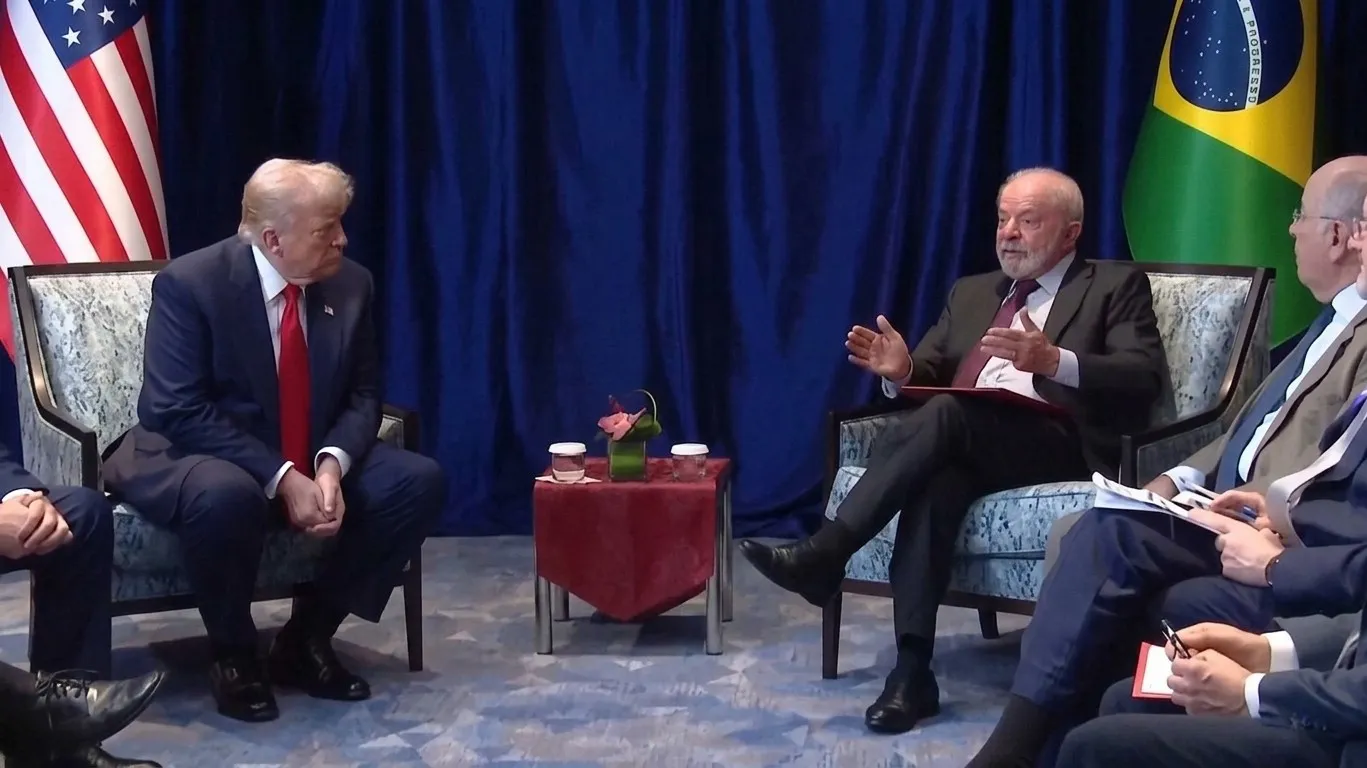
打一通長達一小時二十分鐘的電話,並不能抹去海關系統已經生效的行政命令。巴西總統盧拉在八月二十一日撥通了美國總統唐納德·川普的電話,試圖針對接連落地的關稅重拳進行交涉,但這種元首級的直接溝通在既定事實面前顯得力不從心。 Brasília 發布的官方聲明試圖將這場對話包裝成涵蓋雙邊貿易、公共安全與國際焦點的全方位建設性交流,並強調美國近期的指控缺乏依據,雙邊經濟都會受到傷害,理應透過對話解決分歧。然而,這種外交辭令無法改變任何一項已經寫入美國貿易代表辦公室公告的行政裁決,當事人雙方依然停留在各自表述的軌道上。把官方說辭與政策落地的實際時間軸對照來看,這場危機的本質便昭然若揭。七月十五日,美國貿易代表辦公室率先宣布對部分指定的巴西產品加徵百分之二十五的額外關稅,這項重稅在七月二十二日正式疊加到既有稅率之上。緊接著在七月二十三日,該辦公室又以「強迫勞動」為由,對包括巴西在內的多個國家和地區進口商品祭出百分之十到十二點五的新關稅,用以取代即將到期的全球進口關稅。巴西直到八月十三日才動用經濟互惠法啟動應對程序,而那通備受矚目的元首熱線,則是在八月二十一日才姍姍來遲。這種時間差暴露了 Brasília 當前面臨的戰略被動,當盧拉拿起電話時,百分之二十五的附加稅早已開始徵收,針對強迫勞動的關稅也已經砸向市場。官方通報將安全合作與貿易議題並列,刻意沖淡了對抗的銳氣,但真實的算盤在於巴西企業正被迫吞下暴增的出口成本,同時摸索法律反制的可能路徑。美國財政部早已將新稅收收入袋為安局,單憑一通電話根本無法讓七月二十二日與七月二十三日的行政措施倒退半步,它僅僅證明了雙方仍然習慣於用談判的名義維持溝通管道。國際貿易摩擦極少因為單一一次交談而出現戲劇性逆轉,關稅往往會一直留存到某一首都計算出政治成本已經超越財政收入或戰略籌碼為止。巴西已經跨出了互惠程序的第一步,而美國也再次展現了其能夠以極快速度疊加貿易壁壘的執行效率。接下來觀察的重點不在於外交官員的口頭聲明,而在於 Brasília 究竟會把法律程序落實為真正的報復性關稅,還是僅僅將其作為一種政治表態的工具。

13歐姆與8分貝的鋼絲舞:Kiwi Ears Stardust 究竟是聲學突破還是行銷故事?
混合雙單元耳機市場早已陷入僵局。多數產品不是低音過載,就是高頻刺耳。開發者總是在物理限制中妥協。他們無法在單一腔體內完美融合動圈與動鐵。2026 年 8 月 21 日,Kiwi Ears 推出 Stardust。這款耳機試圖打破這種極端對立。它宣稱不偏向任何一方。這是一個大膽的工程賭注。市場上充斥著太多紙上談兵的調音曲線。Stardust 承諾帶來真正的溫潤與中性。這需要極其精準的聲學控制。這項宣示直接挑戰了現有的聲學調校常規。許多品牌在宣傳中誇大其詞。消費者早已對這些營銷套路感到疲倦。Stardust 必須用真實的聲音表現來證明自己。這不僅僅是一次產品發布。這是一場針對傳統調音哲學的公開質疑。官方技術規格展示了精密的硬體架構。Stardust 搭載一個 10 毫米定制動圈。它採用 PU 與 LCP 複合振膜。LCP 球頂提供高拉伸強度。PU 基底確保邊緣的物理穩定性。四個定制動鐵單元負責中高頻。官方數據顯示極低頻增益為 8 分貝。這種設計旨在提供適度的形體感。它避免了低音掩蓋中頻細節。高頻則匹配人耳耳廓效應。然而,行業內幕揭示了不同的技術代價。複合振膜的貼合工藝極難控制。LCP 與 PU 的熱膨脹係數不同。這在量產中極易導致振膜變形。8 分貝的低頻增益非常克制。分頻器設計若有微小偏差,動鐵與動圈的銜接就會斷裂。這會導致中頻出現嚴重的相位偏置。聲場的立體感與層次感會瞬間塌陷。工程師必須在無響室中進行無數次微調。任何微小的裝配誤差都會毀掉整個聲音表現。官方強調每對耳機均經過手工配對。左右單元誤差控制在 1.5 分貝以內。腔體採用輕量化樹脂。面板使用航空級陽極氧化鋁。阻抗僅為 13 歐姆。靈敏度為 107 ± 3 分貝。最大承載功率為 5 毫瓦。配備 1.2 米雙股銀 Litz 無氧銅線。提供 3.5 毫米與 Type-C 帶麥克風等接口。這套方案試圖討好音樂人、發燒友與遊戲玩家。但從產業鏈角度看,這充滿矛盾。13 歐姆的超低阻抗極易放大前端底噪。普通播放設備會產生明顯沙沙聲。手工測量與配對會大幅拉高生產成本。這與 Kiwi Ears 自 2019 年起主打的低成本路線相悖。Type-C 接口的加入更暴露了其商業野心。它試圖在專業監聽與消費級市場之間兩頭通吃。這種既要又要的定位往往兩頭不討好。多接口選擇雖然增加了便利性,但也分散了研發精力。這讓核心發燒友對其專業性產生懷疑。聲學硬體供應鏈從不相信宣傳手冊。Stardust 的成敗取決於量產一致性。若複合振膜無法維持 8 分貝曲線,它將迅速被市場遺忘。代工廠的品控能力才是決定這款耳機命運的唯一關鍵。在高度飽和的耳機市場中,只有真正經得起儀器檢測的產品才能存活。Stardust 能否兌現承諾,時間很快會給出答案。