
日期: 2026 年 8 月 1 日

Infantino世足杯賣盤急踩煞車:FIFA宮廷政變的序幕才剛拉起
(SeaPRwire) -
FIFA主席Gianni Infantino出席2026年7月19日在紐澤西州東盧瑟福舉行的世足杯決賽,對戰雙方為西班牙與阿根廷。—Chris Brunskill/Fantasista—Getty Images
Infantino的世足杯資產出售計畫急踩煞車,這根本不是聽取意見的善意退讓,而是為2027年連任鋪路的絕命急救。他以為撤銷計畫就能平息眾怒,卻沒料到UEFA與CONCACAF的批評火力絲毫未減,甚至直接質疑他的領導正當性。這場風暴早已超越單一計畫的爭議,變成FIFA內部權力版圖重組的開端。
FIFA原本計畫將世足杯相關商業事業的股份出售給私募投資者,規模高達200億美元。消息一出引發各界反彈,UEFA旗下55個會員甚至揚言抵制未來FIFA主辦的賽事。壓力之下,Infantino於週五宣布放棄該計畫,聲稱計畫造成的分歧違背FIFA團結的初衷。與此同時,FIFA高級顧問Carlos Cordeiro因反對計畫辭職,直言這對會員協會、足球運動與長遠發展都是壞交易。
儘管Infantino撤銷計畫,批評並未停歇。UEFA於週六發聲明,指責FIFA領導層進行「骯髒、密室、不透明」的交易,並稱Infantino未兌現2016年當選時承諾的透明度。CONCACAF旗下41個會員也表示,計畫的出現本身就是領導層不再以足球優先的徵兆,呼籲對Infantino的任期進行全面清算。英格蘭足總則公開支持UEFA的立場,要求徹底檢視FIFA的領導與治理。
過去外界普遍認為Infantino能在2027年連任中無對手出線,但這場風暴讓情勢逆轉。Pacific大學政治學教授Jules Boykoff指出,FIFA內部充滿覬覦權力的人,現在他們已經嗅到機會。候選人必須在11月18日前提交參選申請,目前最被看好的對手是亞洲足協主席Sheikh Salman bin Ebrahim Al Khalifa,他在2016年敗給Infantino,此次公開批評計畫未諮詢亞足協,態度強硬。
巴黎聖日耳曼主席Nasser Al-Khelaifi曾被歐洲足球官員視為潛在候選人,但他的代表已明確表示無意參選。UCLA法學教授Steven Bank則認為,Infantino尚未完全出局,畢竟還有七個月時間爭取支持。他提到,許多會員雖然不喜歡Infantino,但至少知道他的行事風格,更何況其他潛在候選人也有各自的問題。真正的癥結在於FIFA的治理結構,而非單一個人。
除非FIFA能在11月18日前徹底改革治理架構,否則2027年的主席選舉將淪為混亂的權力爭奪戰,讓全球足球陷入更深的分裂。
The Weekend Bombing Plan That Has Not Been Ordered—And the Counterstrike Already on the Table
SeaPRwire – Washington just told its own citizens in the Middle East to pack or prepare to run. At the same time reports say American and Israeli planners are lining up the heaviest strike yet on Iranian energy sites. The order has not left the Oval Office. Tehran says its full reply package is already written and ready. This is not background noise. This is the moment before the trigger is either pulled or quietly put back in the drawer.
Official statements arrived in a thick stack on 1 August. The State Department issued a broad warning to Americans across the region. Leave if you can. Be ready to leave fast if you cannot. Watch for cancelled flights and closed airspace. Embassies in Egypt, Saudi Arabia, Kuwait, Jordan, Bahrain, Qatar, the UAE, Iraq, Oman and Israel repeated the same message. Parallel reporting claimed the United States and Israel were preparing the most intense bombing of Iranian energy infrastructure so far. Power plants and refineries were on the list. Cutting electricity to Tehran itself was under discussion. The window named was this weekend and possibly the days that follow. Central Command’s General Cooper had drafted a longer option: ten to fourteen days of high-intensity air strikes meant to blunt Iran’s missile force. A U.S. Army CH-47 Chinook heavy-lift helicopter was already moving into the theatre. An Israeli official said Trump was closer than ever to signing off on a major attack, yet the plan remained unfinished. American thinking favoured limited, precise hits on selected energy targets and preferred to keep Israel out of the opening wave. Israeli defence bodies stayed on high alert because any large American strike would almost certainly draw Iranian fire onto Israeli soil. On the Iranian side the Foreign Ministry declared that resistance would continue until the enemy’s actions were removed. It accused Washington of breaking the 18 June understanding, imposing maritime blockades on Iranian ports and ships, launching repeated attacks and tightening economic pressure. Iranian defensive strikes, the statement said, were still under way. Foreign Minister Araghchi told Pakistani and Turkish counterparts that any adventurous American move would meet a firm response. A senior Iranian security official added that a comprehensive counter-attack plan already existed. Its targets included Israeli energy infrastructure and American energy facilities across the Middle East. The plan could be activated at any moment.
The public paper trail and the private intent sit side by side. The State Department warnings are not routine travel advisories. They are insurance against the possibility that air campaigns and rapid evacuations will soon occupy the same calendar. The reported bombing list focuses on energy sites because those targets can darken cities and slow industry without requiring an immediate ground invasion. Cooper’s longer draft aims at missile batteries, the weapons that would answer any American or Israeli strike. Keeping Israel out of the first phase is an attempt to limit the opening blast radius. Tehran’s reply language rejects that limit. The Iranian statement treats the June ceasefire memo as already dead. Its counter-plan places Israeli and American energy assets on the same target list, signalling that any large attack will be answered across the region rather than only against the aircraft that flew. Proxy forces already active—Houthis and Iraqi Shia militias—are available for secondary pressure. Cyber options against American domestic infrastructure have been discussed in open analysis after a recent water-system incident in one U.S. state. None of these elements require new invention. They are the pieces already placed on the board by the statements and the leaks of 1 August.
The pendulum now hangs between an order that has not been signed and a counter-plan that has already been written. If the weekend passes without the bombs, the warnings and the deployments still remain. If the bombs fall, the Iranian reply is already listed and waiting. Either way the next move belongs to the side that decides whether the paper plans stay on paper.

Summer Hiring Frenzy Is Breaking Construction Payrolls—And Most Firms Still Pretend Spreadsheets Can Handle It
SeaPRwire – Contractors keep walking into the same trap every June. Crews balloon. New hires arrive from three states with four different trade rates. Tax rules stay rigid. One misclassified worker or incomplete certified-payroll form and the whole payday collapses into penalties. Payroll4Construction just published a guide that names this exact problem. Most owners still treat it like a temporary inconvenience. It is not.
The official piece lays out four pressure points. First, hiring across state lines and trades forces constant rate and classification checks. Second, multi-locality jobs demand real-time tax tracking so obligations never lag. Third, union rules, certified payroll and prevailing-wage mandates leave zero room for improvisation. Fourth, onboarding and compliance paperwork must stay clean or the hiring process itself slows to a crawl. The Bureau of Labor Statistics data sits right there: summer consistently brings more new hires. Foundation Software’s service arm claims its platform absorbs that volume without extra staff. Checks, direct deposits, multi-state processing and union tracking all stay inside one system. That is the public claim.
Look past the claim and the commercial reality becomes clearer. Seasonal spikes do not vanish in October. They simply move. A contractor who survives July by adding temporary admin help still carries the same compliance load in January. Payroll4Construction positions itself as the permanent fix rather than a seasonal patch. The article walks through early planning, peak-week chaos and the year-ahead view. It never pretends the problems are new. It simply states that construction-specific software already exists to keep records accurate while crews expand and contract. No extra headcount required. That is the quiet pitch: stop treating payroll as a variable cost that spikes with the weather.
The firms that still rely on generic tools or manual spreadsheets will keep paying the same tax-and-penalty tax every busy season. The ones that lock in specialized processing now will own cleaner books and faster hiring for the next twelve months. That is the only practical move left on the board.

A Private Banquet, a Stopped Entry, and Three Dead in the Shadow of Moscow’s Seven Sisters
SeaPRwire – Three people died inside a restaurant on the ground floor of one of Moscow’s most recognisable buildings. Twenty-one more were hurt. The Russian National Anti-Terrorism Committee says a woman tried to walk in carrying a homemade explosive device. Security stopped her. The device then went off. That is the official account delivered on 1 August. The rest of the city kept moving around a sealed scene.
The facts released so far stay tight. The blast happened on the evening of 1 August in the Kudrin Building, also known as the Kudrinskaya Square Building. It is one of the Seven Sisters, finished in 1954 and once used as a filming location for the Soviet film Moscow Does Not Believe in Tears. The building holds 452 apartments. Nearly a thousand people still live there. The restaurant was not open to the public that night. It was hosting a closed banquet. The woman, one security guard and one customer died at the scene. Rescuers reached the site quickly. Strong departments sealed the area. Initial checks found no structural threat to the tower itself. The location sits in the core of the city, next to the Moscow Zoo and several metro stations. Foot traffic is heavy on ordinary days. A local resident named Anton was inside the zoo when the sound reached him. He first thought it was metal being unloaded or something falling. There was no immediate panic. The zoo later closed and people were directed out. By the time they emerged, emergency teams were already working.
Official wording and the practical picture sit side by side. The committee names the sequence: attempt to enter, interception by security, detonation. It does not supply motive, prior links or further identification. The closed banquet detail matters because the restaurant was not serving walk-in customers. The high-density surroundings matter because the zoo and metro stations bring constant movement. The building’s status as a landmark and residential block matters because nearly a thousand residents share the same structure. The rapid arrival of rescuers and the absence of damage to the tower itself are the only operational notes given. No additional data on the device beyond the committee’s description appears in the released material. No statement ties the banquet hosts to the woman who approached the door. Those gaps remain unfilled in the public record of 1 August.
The pendulum now rests on what the sealed site and the official timeline leave unsaid. Three deaths and twenty-one injuries are fixed numbers. The building still stands. The surrounding streets will reopen. The only concrete step available is to watch the next official update for any addition to the sequence already published.

The Hearing Aid That Refuses to Look Like One—And Why Most Adults Still Wait Too Long
SeaPRwire – Missed sentences at dinner. Phone calls that drain you. Conversations you quietly exit. That is the daily friction Certus Hearing just targeted with Certus One. The device sits inside the canal, weighs about two grams, and claims to push speech forward while dialing down background noise. Most people still treat hearing difficulty as something to endure rather than fix. The launch forces the question: how small does the first step need to be before adults actually take it.
Official facts land clean and specific. Certus One is a certified OTC rechargeable aid for adults eighteen and over with perceived mild to moderate loss. No smartphone app. No Bluetooth pairing. No clinic appointment. Users pick from twelve soft tips across three sizes, including anti-whistling versions, and adjust the device by hand. Battery life hits sixteen hours on a full charge. The USB-C case stretches total runtime to sixty hours. Physical size sits at roughly 2.3 by 1.2 by 0.9 centimeters. A cleaning brush, cable, case and large-print guide ship in the box. The company pairs a ninety-day no-questions-asked money-back trial with a two-year guarantee. A dedicated review site shows 4.8 out of 5 across 1,287 verified reviews, with ninety-six percent at four or five stars and the forty-eight lower-rated reviews left visible in full. WHO numbers sit in the background: more than 430 million people already need rehabilitation for disabling loss, and nearly 2.5 billion are projected to face some degree of hearing loss by 2050. Affordability and access remain open gaps. Certus positions the product as one practical answer to those barriers—discreet fit, straightforward controls, rechargeable power, and enough home time to decide if it belongs in daily life.
Industry subtext reads differently. The real obstacles were never just the decibel numbers. Cost, visibility, comfort, battery hassle and uncertainty about daily fit kept people on the sidelines long after conversations started slipping. Certus One attacks those exact friction points one by one. In-canal placement hides the hardware. Two-gram weight and soft tips chase comfort. Rechargeable cells kill disposable-battery runs. Direct physical controls erase app friction. The ninety-day trial lets users test real dinners, calls and television nights before money is locked. The two-year guarantee covers longer confidence. The company is explicit about limits: sudden, severe loss or pain and discharge still require professional care. That boundary is not buried. Review transparency goes further—full critical feedback stays published instead of filtered. Pricing and regulatory status vary by country, and the product page lists current availability without hiding the variables. The commercial move is clear: shrink every practical reason people delay, then give them real-life runway to judge the result themselves.
The supply chain and retail pattern that follows is already shifting. Direct-to-consumer channels now carry certified OTC devices that skip the traditional clinic gate for mild-to-moderate cases. Certus serves the United Kingdom, United States, Canada, Australia, New Zealand and Europe through its own site. Buyers who still wait for the perfect clinical moment will keep missing sentences. Those who use the trial window to test actual conversations this month will know within ninety days whether the device stays or goes. That is the only decision that matters right now.
踩不死的「蟑螂」:莫迪十二年權力高牆,栽在Z世代的梗圖抗議裡
(SeaPRwire) -
斯蒂芬·金《鬼作秀》裡有個富商。他住在滿是監控的頂層公寓,把對手當蟲子踩。最後他被從縫隙湧入的蟑螂群淹沒。莫迪花了十二年攥緊印度的制度權力。媒體業主紛紛順從,選舉機構為BJP開綠燈。自由之家評印度為「部分自由」。無國界記者發布新聞自由排名。印度的名次從2014年的140,掉到2026年的157。V-Dem研究所認定印度是「選舉式威權」。他起初以為,幾百個自稱「蟑螂」的年輕人,隨手就能捏死。
這波抗議的導火索,來自最高法院大法官的發言。5月15日,首席大法官Surya Kant公開表態。他把國內失業青年比作「寄生蟲」和「蟑螂」。6月1日,在波士頓求學的Abhijeet Dipke發起抗議。這位30歲的前政治傳播從業者,組建了惡搞政黨CJP。政黨全名是Cockroach Janta Party,名字刻意調侃BJP。他自稱代表「懶人與失業者的聲音」。CJP的Instagram帳號幾天漲粉2000萬,直接超過BJP。
年輕人的怒火早就積壓了很長時間。此前醫學院入學考試發生大規模洩題。超過200萬考生競爭大約14萬個錄取名額。考試被迫取消後,政府要求考生6月21日重考。絕望之下,至少20名學生選擇自殺。6月6日Dipke手持印度憲法,抵達德里Jantar Mantar。他帶著一小群支持者,正式拉開抗議序幕。6月28日,知名活動家Sonam Wangchuk加入絕食。他們的核心訴求,是要求教育部長辭職。
莫迪政府既沒有收編抗議領袖,也沒有等人群散去。7月18日晚,警方強行衝入抗議現場。他們帶走了已經絕食20天的Wangchuk和其他活動者。強制清場的畫面與影片,在網路上快速瘋傳。數萬民眾看到消息,立刻趕到現場聲援。來自古吉拉特邦的中年律師Patel也在人群裡。他17歲的兒子因重考壓力跳樓自殺。他說要救下另一個兒子,必須改變這個系統。
7月20日,抗議者集體向印度議會方向行進。警方動用警棍、催淚彈、鉛彈展開鎮壓。超過百人受傷送醫,不少人骨折、出現顱腦損傷。暴力影片在Instagram、YouTube快速傳播。更多人湧到現場,用玩笑和標語消解莫迪的個人光環。抗議地變成嘉年華式的占領區。此前穆斯林女性、錫克農民都曾站出來反抗。多城接連聲援,這股浪潮最終迫使教育部長辭職。
再嚴密的制度控制網,也堵不住從縫隙裡湧出的民憤。

賣幣換現金再也不必?Uphold的即時加密質押貸款解決了四分之一美國人的頑疾
美國每四個成年人就持有加密貨幣。但只要需要現金付帳或緊急採購,多數人只能選擇賣幣變現。這不僅會產生應稅事件,還會永久錯過資產後續的漲幅,甚至常常在市場低點被迫出脫。這道長久以來的兩難選擇,正是Uphold這次推出即時質押貸款的切入點。
這項服務針對美國零售用戶,透過串接Exactly Protocol實現。用戶可以將Bitcoin、Ethereum、XRP或USDC做為質押品,貸款會在數分鐘內以USDC形式存入Uphold帳戶。完全不用信用檢查,也沒有最低額度限制。貸款年利率從4.28%起,固定利率在放款當下鎖定。還款彈性極高,提前還款不會罰息,甚至可以延遲償還本金與利息。每月前兩萬美元可以以一比一匯率轉換成USD,超過部分則適用市場差價。目前服務僅限美國部分州開放,借款額度取決於質押資產價值、資產類型與整體信用狀況。逾期繳款會產生違約利息,延遲償還也會增加貸款總成本。Uphold強調不會隨意借出用戶資產,除非用戶主動要求,且始終保持全額儲備,每30秒就會在公開透明頁面更新資產與負債狀況。該公司受美國FinCEN與各州當局監管,英國FCA與歐洲葡萄牙銀行也有註冊,證券業務則透過SEC註冊的經紀交易商Uphold Securities營運,同時是FINRA/SIPC會員。執行長Simon McLoughlin指出,6700萬美國人持有加密貨幣,很多人將這些資產視為可觀財富,賣幣應急等於永久放棄流動性與長期漲幅。
從商業循環來看,Uphold本來就連接超過30個交易平台,串接中心化與去中心化市場。這項即時質押貸款擴展了日常使用工具的範圍,不再將加密貨幣僅視為長期持有資產。現有用戶不需要離開app就能借貸,同一筆質押品同時支援Exa信用卡與直接USDC發放,大幅降低了不願意變現用戶的門檻。雖然存在風險,比如Uphold不負責Exactly Protocol營運、市場波動可能觸發強制行動,但這項服務確實解決了長久以來的行為痛點。對於信任Uphold儲備與透明性的用戶來說,這項功能擴大了現有資產的實用性。最實際的下一步,就是打開app檢查資格、根據需求確定質押額度,將固定利率視為保留漲幅的合理成本。
Buc-ee’s I-35 San Marcos 開幕:便所戰略再升級,搶先鎖定南北車流
, an independent business researcher and corporate governance writer on Medium
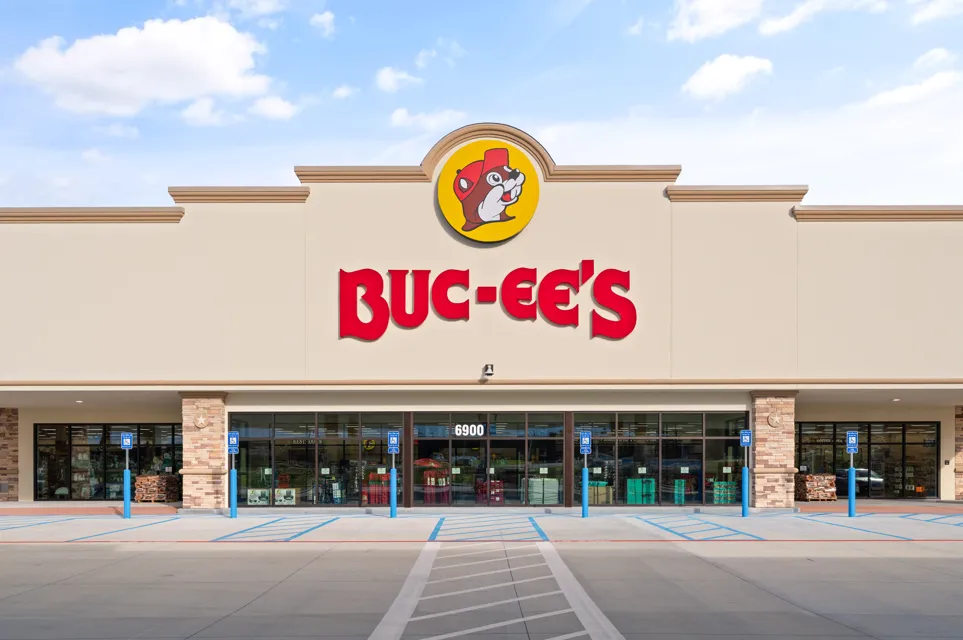
這次開幕再次凸顯Buc-ee’s的核心機制:把標語轉化為現金流。74,000平方呎與128支油槍構成的實體不僅是休憩站,更是一套高頻度消費捕獲系統。官方宣稱的乾净便所、鮮美食材與友善微笑,本質上皆是降低轉換成本的工具。隨著第57家店門啟動,該模式在德州內部已達到穩態,並正藉由I-35走廊向南延伸,將標準化的利潤空間滲透到競爭對手尚未跟進的縫隙。
對於營運數字的表面讀取往往遮蔽其背後的動態控制邏輯。74,000平方呎的空間容納128個燃料點,並非偶然的規模擴張,而是針對州際車流峰值進行的精密容量配置。提供的德州燒烤、手工軟糖、korache、Beaver Nuggets與即食點心,構成一個已驗證的消費引力模型。超過200個職位與高於時薪的起點、附帶三週帶薪假期的福利包,不僅是人才招聘,更是對競爭對手的預先封鎖,確保關鍵站點的人力穩定。
商業邏輯的深層變化在於空間與資本的重新佈局。將這樣一個巨量資產前置到I-35的關鍵節點,本質上是在既有德州網絡與持續擴張的跨州版圖之間填補容量真空。官方與當地領導人的剪彩儀式並非形式主義,而是向市場傳達可執行的承諾,使城市與郡議會主動融入生態。長期戰略並無新產品或新夥伴關係的突破,只有不斷複製行之有效的坪效模型,藉由更多平方呎、更多油泵與更多在地薪資持續鞏固佔領。
地圖的演化正由單一巨站逐步推進,每一天的開幕都在重構競爭格局。當開啟車道與排隊購物的實際數據取代新聞稿的語言,市場力量將顯得更加清晰。競爭對手能複製燃油數量或korache菜單,卻難以在短時間內匹配這一站的規模與用工底線。投資者與消費者真正應該關注的,是於8月12日之後駐足觀察油泵前的車輛密度與糖果櫃前的長度,這些行為信號將揭示商業實力的真正位移。

紅海封鎖見真章:8艘沙烏地油輪折返,胡塞武裝為何能拿捏海上命脈?
8艘沙烏地阿拉伯油輪在紅海被迫折返出發港。這不是虛張聲勢,而是胡塞武裝對海上航道控制權的實質性展示。紅海是全球石油運輸的關鍵咽喉。每一次航道受阻,都牽動著全球能源供應的神經。此次事件讓市場再度意識到,胡塞武裝的封鎖並非紙上談兵。它能直接影響能源貿易,成為有效的制約手段。供應鏈從業者開始擔憂。若封鎖持續,油價波動與運輸成本攀升將成為常態。
還原事件時間線,細節清晰無誤。7月20日,胡塞武裝宣布對沙烏地阿拉伯實施海上封鎖。7月23日,聲稱用導彈與無人機擊中兩艘違反禁令的沙烏地油輪。7月25日,沙烏地領導的聯軍對葉門荷台達省的胡塞軍事目標發動報復性打擊。7月31日,胡塞發言人Yahya透過社交媒體發布聲明。他強調正在鞏固「以封鎖反制封鎖」的策略,並確認已有8艘沙烏地油輪被迫改道折返。雙方動作節奏緊密,軍事回應與海上攔截形成對峙循環。
目前雙方陷入惡性循環。你打我船,我炸你岸,卻都無法徹底掌控紅海航道。沙烏地的軍事打擊未能癱瘓胡塞的海上攔截能力。胡塞則透過持續擾亂航運,保持談判籌碼。未來若沒有外交介入,封鎖將持續升級。更多油輪會被迫改道,全球能源供應鏈的脆弱性將進一步暴露。唯一的破局點,是雙方放下軍事對峙,透過談判解決核心分歧。否則紅海的航道危機,將成為長期區域動盪的導火索。