
月份: 2026 年 9 月

五角大樓將星大清洗:赫格塞斯再砍兩成將官,這是瘦身還是聽話測試?
(SeaPRwire) -
這不是裁員,這是點名。赫格塞斯在匡提科陸戰隊基地宣布再砍百分之二十的將官職位,等於把去年那波一成的縮編直接翻倍。我在華府跑了十幾年軍事預算線,很少見到國防部長用這種速度動將官的飯碗。表面理由是精簡層級,實際效果是讓現任將領人人自危。當你的晉升階梯被抽掉五分之一的踏板,剩下的人自然學會看臉色行事。
先看硬事實。根據Fox News的報導,各軍種被下令在二〇二七年一月一日前完成縮編,部分職位會被降編而非全數裁撤。這是第二波。去年赫格塞斯已要求現役部隊砍掉兩成四星上將,國民兵系統同步削減兩成高層。那些縮編是否全部落實,至今沒有公開答案。時間表擺在那裡,但執行進度是個黑箱。
再看人事震盪。自赫格塞斯宣誓就任以來,至少二十名軍方與文職領導層被撤換或自行請辭。陸軍部長德里斯科在與部長關係緊張的傳聞中辭職。赫格塞斯在備忘錄裡說,裁減是要消除「冗餘兵力結構」,防止「不必要的官僚層級」。他去年五月還強調這不是整肅高官,而是與參謀首長聯席會議審慎協作的結果。
但國會山的反應出賣了另一種敘事。共和黨眾議員馬西本月已對赫格塞斯提出彈劾條款,內容牽涉伊朗戰爭的處理。同黨參議員提力斯在德里斯科辭職後公開開砲,說他從未見過對服役官兵如此無能的管理,並敦促總統換人,找個能留住軍事人才而非削弱人才的五角大樓掌門。連自家人都這樣說話,問題就不只是民主黨的反彈。
這背後的利益算盤不難讀。將官職位減少,意味指揮鏈向部長辦公室集中。降編的職位由誰填、怎麼填,全看文官體系意志。對白宮而言,一支將領更少的軍隊更好掌控,也更便宜。對國防承包商與軍種遊說圈來說,熟悉的將官人脈消失,等於多年經營的採購關係重新洗牌。真正的輸家是那些熬了二三十年、正等著掛星的校官群。
下一個被降編的職位名單送出之前,五角大樓走廊裡最先遞出的會是退役申請,而不是作戰計畫。
兩週通牒、17億桶石油與漢堡的法庭:Milei為什麼挑此刻對倫敦出牌
(SeaPRwire) -
福克蘭群島,阿根廷叫它馬爾維納斯群島。這個名字吵了將近兩個世紀。1982年那場74天的戰爭打完了,歸屬沒解決。這次的引爆點不在甲板上,在鑽井平台上。阿根廷總統 Javier Milei 在週一設下兩週期限,要的不是談判,是停工。如果 Sea Lion 離岸油田不喊停,布宜諾斯艾利斯就上法庭。地點選在漢堡,國際海洋法法庭。這個選擇本身就很說明問題。他繞開了主權,改走《聯合國海洋法公約》這條路。因為主權那條路,兩百年來沒走通過。群島距離阿根廷海岸大約300英里,英國管了快兩百年,阿根廷從沒接受。真正讓這裡的神經繃緊的,是英國與以色列資本已經在爭議海域推進開採。美國總統 Trump 在八月下旬又補了一句。他說美方正在檢視對這場主權爭議的中立立場。這句話在南大西洋,比一艘巡防艦還響。舊僵局沒有解開,只是換了一個更貴的計價單位。
先把事實排清楚。Sea Lion 位於北馬爾維納斯盆地,該盆地估計蘊藏17億桶石油。開發方是英國的 Rockhopper Exploration 與以色列的 Navitas Petroleum,兩家公司都說自己持有合法執照。英國外交部發言人對《TIME》的回應很硬。他說這些最新威脅,是想剝奪福克蘭島民追求自身經濟發展、決定自身未來的權利。他又說,首相 Andy Burnham 的立場很清楚,英國對島民自決權的支持不會動搖,也一定會捍衛。2013年的公投給了倫敦底氣。投票率92%,其中99.8%支持留在英國統治之下。群島自1833年起由英國治理,1946年起被列入聯合國非自治領土名單。阿根廷走的是另一套法理。日內瓦國際與發展高等研究院國際法榮休教授 Marcelo Kohen 指出,兩週期限對應的是程序。阿根廷必須先給英國兩週,要求對方接受它提出的臨時措施。英國若不配合,阿根廷才會把案子送進漢堡。屆時雙方出庭,口頭辯論,法庭再決定英國是否必須停止油氣開採。這條路阿根廷走過。2012年10月,迦納扣押阿根廷海軍訓練艦,阿根廷提起仲裁,法庭一致要求迦納放船。但專家提醒,這個法庭過去已表明,領土主權爭議不在它的管轄範圍。壓力也在別處累積。九月上旬,Milei 宣布制裁在該區域作業的石油公司。九月十五日,阿根廷外交部說已向30個國家的個人與法人發出約180份警告與風險評估通知,並提出三宗刑事告訴,涉及10家公司及其董事。Milei 上週在紐約聯合國大會的演講更直接。他稱聯合國是「無用的組織」,唯一用途是供養一批「極度傲慢的寄生蟲」,假扮成善意的官僚。他重申,Sea Lion 是在阿根廷大陸棚上、依英國執照推進開採,而阿根廷認為那些執照非法且不正當。Trump 則在八月下旬於橢圓形辦公室對記者說,美國正在檢視立場,「我向來檢視每一種立場,這只是其中之一」。
法律戰打不到主權,但打得到資金成本。這才是 Milei 這張牌真正的落點。阿根廷把問題框成「去殖民化案例」。Kohen 說得很清楚,布宜諾斯艾利斯認為自決原則在這裡不適用。它援引1965年的聯合國決議,那份文件要求雙邊談判、顧及島民「利益」,卻沒有明講自決。紐卡斯爾大學人文地理學者 Matthew Benwell 的判斷更冷。他說這是倫敦與布宜諾斯艾利斯之間「持續的單向辯論」,而且主要來自阿根廷。兩套法律語言彼此不相容。漢堡的法庭再怎麼判,也拆不開這個結。島民靠英國提供國防與外交,政黨光譜一致支持自決權。阿根廷則年年把這個議題當成國內動員的旗子,前幾任總統都一樣。所以看點不在判決,在成本。對倫敦而言,風險是保險條款、專案融資與股東集體訴訟。對布宜諾斯艾利斯而言,代價是與西方能源資本的關係,以及跟華盛頓之間那種說不清的曖昧。它可以發180份通知,可以把10家公司和董事告上法庭,可以讓30個國家的相關實體重新評估曝險。這些動作不會讓英國歸還群島,但會讓 Sea Lion 的每一桶油多背一層不確定性。拖個幾年,油田照鑽,判決未必能執行。真正的槓桿從來不在漢堡的法庭席上,而在合約的違約條款裡。兩週的期限不會決定群島的歸屬。它只會決定 Sea Lion 下一輪融資的利率。等風險溢價被寫進合約,判決還沒下來,帳已經先算完了。

當孩子說「我討厭我的肚子」,別急著說「你很棒」
(SeaPRwire) -
當孩子從學校回家,說同學嘲笑她「胖」,說班上的每個人都比她好看——幾乎所有父母的第一反應都是脫口而出的「你很美」「你很棒」。這種本能來自善意。但它實際上關上了對話的門。兒科醫生Dr. Whitney Casares說得直接:這句話等於在告訴孩子「不要感受你現在感受的東西」。你想讓對話繼續,卻親手把它掐斷了。更棘手的是,孩子能感覺到那種敷衍。她的痛苦被一個甜膩的標籤貼住了,然後被壓回原處。
專家給出的處方並非不假思索的安慰。Casares建議的第一步是「Tell me more about that」——「再多告訴我一些」。先搞清楚觸發點是什麼。是同學的惡意報告?是社交平台上看到的影像?還是青春期身體變化帶來的陌生感?不同的觸發點需要不同的回應方式。Rutgers University心理學教授Charlotte Markey補充了第二步:「I can see why that would have been really upsetting」——「我能理解這會讓你很難過」。這句話的關切在於驗證情緒而不附和負面判斷。Markey強調,讓孩子自己推導出「那個人說錯了」,比父母反覆說「你很漂亮」要有力得多。畢竟,你是她的父母,你當然覺得她漂亮。那個「當然」正是讓孩子懷疑的來源。
Washington, D.C.臨床心理學家Giulia Suro提供了另一個關鍵視角。面對孩子問「我是不是胖」,她建議不要條件反射式地說「不」。她說,「不」這個字其實強化了「胖」是一件需要害怕的事。取而代之的做法是追問這個詞對孩子意味著什麼,以及他們從哪裡學到這個詞的負面聯想。你可以承認體型差異的存在,但不把其中任何一種定義為更好的版本,也不承諾孩子以後會變瘦。Suro還提出了一個極其實用的框架:當孩子說出「我的肚子很噁心」或「我看起來糟透了」時,不要急著反駁。她說「That sounds like a mean thought」——「那聽起來是個很刻薄的念頭」。這個措辭讓孩子和那個想法之間產生了距離。這不是客觀事實,也不是必須接受的判決,只是大腦產生了一個念頭。然後追問這個念頭會讓人想做什麼——翹課?換衣服?退出社團?遠離朋友?目標是讓孩子注意到,苛刻的念頭不該替他們做決定。「我們希望行動永遠基於我們在乎的事、我們的價值觀、熱情和動機,」Suro說,「而不是批判性的想法,我們真的不願意給它們那麼大的權力。」
Hilltop Behavioral Health創辦人Brian Pollack給出的最後一個工具可能是最反直覺的:「What did your body do today?」——「你的身體今天做了什麼?」走狗了嗎?和朋友大笑了嗎?踢了一場足球?搭了一個樂高城堡?這個問題把注意力從鏡子轉向功能。身體不是為了展示而存在的。身體是行動的工具。對於玩運動的孩子尤其如此。與其讚美他們剛長出來的腹肌,不如把焦點放在他們的身體如何讓他們參與自己喜歡的事情上。幫朋友做了件事、做了一件手工、和朋友連了心——這些都算。父母真正需要做的不是當一個永遠說「你很美」的濾鏡。你需要當那個願意問「再多告訴我一些」的人。孩子向你開口本身就是最大的信號。別用一句「你很棒」把它關在門外。
川普撤銷Title IX保護令:一場殘酷卻無效的政治表演,真正的戰場根本不在白宮
(SeaPRwire) -
這是一道精心計算過的政治煙霧彈。跨性別者僅占美國人口約百分之一,卻成了選舉動員的廉價燃料。川普政府本週宣布撤銷拜登時代的Title IX法規,姿態做足,聲量拉滿。但拆開包裝看,這場公告的法律效力幾乎為零。它改變不了任何一所學校正在執行的標準。殘酷是真實的,效果卻是虛空的。
先把時間線擺清楚。2024年,拜登政府推出Title IX新規,明確禁止基於性傾向與跨性別身分的歧視。這套法規在法院被擋下,從未生效。聯邦政府於是退回2020年由時任教育部長Betsy DeVos發布的舊規則。川普本週的動作,只是把現行執行中的DeVos規則重新「正式化」一遍。換句話說,現狀沒有改變分毫。
再看法律邊界。行政部門無權重寫Title IX,這部1972年的法律依然禁止教育領域的性別歧視。最高法院早已裁定,歧視同性戀者或跨性別者,本質上就是基於性別的歧視。除非最高法院改口,這條命題仍然有效。今年最高法院僅在運動賽事這個零和場域,允許州政府與學校排除跨性別女性參加女子組。注意用詞,是「可以」,不是「必須」。
真正的權力槓桿不在華府的記者室,而在各州與地方教育官員手上。體育之外的聯邦與地方保護條款依然完整、可執行。學校若選擇退縮,純粹是自我審查,而非法律所迫。這正是公告的潛台詞:製造寒蟬效應,用最小的法律成本,換取最大的恐懼紅利。懂門道的學區律師都看得穿這層紙。
數據講的是另一個故事。一項針對2,800名LGBTQ學生的調查顯示,68%曾因跨性別身分遭遇騷擾或攻擊,62%因性傾向受害。2024年大選後的追蹤焦點團體,更記錄到「敵意、霸凌與騷擾」顯著攀升。政策修辭每拉高一個分貝,校園走廊裡的真實代價就重一分。脆弱群體被政治條件推向更脆弱的位置。
所以結論很簡單。白宮可以簽無數份公告,但法律的現狀不動如山,而保護跨性別學生的開關,始終握在地方官員的手心裡。
When a Knife Reaches the Cockpit: Flydubai’s Route Freeze and the Hard Limits of Middle East Air Security
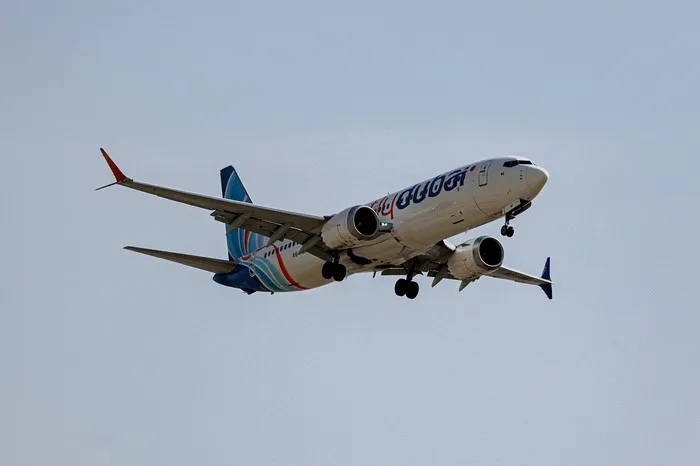
SeaPRwire – A single blade in the flight deck is enough to freeze an entire air corridor. That is the reality now facing flydubai after the events of 30 September. Flight FZ1073 left Dubai bound for Tel Aviv. Somewhere over the route the co-pilot allegedly drew a knife and stabbed the captain. The aircraft went into a sudden descent. Crew and passengers fought back, subdued the attacker, and restored control. The plane diverted and landed safely in Tabuk, Saudi Arabia. Within hours the airline suspended every flight between Dubai and Israel. The decision was not taken lightly. It was coordinated with the relevant authorities. Yet the speed of the response tells its own story. One cockpit breach was judged serious enough to ground an entire network of services. Regional air links that had only recently resumed still sit on thin ice. Security planners already knew the risks. Now the risks have a concrete case file attached.
The official sequence is clear and limited to what has been stated. On 30 September flydubai issued its statement. The suspension of all flights to and from Israel would remain in place while the investigation continued. The airline said it would stay in close contact with government departments, regulators and airport operators. It would review the decision as further information became available. The company expressed regret to passengers whose plans were disrupted and said it was working to provide assistance and alternative arrangements. According to accounts from the Emirates side, the first officer is alleged to have attacked the captain with a knife while the aircraft was en route to Tel Aviv. The sudden drop in altitude followed. Other crew members and passengers overpowered the assailant. Control of the aircraft was regained. The flight diverted and touched down without further incident at Tabuk. The UAE Civil Aviation Authority confirmed that some crew members were injured. The 174 passengers later continued their journey to Tel Aviv on a different flydubai aircraft. The same authority opened a formal investigation. That probe covers both the operational conduct of the flight and the security arrangements that allowed the incident to occur.
Any suspension of this scale carries immediate commercial weight. Passengers must be rebooked. Aircraft and crews are left idle on a route that had been rebuilt with care. The airline’s own statement makes plain that the freeze is temporary and subject to review. Still, the bar for lifting it will be high. A knife reached the flight deck. That fact alone demands answers about screening, cabin access and the procedures that are supposed to keep the cockpit sealed. The investigation now under way will have to establish how the weapon entered the aircraft and how the confrontation escalated so quickly. Until those questions receive credible replies, the flights stay grounded. Other carriers operating similar routes will watch the findings with interest. A single failure of this kind can reshape risk calculations across the region. The practical response is straightforward. Complete the investigation with full transparency. Close whatever gap allowed a knife into the cockpit. Only then restore the service. Anything less leaves the same vulnerability open for the next flight.
Swapboxo Wants to Fix the Messiest Corner of Collecting: The Trade Itself
SeaPRwire – The blind box trade has a trust problem, and no amount of cute packaging hides it. You buy a sealed case, you chase a secret edition, you finally land the one you wanted. Then you try to sell the duplicate. That is where the story usually falls apart. Some stranger on the internet wants proof it is real. You want proof they will actually pay. Nobody wants to move first. Swapboxo is building a marketplace that tries to sit in the middle of that standoff.
The company is based in Taguig, Philippines. Its stated plan is simple on paper. Build a dedicated venue for collectible toys and blind boxes. Let people buy, sell and trade. Add authentication, escrow payment, pricing data and order tracking. The operator behind the site is identified as SWAPNILA TRD CORP. That is the official version. Here is what the press release actually commits to, and here is what it leaves hanging.
On the record, Swapboxo describes three core activities: buying, selling and trading. It says authentication is built into the transaction process for applicable products. It says payments run through an escrow-based system. It says listings come with market information and pricing tools. It says sellers get listing tools and access to buyers worldwide. It says buyers get bidding, payment protection, authentication and order tracking. It maintains a newsroom for updates, releases, community events and company announcements. All of that is published by the company itself.
The subtext is where it gets interesting. Authentication sounds great until you ask who does it. The release says “professional authentication” but never names a partner, a lab, a standard or a turnaround time. Escrow sounds great until you ask who holds the money and for how long. Pricing tools sound great until you ask where the data comes from. A marketplace that grades its own cards is still grading its own cards. Collectors have learned this the hard way on other platforms.
Consider a real scene. Two collectors meet at a hobby shop in Manila. One has a limited release the other has chased for months. They both pull out phones. They both check recent sold prices. They both hesitate. The seller wants cash now. The buyer wants to open the box first. A neutral counter with a reputation on the line solves that in five minutes. An app solves it in five days, maybe. That gap is the entire business.
The structural bet here is not new. It is the same bet eBay made, the same bet StockX made, the same bet every niche vertical makes. General marketplaces are bad at specialized trust. So specialists carve out a lane. Swapboxo is carving a lane in collectible toys and blind boxes. The lane is real. The demand is real. The secondary market has grown into a global trading ecosystem, as the release notes. Limited editions and hard-to-find items move across borders constantly.
The hard part is not the lane. The hard part is liquidity. A marketplace with authentication and escrow and pricing data costs money to run. That money comes from fees. Fees need volume. Volume needs both sides to show up at once. Swapboxo says it connects collectors worldwide. It says it offers product discovery and recommendation features. That is the standard pitch. Whether it has the supply to make discovery useful is not addressed.
Then there is the regulatory layer. Escrow is a regulated activity in many jurisdictions. Holding funds for strangers across borders invites licensing questions. The release does not mention compliance, licensing or which markets it operates in. That is not a small omission. It is the kind of thing that determines whether a marketplace can actually move money or just talk about moving money.
None of this means Swapboxo fails. It means the press release is a promise, not a proof. The company has clearly thought about the right pain points. Authenticity, pricing opacity and transaction risk are exactly what slows collectible trading down. Solving them well is worth real money. Solving them halfway is worth a lawsuit and a dead community.
The tell will be in the details nobody puts in a press release. Who authenticates. Who holds the escrow. What the fee is. Which countries can actually use it. How disputes get resolved. Until those answers are public, Swapboxo is a well-drawn map of a territory nobody has walked yet. Collectors should watch the newsroom. That is where the real story will show up, one policy update at a time.
The Last Boots Are Out: Iraq Reclaims the Flag, But the Real Tests Begin Now
SeaPRwire – Twenty-three years after the invasion, the last American troops are leaving Iraq. On 30 September President Trump posted the news on Truth Social. He said he was glad to announce the final units were withdrawing. The Pentagon followed with its own statement. Coalition forces and equipment left Erbil Air Base in an orderly fashion. The military mission against Islamic State was declared complete. From this point the Iraqi government carries primary responsibility for its own security challenges, including residual Islamic State elements. The exit looks clean on paper. The anxiety starts the moment the last aircraft wheels up. Iraq now owns every remaining threat without the same external buffer it has relied on for two decades.
The timeline is fixed by the public record. The United States invaded in 2003. By the end of 2011 most forces had left, leaving only a small residual presence. Islamic State seized large parts of the country in 2014 and the international coalition returned in force. In 2024 Washington and Baghdad agreed a two-phase transition to end the coalition’s military mission. In January of this year troops and equipment left Al-Asad Air Base in Anbar province. That facility was handed to Iraqi security forces. Remaining coalition elements concentrated in the northern Kurdish region. Withdrawal accelerated in September. Iraq reclaimed restricted airspace previously used for military operations and opened it to civil aviation. The United States transferred its diplomatic support facility at Baghdad International Airport to Iraqi control. Personnel and equipment continued to leave Erbil. On the streets of Baghdad some banners now read “reclaim decision-making power, build the homeland.” The government declared a four-day holiday from 30 September to 3 October and named it Sovereignty Day. Local voices reflected the official mood. One resident called the departure a moment of national significance because Iraq could now decide its own positions. An Iraqi economist said the exit would help the reconstruction process because the country’s own people and institutions would drive it.
The practical costs and unfinished business remain visible in the same public statements. On 28 September the Peshmerga Affairs Department in the Kurdish region reported that the area had suffered more than one thousand drone and ballistic-missile attacks during the US-Iran confrontation earlier this year. With American forces gone and no defensive systems left behind, the statement called the situation worrying. Inside Iraq the process of bringing Shia militia groups under unified state control has already been extended. Prime Minister Zaidi said the groups would stop armed activity in phases and hand over weapons, with the target date set for 30 June 2027. Financial leverage also persists. Iraq’s oil revenues are denominated in dollars and managed through an account at the Federal Reserve Bank of New York. In recent years the United States has used tighter dollar-transaction reviews and restrictions on certain Iraqi banks to shape the financial system. The coalition’s military mission is over. The security, internal-control and financial tests are not. Iraq must now meet them with its own resources and its own political decisions. That is the measurable outcome of 30 September.
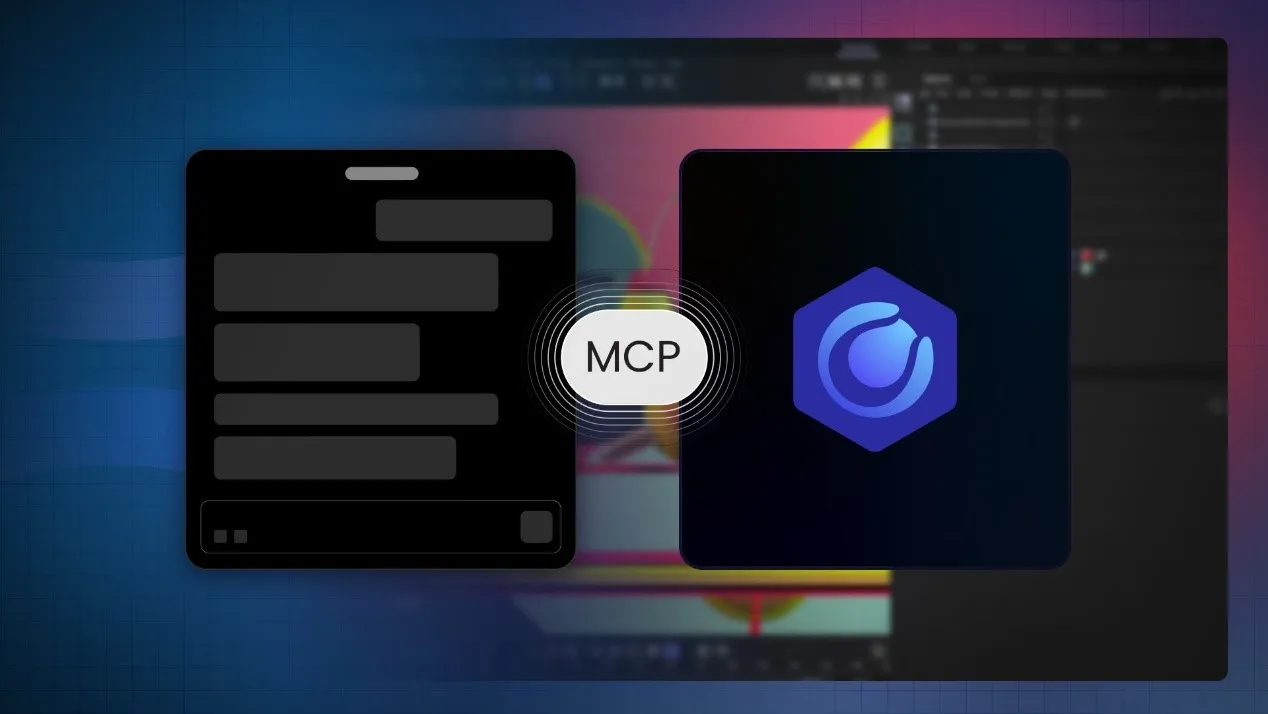
Cinema 4D Hands Artists the Chores: MCP Lets Claude and ChatGPT Work Inside the Scene
SeaPRwire – Artists still spend hours on hierarchy cleanup, multipass setup and basic tracking. Maxon just opened a local channel so Claude or ChatGPT can take those chores. The artist stays in the driver’s seat. Every change lands as native Cinema 4D data that can be inspected, refined or undone.
Maxon announced built-in Model Context Protocol support for Cinema 4D on 30 September 2026. The new Cinema 4D MCP server lets artists use natural-language instructions to direct Claude, ChatGPT or Codex AI assistants securely inside Cinema 4D workflows. The design keeps artists in control. AI assistants work interactively so artists can review, refine and iterate on the results as they go. CEO David McGavran said the idea is simple: artists retain control while handing off any tasks they consider a chore. MCP support makes Cinema 4D more powerful without taking the creative process away from the artist. Countless small technical and repetitive tasks stand between artists and the work that requires their taste and judgment. The feature gives them more freedom to explore, iterate and take on greater creative complexity while preserving the craft and creative intent that only the artist can bring. The implementation supports procedural, iterative and repetitive work. Artists can enlist Claude or ChatGPT with natural-language instructions to organize hundreds of imported objects into a consistent hierarchy, create object and material variations, prepare multipass renders, organize scenes, and handle basic 3D camera tracking, UV mapping, rigging, animating and more. Every action happens through Cinema 4D’s own tools, in the artist’s own scene, on their own machine, under their control. Results remain native Cinema 4D scene data. Artists can inspect what was created, refine or undo it, and continue building directly in Cinema 4D. The connection runs locally on the artist’s computer. Separate opt-in is required to work with other machines on the network. The MCP server is protected by an MCP adapter access token. Artists choose which groups of Cinema 4D tools their assistant is permitted to use. Users can also control Python execution for workflows where code execution is not required. Actions run through Cinema 4D’s own API. Each batch of MCP-driven changes appears broken down in the undo history. Commands are written to a local audit log that shows what the assistant has done. For studios and enterprise teams the adapter access tokens, configurable permissions and audit logging supply the visibility and oversight needed to evaluate MCP use against production and security requirements. The Cinema 4D MCP server is switched off by default and must be proactively enabled. Support is available beginning today in Cinema 4D 2026.4 or later on Windows and macOS. No additional installs are required to activate the connection. Maxon develops software for 2D and 3D design, motion graphics, visual effects and visualization. Product lines include Cinema 4D, Red Giant, Redshift, ZBrush and Autograph.
Official language frames the feature as chore offload under artist control. The practical mechanism is a local MCP server that routes natural-language commands through Cinema 4D’s own API and tools. Changes stay native, undoable and logged. Tool permissions and optional Python control sit with the user. Default-off status and access tokens address studio security requirements. The commercial loop runs from the known burden of repetitive 3D tasks through a built-in channel that keeps the creative decision with the artist to higher throughput without surrendering the scene file.
The closed loop is already defined. Routine work can be delegated. Creative judgment stays with the human. The practical test is direct. Enable MCP on a production scene. Grant limited tool groups. Hand the assistant a hierarchy or multipass task. Inspect the undo stack and the audit log. If the result is usable native data that the artist can refine in minutes, the chore-offload claim holds.

駕駛艙裡的刀光:當「不可能發生」的劇本在飛往特拉維夫的航班上真實上演
(SeaPRwire) -
民航安全體系花了二十年時間,把駕駛艙打造成一座空中堡壘。911之後,加固艙門、雙人進出規則、航段心理篩查,每一道程序都假設威脅來自機外。然而Flydubai這架FZ1073航班撕開了一個沒人願意直視的假設:如果威脅本身坐在駕駛艙裡呢?按照以色列總理納坦雅胡週三的說法,這架從杜拜飛往特拉維夫的班機上,副駕駛涉嫌持刀刺傷機長,並「顯然」試圖讓整架飛機墜毀。這不是空難調查報告,而是一場正在進行中的政治與安全風暴的起點。注意用詞的微妙之處:內塔尼亞胡親口用的是"apparently",指控仍是待證實的版本,而非定讞的事實。
先還原官方敘事的前半段。內塔尼亞胡在辦公室發布的影片聲明中描述,飛機接近以色列空域時,其中一名飛行員刺傷了另一名飛行員,並試圖讓載滿乘客的飛機墜毀。他轉述一名以色列乘客的話:飛機陷入螺旋、開始下墜,這名乘客與機組人員設法闖入駕駛艙,合力制服了行兇者。Flydubai的官方聲明則措辭克制得多,只確認飛機被「當時正在搭乘該航班的在職Flydubai機組人員成功控制住」,所有乘客與機組人員均安全無恙。航空公司同時強調,事件的根本原因與動機目前仍屬未知,有待正式調查。官方文本在這裡刻意留白,把定罪的空間留給了程序。
後半段的事實同樣關鍵。飛機最終安全降落在沙烏地阿拉伯,涉案副駕駛將由沙國當局訊問。這個細節的地緣含義遠比表面複雜。一架阿聯酋航空體系的班機、一條飛往以色列的航線、一個由沙烏地主導的調查,三個行為者被同一根駕駛艙艙門拴在了一起。內塔尼亞胡高調稱讚介入者為「英雄」,稱他們「展現了非凡的機智」並「拯救了許多生命」。讚美乘客當然無可厚非,但一位總理在調查啟動前就親自定調敘事,本身也是一種政治動作。阿拉伯聯合大公國與以色列之間的直航,是亞伯拉罕協議最具象的日常成果,如今這條航線的駕駛艙裡出了刀,象徵層面的殺傷力不亞於事件本身。動機未明之前,任何把事件直接掛上特定意識形態的解讀,都是搶跑。
地緣政治的鐘擺從來不等人。短期內,海灣國家與以色列之間的航線不會中斷,商業利益與外交資產都太重。但機組人員的背景審查、交叉派遣的心理評估、跨國聯合調查的資訊共享,將成為下一輪角力的實質內容。真正值得盯住的,是沙烏地訊問結果公布的那一天,各方選擇公開多少。

女版NBA熱鬧,但一半女孩連場都進不去: Title IX睡了五十年,我們還在自嗨
(SeaPRwire) -
WNBA票房創新高、NWSL贊助商的報價單一年比一年厚。鏡頭前是冠軍戒指與簽名支票。鏡頭後,有一道看不見的門正在關上。
Women's Sports Foundation的最新報告,給出了最直白的數字:54%的8到18歲女孩從沒打過組織性運動,但同樣比例的她們說自己願意。她們不是沒有興趣,是被擋在門檻之外。更刺眼的是,家長花在女孩運動上的錢,比男孩更多。興趣不缺、花銷不低,缺的是場地和機會。
報告同時敲出一個更令人不安的訊號:在整個人才管道中,只有大專階段的評價是負面多於正面。職業聯賽的繁榮是事實,但大學階段才是那條承上啟下的橋。橋若變窄,頂層的熱鬧就是泡沫。
另一組數據讓整件事變得像一場制度性的失憶。實施超過半个世纪的Title IX,79%的女孩從未聽過,超過一半的家長也不知道。當權益本身都沒有被記住,誰來繼承它?近半產業領袖已把Title IX的回撤視為最大威脅,這不是杞人憂天。
我在追蹤各州高中體育經費分配時看過一種模式:資金往已有績優校區集中,新社區的場地和教練預算逐年縮減。女孩報名的人數增長很快,但接納容量的增長很慢。這就不是意願問題,是基礎設施問題。
解決方式不需要宏大敘事。把Title IX寫進學校家長手冊、把場地與教練數量和報名人數掛鉤、在大學體育補償新規則落地前設一道性別比例的红線。政策不是新聞稿,是把門留開的機制。

當CDC選擇沉默:一場被「重新定義」的麻疹疫情,正在撕開美國公共衛生的底層裂縫
(SeaPRwire) -
疫苗接種率跌破群體免疫門檻,本該是公共衛生體系拉響最高級別警報的時刻。但在美國,負責發出警報的那個機構選擇了閉嘴。這篇文章的作者曾任CDC高層,他的指控令人不寒而慄:今年秋天開學季,麻疹正以三十五年未見的規模蔓延,兒童已經死亡,喬治亞州一家托育中心一個月內就有十名兒童感染。而CDC在X平台上的開學提醒是睡眠、運動、健康午餐和霸凌。唯獨少了往年必有的那句話——讓孩子按時接種常規疫苗。這不是疏忽,是一種經過計算的退場。一個國家級防疫機構,在數十年來最大的麻疹復燃期間,主動放棄了它最核心的話語權。這在美國公共衛生史上沒有先例。
官方層面呈現的是一套「程序性」說辭。HHS和CDC聲稱正在「明確定義」麻疹死亡病例,待審查完成後更新數據。賓州通報的四例麻疹相關死亡,起初完全消失於聯邦儀表板。八月底CDC一度貼出其中兩例,加註星號稱「正在審查更多資訊」,隨後又無解釋地撤下。到九月二十八日,儀表板上只剩兩例,且不標註州別。HHS部長小羅伯特·甘迺迪甚至公開質疑賓州的死亡通報是否為虛構。但事實的另一面是:賓州對每一例死亡都做了調查,並通過沿用多年的全國法定傳染病監測系統上報。賓州的「麻疹相關死亡」定義本身就排除了與麻疹感染無關的死亡。兩位國家衛生統計中心前負責人已公開在STAT撰文警告,新的分類和統計方式只會延誤通報、加深公眾對疫情嚴重性的誤解。
數據爭議背後的真實意圖並不難讀。當統計口徑不斷漂移、定義系統反覆翻新,疫情規模就變得可以被「技術性」縮小。這正是問題的核心:聯邦官員沒有解釋目前在計算哪些死亡、決策如何做出、為何改動各州使用多年的通報系統。同一週,家庭們急需關於疫情的清晰指引,甘迺迪卻出席了他曾領導的反疫苗組織「兒童健康防禦」的會議。聯邦層面反覆把溫吞的接種建議,與關於疫苗成分、胎兒組織、免疫衰退的影射和不實資訊捆綁在一起。而地面的數字冷酷得多:全國幼兒園學童MMR覆蓋率在2025-2026學年再度下滑,約二十八萬名幼兒園學童在無接種紀錄的情況下走進校園。二十四個州的疫苗豁免率超過百分之五,意味著這些社區已失去阻止麻疹擴散所需的百分之九十五保護線。一劑MMR有效率約百分之九十三,兩劑約百分之九十七——工具早就存在,缺的是使用工具的意志。
代價是可以精確計算的。一名未接種學童暴露後通常需居家至少二十一天,學業、社交、家長工作全部中斷。每例麻疹平均耗費公共衛生系統五萬八千六百美元,用於接觸者追蹤與隔離。痊癒也不等於結束:「免疫失憶」讓孩子在未來兩三年更易感染其他疾病,約萬分之一的康復者多年後會死於亞急性硬化性全腦炎。賓州開設了近一百五十個快閃接種點、建立逐縣傳播儀表板、與驗屍官合作調查死亡——這才是真正的防疫。聯邦與州在公共衛生上的拉扯,最終不會以數據口徑之爭收場,而會以哪一級政府還握有公眾信任來定勝負。眼下,信任的天平正從華盛頓滑向地方。
從被唱片公司冷藏七年的棄將,到開場暖場也甘之如飴:Raye 的翻身局,揭開獨立音樂人時代最真實的商業算盤
(SeaPRwire) -
音樂產業最弔詭的一幕正在上演。一位擁有兩張口碑專輯、Spotify 單曲破十億串流的歌手,回頭去給 Bruno Mars 的巡迴演唱會暖場,面對七萬名根本不是為她而來的觀眾。Raye 自己都承認,有人盯著她看,臉上寫滿無聊。這不是落魄,而是整個產業權力結構翻轉後,藝人必須重新學習的生存姿態。獨立出來了,自由了,但流量池也得自己一寸一寸去挖。大廠牌時代那種坐享通路紅利的日子,回不去了。
把時間軸攤開看,事實相當清楚。Raye 本名 Rachel Agatha Keen,2014 年還是青少年就與 Polydor 簽下四張專輯合約。接下來七年,首張專輯始終發不出來,她只能替 Beyoncé、Charli XCX、John Legend 寫歌。2021 年她在社群媒體公開攤牌,宣告「不再當乖順的流行歌手」,隨後解約,由父母 Sarah 和 Paul Keen 共同經紀,轉為獨立藝人。2023 年首張專輯《My 21st Century Blues》串流突破二十億次,單曲「Escapism」靠 TikTok 加速版翻紅,拿下英國榜冠軍,接著是 2024 年全英音樂獎破紀錄的六座獎項與三項葛萊美提名。第二張專輯《This Music May Contain Hope》入圍水星音樂獎,主打歌「Where Is My Husband!」一年內串流破十億,她還登上了 2026 年 MTV VMAs 的舞台。
真正值得拆解的是她的商業迴路。離開廠牌體系,意味著行銷預算、電台通路、串流版面全都得自己張羅。Raye 的解法帶著濃濃的草根智慧。她在前男友最愛的 The Nightingale 酒吧門口,釘上一塊仿官方藍色紀念牌匾替新歌「Nightingale Lane」造勢,還笑著說酒吧至今沒拆。「獨立了就得有創意,嘗試不同的東西。」這句話聽來輕鬆,背後卻是殘酷的算式:沒有廠牌的資本槓桿,就只能靠話題、靠真實故事、靠與歌迷的直接連結去換取曝光。內容本身成了唯一的資產負債表。
再看她替 Bruno Mars 暖場的決定。換作五年前的當紅藝人,恐怕拉不下這個臉。但 Raye 看得很透:七萬人的體育場,是獨立藝人花錢也買不到的觸及率。被冷眼看待沒關係,那正是把陌生觀眾轉化為自己歌迷的最低成本管道。首張專輯處理創傷與療癒,第二張專輯談希望與重建,內容策略也從宣洩轉向陪伴,對準的是更廣的大眾情緒市場。
這個案例給產業的啟示很直接。廠牌的壟斷價值正在瓦解,但獨立不等於輕鬆,它把風險與行銷成本全部轉嫁回藝人身上。未來能存活的音樂人,必須同時是內容創作者與自己的營運長。至於還在觀望要不要脫離體系的藝人,先算清楚一件事:你有沒有父母能當經紀人,有沒有本事把一塊假牌匾變成全國新聞。
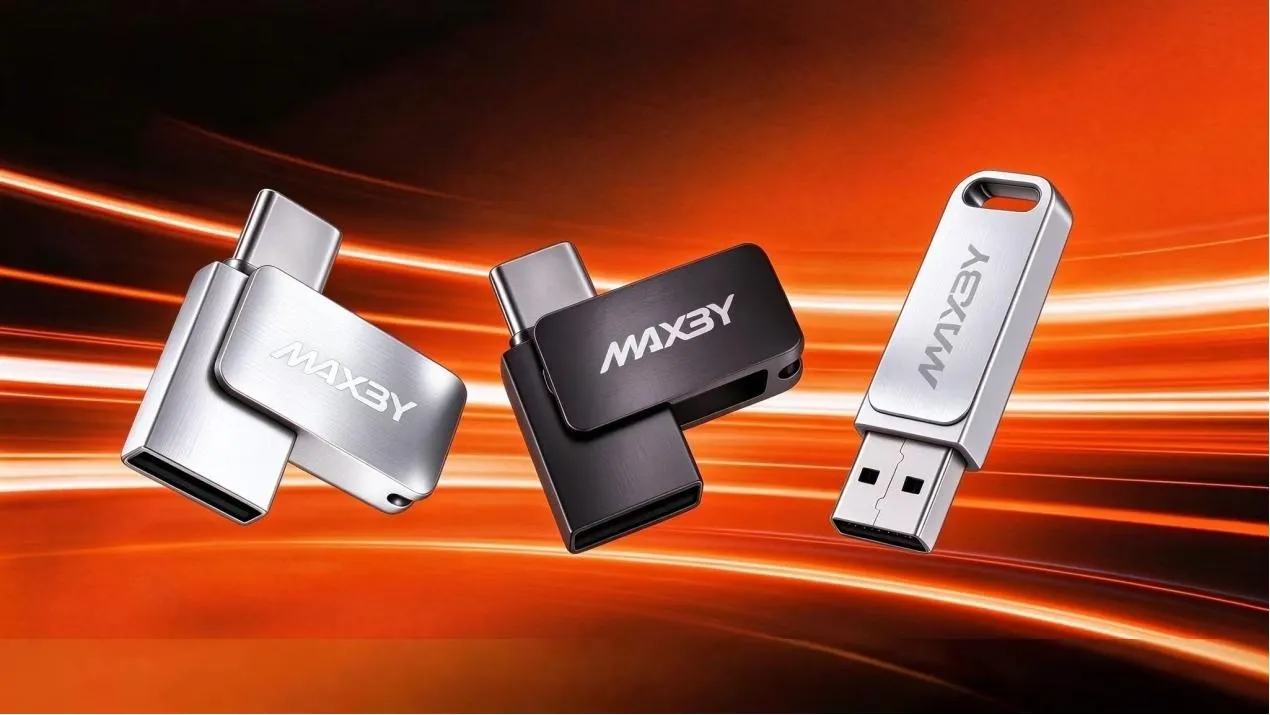
MAXBY Expands Portable Storage Lineup with New MU Series USB Flash Drives
September 30, 2026 – MAXBY, an emerging storage brand focused on practical and reliable solutions for modern digital explorers, announced the expansion of its product portfolio with the new MU Series USB Flash Drives, introducing the MU100 and MU150.
Following MAXBY’s entry into the global market with SSD and TF cards, the new MU Series extends the brand’s approach to portable USB storage. It will bring practical storage choices, USB 3.2 performance to digital users. The lineup is designed to meet different everyday storage needs, ranging from straightforward file storage and transfer to higher-speed data access and multi-device connectivity.
Two USB Drives for Different Everyday Needs
The new MU Series includes two models with distinct performance and connectivity options:
MAXBY MU100 USB Flash Drive – Designed for users who need faster portable storage, the MU100 supports USB 3.2 Gen 1 and remains backward compatible with USB 2.0. It is available in 32GB, 64GB, 128GB and 256GB capacities and offers a maximum read speed of 150 MB/s. The MU100 uses a single-head silver design and measures 66 × 16 × 7 mm.
MAXBY MU150 USB Flash Drive– Combining the same USB 3.2 Gen 1 standard and up to 150 MB/s maximum read speed with a significantly more compact 30 × 12 × 7 mm form factor, the MU150 adopts a dual-head design that integrates both USB Type-C and USB-A connectors directly into its slim, miniaturized chassis. This purpose-built all-in-one interface architecture eliminates the need for external adapters or dongles, delivering enhanced plug-and-play flexibility across a broad spectrum of devices: it pairs natively with classic USB-A ports on desktop PCs and older laptops, while also supporting modern USB-C ports on ultraportable notebooks, smartphones, tablets and OTG-compatible mobile devices. It is available from 32GB to 256GB, with both silver and black variants specified. Product packaging also shows dual USB Type-C and USB-A connectivity, making the MU150 particularly suited to users who regularly move files between different generations of devices.
Faster, More Dependable Portable Storage
For the MU100 and MU150, MAXBY combines USB 3.2 Gen 1 connectivity with storage technologies designed to support reliable everyday operation. Both models incorporate a built-in ECC error-correction engine to help maintain data integrity and support global wear leveling, which helps distribute storage usage across the flash memory. Both products are designed for portable as well as fixed applications.
The two USB 3.2 models use the exFAT file system, operate within a temperature range of 0°C to 70°C, and are specified for storage temperatures from -40°C to 85°C. MAXBY also provides a three-year replacement warranty for the MU100 and five-year replacement warranty for MU150.
Rather than taking a one-size-fits-all approach, the MU Series gives users a choice based on how they store and move their files. The MU100 increases transfer performance through USB 3.2 Gen 1. The MU150 adds a compact dual-head format intended for users working across different device interfaces.
Extending MAXBY’s Vision for Modern Digital Explorers
The addition of USB flash drives represents a natural extension of MAXBY’s growing storage ecosystem. The brand initially entered the market with products spanning PCIe Gen4 NVMe SSDs, SATA SSDs and TF cards, focusing on storage solutions that balance performance with practical everyday usability.
MAXBY continues to develop its products around its FIT principles — Friendly, Trusted and Intelligent. Rather than making storage technology unnecessarily complicated, the brand aims to offer products that can be easily used in various scenarios such as work, study, content creation, entertainment and everyday digital life.
With the introduction of the MU100 and MU150, MAXBY is broadening that philosophy into one of the most familiar forms of portable storage, giving users additional ways to carry their files, transfer data between devices and keep important digital content readily accessible.
MAXBY – Light up your digital world.
About MAXBY
MAXBY is an emerging storage brand dedicated to providing modern digital explorers with practical, reliable and user-friendly storage solutions. Guided by its FIT principles — Friendly, Trusted and Intelligent. MAXBY develops storage products intended to combine useful performance with straightforward everyday operation.
More information about MAXBY is available through Shopee, Lazada, Alibaba International and our official website: https://www.maxby.global/.
Media ContactRyan ChouEmail: info@maxby.globalWhatsApp: +852 55127271
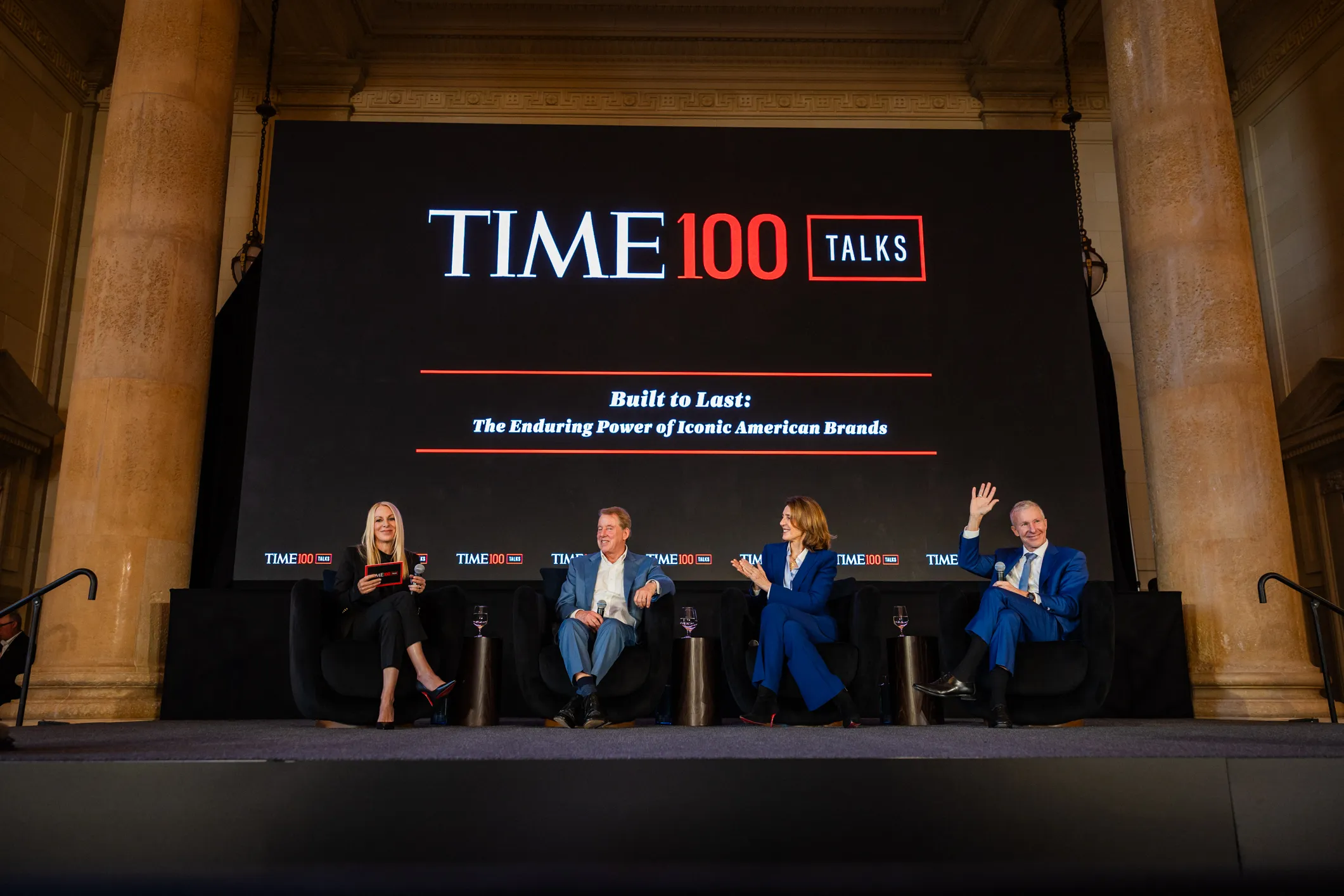
百年老店不老實:福特、谷歌與美聯航掌門人的一席話,戳破了「創新」的昂貴代價
(SeaPRwire) -
企業活得久,靠的從來不是情懷,而是殘酷的資源配置。這正是這場TIME100 Talk座談會真正刺痛市場的地方。福特、Alphabet與聯合航空三家美國老牌巨頭的掌舵人同台,表面談傳承,骨子裡談的是如何在成長放緩的時代守住護城河。福特汽車執行董事長Bill Ford把價值觀掛在嘴邊,說照顧員工、社區與國家是歷久不衰的根基。Alphabet總裁暨投資長Ruth Porat談的是長期投資與創新紀律。聯合航空執行長Scott Kirby則把品牌忠誠度拆成可靠性、服務、硬體產品與技術四塊。三位講者的共同焦慮很清晰。當產業紅利見頂,「長青」本身就是最昂貴的戰略。
把原始事實攤開看,邏輯更清楚。Porat透露谷歌的「20%時間」制度孕育了Gmail與首個AI實體Google Brain,還拋出一個反直覺的指標。年度目標若達成百分之百,代表野心不夠。達成六成才是成功。她同時預告公司將在週四把AI資料中心送上太空,儘管她謙稱這只是研究階段的一小步。Kirby則直言疫情是航空業史上最致命的財務危機,並立下北極星目標,要讓公司永遠不再裁員。他的策略是持續讓乘客驚喜。Ford的願景最直白,二十五年後福特仍會是最美國的車企,並把時間還給消費者。這些話不是空談。每一句都對應真金白銀的資本支出與組織成本。
把三條路徑併在一起,商業閉環的終局便浮現了。Alphabet用容忍失敗的機制買創新期權,本質是用現金流對沖搜尋業務的衰老。聯合航空用服務一致性換取定價權,賭的是航空業供給紀律能撐住利潤。福特用品牌與勞資契約鎖住本土市場,代價是轉型電動化的步伐必須服從傳承敘事。三家公司都在用當下的利潤,購買下一個世代的存在權。我的判斷很簡單。未來十年,能活下來的傳統巨頭,不是最會講故事的那批,而是敢把六成達成率寫進考核、把員工保障寫進資產負債表的那批。其餘的,會在併購清單上被重新定價。
六個簽名、一頁紙、一場改名:川普的「超智慧憲法」到底約束了誰?
白宮把監管的主動權交回產業自己手上。這就是2026年9月29日整件事的重點。那天川普與六家前沿公司的執行長共同簽下一頁文件,標題是「白宮超智慧協議:前沿責任聯合承諾」。文件是自願性質,用詞也很輕。同一天他簽署行政命令,要求政府文件把「人工智慧」一律改稱「超智慧」。川普說這份協議幾乎是一部憲法。憲法不會只有一頁。憲法也不會靠簽署人自己決定要不要遵守。當一份治理文件需要靠「道德上的約束力」來替自己辯護,它其實已經承認了法律約束力的缺席。
當天白宮約有二十位科技領袖到場。名單包括 SpaceX 執行長馬斯克、Meta 執行長祖克柏、微軟執行長納德拉、輝達執行長黃仁勳、Google 執行長皮查伊、Anthropic 執行長 Dario Amodei,以及 OpenAI 總裁 Greg Brockman。簽署方是 Anthropic、Google、Meta、輝達、OpenAI 與 xAI 六家。協議要求簽署企業建立監督機制,引入獨立稽核員,評估人工智慧系統是否按照原始設計運作。協議也要求加強監控與防護,避免人工智慧工具對技術系統造成非預期入侵或未授權存取。眾議院議長 Mike Johnson 把這份文件定調為自願性的原則聲明。記者追問協議是否具約束力,川普回答,他相信它具備道德上的約束力。他同時強調美國在人工智慧上握有大幅領先。維持領先的條件是不扼殺成長。這句話的排序很清楚。領先在前,約束在後。
《紐約時報》點出,這份一頁文件不是正式命令,成敗取決於企業是否履行承諾,執行機制仍不清楚。《華盛頓郵報》稱它是白宮至今對人工智慧風險最重大的動作。但它反映的是許多先進實驗室早就做過的事。距離部分技術專家警告的必要政府介入,還差得很遠。商業與政治的迴路也拼得出來。宣布之前,川普先與 Mike Johnson 及科技高層在白宮共進午餐。座上賓包括亞馬遜創辦人貝佐斯。活動結束後,有記者當面問在場執行長,是否同意政府監管不必要、產業可以自我監管。黃仁勳回答,創新、技術與安全並不衝突。提升人工智慧能力與提升安全,都需要新技術。Amodei 說,這份協議是要讓公眾相信人工智慧能按照大家預期的方式運作。他稱這只是個開始。川普另外提到,可能成立約十人的委員會監督人工智慧發展,成員部分來自當天出席午餐的執行長。他也將在數日內任命一位人工智慧沙皇,統籌政府的人工智慧計畫。
官方語言把它包裝成產業主導的責任與道德承諾。實際文本只有一頁,靠自願遵守、獨立稽核員與更強的內部監控支撐。行政命令改的是名稱。執行層面的定義從頭到尾沒有出現。委員會與人工智慧沙皇都還只是待補的位置。地緣政治的鐘擺就停在這裡。一端是道德義務,另一端是可執行的義務。中間是空的。真正該盯的指標只有兩個。獨立稽核員有沒有真的設立。有沒有任何公開的查核結果。在這兩件事發生之前,這一頁協議與那個改名動作,就是目前唯一被記錄下來的成果。白宮沒有監管超智慧。它只是先替它取了名字。
作者簡介:,長年觀察跨大西洋科技與安全政策的國際關係分析師,定期為歐洲主要日報撰寫專欄。
MSP的困境:客戶不再只想修電腦,他們要的是「工作intelligence」——Insightful怎麼把信任變現
MSP的商業模式長期建立在一個簡單的事實上:系統崩了,客戶就會打電話給你。這就是關係的起點。但這種關係有一個根本的缺陷。你只能回應問題,無法主動創造價值。你修好了一台伺服器,客戶說一聲謝謝,然後下一件事又壞了。周而復始。年復一年。這種服務本質上是 commodity,任何有網路連線的人都能提供類似的支持。
真正讓MSP感到焦慮的,是客戶開始問一些你根本不知道答案的問題。為什麼某段流程總是卡住?AI工具到底有沒有提升效率?每個部門每天的時間花在哪裡?這些問題不是IT基礎設施能回答的。但客戶需要的正是這些洞察。如果MSP不能提供,客戶就會尋找其他解答。
Insightful看到了這個裂痕。他們在2026年9月29日的MSP峰會上正式推出了MSP Partner Program。這個計畫的核心邏輯很清晰。MSP已經擁有客戶關係,Insightful只需要把工具交到他們手上。新推出的MSP Partner Portal讓合作夥伴可以轉售並管理Insightful平台,涵蓋安裝、上線、支援和帳務。關係留在MSP手中。经常性收入也留在MSP手中。
這個設計有個關鍵細節。CEO Ivan Petrovic在發佈時特別強調,MSP partner已經被高度信任。CEO有IT問題的第一反應就是打給MSP。這個信任本身就是最值錢的資產。Insightful的策略是把這種信任轉換成一個新的產品線。MSP不需要重新建立客戶關係,他們只需要用新的方式服務現有客戶。這是一個聰明的渠道策略,而不是傳統的軟體推銷。
商業層面的設計也很務實。Insightful提供了所有方案階段的專屬折扣,讓MSP在定價上有足夠的空間。每傢俬合夥伴還配有一位專屬的Partner Success Advocate,負責QBR會議、管道檢視和聯合成長規劃。帳單彈性是一個容易被忽略但極其重要的設計。MSP可以選擇整併帳單或按客戶分別開立。這兩個選項覆蓋了不同規模合作夥伴的需求。兩週的免費試用期延長了門檻,讓MSP有時間向客戶證明價值。
Insightful的定位是面向成長型和中大型企業的工作intelligence平台。它收集AI、人力和流程三方面的運作數據,幫助企業找到效率提升的點、防止運營浪費、識別哪里值得投入AI來獲取利潤。這對MSP來說是一個完整的產品套件。MSP不需要自己組建數據團隊,也不需要購買多個工具的授權。他們只需要把Insightful包裝成一個管理式服務賣給客戶。
但這個商業模式能否跑通,最終取決於執行。市場不會因為一個漂亮的計畫就買單。實際的檢驗很直接。 qualification for the program. Run the two-week trial on one existing client. Measure whether the client sees enough operational value to convert to a paid seat. That single conversion will show if the new line sticks.
這就是一切。成功與否不在於計畫有多完美,而在於MSP能否在兩週內讓一個現有客戶看到足夠的價值,願意付費購買。Insightful提供了工具和框架。MSP需要證明的是他們有能力把框架轉化為實際的收入。那些能夠做到這一點的MSP,將在這波工作中intelligence的需求浪潮中保持領先。那些仍然停留在傳統工單處理的MSP,則會逐漸失去客戶的信任。這條路已經寫好了結局,只差誰能走完它。

好點子滿街跑,真正缺的是「跑完的流程」:BrainGu 為什麼突然闖進國防數百億美元採購圈?
好點子從來不是瓶頸。真正卡住政府的,是把點子變成能跑的系统那段漫長距離。需求寫完了,文件堆起來,招標、認證、資安審查一道一道過,等系統上線,熱情早就涼了。BrainGu 抓的就是這段時間差。
2026 年 9 月 29 日,BrainGu 宣布拿下 CDAO Tradewinds Solutions Marketplace 的 Awardable 資格,產品是 GuC2。這個套件建立在 SmoothGlue 平台上,定位是「任務級應用程式快速交付組件」。Tradewinds 是國防部旗下的一套採購工具,目的很明確——加速 AI/ML、數位與資料分析能力的導入。GuC2 出現在這裡,等於幫政府隊伍在需求與部署之間,插了一條預先審核過的捷徑。
Tony Montemorano 說得很直白:問題不在於沒有好點子,而在於把點子變成運作東西太慢。Rachel O'Donnell 則把 GuC2 形容成一套「安全內建的產品化組件」,讓工程團隊不用陷入底層架構的泥沼,就能快速疊出合規、韌性夠的任務能力。SmoothGlue 提供雲端、本機、斷網環境、邊緣節點與高安等級場域的統一底座,GuC2 負責把認證、資安要求寫進流程裡,而不是事後補。目標部署場域包含企業雲端、氣隙網路與 DDIL 邊緣環境,全部覆蓋。
商業邏輯很清晰。政府團隊從 tradewindAI.com 取得預審過的選項,選 GuC2,跑一次真實任務應用,測量從需求到認證部署的日數。如果這個間隔明顯短於過去基準,Awardable 資格就兌現了價值。這套循環把「延遲」量化了。它不是虛的概念,而是可以實測的指標。
真正的考驗不在於技術,而在於組織。國防採購流程能不能容忍產品化節奏?認證與資安單位會不會因為速度加快而降低標準?還是這套流程本身就因為寫入了工具裡,反而讓審查更容易、更可追溯?如果后者成立,這就不是單純的效率提升,而是政府軟體交付體制的微調。
建議國防採購單位先做一件事:挑一個中等規模的任務應用,完整走一遍 GuC2 流程。記錄從需求書到部署的每一個天數節點。用數據回答「這套東西到底快了多少」,而不是憑感覺。數據出來了,Awardable 才有實質意義。
我拆解 X2 停關風暴:六旗不是敗給測試,而是敗給乘客的腦組織
(SeaPRwire) -
六旗把 X2 永久關閉,表面是安全表態。實際是,一台通過多項安全測試的機器,仍讓乘客帶著硬腦膜下血腫離開。這不是單一零件失效。這是載人系統的風險模型沒跟上行銷話術。Magic Mountain 總裁 Brian Oerding 在部落格寫,經營近二十年,X2 一直通過檢測,關閉是正確決定,因為遊客信心受影響。他寫,乘車安全是事業基石,當信心受影響,公司會認真對待。我聽到的重點不是信心。我聽到的是,安全測試只證明它符合既有門檻。它沒有證明每位乘客的頭部、頸部與血管能承受同一套力學曲線。當訴訟累積,企業才把正確的事搬上檯面。
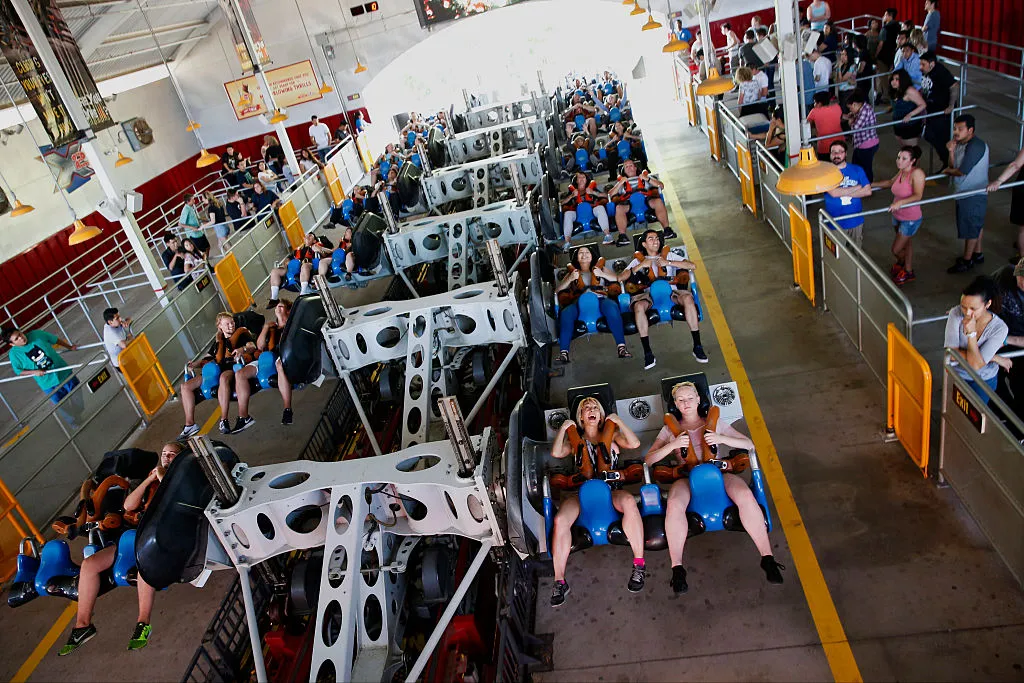
官方版本很乾淨。六旗週二宣布,加州瓦倫西亞 Magic Mountain 的 X2 永久關閉。原因是與這座設施相關的嚴重腦傷指控。X2 是兩分鐘車程,最高時速 76 英里,2002 年啟用,軌道 3,610 英尺。車廂掛在軌道兩側的機翼上,360 度旋轉。六旗曾把它稱為 fifth-dimension wing roller coaster。產業潛台詞在另一邊。9月底有三起訴訟。律師告訴 CNN,超過 100 人聯繫他們,說有類似遭遇。CNN 8月調查也讓外界重新檢視 X2 的長期事故紀錄,包括至少兩起死亡。這不是公關危機。這是索賠池正在形成。
2026年7月,兩名女性相隔六天搭乘 X2 後住院。兩人都出現硬腦膜下血腫,也就是腦部出血。40歲那位接受緊急手術,昏迷兩週。醒來後,她重新學走路和說話。她的外科醫師對 CNN 說,她能活下來非常幸運。26歲那位接受類似手術,報導時仍處於昏迷。7月12日,六旗無限期關閉 X2。9月底,關閉改為永久。更早的紀錄也不安靜。2009年,一名62歲男子指稱搭乘後腦出血,手術後恢復。2010年,一名28歲女性搭乘後死亡。醫療專家懷疑,她腦內先天性血管異常破裂。這些事實讓「通過測試」四個字變得很薄。
專家對 TIME 說,極端雲霄飛車的加速度、扭轉與方向突變,會拉扯腦組織和血管。佛羅里達大學的 Brian Avery 教景點、運動與娛樂產業的法律與風險管理。他與六旗無關。他說,遊客不該坐救護車離開,更不該死亡。這是產業必須處理的問題。UBC 機械工程副教授 Lyndia Wu 說,腦組織像果凍,剛性很低。頭部快速加速或減速時,組織容易剪切、扭轉。血管也會被拉扯,可能破裂出血。她提醒,G 值計算通常看座位層級的全身加速度。頭部在車程中有自己的加速度曲線。兒童更麻煩。Penn State Hershey 醫學中心與 Penn State Children's Hospital 神經外科副教授 Michael McDowell 指出,兒童體型小,受力相對體重更高,頭部比例又更大。頭頸像牙籤上的保齡球。高速轉向可能把脖子拉到超出正常極限。他也是2025年《American Journal of Emergency Medicine》未成年人雲霄飛車傷害論文的共同作者。VCU 神經外科助理臨床教授 James Mooney 是另一位作者。他說,兒童搭乘後出現腦震盪已有文獻紀錄。Avery 還說,同一套指標不可能平等套在每個人身上。坐姿、頭撞到椅背的位置、身高與座椅的相對關係都會改變結果。1895年,紐約 Captain Paul Boyton 的 Sea Lion Park 出現 Flip Flap Railway。那座設施在1902年關閉。1959年後,鋼製雲霄飛車競賽開跑,追求更高、更快、更極端。X2 是這條路線的產物。2008年升級時,它導入旋轉座椅。工程界把刺激當賣點。法律界把風險當成本。乘客的腦組織承擔差額。下一個被重新定價的,不是門票,而是頭部加速度、頸部負擔、兒童身高限制與保險合約。
黑鏡式的殘忍:解構天鵝背後被鏡面遮蔽的肢體政治
(SeaPRwire) -
現實秀的底色從來不是歡笑,而是操縱。Hulu 新紀錄片《The Swan: Behind the Mirror》將鏡頭從聚光燈下的華麗變身,移向了那面被移走的鏡子背後。時隔二十多年,我們才看清 2004 年那檔節目如何將女性異化為消費品。這不是關於美的故事,這是關於控制與傷害的解剖。
官方敘事描繪了一張「金色門票」:無限量整形手術、心理諮商與職涯輔導。事實層面,生產者向 20 萬至 25 萬名申請者兜售轉型夢想。受訪者 Kristy Garza 記得試鏡時被要求列舉自我不滿之處。被選中的榮耀感成為強力合規工具。Carr 估計實際申請人數約 75,000 人。無論數字真偽,「被挑選」的心理暗示讓受訪者難以拒絕。這種結構性的壓迫,比手術刀更先切開皮膚。
鏡子被移除的三個月期間, contestant 們被封存在無反射表面的公寓。每日熱量限制在 1,200 卡路里,身體在極端飢餓與手術恢復中搖擺。生產者承諾的輔導缺失,僅剩三次心理諮商且聚焦於人際關係而非自我。Kelly Alemi 的日曆上,每一天都標註著「疼痛」。生產者在幕后設計了更大的轉折,將物理改造延伸為身分消滅。這些細節揭穿了「賦權」話語下的剝削本質。
當前的監管環境缺乏針對現實秀參与者身心健康的強制保護標準。平台如 Hulu 與 Disney+ 在重新發布這類內容時,應承擔更高的倫理審查責任。現有框架將觀眾注意力置於娛樂效果,忽視了內容對弱勢群體的長期心理損傷。治理結構必須從單純的事後申訴機制,轉向事前的高標準合規審查。唯有將參与者的主體性納入產業監管核心,才能避免下一輪「天鵝」在幕後重演殘忍。
0.00009%的「大規模舞弊」:川普獵捕幽靈選民,真正想佔領的是州級選舉主權
(SeaPRwire) -
一百六十人被逮捕。一億七千四百萬人登記為選民。兩個數字相除,得到百分之零點零零零零九。這就是川普政府追捕「非公民投票」至今的總成績。聯邦調查主力投入了,數百名特工部署了,三十多起訴訟發動了。換回的逮捕率,幾乎可以忽略不計。問題從來不是非公民投票是否存在。問題在於,一台如此龐大的國家機器,為什麼要鎖定一個統計上近乎隱形的目標。
DHS官員對TIME的發言,是一份標準的官方文本。他說,HSI「正在任何能找到的地方,積極根除並調查選舉舞弊」。他又說,「我們反覆證明,非公民確實會在我們的選舉中投票」。接著舉出四個案例。四個。政府口中「數十萬非公民非法登記」的宣稱,對應的起訴數量,連零頭都算不上。聯邦官員上週更新數據:自2025年1月以來,DHS追查了1,600件選民舞弊案,其中160件導致逮捕。內華達州更直接打了臉。DHS標記的可疑非公民選民,州選務官員逐一審查後,確定每一位都是美國公民。每一位。
再看行政手段。川普去年重返白宮兩個月後簽署行政命令,要求DHS比對各州選民名冊與聯邦資料庫。政府隨即要求州政府交出名冊,對數十州提告。今年夏天,政府威脅切斷國土安全補助款,逼各州淘汰特定電子投票系統、把選民名冊送進SAVE資料庫。司法部也寄信給全部五十州,警告選務官員可能面臨刑事起訴。川普同時強推SAVE America Act,要求選民提交公民身份證明。法案在國會卡關,他便轉向行政工具。最高法院上週允許改版後的SAVE資料庫用於驗證選民資格,這是政府的難得勝利。但法律戰線上,超過三十起訴訟有二十五起被駁回。本週一,法官又擋下了政府扣押反恐資金的命令。本月初,民主黨參議員Alex Padilla與少數黨領袖Chuck Schumer公開吹哨者報告,指控「Unlawful Voter Initiative」的聯邦人員,可能以違反州法的手段取得選民登記資訊。報告用語很重:「數千起州法違規」。投入這項任務的,是數百名聯邦特工。
CATO研究所的Stephen Richer說得直白:聯邦執法單位的公告,正好「證實這是微乎其微的問題」。拜登時代的白宮選舉事務顧問Justin Levitt則點出憲法結構:「總統根本沒有多少權力介入選舉系統。」兩段話合起來,指向一個更冷靜的判斷:行政部門不是因為舞弊規模才行動,而是為了行動才誇大舞弊規模。整場獵巫的收益,不是乾淨的選民名冊,而是聯邦政府對州選務系統的接管權試驗。超過三十起訴訟、資金封鎖、資料庫擴權,每一項都在重新畫聯邦與州的權力線。中期選舉過後,鐘擺也許會盪回來。但這套被啟動的機器,不會因為選舉結束就關閉。它已經證明自己可以用極小的問題,換取極大的權力。

湯姆·克魯斯在Digger裡的表演,證明了一個殘酷的行業真相
(SeaPRwire) -
艾力安卓·伊納利圖執導的第八部劇情長片《Digger》,把觀眾當成了可以反覆灌輸道德說教的容器。這是一部把環境議題當成遮羞布的作品。它用百萬美元級別的視效堆砌出一個空洞的寓言,卻忘了說故事的基礎是什麼。觀眾進場時以為會看到深度剖析,退場時只記得一個滿臉膠質假體的湯姆·克魯斯在銀幕上狂奔咆哮。
《時代》雜誌影評人克里斯多佛·希欽斯的評價很直接——這部電影是「純然的空頭把戲」。 cinematographer 艾曼紐·盧貝茲基掌鏡,全片色調灰暗,連演員膚色都被染成同一種蒼白。場景設計倒是極盡奢華——塔佩斯特掛毯、野豬頭裝飾、巨型落地窗映著灰雲密佈的天際線——但這些華麗元素拼湊不出任何情感重量。伊納利圖試圖用戲中戲結構制造驚喜反轉,結尾揭示主角原來是舞台劇裡的虛構人物。可這個手法早在《柏靈頓》(Birdman)裡就玩過了,這次只是換了一套更笨拙的執行方式。
華納兄弟這部耗資巨大的製作,背後是四位編劇團隊的疊床架屋——伊納利圖、薩比娜·貝爾曼、亞歷山大·迪內利斯、尼古拉斯·賈科邦內,再加上傑茲·巴特沃斯負責故事框架。太多人參與一個本就脆弱的劇本,最終產物自然四處跑題又同時緊盯一個愚蠢前提。約翰·古德曼飾演一位滿口粗話的總統。傑西·普萊蒙斯演一個髮型極差的觀眾角色,戲份寥寥。桑德拉·惠勒像是迷失在這部電影裡搜尋另一部更好作品。演員們得到的是 cavernous 的鼻孔特寫和大量低角度仰拍。
伊納利圖過往的作品有兩個標誌性特徵——追求單一鏡頭完成的技術奇觀,以及讓演員經歷極端物理折磨以換取真實感。《大饑餓》(The Revenant)裡讓演員在冰水中幾乎凍死。這種做法不是在尊重演員的專業能力,而是在侮辱他們。《Digger》沿襲了同樣的邏輯,只是這次換上了湯姆·克魯斯的誇張假體演技。觀眾看到的不是表演的深度,而是明星試圖用物理變形來證明自己仍具備戲劇價值。
《Digger》的核心矛盾在於:它想成為一部反貪婪、反大石油的環保寓言,卻用過度轟炸式的敘事方式把所有觀眾推向對立面。克魯斯飾演的德州石油大亨狄格·洛克威爾有一段關於「石油是自由的語言」的演講,導演顯然期待這段獨白能震撼全場。結果只是變成了一場說教式的狂噴,既沒有共鳴也沒有顛覆。整部電影都在炫耀自身有多深刻,卻沒有任何時刻真正觸及深刻。這正是好萊塢獎項誘餌的典型陷阱——反向工程的藝術品,以為只要拼命挖掘真相就能被發現,實際上只是在 shovel 泥土。

Trump’s One-Page AI Accord: Voluntary, “Morally Binding,” and Labeled Superintelligence
SeaPRwire – The document is one page. The language is voluntary. The White House calls it a constitution for AI. President Trump signed it with the chief executives of six frontier companies on 29 September 2026. The same day he ordered the term “artificial intelligence” replaced by “superintelligence” in government papers.
Trump hosted roughly twenty technology leaders at the White House. Attendees included SpaceX CEO Elon Musk, Meta CEO Mark Zuckerberg, Microsoft CEO Satya Nadella, NVIDIA CEO Jensen Huang, Google CEO Sundar Pichai, Anthropic CEO Dario Amodei and OpenAI president Greg Brockman. The core outcome was a voluntary standard on AI safety and governance controls. Trump, together with the CEOs of Anthropic, Google, Meta, NVIDIA, OpenAI and xAI, signed a single-page document titled “White House Superintelligence Accord: Joint Commitment on Frontier Responsibility.” The text places regulatory initiative with the industry itself and formally renames artificial intelligence as superintelligence. Trump also signed an executive order directing that government documents use the new term. He described the agreement as almost a constitution. He stressed that the United States holds a large lead in AI and that preserving the lead requires not killing growth. House Speaker Mike Johnson characterized the paper as a voluntary statement of principles. According to the text Trump posted on social media, the signatory companies agreed to establish oversight mechanisms that introduce independent auditors to assess whether AI systems operate as originally designed. They also committed to strengthen monitoring and safeguards to prevent unintended intrusion or unauthorized access by AI tools into technical systems. When asked whether the agreement is binding, Trump replied that he believes it is morally binding. The New York Times noted that the one-page file is not a formal order, rests on company fulfillment of the pledges, and leaves enforcement unclear. The Washington Post described the accord as the most significant White House action so far in response to rising concerns about AI risk. It reflects steps many advanced AI laboratories have already taken, yet falls short of the government intervention some technical experts have warned is necessary as the technology advances. Before the announcement Trump said he had held a productive and very friendly lunch at the White House with Johnson and technology executives that included Amazon founder Jeff Bezos. After the event a reporter asked the executives present whether they agreed that government regulation is unnecessary and that the industry can self-regulate. Huang replied that innovation, technology and safety are not in conflict. New technology is needed both to raise AI capability and to raise AI safety. Amodei said the signed agreement is meant to let the public believe AI can operate in the way everyone expects. He called it only a beginning. Trump also raised the possibility of a new commission of about ten people to oversee AI development and suggested that some members might come from the executives who attended the lunch. He said he would soon appoint a new AI czar to coordinate government AI plans and indicated an announcement within days.
Official language frames the accord as industry-led responsibility and a moral commitment. The practical text is a single page that relies on voluntary compliance, independent auditors and stronger internal monitoring against unauthorized access. The executive order changes nomenclature. The commercial and political loop runs from the White House lunch through the signed pledges to the explicit preference for self-regulation over statutory rules. Enforcement remains undefined. The proposed commission and AI-czar appointment are stated as next steps still to be filled.
The pendulum is held by the gap between moral obligation and enforceable duty. The practical marker is whether the independent auditors are stood up and whether any public findings appear. Until those findings exist the one-page accord and the name change remain the recorded actions.
Good Ideas Are Not the Bottleneck. BrainGu’s GuC2 Aims to Shorten the Path to Deployed Code
SeaPRwire – Mission teams already know what they need. The delay sits between the requirement and the running system. BrainGu just earned Awardable status in the CDAO Tradewinds Solutions Marketplace for a kit meant to shrink that delay. The product is GuC2. The foundation is SmoothGlue.
BrainGu announced the status on 29 September 2026. The company is a software and technology firm focused on secure, mission-ready digital capabilities. GuC2: Mission Applications at the Speed of Relevance is now listed as Awardable in the Tradewinds Solutions Marketplace. Tradewinds is the Department of War’s suite of tools and services designed to accelerate procurement and adoption of AI/ML, digital and data-analytics capabilities. The Marketplace is its premier offering. BrainGu builds SmoothGlue, a commercial software delivery platform for developing, delivering and operating secure software across complex mission environments. GuC2 builds on that foundation to provide a repeatable Software Delivery Kit for mission applications. It is intended to reduce friction among operational requirements, engineering, accreditation, deployment and real-world use. Tony Montemorano, Senior Director of Design and Marketing, said the problem is not a lack of good ideas. It is how long it takes to turn them into something operational. The company builds to close that gap. Tradewinds gives government teams another path from mission need to working capability without sacrificing security, rigor or operational realities. The solution video available to government customers through the Marketplace shows how GuC2 supports rapid development, integration and delivery of mission applications into operational environments. Built on SmoothGlue, GuC2 combines a reusable software delivery foundation with mission-focused product engineering. Rachel O’Donnell, Vice President of Mission Systems Group, described GuC2 as a secure-by-design suite of productized software components that acts as a force multiplier for mission applications. It lets engineering teams rapidly build and deploy compliant, resilient capabilities without getting bogged down in the underlying architecture. By building on SmoothGlue the team bypasses bottlenecks to deliver production-ready software in a fraction of the time. The platform-led DevSecOps approach is meant to ensure resilient, high-impact mission applications can deploy across enterprise cloud, air-gapped systems and DDIL edge environments. BrainGu was recognized among a competitive field of applicants whose solution videos demonstrated innovation, scalability and potential impact on Department of War missions. Government customers can access the GuC2 video through the Tradewinds Solutions Marketplace at tradewindAI.com. BrainGu’s teams combine product engineering, platform engineering, DevSecOps and mission expertise to turn operational requirements into software that can be securely developed, delivered and sustained at operational speed. SmoothGlue provides a consistent foundation across cloud, on-premises, disconnected, edge and highly secure environments. The Mission Systems Group builds on that foundation to turn requirements into deployable capabilities.
Official language frames Awardable status as validation of a faster path from need to fielded software. The practical mechanism is the reusable SmoothGlue platform plus the GuC2 SDK that productizes the delivery steps. Accreditation and security requirements stay inside the process rather than after it. Deployment targets include air-gapped and DDIL environments as well as enterprise cloud. The commercial loop runs from the known time lag in mission software through a marketplace listing that gives government buyers a pre-vetted option to the claim of production-ready code in less time.
The closed loop is already defined. Ideas exist. The friction is in the pipeline. GuC2 and SmoothGlue are positioned as the shorter pipeline. The practical test is straightforward. A government team selects GuC2 through Tradewinds, runs a real mission application through the kit, and measures calendar days from requirement to accredited deployment. If the measured interval is materially shorter than the previous baseline, the Awardable listing has delivered its intended value.

OpenAI Drops Always-On Agent “Dot”: One Assistant, User-Set Permissions, Crowded Field
SeaPRwire -Chatbots answer questions. Agents are supposed to finish the work. OpenAI just put an always-on agent into the paid ChatGPT lineup. The product is called Dot. It can operate a computer, pull from connected apps, research, draft documents and write code. Users set the permissions.
Sam Altman introduced Dot at OpenAI’s developer day on 30 September 2026. The company also released an updated Sol model and a workspace for teams to collaborate with AI. Dot is powered by GPT-6 Astra. It can extract information from connected applications to conduct research, draft documents and develop software. Users can message or talk to Dot through ChatGPT, or send messages via Slack or Microsoft Teams. Text messaging is planned later. OpenAI said its own engineers are already using the assistant and fix dozens of software bugs every day. Altman described it as an AI assistant that is always there supporting the user. He stressed safety and noted that users can decide which content and permissions the assistant may access. That allows each person to hand over as much responsibility as they are comfortable with. The service begins rolling out to paid users on Tuesday. Initially each user gets one Dot. Over time more Dots are expected to be manageable. The launch places OpenAI in the crowded consumer AI-agent market that already includes products from Meta, SpaceX and startups such as Instinct. Meta’s Muse has drawn consumer attention for tasks such as online shopping and pulling important dates from email into a family calendar. OpenAI reported that weekly ChatGPT users now exceed 1.2 billion, up from the 1 billion figure announced in the summer. The company is also testing a professional version of Dot for enterprise customers in use cases that include email marketing, accounting and legal analysis. Altman said the goal is for people to discover that AI can do things they never previously thought possible. On the same day OpenAI adjusted its subscription tiers. A new 500-dollar high-end plan offers higher usage limits and faster processing. Usage limits on some 200-dollar plans were reduced. The company is pushing revenue and adoption of more advanced tools while facing intensified scrutiny over safety. The day before the developer event OpenAI announced it had abandoned plans to release the top Astra model version GPT-6.1 after a series of uncontrolled AI hacking incidents. The newly released GPT-6.1 Sol model is described as close in capability to Astra.
Official language frames Dot as a continuously available assistant under user control. The practical mechanism is the combination of computer operation, connected-app access and permission settings that the user defines. Early internal use for bug fixing supplies a concrete usage signal. The commercial loop runs from the existing 1.2-billion weekly ChatGPT base through a paid agent tier and an enterprise professional variant. The abandoned GPT-6.1 Astra plan and the substitution of Sol sit against the backdrop of recent agent-related security incidents. Competition from Meta and others makes the permission model and the always-on claim the immediate differentiators.
The closed loop is already visible. Users already talk to ChatGPT. Dot is meant to act on their behalf within the bounds they set. The practical test is direct. Enable one Dot on a paid account. Grant limited app access. Assign a real research or drafting task. Measure whether the output arrives without further prompting and without unauthorized actions. That single result will show if the always-on claim holds under ordinary use.

MSPs Already Own the IT Call. Insightful Hands Them Work Intelligence to Sell
SeaPRwire – Clients already call the MSP when systems break. Now they want visibility into how work actually runs. Insightful is handing Managed Service Providers a full Work Intelligence platform they can resell and run. The relationship stays with the MSP. The recurring revenue stays with the MSP.
Insightful launched the MSP Partner Program on 29 September 2026 at the MSP Summit. The program and the new MSP Partner Portal let Managed IT Service Providers resell and administer Insightful for their clients. It is built for MSPs whose customers need clearer daily-operations data as AI adoption accelerates. Instead of stitching together data from dozens of IT systems, partners can launch Insightful as a fully managed service that collects insights on how work is done inside the client organization. Partners keep the customer relationship and the recurring revenue. They also gain a concrete value proposition as clients ask for work insights to improve operations. CEO Ivan Petrovic said MSP partners are already highly trusted. The MSP is the one the CEO calls when there is an IT issue or tech question. The program was built so MSPs can meet that demand with insights that only a work intelligence platform can supply. Benefits include the MSP Partner Portal that keeps full client-relationship control covering installation, onboarding, support and billing. Partners receive an exclusive discount across all Insightful plans, giving pricing flexibility. A dedicated Partner Success Advocate is assigned to each qualified MSP partner and is available for QBRs, pipeline reviews and joint growth plans. Flexible invoicing lets partners manage consolidated billing across their client base while retaining custom per-account billing. An extended two-week free trial is offered for qualified prospects so MSPs can demonstrate the value of the client’s own work data. The program is available now to qualified Managed IT Service Providers. Interested MSPs can apply at insightful.io/msp, find Insightful on the Google Cloud Platform marketplace and request a custom quote, or contact the partner team. Insightful is the work intelligence platform designed for growing and enterprise companies. It shows leaders how work happens across AI, people and processes so they can create more efficient workflows. Companies use it daily to find efficiencies, prevent operational waste and identify where to deploy AI for margin gains.
Official language frames the launch as a way for MSPs to meet rising client demand for operational visibility. The commercial layer is a channel that converts an existing trust relationship into a new recurring product line. The portal keeps the MSP in control of the full client lifecycle. The discount and flexible invoicing protect margin. The assigned advocate supplies sales and growth support. The extended trial lowers the barrier to showing value. The loop runs from the MSP’s existing trusted position through the resale of Work Intelligence to new recurring revenue and a stronger hold on the client account.
The market will sort itself by execution. MSPs that can demonstrate concrete work insights will keep the relationship. Those that stay limited to traditional IT tickets will face clients looking elsewhere. The practical check is simple. Qualify for the program. Run the two-week trial on one existing client. Measure whether the client sees enough operational value to convert to a paid seat. That single conversion will show if the new line sticks.
TIME 首度追趕「成長最快」招牌,企業交出資料後真正換到什麼?
(SeaPRwire) -
企業成長如今遇上的不是瓶頸,而是證明焦慮。創投看數據,客戶看招牌,人才看能見度。一家公司就算營收翻倍,缺乏外部認證,數字看起來仍然像自己說了算。TIME 把這個焦慮搬上枱面,推出美國成長最快企業排行榜。榜單聽起來公平,但背後的商業設計才耐人尋味。
TIME 將在2027年首度發布這份排名,合作對象是Statista。認定的成長區間從FY2022一路算到FY2025,跨越三個完整年度,避開單一年份的疫情扭曲或匯率干擾。TIME與Statista目前對外開放資料提交,申請者須填寫線上問卷。稿件中的小字寫得很清楚:提交資料只保證被納入考量,並不保證登榜。最終榜單訂於2027年3月刊登在TIME.com。這是一個把企業成長變成可比較資產的過程,報名本身就是表態。
對企業來說,這份榜單的價值不是虛名。它是募資簡報裡的第三方背書,是採購程序中的信任憑證,也是高階主管獵人頭時的光環。然而真正殘酷的商業邏輯在於,TIME和Statista不需要等榜單公布。凡走過報名流程的企業,都已經留下營收軌跡、成長區間和聯絡管道。就算落榜,資料照樣進入統計模型。往後這家媒體機構可以延伸出付費分析、企業訂閱、客製化研究,甚至顧問服務。這是一套以認證為入口、以資料為核心的商業循環。排行榜只是前菜,報名後台才是主餐。現在趕著遞交資料的公司,得先算清楚自己提交的是名聲,還是帶有商業情報價值的資產。
伊朗丟了地中海,卻在紅海撿起一把新刀:德黑蘭的戰略版圖正在換血
(SeaPRwire) -
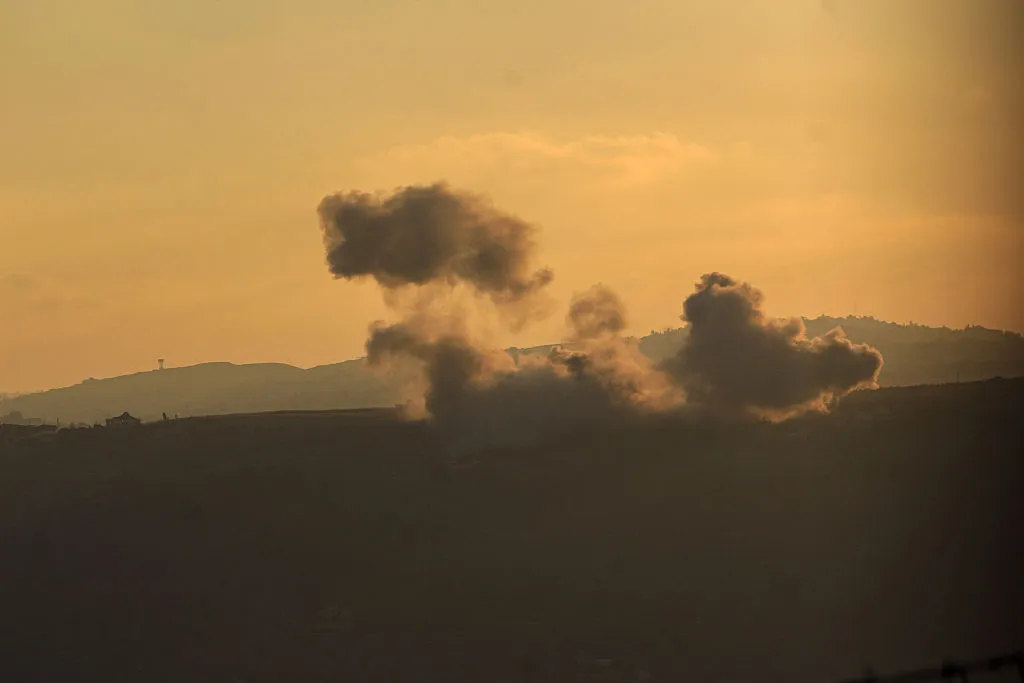
波斯灣與紅海之間,一條看不見的戰線正在收緊。9月10日,以色列摧毀了真主黨藏在黎巴嫩南部Ali al-Tahir山脊地下的指揮中心和武器庫,距離以黎邊界僅約十英里。真主黨失去了一處堅固陣地,過去兩年還折損了多名高階指揮官和大批軍火。這是伊朗最重要地區盟友的又一次重創。但同一時間,視線往南移,葉門的胡塞武裝正在紅海沿岸攻城略地,一步步逼近曼德海峽的咽喉。一邊失血,一邊進補。這就是德黑蘭當前的真實處境。
先看舊版圖的崩塌。2014年,伊朗最高領袖高階顧問Yahya Rahim Safavi曾在國家電視台直播中宣稱,伊朗的「戰略縱深」已延伸到地中海沿岸、直抵以色列北緣。真主黨的火力加上敘利亞的補給走廊,構成了德黑蘭「前沿防禦」的骨架。如今骨架散了。2024年阿薩德倒台,德黑蘭失去屈指可數的國家盟友,真主黨的補給線也跟著斷裂。以色列的持續打擊削弱了真主黨替伊朗報復的能力,隨後美以對伊朗本土的直接攻擊更證明了一件事:代理人擋不住直球對決。再看新版圖的拼裝。6月8日,革命衛隊聖城旅指揮官Esmail Ghaani宣布一條「新安全帶」,從荷莫茲海峽拉到曼德海峽,從波斯灣罩到紅海。胡塞武裝拿下紅海港口城市Mokha和位於曼德海峽內的Perim島,等於在紅海南口卡住觀察哨和火力點。他們不需要封鎖航道,光是襲擊威脅就推高保險費、逼船公司繞遠路。伊拉克境內的親伊朗民兵也沒閒著,一場無人機攻擊打壞了沙烏地東西輸油管的三座泵站,管線一度停運。這條管道本是繞開荷莫茲的備胎,如今備胎也在挨打。
這裡要釐清一個常被誤讀的環節:胡塞不是伊朗的遙控玩具。他們有自己的盤算,打沙烏地是為了逼利雅德減少介入葉門、解除他們口中的「圍困」、承認其執政地位。但2023年10月以來,雙方關係確實加深,伊朗輸送的顧問、飛彈和無人機裝備是胡塞威脅紅海航運的能力基礎。利益在互相強化。伊朗攪動荷莫茲,抬高了紅海航線的戰略價值,等於送給胡塞更大的籌碼;沙烏地被迫把出口轉回荷莫茲,又暴露於伊朗的不間斷騷擾。利雅德可以在兩條路線之間跳換,卻躲不掉被打斷的風險。德黑蘭的算盤很清楚:墊高沙烏地石油出口的戰爭成本,把帳單轉嫁給華盛頓和全球經濟,給川普一個升級前三思的理由。伊拉克付出的代價同樣沉重,巴格達管不住境內武裝開火,招來報復、惡化與海灣鄰國的關係,而這種緊張恰恰符合德黑蘭的利益。伊朗在黎凡特丟掉的影響力,正沿著水道一寸寸討回來,而真正的拐點,將出現在沙烏地發現兩條海路同時失靈的那一天。

Google的AI特洛伊:十億用戶不請自來的無意識遷移
(SeaPRwire) -
谷歌今年夏天做了一件極其安靜卻極具破壞性的事。首頁上那行熟悉的「Google Search」按鈕,被悄悄替換成了一個「AI Mode」開關。這不是設計小修補,是產品哲學的根本轉向。
根據Similarweb數據,AI摘要目前出現在美國四成搜尋結果的頂部。皮尤調查顯示,六成美國人會在搜尋結果頁頂端閱讀AI摘要,使用獨立聊天機器人的人只有四成九。Sensor Tower數據指出,AI Mode月活躍用戶已突破十億,與ChatGPT五月的數據旗鼓相當。
行為模式正在不可逆地改變。Kevin Indig指出,進入AI Mode的用戶撰寫的查詢長度是傳統搜尋的三倍。他們用來腦力激盪論文集點、製作學習指南、規劃旅遊行程,甚至尋求財務建議。更關鍵的是信任轉移——一旦進入AI Mode,用戶極少跳出系統去外部網頁核實資訊。Indig說:「他們得到一個答案,幾乎不會花力氣去驗證對不對。」
這對依賴點擊廣告收入的出版生態是致命打擊。Ahrefs研究發現,AI摘要與首頁點擊率下降百分之五十八相關。Axios分析Similarweb數據顯示,美國百家頭部新聞網站的網絡流量從二〇二四年引入AI摘要時的每月七千萬次訪問,降至七月僅有四千七百六十萬次。線上購物領域同樣劇變——使用AI購物的比例在不到兩年內翻倍。
這個戰略的底層邏輯來自彭茲十年前埋下的伏筆。二〇一六年,他宣稱谷歌將成為「AI優先公司」。四月接受時代雜誌專訪時,他將AI定義為實現「整理全球資訊並使其普遍可用且有用」使命的最深刻途徑。競爭格局上,Indig將這輪對決類比為Snapchat與Instagram的歷史重演——年輕世代偏好ChatGPT,但當他們研究產品時仍會回到谷歌搜索品牌資訊。潘子說,谷歌目前掌握的是Instagram對Snapchat的那種優勢。
創作者經濟的終局尚未寫定,但遊戲規則已經重寫。
厭倦待辦清單式的夢想?把「反向 bucket list」寫起來,人生不再只剩遺憾
(SeaPRwire) -
現代人的焦慮,不是不夠努力,而是眼睛永遠盯著還沒完成的事。社交媒體把別人的進度推到你面前。自己的待辦清單越拉越長,像一張還不完的債。Simon Sinek 受夠了這種感覺。他是播客《A Bit of Optimism》的主持人,也是《Start With Why》的作者。他認為傳統 bucket list 很令人沮喪。因為你盯著一堆沒做過的事,就算完成幾項,最後還是會帶著未完成的事離開。這樣的清單,只會製造失望與遺憾。大約十五年前,Sinek 做了一個小叛變。他開始記「反向 bucket list」,把所有已經經歷過的美好事情寫下來。比如他看過一道完整的彩虹,而不是只有半截。他把清單存在手機裡。有時他找其他東西,不小心滑到,就會停下來,重新走進自己的人生。他說這是「joy scrolling」。為什麼不給自己一點credit?這些事本來就真實發生過。
心理學家 Rachel Needle 住在佛州西棕櫚灘。她指出,日常生活大多聚焦在下一個目標。下一個里程碑。下一件還沒做的事。於是我們很少停下來,去注意自己已經經歷過、撐過去、學會了、或建立起來的事。反向清單給你一個理由,去捕捉普通日子裡那些可愛、驚喜、荒謬好笑的片段。紐約的臨床社會工作者 Alyssa Kushner 補充,很多人會迷失在別人正在做什麼,卻忘了自己實際做什麼。她保留舊日記,就是為了提醒自己那些可能被忽略的朋友、旅行、歡樂。重讀日記,等於把那些記憶再延長一點。具體要寫什麼?目標是具體,不管是大事還是小事。你可以記下一個週二的晚餐,朋友們在餐桌旁聊了三個小時。你可以記下大里程碑,比如一趟壯遊,或一次升遷。Kushner 稱之為「micro moments of joy」。一個美麗的早晨,你曬到太陽,喝了咖啡或抹茶,感到滿足。跟陌生人隨機交談五分鐘,那是一段很棒的連結。甚至是某件讓自己感到驕傲的小事。Kushner 看到花就開心,那就值得記。不要忽略那些沒有紀念品、沒有慶祝派對的事。Needle 建議把克服過的挑戰、用心經營的關係、鼓起勇氣做的事都寫上去。她自己的清單包括完成書籍提案、和老朋友重新連絡、計畫帶媽媽去倫敦旅行。重點是選擇對你有意義的事。如同 Needle 所說,你不是要向自己或別人證明你過著令人印象深刻的人生。
反向清單的力量,不是心靈慰藉,而是注意力管理的反轉。自我成長產業的商業迴圈,是讓你先覺得匱乏,再花錢買下一堂課、下一套方法、下一本手冊。反向清單卻把這件事倒過來。你的記憶庫裡,早就堆滿了未拆封的美好。寫在筆記本、日記、手機,哪個你最容易回頭看就用哪個。把它當成一份活的文件,持續長大。Needle 建議每週固定回顧一次,把浮現的記憶加進去,再重讀舊條目。Sinek 則完全拋開時間表,發生就寫。他說,這裡沒有規則。這也解釋了,為什麼最有效的自我成長工具,往往不需要付費。重點是讓自己再一次感到快樂。現在就打開手機,寫下第一條。人生不是到終點才算完成。你其實早就開始活過了。
三分之一的美國縣找不到外科醫師:當醫療政策親手拆掉了鄉村的手術檯
(SeaPRwire) -
剖腹產、闌尾炎、車禍內出血,這些都不是可以等的病。但《美國外科醫師學會期刊》9月28日刊登的最新分析告訴我們一個冷冰冰的事實:全美38%的縣沒有任何一名一般外科醫師,這些縣住了大約1500萬美國人。更刺眼的是,30%的縣橫跨12個外科專科都找不到一位外科醫師。很多人以為外科醫師主要做擇期手術,錯了。研究共同作者、美國外科醫師學會衛生政策研究醫學主任Thomas Tsai說得很白,鄉村外科醫師往往一人身兼數職,是整個鄉村醫療體系能不能撐住的關鍵支柱。連許多掛著「關鍵通道醫院」招牌的鄉村醫院,都沒有全職外科醫師。病人只能轉院,轉院意味著時間、金錢,以及更高的死亡風險。
華盛頓的政策文本正在讓這個缺口變成深淵。H.R. 1,也就是所謂的「One Big Beautiful Bill Act」,包含削減Medicaid的條款,預計將迫使許多醫院關門。鄉村醫院對Medicaid支付的依賴度遠高於城市醫院,這不是意識形態問題,是現金流問題。當一家鄉村醫院關門,它帶走的不只是病床,而是整個地區的急診手術能力。Tsai提出的問題很尖銳:多少手術被延宕了?病人要被轉運多遠?這對病人是什麼樣的負擔?對整個醫療體系又是多少額外成本?這些問題在政策辯論裡幾乎沒人認真回答。
再看資源分配的另一面,失衡程度令人咋舌。某些地區特定專科的外科醫師供給量是其他地區的12倍。梅約診所所在的明尼蘇達州羅徹斯特,每10萬人有250名外科醫師。德州哈靈根只有20名。供給端也在惡化。美國外科醫師學會自己的另一項研究預測,到2038年美國將短缺近2.8萬名外科醫師。培訓量趕不上需求,人口老化又持續推高手術量。Tsai認為出路之一是把外科醫師的培訓放到鄉村去,讓他們在那裡扎根,而不是全部集中在大城市的醫學中心。至於其他國家已經在試驗的遠距機器人手術,美國卡在監管障礙上動彈不得。鄉村地區靠遠距醫療和高階護理師還算能取得基層照護,唯獨外科這種專科照護,毫無替代方案。
接下來的劇本其實不難推測。Medicaid削減落地,鄉村醫院加速倒閉,僅存的外科醫師進一步向城市集中,2038年的2.8萬名缺口將不再均勻分布,而是集中在那些本來就一個外科醫師都沒有的縣。屆時,1500萬這個數字只會變大。華盛頓若不在法案實施細節中為鄉村外科服務設計專門的支付保護機制,例如提高鄉村手術的Medicaid給付率並鬆綁跨州遠距手術監管,那麼十年後的美國醫療版圖上,闌尾破裂將重新成為一種看郵遞區號決定生死的疾病。