
日期: 2026 年 8 月 8 日
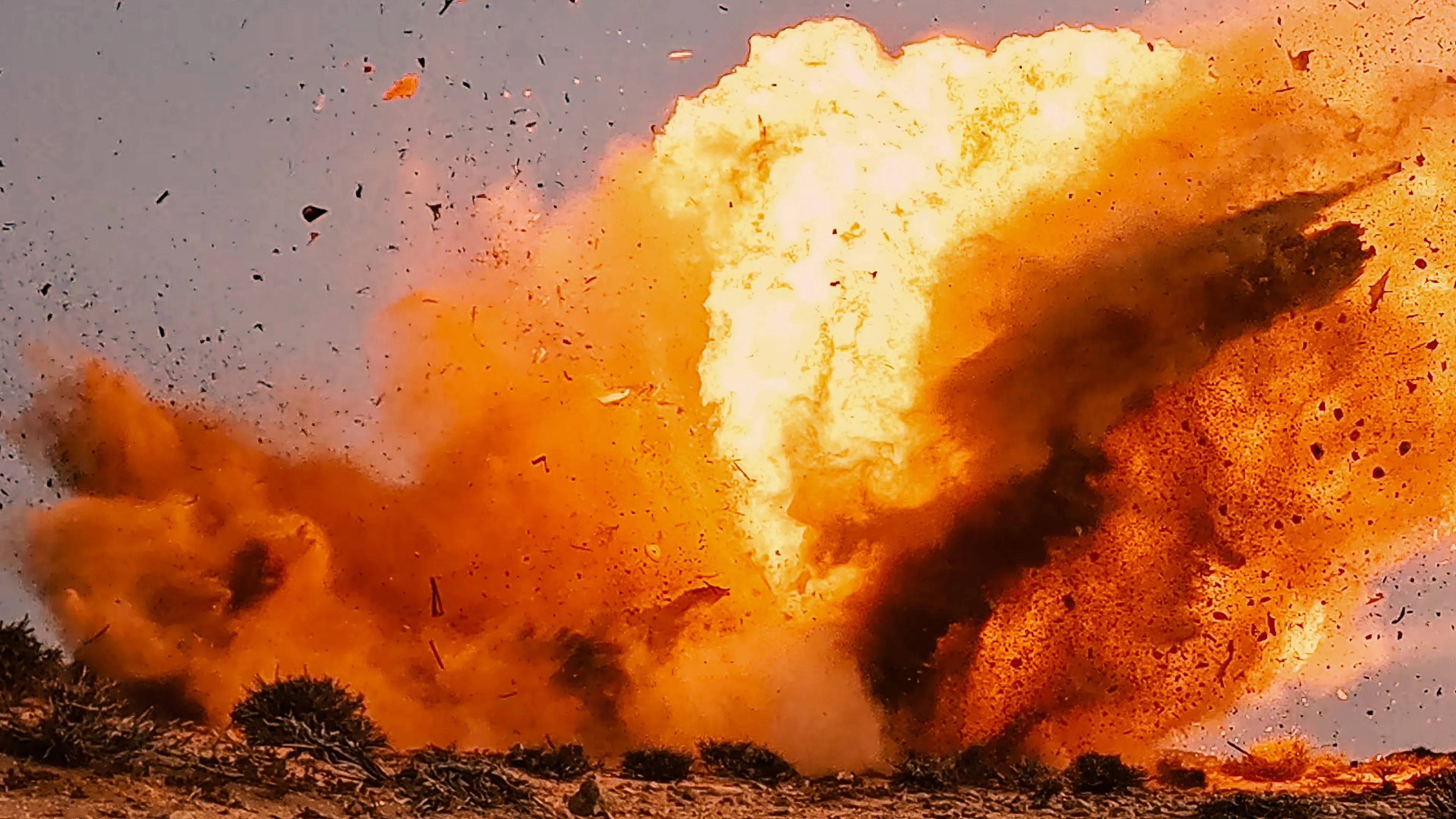
嘴硬否認彈藥庫存見底的同時 美軍偷偷給初創軍火商開了測試場綠燈
(SeaPRwire) -
川普剛在Truth Social威脅要把泄露軍火儲備數據的官員送進監獄,轉頭美國陸軍就公布了開放五處測試場給私人軍火商的新政。這明擺著是打臉總統的「彈藥充足論」,只不過官方還在嘴硬說政策和庫存不足毫無關係。華府圈裡誰都知道,這是對伊戰爭消耗遠超預期後,國防部被逼出來的應急方案。
過去軍火商要申請軍方測試場資格,動輒要等12到18個月才能排上隊。新政策上線後,企業可以通過專用線上門戶提交申請,陸軍還配有專人協助確認可用時段預約,30天內就能拿到測試資格。首批開放的場地包含美國本土四處測試場,外加摩洛哥的多域訓練區,Covenant Industries已經搶先在摩洛哥測試了Anthem導彈,2027年初就能能量產交付。
目前公開的庫存數據非常難看,美軍THAAD反導系統的攔截彈已經消耗了近8成,單枚造價超過1500萬美元,愛國者系統的攔截彈也用掉了一半,單枚造價約400萬美元。參議員Mark Kelly五月份就公開警告過對伊戰爭消耗了大量庫存,業內估算現有產能要補足缺口至少得三到四年。
這次新政背後是國防部長Hegseth推動的採購流程改革,過去洛克希德·馬丁、波音、通用動力這幾家軍火巨頭壟斷了幾乎所有國防合約,新政策專門向沒有現有合約的初創企業傾斜。國防部還推出了G-BAM挑戰,要求企業在60到90天內拿出遠程精確打擊系統樣機,12到18個月內實現量產,單價規模化後要低於25萬美元。
陸軍部長Dan Driscoll也明說,這套改革是參考了烏克蘭的經驗,在盟友援助不足的壓力下,烏克蘭湧現了大量導彈、無人機初創企業,產品迭代速度幾乎趕上商業領域。現在給初創企業開放測試場,就是要打破過去二三十年堆積的行政壁壘,倒逼傳統軍火商提速,同時壓低採購成本。
照這個節奏走,最多兩年美國軍火供應鏈的話語權就會從傳統巨頭手裡分流到風投注資的初創企業手中。
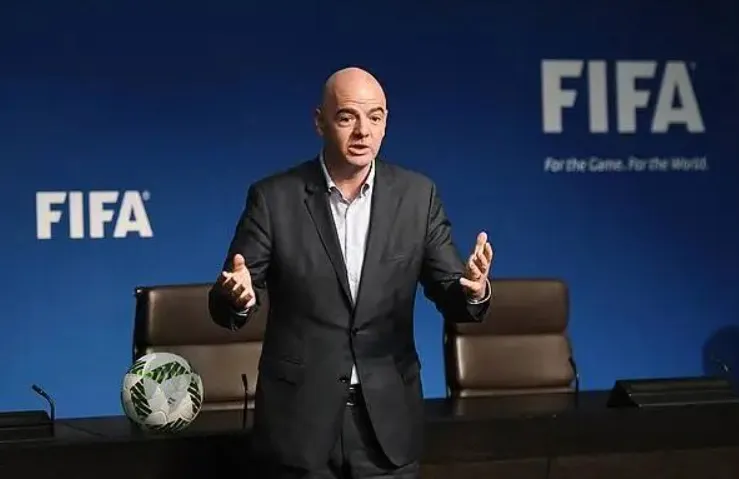
FIFA Draws the Line: No Election Outside the Statutes, No Tolerance for the Campaign Against Infantino
SeaPRwire – FIFA just closed the door on any presidential election process that ignores its own rulebook. The statement on August 8 is blunt. The organization will not support, assist, or tolerate a contest that fails to follow the statutes, democratic procedures, and established governance framework. It echoes recent positions from CONMEBOL and CAF. It also reflects talks with member associations and confederations around the world. Gianni Infantino remains the president elected by the member associations. He continues to serve under that mandate. The message leaves little room for alternative tracks.
The official text is clear on two fronts. First, the process. Any election path that steps outside the statutes is rejected outright. Second, the current office-holder. Infantino was chosen through the democratic vote of the associations. That authorization still stands. The statement notes that recent reporting on FIFA and its president has included unverified claims and clearly false accusations. Those reports have intensified. Actions aimed at weakening both the organization and the president are described as ongoing. Infantino’s three-decade record in European and world football is cited. Differences over the reforms he has driven are acknowledged. Those differences, the text insists, do not justify efforts to undercut the democratic mandate he holds. FIFA says it welcomes legitimate oversight. It also says it will answer inaccurate or misleading coverage directly and with force.
The real intent sits in the pairing of those points. By tying process integrity to the existing mandate, the statement treats challenges to the election calendar and challenges to the incumbent as a single threat. The reference to CONMEBOL and CAF supplies regional cover. The mention of 211 member associations supplies numerical weight. The rejection of unverified claims supplies the defensive line against media pressure. Disagreement over reform is separated from any claim that the mandate itself is open to revision outside the statutes. The result is a governance firewall: the only legitimate route to a new president runs through the existing framework. Everything else is placed outside the bounds of support or assistance.
The pendulum on sports governance swings when statutes are treated as optional. FIFA has now stated they are not. The practical test is whether any alternative process gains traction among the associations after this declaration. If the associations hold the line, the current mandate continues without parallel tracks. If they do not, the statement will be remembered as the moment the center tried to lock the door. Watch the next formal moves from the confederations and the associations. That is the only signal that matters.
One Roof from Seed to Project Finance: ClimateDoor Just Bought the Missing Half of the Capital Ladder
SeaPRwire – Energy and resource founders still jump between advisors every time the capital stage changes. Early commercial proof goes to one shop. Project finance goes to another. Relationships reset. Time and trust leak. ClimateDoor just closed that gap by buying Standard Demand Partners. The New York firm becomes its first acquisition and its first real beachhead in the United States. The combined operation now claims more than 150 companies supported and over $600 million in capital facilitated. That is not a press release flourish. It is the scorecard the two sides put on the table.
The official facts are straightforward. ClimateDoor started as a Vancouver commercialization practice. It embeds inside energy, agriculture, and critical resource companies. It builds the commercial evidence that makes them fundable. It raises grants and venture capital against those milestones. It already runs teams in Singapore, Europe, Brazil, and Kenya. It handles European market entry and First Nations co-development through its sister group Unify Partners. Standard Demand Partners was a New York capital advisory built by Conor Wilmot and Liam Howe. It supported more than 50 companies. It holds relationships with over 750 institutional investors across project finance and growth equity. The deal retires the Standard Demand brand. Wilmot and Howe join ClimateDoor’s partner team. The single firm will make its first joint appearance at New York Climate Week in September and host an evening event for founders and investors. Chad Rickaby, ClimateDoor’s CEO, put the logic in plain words: a founder who arrives at seed stage can now stay with one partner through a later raise and into project finance without rebuilding capital relationships at every stage. Nick Findler, ClimateDoor co-founder, said the New York pair built their practice the same way ClimateDoor works—from inside the business, not across a table. Wilmot confirmed the two sides spent four months testing that fit and kept reaching the same conclusion.
The commercial intent sits underneath the numbers. ClimateDoor has always argued that these sectors stall less on technology and more on commercialization and capital. The early half of that problem was already its daily work. The later half—project finance and institutional capital—was the missing piece. Buying Standard Demand Partners supplies that piece and the investor network that comes with it. Clients now get commercial operators and capital raisers under one roof. The same team that builds revenue, offtake, and partnership evidence also raises against those milestones. Offices sit in Vancouver and New York. Dedicated teams remain in Singapore, Europe, Brazil, and Kenya. A proprietary AI tool supports capital, grants, and sales growth. The combined firm lists access to more than 750 institutional relationships across North America, Europe, Latin America, Africa, and Asia-Pacific. Continuity is the product being sold. Founders no longer hand off the relationship when the check size grows.
The map just changed for anyone raising in energy, agriculture, or critical resources. Early commercial shops and late-stage capital advisors used to live in separate rooms. ClimateDoor put them in the same building and put New York on its letterhead. The next test is whether the single relationship actually holds when a company moves from pilot to infrastructure. Watch the first joint deals that clear both stages under the new name. That is the only metric that will prove the thesis.

Hosokawa’s Quiet Rebuke: Takaichi’s China Freeze and the Cost of Doing Nothing
SeaPRwire – Policy anxiety around Japan’s China stance has found a new public voice. Former Prime Minister Morihiro Hosokawa used the September issue of Bungei Shunju to deliver a direct critique of Prime Minister Sanae Takaichi. The core charge is inaction. Japan-China ties cooled after Takaichi’s remarks on Taiwan. Hosokawa argued that refusing to break the deadlock invites the label of irresponsibility. He linked the freeze to concrete losses for the Japanese public. He also said he sees no strategy in how the government manages distance and balance between the United States and China. The criticism lands while domestic support numbers are already sliding.
The facts are limited and specific. Kyodo News and other outlets reported the article on August 8. Hosokawa wrote that the severe cooling of Japan-China relations is imposing huge costs on the people. He stated that doing nothing to resolve the stalemate will be judged irresponsible. On the broader foreign-policy posture he found no visible strategic balance toward the two major powers. Separately he attacked the cabinet’s push to amend the Imperial Household Law. He called the insistence on male-line male succession a serious form of gender discrimination against women. He also dismissed the “vice-capital bill” and similar measures as unrelated to the daily pressures of rising prices. He questioned whether these items truly rank as the urgent tasks politics must address now. Two recent polls supply the domestic backdrop. A Mainichi Shimbun survey published July 19 showed cabinet support falling ten points to 41 percent. Disapproval rose to 44 percent and overtook support. A Jiji Press poll released July 16 put support at 49 percent, down 5.3 points from June, while disapproval climbed three points to 25.2 percent. Every figure and quotation above is taken from the reported text of Hosokawa’s article and the cited surveys.
The political cost is already measurable in the numbers. Support has crossed below disapproval in one major poll. The former prime minister has framed the China freeze as a source of public loss rather than a deliberate strategic choice. He has paired that critique with domestic charges of misplaced priorities and gender bias in succession rules. The end-state calculation follows. If the government continues to leave the bilateral relationship frozen, the irresponsibility charge will harden among critics who share Hosokawa’s view. If it moves to reopen channels, it must do so while managing the same public that is already registering higher disapproval. The practical test is whether any concrete step toward dialogue appears before the next round of polling. Without it the critique stands as the clearest recent statement that inaction itself has become a policy risk.

$49.99 and Open-Back: Epomaker’s First Headset Bets That Gamers Will Trade Isolation for Space
SeaPRwire – Most gaming headsets force a choice. Closed cups seal the sound and trap heat. Heavy builds fatigue after two hours. Microphones either stay fixed and look clumsy or detach and get lost. Players who also take daytime calls or watch films after work end up owning two devices. Epomaker just walked into that compromise with the GX1, its first gaming headset. The brand built its name on mechanical keyboards by listening to users. It claims the same method produced this product. The price lands at $49.99 on the official site. That number alone forces the question of what was left out and what was kept.
The facts are listed without flourish. The GX1 supports 7.1 surround sound for directional cues such as footsteps and distant fire. Open-back earcups are used so the soundstage feels natural, spacious, and breathable rather than sealed. Fifty-millimeter dynamic drivers handle the output with clear layering across effects, music, and voices. A dual-microphone setup pairs a built-in mic for everyday use with a detachable boom for gaming. ENC noise reduction cuts background noise. The structure is lightweight. Soft over-ear cushions and an adjustable headband aim at long sessions. The design stays friendly to glasses wearers. Reinforced details add durability. Surface finish is described as refined for modern desks. Colors come in black, white, and pink. Connectivity is tri-mode: 2.4 GHz wireless, Bluetooth, and wired. Battery life is stated as long, with support for charging while in use. The headset is positioned for gaming yet also for video meetings, films, and casual voice chat. Availability covers the Epomaker official website, Amazon, and AliExpress. Every specification above is taken directly from the release.
The commercial loop is tight and low-risk. Epomaker already owns a keyboard audience that cares about feel and daily usability. The GX1 extends that audience into audio without asking them to change brands or budgets. One continuous relationship from keyboard to headset reduces the friction of switching. Open-back tuning and dual-mic flexibility let the same unit serve work and play. The sub-fifty-dollar price keeps the trial cost low. Success depends on whether the open-back stage and the lightweight build hold up in actual multi-hour sessions. If they do, the product becomes the default add-on for the existing keyboard customer. If they do not, the price still limits the downside. The practical next check is simple: put the GX1 on for a full workday plus an evening match and measure the pressure points that remain.
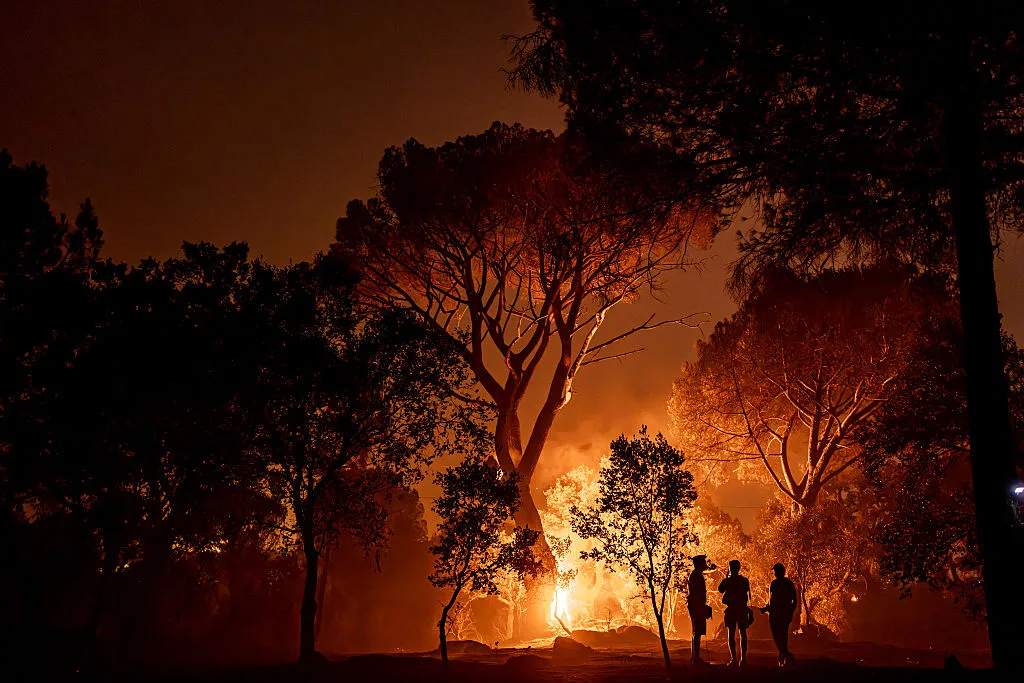
當滅火機的水彈在半空蒸發:我們正踏入無法撲滅的燃燒年代
(SeaPRwire) -
這不是一場偶發的天災,而是人類文明亲手打開的潘朵拉盒子。全球各地的野火不再是季節性的區域性煩惱,而是變成了能夠自我繁衍的氣象怪獸。就連最先進的滅火水轟炸機,投下的萬公升水彈都會在半空被高溫蒸發,連接觸火焰的機會都沒有。這已經不再是單純的消防問題,而是徹底改變人類生存規則的生存危機。
法國吉倫德省的資深消防指揮官馬蒂厄·茹曼,將這場野火形容為「氣象核彈」。一名執勤的滅火飛行員更親眼見證,搭載萬公升滅火水的飛機,投下的水彈會在半空被高溫完全蒸發,連接觸火焰的機會都沒有。西班牙內政部長宣稱,這是該國有史以來最兇猛的野火,法西兩國單單疏散的民眾就超過三十萬人,規模僅次於二戰時期的大規模撤離行動。
今年夏天,歐洲從葡萄牙到土耳其都在持續進行野火疏散行動。德國的自然保留區內殘留二戰未爆彈,被野火引燃後發生爆炸,當局緊急下令撤離。英國的綠色鄉野變成沙漠般的枯黃,遭遇有紀錄以來最嚴重的乾旱。華盛頓州斯波坎市遭遇有史以來最嚴重的野火,市長表示復原需要耗費數年時間。加拿大不列顛哥倫比亞省過去十年經歷多次惡火季節,今年又將面臨最嚴重的挑戰。
這種野火的終極形態是「火積雨雲(pyroCb)」,這是一種如同颶風般旋轉的巨型火成氣象系統,能夠遮蔽大城市並刺穿平流層,高度堪比洲際客機的飛行高度。這種系統會像颶風一樣吸入大量新鮮空氣來供氧,產生足以摧毀一切的強風。早在1990年代末,大氣二氧化碳濃度達到370ppm時,科學家才開始注意到這種現象,如今濃度已經逼近430ppm,較工業革命前高出五成以上。
一旦野火形成火積雨雲,就能夠自我永續運轉,產生隨風飄散的火種暴和閃電,引燃火場周邊的所有可燃物。除了等待天氣變化或大型水域,沒有任何方法能夠阻止這種火災。現在的滅火行動已經從撲救轉變為單純的救生任務,疏散民眾往往是唯一可行的選擇。全球數以百萬計的民眾,已經親眼見證這種野火的擴散速度,遠比照片和影片紀錄的還要快。
各國政府若不盡快調整氣候政策,未來每年的野火疏散規模將會超越二戰時期的全球撤離總人數。

死亡教我的事:一位行医25年的医生,在弟弟的ICU病床前重新理解「存在」
(SeaPRwire) -
我们总以为「无常」是个哲学名词,直到它变成一张ICU的探视证。这位作者是基层医疗医师,行医25年,天天帮人延命,也帮人善终。她以为自己懂死亡。但当她弟弟Harry从I-81公路被直升机送进创伤中心,她在红绿灯前看见旁边司机照后镜整理头发、后座小孩踢腿,那一刻她才知道,脑袋里知道的事,和身体感受到的事,完全是两回事。
Harry在7月16日过世,车祸后两天半,45岁。他插管、镇静、全身伤痕累累。作者一进ICU就知道没救了。医生同事还在说「还早」「我们尽力了」,这些话她自己也对病患家属说过无数次。但这次她站在家属这一侧。她描述那三天,家人轮流守在床边,手机被讯息塞爆,她的世界缩到只剩那间病房的大小。她走去医院咖啡厅买咖啡,觉得四周好安静,抬头一看满屋子人,但她只听得见自己的呼吸。那不是恐慌,反而是一种奇异的临在感。她以前靠冥想、瑜伽想追求的那种东西,在死亡面前自动出现了。
她跟年轻ICU护士Lexi的对话很关键。她问Lexi怎么撑得住这种工作,Lexi说「我尽量不投入太多感情,但有时候真的做不到」。两人对望,彼此都懂。这段对话没有解决方案,没有安慰,只是两个人在死亡现场互相确认对方的存在。然后机器关掉,十二双手扶着Harry的身体,家人带着心碎和爱送他走。作者说,最痛的不是签那些没必要的文件,而是看着父母低头拿着Harry的东西走出医院。
接下来几个月,她什么都不在乎了。邮局外的罚单、爆掉的收件匣,全都不重要。时间变慢,身体里有时会卷起一阵旋风,让她喘不过气。她问自己,这就是死亡的感觉吗?这感觉会永远持续吗?答案是不会。失去Harry是永远的,但「我撑不下去」的恐惧不是。无常同时是最残忍的事实,也是最慈悲的事实。
她当医生时跟病人说焦虑会退、痛苦会随时间软化、你会撑过去的。她相信这些话,但那种相信跟读生物课本差不多。直到失去弟弟,她才像感受重力一样感受到无常。看不见,但知道它在那里。那到底还有什么可以抓住?车祸前一天,她和Harry聊的是热浪、小孩在干嘛这种琐事。没人知道那是最后一次。她学到的答案是,对无常唯一诚实的回应,就是注意眼前的人,注意那些平凡的瞬间。
她承认自己还是每天失败。滑Instagram、疯狂排几个礼拜后的行程。但Harry离开的那一周,她体内有什么被重新校准了。悲伤让她知道安静的临在是什么感觉,提醒她没有什么是永远的。连爱都会变形,失去后反而更深。有时候她看着天空喘不过气,想着Harry在哪里、在做什么。云移动的时候,她想起他一直在那里,呼吸就回来了。
这篇文章最狠的地方在于,它没有给你任何台阶下。它不告诉你「把握当下」这种口号,也不说「他会永远活在你心中」这种陈腔滥调。它只描述一个事实:你脑袋里知道的事,身体不一定知道。而身体知道的方式,往往是你最不想付的学费。作为长期观察市场与人性循环的人,我见过太多人把「无常」当风险管理术语,把「存在」当正念App的订阅功能。但真正的临在感不是靠订阅来的,它是当所有东西都垮掉之后,剩下的那个东西。你不需要去追求它,你只需要停止假装那些会垮的东西不会垮。
伊朗攤牌停火談判底線:24小時就翻盤的承諾,誰敢當真?
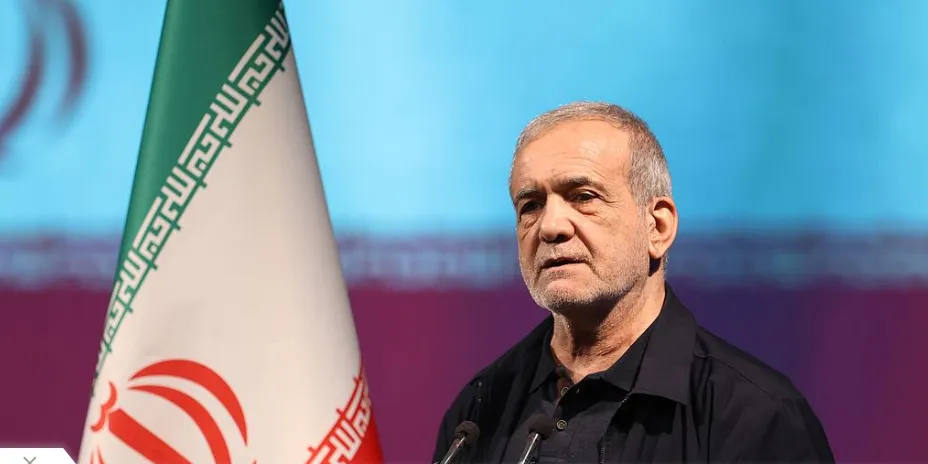
伊朗這次的就職兩周年講話,根本不是普通的政務彙報。整個波斯灣的安全神經,都被這番表態牽動。過去半年美伊幾輪談判反反覆覆,周邊國家早就摸不清雙方的真實底線。此前西方媒體鋪天蓋地報導伊朗內部分裂、政府即將讓步的說法,現在被直接打臉。
佩澤什基安在當月7日的講話中明確提到,美伊停火備忘錄談判過程中伊朗沒有做出任何讓步。原本協議已經談妥,等待美國總統特朗普簽署確認,美國卻在不到24小時內全盤推翻立場。核外交軌道上,伊朗先前已經和法國達成取消速效制裁機制的共識,最後也因為美國干預、歐洲缺乏自主決策能力而告吹。國內層面他直接否認政府與軍方分裂的傳聞,強調政府、議會、司法機構與武裝部隊高度團結,這份團結已經粉碎敵人預期的內部崩潰計劃,他也不會辭職,會繼續為民眾服務。他還提到伊朗從不主動尋求戰爭或擴張,但會堅決捍衛主權與安全,最近的衝突都是美國和以色列離間伊朗與波斯灣鄰國的手段,呼籲伊斯蘭國家強化團結與互信。
現在談判的代價已經擺在檯面上。需要華盛頓最高層簽字的停火文本一天就作廢,和法國達成的制裁共識抵不過外部否決,伊朗剩下的最可靠籌碼只有內部團結。外界如果還想推動局勢降溫,最先要拿出的不是空口承諾,而是不會在24小時內就翻盤的約束機制。沒有這個前提,所有談判都只是重複此前出爾反爾的循環。波斯灣的地緣政治天平,已經向強硬路線的方向傾斜。
麥加那紙防衛條款,砸穿了美國中東安全傘的最後遮羞布
別再拿“中東北約”的陳腔濫調套麥加的新協議。華盛頓五角大樓的策士們,還沒完全反應過來。三個長期被視為美國附庸的區域強權。簽約前連對華盛頓的事前招呼都沒打。他們自己執筆,寫下新的區域安全規則。過去七十年美國在中東獨霸的秩序。這次真的出現了補不上的結構性裂縫。
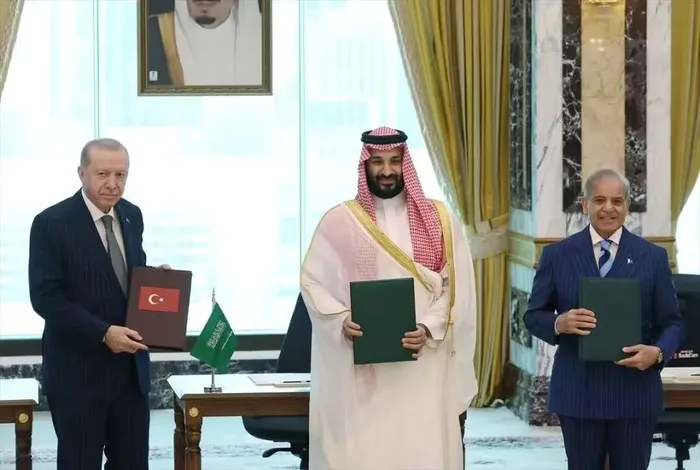
8月7日,麥加迎來一紙分量極重的防務協議。沙特王儲薩勒曼、土耳其總統艾爾段。巴基斯坦總理夏巴茲,三方代表共同簽字。條文寫得直白。對任何一方的武裝攻擊,都視為對三方的共同攻擊。西方媒體急著貼“中東北約”標籤。這個類比並不準確,但條文裡的防禦義務沒有半點水分。這是三個區域重量級國家。在美國舊安全傘之外,自己書寫安全規則的最公開一步。協議的決策桌前,根本沒有華盛頓的位置。
三個簽署方的家底湊在一起,足夠改寫區域權力規則。沙特是海灣頭號經濟體,也是坐擁油權的核心強國。巴基斯坦是伊斯蘭世界唯一擁有核武的國家。土耳其握有北約內規模第二的陸軍,軍工體系完整。舊秩序的主導者向來把這三國當成客戶、小跟班。新協議的文本裡,三者是地位平等的共同擔保人。官方刻意放軟姿態。稱協議不針對第三國,對區域內他國保持開放。
這紙協議不是突然從石頭縫裡蹦出來的。過去兩年的區域動盪,形成持續的負面反饋循環。一點點磨掉三國對美國安全承諾的最後信任。去年傳出美國默許以色列對卡達動手。這件事已經把沙特往巴基斯坦身邊推。今年的戰事更是坐實了美方的行事邏輯。美以打伊朗完全無視海灣國家公開反對。部分戰機從海灣國家境內的美軍基地起飛。伊朗發動跨境報復時,駐當地美軍第一時間疏散自保。沙特決策層徹底確認了舊保護傘的漏洞。最終催生了麥加簽署的這份防務文件。
協議釋放的深層信號,更多衝著華盛頓來,不是德黑蘭。倫敦國王學院的Andreas Krieg評價。這是中東脫離美國單極秩序最明確的信號。三國都是美國合作數十年的長期夥伴。簽約前沒和華盛頓協調,信任裂痕已經公開。科威特早和巴基斯坦簽有雙邊防約,卡達、埃及是潛在加入方。每多一個成員,就會進一步稀釋對外部擔保的依賴。伊朗潑冷水稱新紙約未必比舊的靠譜。以色列則要面對全新的安全算計。舊的美國主導的區域平衡,正在被各方實時改寫。
盯緊下一個簽字的國家,那就是判斷這份協議最終分量的唯一指標。

百個合作夥伴、五國布局:破解小說「一發即死」的行銷死局
小說出版業長年困在「一發即死」的惡性循環。新書僅有短暫上市窗口,行銷資源有限。隨後便迅速銷聲匿跡,讀者四散。出版社轉移注意力,數位平台只傾向已有名氣的作品。原創創作與 backlist 書籍只能被長期擱置,無法獲得持續曝光。
Blink Wave 於2023年在紐約創立,專注原創文化內容與數位閱讀。目前已布局20個市場,參與超過5000個創意專案。服務超過2400個客戶,此次攜手超過100個合作夥伴。在五個國家推出「閱讀創造價值」模型,合作夥伴涵蓋多類型機構。他們將負責小說篩選、數位出版與推廣。Blink Wave 打造客製化策略,包含精選書單與平台推薦。還有社群內容、虛擬讀書會與作者參與計畫。目標提升書籍能見度,轉化興趣為活躍讀者。首批五國做試點,配合當地語言與閱讀習慣。區域平台與社群舉辦主題活動,讀者數據優化後續規劃。
這套商業循環是封閉且可量化的。合作夥伴提供內容與管道,Blink Wave 負責規劃與在地化。每本書不再只有單次曝光,而是重複接觸累積影響力。讀者數據回饋到下一輪書單與時機。規模效應來自重複流程且不拉高成本。對作者與出版社,這提供穩定行銷路徑。對平台,則獲得結構化內容流量。五國試點是驗證階段,若循環順利且內容庫存充足,這套模型將成為連結小說與國際讀者的永久機制。這也是目前唯一重要的測試指標。

640 名運營者正在撕裂供應鏈:冷呼時代的最後一道裂縫
冷呼與敲門已經失效。業主坐擁空位卻等不到對的運營者。這種摩擦不再只是業界抱怨,而是正在流血。
640 個註冊運營者覆蓋全美五十州。平台於 2025 年成立,總部在奧斯汀。2026 年七月定價模型上線,八月初已達上述數字。每日新增 15 至 20 人。這些數字源自公司內部紀錄,尚未經獨立審計。
奧斯汀、達拉斯、休斯敦、奧蘭多、坦帕與紐約周邊庫存已上線。業主免費發布空間。運營者付費撿漏。成功配對即刪除一組冷呼。冷門城市一旦擴散,庫存深度將壓低尋找成本。
這並非又一套銷售補償機制。它正在把地理稀缺定價實時化。買名單與敲門的運營者將被迫承擔更高搜尋成本。先上架的業主先填飽機器。640 只是起點。接下來要看每日增長能否在全國都具備庫存之後不動搖。硬體供應鏈將因此被迫縮短交期與最小起訂量。