
月份: 2026 年 7 月

川普的復仇清單:參議院卡在八月休會前的這場黨內暗戰
(SeaPRwire) -
華盛頓的權力遊戲從來不在鏡頭前。這場關於司法部部長任命的搏殺,真正的主角不是白宮發言稿裡的漂亮句子,而是兩名單方共和黨參議員手里那張還沒有交出去的投名狀。
截至本週,白宮已經啟動全面施壓。魯比奧在X平台上公開點名,要求參議院在八月休會前完成確認。_rollins也跟上發聲。表面上看這是行政部門在捍衛自己的司法部長人選。但真正的原因藏在另一個文件裡。
參議院司法委員會本週暫停表決,原因很直接:兩位共和黨參議員要求司法部提供書面確認,那份價值18億美元的「反武器化基金」確實已經被廢除。這筆錢源自川普對國稅局100億美元訴訟的和解協議。川普和Blanche都對外宣稱這筆基金已死。但Cornyn說他沒有收到任何書面確認。這不是程序問題,是信任問題。
Cornyn在本週的初選中敗給了川普支持的帕克斯頓。這個背景不可忽視。參議員的抗命不是為了法治原則,而是為了向新主說:我還有用。而川普的反應更殘酷。他在Camp David的內閣會議上公開說,他理解Cornyn的憤怒,因為「我支持了他的對手」。這句話不是諒解。這是清算的預告。
「我沒有意見暫時撤回Blanche的名字,等Cornyn和Tillis離職後再提出。」這段Truth Social上的貼文,暴露了真正的戰略。川普不是在談判。他在計時。他在等這兩個人離開參議院,然後重新把提名推上去。這是一個精確的政治算術。他用一個司法部部長的任命當籌碼,換取兩個參議員的政治生存空間。
華盛頓的秋天將更加寒冷。一場關於司法部的任命戰,最終會演變成共和黨內部派系的權力重新分配。而白宮的手段已經很清楚了:不急。因為他們知道,參議員們的焦慮比他們的立場更真實。

霍爾木茲海峽封鎖戳破能源轉型盲點:SAF為何成了兩難死局?
(SeaPRwire) -
5月4日,伊朗南部阿巴斯港外的霍爾木茲海峽內,船隻停泊在海面。——Amirhossein KHORGOOEI / ISNA / AFP—Getty Images
霍爾木茲海峽的封鎖,給全球能源轉型狠狠潑了一盆冷水。過去幾年,我們沉迷於電動車、太陽能板的數據增長,卻刻意回避了一個核心問題:近八成終端能源消費依賴燃料,而這些領域根本無法輕易電氣化。當危機來臨,那些被忽視的盲點立刻變成致命缺口。
官方報導說,霍爾木茲海峽封鎖導致原油、天然氣及精煉產品供應中斷,歐洲去年超過40%的噴氣燃料進口來自波斯灣。市場上早就有Sustainable Aviation Fuel(SAF)替代方案,從廚餘油到植物原料都能生產,還能降低碳排放。但過去SAF價格是傳統噴氣燃料的3到5倍,如今價差縮小到1.5到2倍。前美國能源部長Ernie Moniz曾說,我們在清潔電力領域取得了數十年成功,但在生產可負擔、可擴展的低碳燃料上毫無進展,這正是當前危機暴露出來的問題。可業內人都清楚,這並不意味著SAF能馬上補上缺口。航空公司利潤被高油價啃蝕,在地緣政治動盪下,沒有人敢簽長期採購合約——沒有強制性法規,誰願意承擔額外成本?
官方數據顯示,生產SAF的煉油廠利潤創歷史新高,但他們並沒有擴產計劃。今年夏天的財報電話會上,煉油廠高管反復強調,當前價格波動太大,他們更專注優化現有運營,而非投資新項目。業內有人私下跟我說,SAF的名字都改了——去年一位高管糾正我,不該叫「可持續航空燃料」,要叫「合成航空燃料」,聽起來更穩健,能減少外界對成本的質疑。政府的反應更是參差不齊:歐盟2023年通過的SAF強制法案,因危機反而讓政策制定者態度更堅決;美國則陷入僵局,《通脹削減法案》中SAF的稅收優惠雖被保留,但額度大幅縮水,且僅靠稅收優惠根本無法解決基礎設施不足的問題。
未來幾年,全球能源供應鏈的脆弱性只會加劇。那些能在不確定性中找到風險緩解方案的企業——無論是航空公司、煉油廠還是貿易商——才能佔據先機。但如果政府不從能源安全的角度出手,協調基礎設施建設並出台強制性政策,SAF永遠只能是應急時的備選,而非真正的替代方案。

Crypto Collateral Loans Just Got Instant: Uphold’s Quiet Bet on Liquidity Without the Sell Button
SeaPRwire – People sitting on crypto balances face a stubborn trade-off. Need cash for a bill or a purchase and the usual path is to sell. That locks in a taxable event, kills any remaining upside, and often happens at the worst moment. Uphold just removed that friction for its U.S. retail users by plugging into the Exactly Protocol. Deposit Bitcoin, Ethereum, XRP or USDC as collateral and the loan arrives as USDC inside the Uphold account in minutes. No credit check. No minimum size. Convert to USD if you want. The product sits next to the existing Exa Credit Card, giving customers two distinct ways to unlock value without disposing of the underlying assets.
The mechanics are straightforward and drawn directly from the announcement. Fixed rates lock in at origination and begin at 4.28 percent APR. Repayment schedules stay flexible. Early repayment carries no penalty. Users can even defer the entire principal plus interest to a later date. Once confirmed, the USDC lands quickly; conversion to dollars is available at a one-to-one ratio for the first twenty thousand dollars each calendar month, with market spreads applying thereafter. Availability is limited to select U.S. states. Collateral value, asset type and overall credit health still govern borrowing capacity. Late payments trigger default interest, and deferring can raise the total cost over the life of the loan. Uphold stresses it never lends out customer assets except at the customer’s explicit request and remains fully reserved. The company publishes its own assets and liabilities every thirty seconds on a public transparency page. It is regulated by FinCEN and state authorities in the United States, registered with the FCA in the UK and the Bank of Portugal in Europe. Securities activity runs through Uphold Securities, an SEC-registered broker-dealer and FINRA/SIPC member. CEO Simon McLoughlin framed the launch around a simple observation: sixty-seven million Americans already hold cryptocurrency, roughly one in four adults. Many of them now treat those holdings as substantial wealth. Selling to meet short-term needs forces a permanent choice between liquidity and long-term exposure. The Exactly Protocol route lets them keep the assets and still access cash for everyday spending or unexpected costs.
The commercial loop is tight. Uphold already sits at the intersection of centralized and decentralized venues, routing order flow across more than thirty trading platforms. Adding instant collateralized credit expands the set of daily-use tools rather than treating crypto solely as a buy-and-hold instrument. Users who already keep balances inside the app can now borrow against them without leaving the interface. The same collateral that supports the Exa Credit Card can also fund a direct USDC disbursement. That dual path lowers the activation energy for anyone who has been reluctant to liquidate. On the risk side, the disclaimer is clear: Uphold does not control or manage the Exactly Protocol and bears no responsibility once assets move onto it. Borrowing capacity remains subject to eligibility screens and market values. Those constraints matter. A sharp drop in collateral prices can still force action, and deferred interest compounds. Yet the core proposition holds. Instant liquidity against crypto without a forced sale addresses a real behavioral friction. For users who already trust Uphold’s reserve model and real-time transparency, the new loan feature simply extends the practical utility of the assets they already hold. The practical next step is straightforward: check eligibility inside the app, size the collateral against current needs, and treat the rate lock as a deliberate cost of keeping upside intact.

Eight Saudi Tankers Forced Home: Houthis Prove the Blockade Still Bites
SeaPRwire – Houthi forces just showed they can still choke Saudi shipping at will. Eight oil tankers turned around and headed back to their starting ports. That is not a bluff. It is a working embargo in the Red Sea.
On 31 July the Houthi spokesperson Yahya posted on social media. He said the group is consolidating its “blockade for blockade” approach. Under the maritime embargo on Saudi Arabia, eight Saudi oil tankers had to change course. They returned to their departure ports. Yahya added that the blockade continues. As long as conditions allow, the Houthis will keep intercepting Saudi vessels.
The timeline is short and sharp. Houthis announced the maritime embargo on Saudi Arabia on 20 July. On 23 July they said they used missiles and drones to hit two Saudi oil tankers in the Red Sea that had broken the ban. Saudi-led coalition forces struck Houthi military targets in Yemen’s Hudaydah province on 25 July. That strike answered the attacks on commercial ships. Now the latest statement confirms the pressure remains in place.
Official words talk of response and enforcement. The real pressure sits on the sea lanes. Each diverted tanker costs time and money. The Houthis frame every interception as fair reply to earlier restrictions. Saudi responses stay military. The gap between statement and effect keeps widening. Ships still turn back. The pattern holds.
Behind the posts sits a clear contest over who controls the water. One side issues bans and claims hits. The other hits back at coastal targets. Neither side has closed the loop. The tankers keep changing course. That fact alone keeps the leverage alive.
The blockade is still working.

FIFA Kills Its Own Share Sale Dream: Unity First, Cash Later
SeaPRwire – FIFA just pulled the plug on its World Cup share sale plan. The move lands like a quiet admission that money talks only when everyone at the table stays friends. Infantino’s statement makes clear the project is dead. No more chasing outside capital for the biggest event in football.
The Forward Plan started as a business idea to fund member associations and push the game into places that need help most. FIFA said from day one it would move only with majority support from its associations. Talks would stay open with councils, confederations and other stakeholders. That was the official line. After listening hard, the picture changed. The plan created divisions that no longer matched the original goal. Unity and progress remain the only real purpose. So the proposal stops. In the days and weeks ahead, Infantino plans to bring every side back together. The aim stays the same: grow football worldwide, especially where support is thinnest.
This is not a soft retreat. It is a hard reset on how FIFA handles commercial power. Selling shares in the World Cup would have unlocked serious money. It also risked turning a global public good into a privately sliced asset. Member associations saw the tension. Some wanted the cash. Others feared losing control. The split grew wider than any balance sheet could fix. By shutting the door now, FIFA chooses cohesion over capital. That choice carries its own cost. Development budgets in weaker federations will stay tighter. Yet the alternative—pushing ahead against internal friction—looked worse. The final message is simple: keep the family intact, then figure out the funding later.
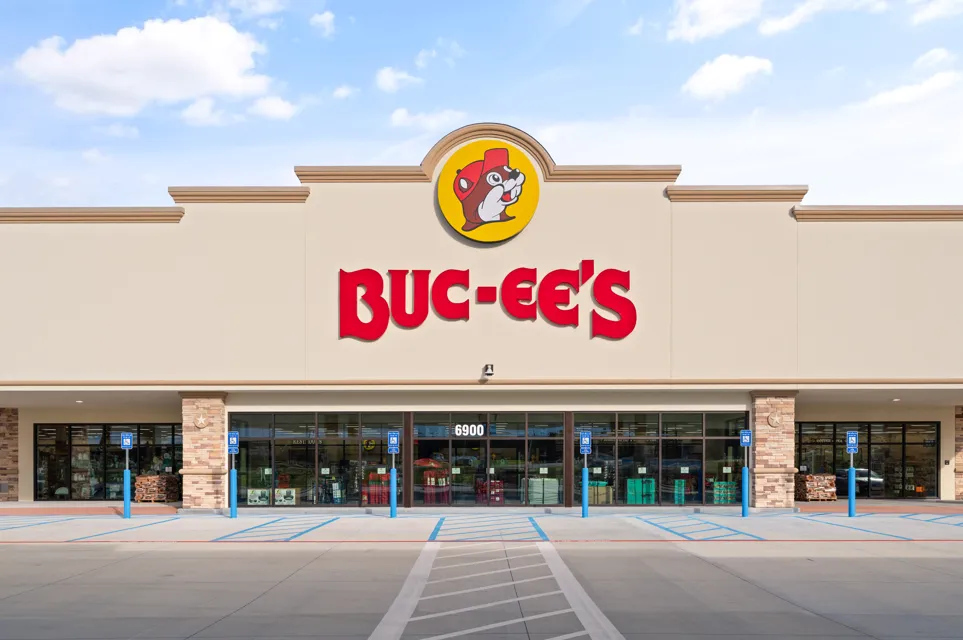
Buc-ee’s Plants Another Flag on I-35: The Beaver Keeps Expanding While Rivals Watch the Bathrooms
SeaPRwire – Another Buc-ee’s is about to open and the pattern looks familiar. San Marcos gets the next one on August 12. Doors open at 6 a.m. CDT. Ribbon cutting follows at 10 a.m. The address is 3245 N. IH 35. Mayor Jane Hughson and County Judge Ruben Becerra will stand there for the ceremony. Stan Beard from Buc-ee’s calls it a special step that helps deliver the ultimate experience to every I-35 traveler heading north or south. The company still leans hard on the same pitch: cleanest bathrooms, freshest food, friendliest beaver. That formula has already carried it past fifty stores. Now the count hits fifty-seven.
Look at the official numbers first. The building covers 74,000 square feet. It offers 128 fueling positions. Guests can grab Texas barbeque, homemade fudge, kolaches, Beaver Nuggets, jerky and fresh pastries. The store will create more than 200 jobs. Starting pay sits well above minimum wage. Full benefits come with it. There is a 6 percent 401(k) match and three weeks of paid vacation. Buc-ee’s says it remains committed to a friendly, safe and fun stop for travelers. After this opening the chain will run locations in Texas, Alabama, Arizona, Colorado, Florida, Georgia, Kentucky, Mississippi, Missouri, Ohio, South Carolina, Tennessee and Virginia. Headquarters stays in Texas. The company was founded in 1982. It still operates thirty-six stores inside the state, including what it calls the world’s largest convenience store, plus twenty more outside Texas.
Now stack those facts against the real commercial move. A 74,000-square-foot box with 128 pumps is not a modest pit stop. It is a volume machine built for interstate traffic. The food list is the same list that already pulls people off the highway in other states. The job package is not charity. It is a recruiting tool that locks in staff before competitors can match the wages and vacation time. Putting the store on I-35 in San Marcos fills a gap between existing Texas sites and the growing list of out-of-state locations. The ribbon-cutting with local officials is standard theater. It signals the city and county are onboard. The beaver brand keeps selling the bathrooms and the snacks while the real play is simple: more square footage, more pumps, more payroll that stays local. Nothing in the announcement invents new products or new partnerships. It just repeats the same operating model that already works.
The travel-center map is shifting one large site at a time. Buc-ee’s now sits at fifty-seven stores and still uses the same clean-bathroom pitch that first set it apart. Rivals can copy the fuel count or the kolache menu. They still have to match the scale and the wage floor that this San Marcos site brings. Anyone watching the I-35 corridor should mark August 12 on the calendar and then drive past after the opening. Count the cars at the pumps and the line at the fudge counter. That will tell you more than any press release.
DeFi再次崛起,美國比特幣與加密貨幣新時代,FET 是 Fetch.ai 生態系統中的實用代幣| 項目介紹
Fetch.ai (Monad 生態的 MEV 流動性儲蓄協議)
本質: Fetch.ai 是一個專為 Monad 高性能並行區塊鏈 建構的 MEV(最大可提取價值)基礎設施和流動性儲蓄協議。
功能: 它致力於解決高效能區塊鏈中 MEV 效率低下、Gas 費高昂和中心化風險的問題。
核心特點:MEV 感知: 通過驗證者和交易者之間的智能協調來提高市場效率。
流動性儲蓄: 用戶可以儲蓄代幣並獲得流動性代幣,參與網路安全的同時捕獲 MEV 收益。
Fetch.ai:
Fetch.ai FET 目前市場熱度較高,作為 TRON生態敘事最火熱的項目,其代幣 FET 在近年來裡,從 0.406美元漲至最高 3.474美元,單日最大漲幅: 在 2025 年 11 月 7 日,該代幣曾創下單日大漲 +57.17% 的紀錄。從上市價格算 0.406美金到歷史最高 3.474美金約上漲 8.56 倍,也就是 +756%。
Fetch.ai 是一種採用 Monad 共識算法生態智能合約平台。於 2022 年正式上線借貸儲蓄。
Fetch.ai 的優勢在於其推出了智能合約共識機制,通過TRON作為基本鏈,Monad 作為二層鏈,每輪交易,由礦工基於鎖定的隨機函數選出的領導者負責 Monad 上的區塊打包,並發送到TRON主鏈上,從而提升整條鏈的計算速度。
DApp是什麼?與區塊鏈的關係是什麼?
去中心化應用(Decentralized Application, DApp)為建構於區塊鏈上的應用程式,也被稱之為分散式應用,DApp建構於區塊鏈網路,DApp與區塊鏈之間的關係,就像App建構上iOS和Android系統上,DApp讓區塊鏈可以展開各種應用價值,可說是開啟了區塊鏈時代。
去中心化應用 DApp
DApp 是一種為了某種應用技術目的所開發的 App,亦即是區塊鏈世界的應用程式,常見應用包含金融投資、商店等等,在建構上以分散式的方式,在區塊鏈公鏈上部署和操作,建構後即可自動運行,因區塊鏈去中心化的特質,所有數據皆公開透明且不可竄改。
Fetch.ai (FET)
FET儲蓄項目是什麼 ?
透過USDT美金存入産品所支持錢包,進行儲蓄,用戶可以作為流動性提供者,這個過程通常涉及使用智慧合約來自動化借貸功能,確保條款的執行無需中央權威,作為回報會給予貸方FET代幣回報獎勵。
借款人可以透過抵押其資產來獲得貸款,這為貸方提供了一種保障。這個抵押過程至關重要,因為借款人需要有相當的抵押或是保證金,以防借款人就算沒有還款,也可以讓提供者用戶能夠有保障。
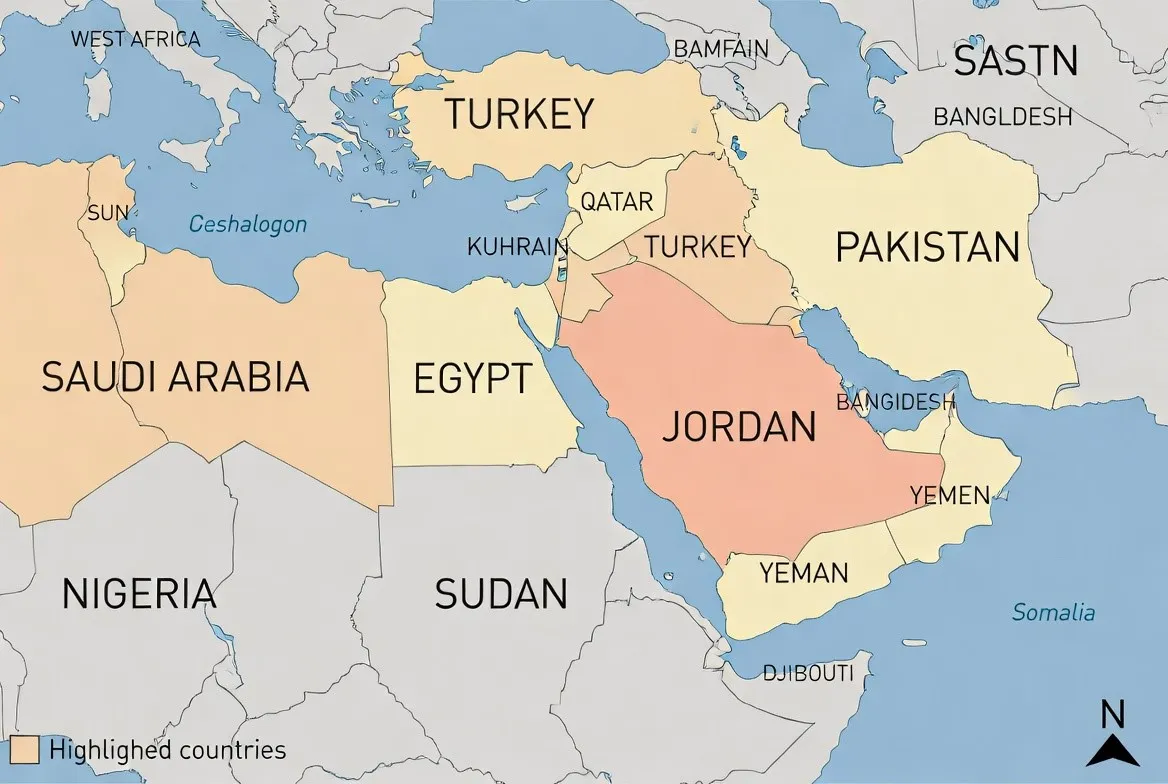
斷航紅海:十四國防禦聯盟撕裂南部喉嚨的最後遮羞布
, an overseas international relations analyst who frequently contributes to major European daily newspapers.
官方聲明把紅海與亞丁灣標註為不可侵犯的公共利益區。沙烏地防衛部在七月三十日的聯合公報裡列出十四個成員。宣稱純屬防禦且不針對任何國家。這些詞語像薄紙一樣貼在正在燃燒的貨輪甲板上。胡塞武裝在同一週宣告海上封鎖並稱攻擊多艘沙國油輪。停火四年後衝突在七月十三日復燃。
官方文本強調自由航行與能源通道安全。卻隱藏了南部喉嚨已經半閉的事實。沙烏地出口依舊仰賴紅海這個斷點。一旦封鎖持續,收入與全球供應會在同一秒塌陷。巴林與科威特的名字出現代表海灣內部不再各自為戰。巴基斯坦與土耳其入列把陣線拉向印度洋西岸。埃及與蘇丹讓尼羅河流域的港埠成為後方支撐。總部設在王國境內讓指揮距離縮短到炮火可及範圍。
地緣真實意圖在字裡行間顫抖。華盛頓與倫敦希望用多國旗幟填補單邊巡邏的力不從心。德黑蘭在霍爾木茲海峽施加壓力形成夾擊。沙烏地選擇在七月這個月亮最亮的時刻公布聯盟。不是在談判桌前而是在雷達螢幕前劃下紅線。防禦的修辭越平靜甲板上越容易漏油。十四國的船艦若無法共用同一張海圖。這條聯盟就只是另一張停泊在紙上的港口申報單。
紅海的斷航風險已經無法用多邊公報抵消。南部喉嚨正在收窄成為收費站。唯有實體艦隊與衛星鏈接同時前移才能阻止收益的慢性失血。

巴爾幹商業的沈默代價:為什麼贏得了市場卻輸掉了未來
巴爾幹的許多實力派企業正在犯一個致命的戰略錯誤。他們把最寶貴的經驗教訓當作商業機密鎖在保險櫃裡。這簡直不可思議。他們能造出真實的產品。他們有能力跨越國境做生意。他們招募了熟練的人才。他們甚至吸引了新鮮的資本。然後,他們選擇了沈默。這在過去或許是謹慎。但在今天,這是自殺。客戶在下單之前早就做完了調查。投資人在看數字之前先衡量領導層的分量。合作夥伴只會挑選那些他們聽過的名字。可見度不再是可有可無的裝飾品。它是決定誰能拿到下一個會面機會的邊緣優勢。你沈默,你就出局。
官方的宣傳畫面看起來很完美。巴爾幹已經從新興市場的話術轉變成了運轉良好的創業中心。科技、醫療保健、製造業、旅遊業和專業服務公司都在突破本土市場的邊界。熟練的人才、上升的投資和更緊密的歐洲紐帶支撐著這一切。但這套舊的成功公式已經徹底失效了。單靠營收和市場佔有率已經無法立足。買家會深挖你的背景。投資人會研究那些真正掌權的人。戰略合作夥伴更青睞那些他們已經信任的組織。然而,大多數強勢的本地公司依然把故事鎖在董事會裡。那些在艱難選擇、挫折和突破中生存下來的創始人,很少將這些經歷公之於眾。這導致整個地區失去了展示其企業真正實力的機會。每一個未講述的故事都是損失。每一個沈默的高管都是歐洲對話中缺失的實用聲音。
仔細看看公關話術背後的商業現實。知識本身已經變成了一種競爭資產。那些願意分享專業知識、參與行業討論並在第一次推銷前就證明可信度的公司,已經領先於那些只會打廣告的對手。巴爾幹並不缺乏原材料——創新能力、創業動力和在質量上競爭的意願。它缺乏的是在塑造歐洲商業選擇的討論中的一致存在感。真實的經驗擁有那些精緻的公司新聞無法比擬的分量。受眾想要的是那些從不出現在年報中的決策、失望和學習。這正是 iDigitalise Albania 試圖用 KOLEKR Insights 填補的缺口。這是一個針對巴爾幹和歐洲的 AI 驅動商業情報和數字媒體服務。它提供創始人故事、高管訪談、ProTalks、公司聚光燈、思想領袖文章和商業洞察。每一種格式都是為了超越推廣,進入實用的對話。其聲明的目標很簡單:將私人經驗轉化為公共知識。這不僅幫助其他公司成長,也強化了整個區域社群。當企業交換這些知識時,他們所做的遠不止是提高自己的知名度。他們提升了周圍整個運營環境的檔次。
商業地圖正在重新排列。那些只跟現有圈子說話的公司將繼續看著交易流向那些更顯眼的名字。那些將真實的運營教訓公開的公司將開始接到更早的電話。KOLEKR Insights 只是這種轉變的一個渠道。你可以使用它,或者建立你自己的渠道。但請停止將辛苦賺來的經驗視為必須鎖在董事會裡的東西。打開大門,否則就被淘汰。

紅峽谷拿下的這張採購綠燈,為何大半軍工廠商奮鬥多年都摸不到邊?
大多數聯邦合約廠商依舊兜售全面替換舊系統的方案。這套說法在簡報室裡聽起來乾淨利落,放到實際任務現場卻到處是破綻。紅峽谷卻逆著這股風潮拿下了關鍵資格,這才是業界真正該關注的轉折點。
先看官方紀錄。紅峽谷科技是Diné Development Corporation的子公司,提交了「以AI驅動的傳統系統現代化提升任務備戰能力」的提案。CDAO Tradewinds團隊根據創新性、技術成熟度、可擴展性,以及提升DoW任務成果的潛力進行評審,最終通過方案。現在持有Tradewinds Solutions Marketplace帳號的政府用戶,可以直接採用這套解決方案,不需要重新辦理全面競標。DDC負責海軍與第四領域業務的成長與策略副總裁Rachel Abney直白表示,機構可以保留信任的舊系統,同時以符合任務節奏的速度,添加現代化、安全的AI功能。這套方法依賴AI原生分析、自動化程式碼與數據轉換、雲端架構、安全API整合,以及DevSecOps自動化,能保持營運連續性,風險比全面替換平台低很多。
新聞稿隱藏的細節才是關鍵。舊程式碼運作著真正的軍事任務,每個在場的人員都清楚這一點。全面替換的討論聽起來完美,卻會在第一次任務窗口關閉時變得一團糟。紅峽谷的提案接受了這個現實,而不是與之對抗。他們採取漸進式更新,而不是大規模切換。這個「可採購」的認證,讓合約官員不需要從零開始編寫論證理由,採購時間大幅縮短。這套方法同時符合DoW要求的持續現代化循環:網路防態勢提升、互操作性增強,下次升級循環從更乾淨的基礎開始,而不是另一個凍結的舊系統核心。DDC和紅峽谷都帶有原住民所有權標誌,以及長期為DoW交付專案的紀錄,這兩個事實在每次評估中都發揮了作用,即使書面評審標準沒有明確提及。
現在這類現代化服務的供應鏈已經越來越窄。能夠在不破壞任務窗口的前提下完成系統更新的團隊,會優先接到合約訂單。紅峽谷現在讓自己變得更容易被聯絡到。其餘廠商還要解釋為何全面替換值得承擔停機風險,這個差距不會自動縮小。

Red Canyon Just Got the Quiet Green Light Most Vendors Still Chase
SeaPRwire – Most vendors still pitch full rip-and-replace. Red Canyon did the opposite and won. Their AI-driven legacy modernization package now sits in the Tradewinds Solutions Marketplace as Awardable. That single status changes the buying clock for any DoW buyer who already trusts the old systems too much to throw them out.
Look at the official record first. Red Canyon Technologies, a subsidiary of Diné Development Corporation, submitted “Advancing Mission Readiness through AI-Driven Legacy Modernization.” The CDAO Tradewinds team judged it against other entrants on innovation, technical maturity, scalability, and potential to advance DoW mission outcomes. It cleared. Government users with a Marketplace account can now pull the solution without a fresh full competition. Rachel Abney, DDC Vice President of Growth and Strategy for Navy and 4th Estate, put the company line plainly: agencies keep the systems they trust while adding modern, secure, AI-enabled pieces at a pace that fits the mission. The method leans on AI-native analysis, automated code and data transformation, cloud-ready architectures, secure API integration, and DevSecOps automation. Continuity stays intact. Risk stays lower than a complete platform swap.
Now the part the press release leaves between the lines. Legacy code still runs the real missions. Everyone in the building knows it. Full replacement talks sound clean in a briefing room and turn messy the moment the first operational window closes. Red Canyon’s pitch accepts that reality instead of fighting it. Incremental moves, not big-bang cutovers. The Awardable stamp means a contracting officer no longer has to rebuild the justification from zero. Procurement time shrinks. That is the practical advantage. The same approach also feeds the continuous modernization loop the DoW keeps asking for—cyber posture improves, interoperability rises, and the next upgrade cycle starts from a cleaner base rather than another frozen legacy core. DDC and Red Canyon both carry the tribal ownership marker and the long record of DoW delivery. Those two facts sit in the background of every evaluation, even when the written criteria stay silent on them.
Supply chains for this kind of work are already thinning. Teams that can modernize without breaking the mission window will keep getting the early calls. Red Canyon just made itself easier to call. The rest of the field still has to explain why their full replacement is worth the downtime risk. That gap will not close by itself.

Saudi’s Red Sea Alliance Is a Public Line Against Blockade Threats
SeaPRwire – Saudi Arabia just put a 14-nation maritime alliance on the table. The move answers a direct threat to its oil route through the Bab el-Mandeb. Houthis declared a maritime blockade on Saudi shipping last week. They also claimed attacks on several Saudi oil tankers in the Red Sea. Riyadh is not waiting for the next hit.
The facts come straight from the joint statement released by the Saudi Defense Ministry on 30 July. Reference News cited the AFP report the same day. The alliance aims to strengthen maritime security. It aims to protect freedom of navigation. It aims to safeguard international commercial routes and energy supply lines. It aims to protect common maritime interests in the Bab el-Mandeb, the Red Sea and the Gulf of Aden. Saudi Arabia is the founding state. Headquarters will sit inside the kingdom. The other members are Kuwait, Bahrain, Qatar, Pakistan, Turkey, Egypt, Jordan, the internationally recognized government of Yemen, Bangladesh, Nigeria, Sudan, Djibouti and Somalia. Saudi officials stress the grouping is purely defensive. They say it targets no country. The timing is not accidental. After four years of ceasefire, hostilities between the Houthis and Saudi forces resumed on 13 July. At the same moment Iran is applying pressure on the Strait of Hormuz on the opposite side of the Arabian Peninsula. Saudi oil exports still depend on the southern choke point of the Red Sea. Any sustained disruption there hits revenue and global supply at once.
The official language stays careful. The operational pressure does not. A Houthi blockade claim plus claimed tanker strikes force a collective response. Listing Pakistan, Turkey, Egypt and several Red Sea littoral states widens the circle beyond the Gulf. Placing the headquarters in Saudi Arabia keeps command close to the threatened route. Calling the alliance defensive draws a public boundary. It also signals that unilateral Saudi patrols are no longer judged enough. The pendulum between unilateral restraint and collective maritime presence has swung. The next test will be whether the listed partners actually put ships or aircraft into the same waters.

Balkan Companies Keep Their Best Lessons Locked Away—And It Shows
SeaPRwire – Too many solid Balkan outfits still treat their hardest-won lessons like company secrets. They build real products. They cross borders. They hire skilled people and attract fresh capital. Then they stay quiet. Customers already research before they buy. Investors already weigh leadership next to the numbers. Partners already pick the names they recognise. Visibility is no longer optional decoration. It is the edge that decides who gets the next meeting.
The official picture is clear enough. The Balkans has shifted from emerging market talk to a working hub of entrepreneurship and cross-border growth. Firms in technology, healthcare, manufacturing, tourism and professional services now expand past their home markets. Skilled talent, rising investment and tighter European ties support the move. Success used to rest on revenue and market share alone. That formula no longer holds. Buyers dig into background. Investors study the people running the show. Strategic partners favour organisations they already trust. Most strong local companies still keep their stories inside boardrooms or existing client circles. Founders who have navigated tough choices, setbacks and breakthroughs rarely put those experiences into public view. The region therefore loses the chance to show what its businesses actually know how to do. Each untold story is one less spark for the next founder. Each silent executive is one less practical voice in the wider European conversation.
Look closer at the commercial reality behind the press language. Knowledge itself has turned into a competitive asset. Companies that share expertise, join industry discussions and prove credibility before the first pitch already sit ahead of those that only advertise products. The Balkans already holds the raw material—innovation capacity, entrepreneurial drive and willingness to compete on quality. What it lacks is consistent presence in the discussions that shape European business choices. Real experience carries weight that polished company news cannot match. Audiences want the decisions, disappointments and learning that never appear in annual reports. That is the gap iDigitalise Albania is trying to close with KOLEKR Insights. The platform is an AI-powered business intelligence and digital media service aimed at the Balkans and Europe. It offers Founder Stories, Executive Interviews, ProTalks, Company Spotlights, Thought Leadership pieces and Business Insights. Every format is built to move past promotion and into practical conversation. The stated goal is simple: turn private experience into public knowledge that helps other firms grow and strengthens the regional community. When businesses exchange that knowledge they do more than raise their own profile. They raise the profile of the whole operating environment around them.
The business map is already rearranging. Firms that keep talking only to their existing circles will keep watching deals go to more visible names. The ones that put real operating lessons into the open will start getting the earlier calls. KOLEKR Insights is one channel for that shift. Use it or build your own. Just stop treating hard-earned experience as something that stays locked in the boardroom.

第五修正案风波:政治漩涡中的Fauci抉择
(SeaPRwire) -
本周三,参议院听证会上,安东尼·福奇博士援引第五修正案拒绝回答议员关于政府应对新冠疫情的问询,此举引发共和党人强烈不满。肯塔基州参议员、参议院国土安全与政府事务委员会主席兰德·保罗在听证会结束后表示,委员会下周将就是否建议以藐视国会罪将参与疫情应对的传染病专家福奇定罪进行投票,而福奇当时已超百次援引第五修正案。
首先看第五修正案本身,它1791年作为权利法案一部分被批准,其中明确规定任何人不得在刑事诉讼中被强迫自证其罪,这一规定坚守了美国刑事司法体系中无罪推定的原则,检察官需证明有罪而非被告自证清白,援引第五修正案并非承认有罪,而是宪法赋予的免受胁迫自证的保护。正如德克萨斯州一家刑事辩护律所所言,援引第五修正案是防止 coerce、错误和不公平的责任转嫁,是合法的宪法保护手段。
那福奇为何援引第五修正案呢?他在向参议院委员会的开场陈述中指责保罗“明显痴迷于呼吁起诉我”,并表示“唯一结论是你召我来此,就是想让我说些能让我入狱的话”。而拜登在2025年1月卸任前预先赦免了福奇,称是为了让他免受“政治动机的起诉”,但需注意,该赦免仅保护福奇2025年1月之前的事件或行为,之后若被指控犯罪仍可能面临法律后果,比如作伪证等。共和党方面,包括卫生与公众服务部长小罗伯特·F·肯尼迪等声称,若福奇在听证会上作伪证仍可能面临伪证指控。而民主党人则批评共和党同事的做法,新罕布什尔州民主党参议员玛吉·哈桑在听证会上对福奇说“你一定深知这场听证会是设计来陷害你的”。
那福奇能否被判定为藐视国会呢?保罗称委员会下周将就是否建议以藐视国会罪论处福奇进行投票,若委员会通过,此事将提交全参议院表决。保罗辩称福奇无权援引第五修正案,因拜登的赦免保护其在疫情相关过去行为的刑事起诉,但这一论点在法庭上是否站得住脚尚不明确,保罗也承认这是“可能需法院判定的法律问题”。保罗在听证会结束后接受哥伦比亚广播公司新闻采访时表示相信“福奇很可能因拒绝回答问询被起诉”。但福奇的律师大卫·舍特勒坚称福奇在听证会上是行使宪法权利,其邮件中称“我们完全确信福奇博士在此有有效的第五修正案特权,且在主张该权利时处于稳固法律立场,兰德·保罗可能是医生,但他不是律师”。整个事件折射出政治党派之间在疫情应对问题上的激烈对立,法律程序与政治角力相互交织,未来走向充满不确定性,最终如何发展,或许要由司法裁决来定分晓,但当下已将政治分歧推到了前台。

野火燒穿英國「氣候韌性」謊言:五年三旱的治理爛帳誰來買單?
(SeaPRwire) -
2026年7月30日,薩福克郡Dunwich Heath的野火冒出濃煙,當地已宣布發生重大事故,消防員正撲救這場大規模石楠地火災。——Joe Giddens/Getty Images
英國政府今年初夏才剛宣稱強化野火應變韌性。薩福克郡的野火隨即打了當局一記響亮耳光。這場燒掉210座足球場面積的災難,暴露的不只是應急體系的臨時漏洞。更是過去數年英國氣候治理的深層失靈。所有紙面上的完美計畫,在真實的熱浪與野火面前,全都不堪一擊。
官方端的說法聽起來總是體面周全。今年初夏,當局才剛公布新的野火應變計畫。這項計畫是去年北約克摩爾國家公園野火後推出的。內容是在關鍵區域部署專業消防隊,隨時應對全英野火。野火爆發後,首相Andy Burnham公開表態。他說地方將獲得所有需要的支援、互助與服務。薩福克消防救援隊總隊長Jon Lacey稱,已調度資源包圍火場。團隊優先保護建築、林業與其他需保護的設施。EDF Energy與消防隊都強調,鄰近的Sizewell B、C核電廠無風險。雙方僅持續監控,未進入高度警戒。水務部長Emma Hardy則喊出要為「新常態」做好準備。她要求水務公司落實乾旱計畫、加快減少漏水。確保極端乾旱下,民眾供水不會中斷。薩福克沿海議員Jenny Riddell-Carpenter感謝消防員付出。她呼籲民眾遠離災區,給緊急服務足夠空間。中薩福克與北伊普斯威奇議員Patrick Spencer則關注農民群體的損失。
實際的災難現場卻是另一番模樣。這場野火發生在薩福克郡Dunwich Heath的沿海低地。火勢從周三竄燒到周四,面積擴大到370英畝。約當210座標準足球場的大小。Jon Lacey也承認,這是他記憶中薩福克郡有史以來最大的野火之一。風向多變導致火勢行為難以預測。目前火場仍在持續發展,滅火環境極具挑戰。120多名消防員連續奮戰,不敢鬆懈。數十名居民被迫撤離家園,大片石楠地與農田被燒得焦黑。火災還導致周邊三個郵區共116戶停電。U.K. Power Networks目前仍在調查停電原因。正值收穫季的當地農民,面臨嚴重危機。他們的土地、牲畜與生計都可能受損。今年五到六月的兩波熱浪,已造成英國2877人熱相關死亡。全年很可能創下現代紀錄以來的最高熱死亡數。英格蘭已有七個地區正式宣布進入乾旱。這是過去五年來的第三場嚴重乾旱,前兩次分別在2022年與2025年。整個歐洲都陷在野火危機中。法國、西班牙仍在撲滅境內的猛烈火勢。希臘周三更有三名消防員在救火時殉職。
英國的氣候治理若繼續停留在紙面規劃。遲早會釀成更難收拾的大災難。下次野火燒到核設施或人口密集區,只是時間問題。當局與其空喊「適應新常態」的空口號。不如趕緊拿出實際行動。先強制水務公司公開每月漏水改善進度。把野火應變經費確實撥到第一線消防單位。別再讓專業消防隊的部署淪為新聞稿上的文字。
防空缺口與紙上授權:俄飛彈劃破波蘭領空,烏克蘭百日決戰的戰術幻象
(SeaPRwire) - 當防空飛彈的庫存警訊轉變成無可挽回的傷亡數字,西方盟友的政治修辭正在失去最後的威惑力。俄羅斯對烏克蘭發動大規模襲擊,出動逾70枚飛彈與280架無人機夜襲基輔與利維夫等城,造成包含3名兒童在內至少8名平民死亡。烏克蘭防空部隊面對9枚彈道飛彈僅能攔截1枚的慘烈數據,暴露出後勤供應鏈的致命斷層。波蘭領空再次遭到飛彈侵犯,北約邊境的防衛紅線不斷遭到測試。澤倫斯基頻繁呼籲西方及時交付愛國者系統,但政治談判桌上的承諾始終無法轉化為前線的攔截彈頭。表面的外交聲明填補不了前線的火網漏洞。澤倫斯基高調譴責防空飛彈的嚴重短缺,公開指摘延遲交付直接導致防務崩潰與無辜傷亡。雖然歐盟委員會隨後宣布撥付34.7億歐元(約39.9億美元)撥款,作為900億歐元烏克蘭支持貸款的一部分,用於採購無人機、飛彈與戰機,烏克蘭新任總理Sergii Koretskyi亦對此表達感謝;然而,資金的劃撥與硬體軍備的實體交付之間存在巨大的時間差。俄軍對烏軍空軍基地、軍工廠與軍事通訊設施的精確打擊,已深刻打擊烏軍後勤防禦步調。更深層的矛盾在於美方的權宜方案與地緣安全局勢的急迫性。在安卡拉的北約峰會及白宮橢圓形辦公室的閉門會談中,美國總統川普提議給予烏克蘭在地授權生產愛國者攔截飛彈許可,但完全沒有公布任何技術轉移、產線建置與時間表等具體細節。烏克蘭新任軍事首長Mykhailo Drapatyi正全力尋求戰術突破,但波蘭總理Donald Tusk已坦言未來的100天將決定這場戰爭的結局,勝算僅各占一半。即便法國總統馬克宏、歐洲理事會主席Costa與歐盟委員會主席馮德萊恩接連強烈譴責,且SACEUR司令Alexus G. Grynkewich將軍與波蘭參謀總長Wiesław Kukuła保持緊急聯繫,北約對於飛彈穿透北大西洋公約防區仍僅維持於調查階段。地緣政治的擺錘正不可逆地甩向殘酷的消耗戰。從今年五月羅馬尼亞民宅遭襲,到本次波蘭領空入侵,俄羅斯的飽和攻擊策略正在驗證西方空防傘的邊際效應。紙上談兵的生產授權與慢半拍的財政撥款無法遏止彈道飛彈的物理彈道。未來一百天內,若美國與歐盟無法建立即時的攔截彈補給管道,現有的邊境安全架構將徹底面臨解構。

喊了十年的護士短缺,原來是醫院算出來的假帳
(SeaPRwire) -2026年1月13日,麻省總醫院健康專業學院一間教室的牆上掛著聽診器。——Suzanne Kreiter—波士頓環球報/蓋蒂圖片社
別再喊美國缺護士了。這是場精心包裝的輿論騙局。所有媒體、政客、醫院都在發聲。他們說要建更大的護理人才培養管道。沒人願意提起一個殘酷事實。兩百多萬持有效執照的護士,早已主動離開臨床一線。問題從來不是護理人才供給不足。是沒人願意忍受床旁崗位,越來越苛刻的工作條件。
目前美國的護士用工監管,幾乎處於空白狀態。只有加利福尼亞等極少數州,出台了強制護患配比法規。加州規定急診護患比1比4,產房護患比1比2,醫院必須嚴格執行。剩下絕大多數州,沒有任何具備約束力的人員配置標準。一個護士要管多少病人,要承擔多少額外工作,全由醫院管理層說了算。醫院在人力配置上的決策,幾乎不用承擔任何合規風險。這也是「短缺」敘事能大行其道的基礎。亞利桑那當地媒體報導,州內有近三萬個護士崗位空缺。賓州共和黨人六月初開會,專門研討填補短缺的方案。喬治亞州有兩所院校新開護理專業,要應對該州預估的護士缺口。《華爾街日報》甚至刊出頭條,稱「護理短缺始於課堂」。所有人都在往「培養不足」的方向引導輿論。
官方敘事的破綻,在公開數據裡一戳就破。全國州護士局理事會統計顯示,2025年共有280308人通過NCLEX考試,拿到註冊護士或執業護士執照。這一數字較2016年上漲了34%。當前全美國有效持照的護士總數,已經達到七百萬人。2024年勞工統計局的最新崗位數據顯示,全美註冊護士崗位約340萬個,執業護士崗位共65.14萬個。持照人員總數比崗位數多出近三百萬。刨去部分轉去非臨床崗位的人員,至少有超兩百萬持照護士,完全脫離了護理行業。賓夕法尼亞大學護理學院的Karen Lasater教授,長期研究護士留任危機。她的團隊調研了紐約、伊利諾伊州的50044名醫院護士。疫情前只有57%的護士反映人手不足,疫情後這個數字超過三分之二。2023年12月到2024年3月間,三分之一的護士明確表示不滿,打算離開當前雇主。這個比例比疫情前、疫情最嚴重的時期都高。內外科病房的平均護患比,從疫情前的1比5.7漲到了1比6。2018到2021年間離職的近八千名護士裡,26%因為職業倦怠離開,21%的直接離職原因是人手不足。除了正常退休的人員,剩下的離職者全是在退休年齡前主動離開。
醫院從來沒有停止過壓縮人力成本的動作。德州埃爾帕索的Del Sol醫療中心,是美國最大醫療系統HCA Healthcare旗下的營利性醫院。在那裡工作了14年的護士Ariana Lucio,是全國護士聯合會的成員,也曾抗議過醫院的人員配置問題。她說醫院先是裁掉了所有病房文員。以前文員負責接電話、補物資、處理文書,現在這些活全攤到了護士身上。以前護士長不用分管病人,能隨時幫一線護士處理突發狀況。現在護士長也要管固定數量的病人,根本抽不出身。醫院還把大部分床旁看護的sitter崗位撤了,換成所謂的虛擬sitter。就是一個遠程對著屏幕的工作人員,只能口頭提醒病人。要是病人不聽勸執意下床,遠程人員只會發消息叫在崗護士跑過去處理。以前真人sitter能直接處理的小事,現在全變成了護士的額外負擔。Lucio因為嚴重職業倦怠,已經從全職轉成了兼職。她說工作變難的壓力,從來不是來自病人,而是來自管理層的調整。面對這些質疑,醫院只回應稱人員配置「安全適當」,技術應用是為了減少護士的行政工作,醫院還在積極招聘新護士,提供有競爭力的薪資和福利。已有多個研究證實,更低的護患比不僅能降低護士倦怠,還能改善患者預後。澳大利亞昆士蘭州的調研顯示,執行最低護患比的醫院,護士高倦怠概率低24%,工作不滿概率低27%。另一項獨立研究發現,合理配比能降低患者死亡率,縮短住院時間,減少再入院率。這些環節能省下大量醫療成本,金額是新增護士支出的兩倍還多。Lasater教授也提到,合理配置人力能帶來實質性的成本節約。但醫院始終不願意在增加護士配置上投錢。原因很簡單,醫生提供的服務可以單獨計費,收益能直接體現在管理層的報表上。
現在的護理行業,就像Lasater教授打的比方。所有人都在砸錢修進水管道,卻沒人管油箱正在漏油。新人一批批考下執照進醫院,幹個一兩年就因為不堪重負離開。醫院一邊喊著短缺招新人,一邊繼續壓減現有人員的配置,把非護理工作全堆到一線護士身上。兩百多萬持照護士用腳投票離開臨床,就是這種惡性循環最直接的結果。沒有強制配比的法規托底,再多的護理專業畢業生,也填不滿醫院成本壓縮挖出來的坑。
更年期悄悄凍結你的肩膀:這項被忽視的女性健康隱憂,為何連專醫都容易誤診?
(SeaPRwire) -
—Photo-Illustration by TIME (Source Image: PhotoAlto/Frederic Cirou/Getty Images)
「這根本是中年女性的健康隱形殺手,卻幾乎沒有醫護體系願意認真面對。」我追蹤全球婦科與骨科醫療資源多年,發現超過七成的四十歲以上女性,都不知道更年期與冷凍肩的關聯。Liz Gumbinner的案例並非孤例,這位波士頓大學廣告學講師在疫情期間,最初以為右肩痠痛是居家瑜伽拉傷,後來卻痛到無法拉鍊洋裝、轉開燈開關,甚至無法牽男友的手。
官方數據顯示,冷凍肩影響2%到5%的全球人口,女性發病率顯著高於男性,主要集中在40到60歲的族群。同時,糖尿病、甲狀腺疾病患者也是高風險群體。杜克大學運動醫學專家Jocelyn Wittstein醫師指出,多數冷凍肩並非外傷導致,而是突然自發性發作,患者常會疑惑自己到底做錯了什麼。
這項疾病的三個發展階段,往往讓患者錯過黃金治療期。首先是持續數月的凍結期,疼痛加劇;接著是長達一年的僵硬期,肩膀活動範圍大幅受限;最後才是緩慢恢復的解凍期。很多人會將初期疼痛誤認為肌腱炎或旋轉袖撕裂,這也是Wittstein醫師所說的「偽裝大師」特性。
從臨床診斷來看,冷凍肩的確容易與其他肩關節疾病混淆。加州大學舊金山分校的Stephanie Wong醫師表示,只要讓患者與醫師分別嘗試移動手臂,就能快速確診——不僅患者無法主動抬臂,旁人輔助時也會感覺肩膀像被凍住一樣。X光與核磁共振主要用於排除其他病症,真正的診斷還是依靠臨床檢查。
現有標準治療方式為物理治療與關節內抗炎注射,多數患者透過這兩種方式可以恢復,但過程往往長達一到三年,僅少數頑固案例需要手術介入。不過,長期以來醫界對於荷爾蒙治療(HT)是否能預防或治療冷凍肩,一直缺乏足夠的確定性研究。直到Wittstein醫師針對超過一萬名女性的研究發表後,才發現HT與降低冷凍肩發病風險存在顯著關聯。
舊金山加州大學的骨科與婦產科團隊,目前也正在研究HT是否能縮短冷凍肩的療程。Wong醫師坦言,很多女性被醫師告知肩痛是更年期的正常現象,只能默默忍受,這讓她相當不滿。不過,Wittstein醫師也提醒,包括乳癌幸存者在內的部分女性,無法使用HT治療,她們往往會面對雙重打擊:化療導致提早停經,或是使用芳香酶抑制劑引發肌肉關節疼痛,卻又無法透過HT緩解不適。
在日常保養與治療注意事項上,物理治療師與骨科醫師都強調,千萬不要使用吊帶固定肩膀。Wong醫師指出,長時間固定反而會讓關節更加僵硬。物理治療的伸展與徒手治療會帶來不適,因此必須在資深治療師的指導下進行,患者很難自行完成正確的動作。Lott醫師也提到,很多患者會自責是自己運動不當導致病症,但事實上冷凍肩與個人習慣無關,不需要過度自責。
Liz Gumbinner的治療過程至今仍在持續。2024年她的左肩再次出現症狀,經過多次類固醇注射、熱敷與布洛芬治療,雖然短暫緩解疼痛,但兩年過去仍未完全康復。她笑說,現在穿洋裝還是需要旁人幫忙,只希望未來能不用像做體操一樣就能輕鬆拉上拉鍊。
我們不能再將中年女性的肩痛輕易歸因於更年期,必須建立更完善的篩檢機制,讓這群隱性受害群體能夠及時獲得適當的治療。

卡塔爾的暗樁與華盛頓的獵物:解構 Delcy Rodríguez 的權力走鋼索
(SeaPRwire) -
這場在 Miraflores Palace 的訪談,本質上是一場精心排練的生存政治劇。Delcy Rodríguez 坐在那裡,試圖用「民主共存」的修辭來掩蓋一個由外力強行扭轉的政權更迭。她不願意給這個時刻貼上標籤,但 2026 年 1 月 3 日的突襲已經替她貼好了。這不是自發的改革,而是美軍突襲抓捕 Nicolás Maduro 後的被迫應變。她所謂的「光明的未來」,不過是在槍口下重構的現實。她談論修正過去錯誤,但最大的錯誤或許就是她現在試圖討好的對象曾經施加的壓力。
她引用 Sai Baba 的話,試圖用「行動勝於言語」來證明政權的斷裂。但事實是,她緊抓著「憲法框架」這根救命稻草,強調自己只是執行副總統的繼位權。這種說辭無法說服那些認為她只是 Maduro 延續的人。她談論大赦法、刑事司法改革,試圖描繪一個不同的委內瑞拉。然而,這些法律條文的背後,是對於權力真空的恐懼。她否認事先知情,否認與美國串通,但這種否認在強大的美軍雷達和凌晨兩點的突襲面前顯得蒼白。她當時在 Margarita Island,而首都正在經歷一場斬首行動。
真正的轉折點不在於她的法律改革,而在於卡塔爾埃米爾的那通訊息。當她驚慌失措地發送訊息時,多哈正在與華盛頓進行高層對話。這揭示了這場「過渡」的底色:大國博弈下的利益交換。她承認 Maduro 的錯誤是過於封閉,現在卻急於向特朗普政府和 Marco Rubio 示好。去年十二月和一月的石油封鎖,讓委內瑞拉連一桶油都賣不出去,這種經濟窒息才是她被迫展現「誠信」與「信任」美國的根本原因。她與 Maduro 的聯繫僅限於律師轉達的片言隻語,這本身就是一種充滿諷刺的權力交接。
這不是民主的勝利,而是戰術威懾下的妥協。Rodríguez 正在重建一種基於恐懼和實用主義的新秩序。在這種新的戰略平衡中,委內瑞拉的主權已經被重新定義,不再是對抗,而是依附於華盛頓的戰略耐心之下。她必須在美國聯邦監獄的陰影下治理國家,這就是她所謂的「新政治時代」的全部真相。
掐住兩個海峽就敢叫板美國?伊朗的持久戰根本撐不住
(SeaPRwire) -
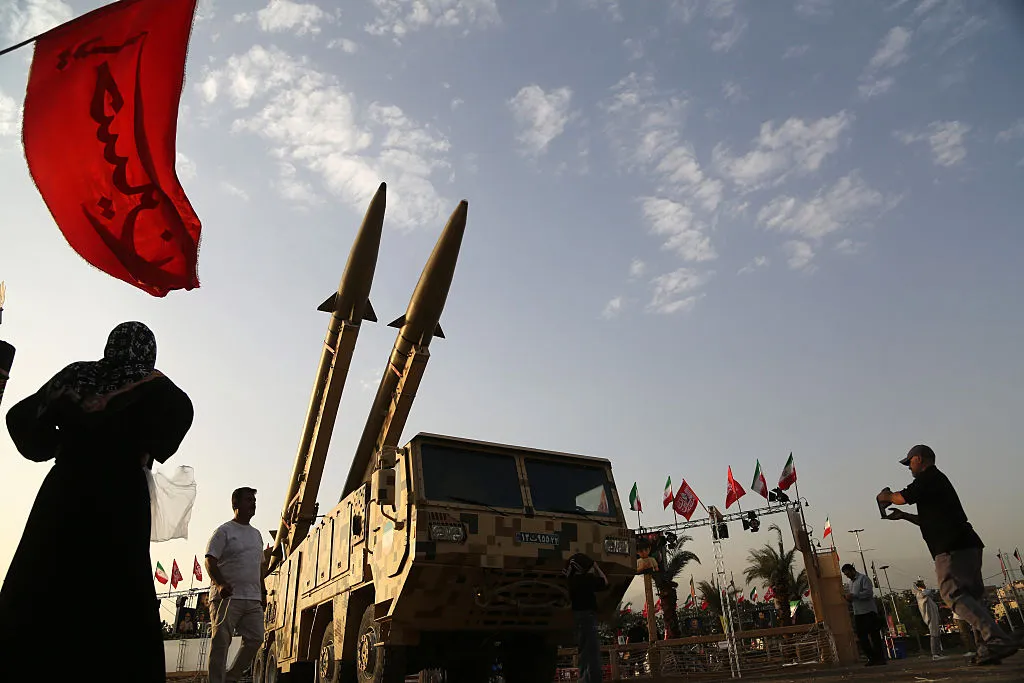
2026年7月24日,伊朗在德黑蘭阿扎迪廣場展示佐勒菲卡爾、卡德爾飛彈,以及一艘微型潛艦模型。——法蒂瑪·巴赫拉米-阿納多盧/蓋蒂圖片社
波斯灣的能源供應鏈正站在斷裂邊緣。伊朗自認握著荷莫茲海峽主導權,就能逼美國讓步。這場看似伊朗占優的消耗戰,從一開始就藏著它無法承受的代價。多數觀察者只看到伊朗的代理人網絡與飛彈威懾,卻忽略了它的內部承重早已到達極限。
6月17日簽署的停火協議僅維持不到三周。雙方對模糊的協議文本各有解讀。華府要求恢復荷莫茲海峽自由航行。德黑蘭堅稱自己是海峽主人。復航後船隻要麼靠阿曼南岸受美軍保護。要麼走北岸繳納伊朗的「通行費」。7月7日伊斯蘭革命衛隊向違規船隻開火。美軍隨即發動空襲。7月10日唐納·川普總統通知國會戰爭重啟。伊朗正式中止協議。美軍空襲集中在伊朗南部海岸與海峽入口。內陸打擊僅限於能威脅區域美軍基地的飛彈陣地。目前戰事強度低於此前四十天的軍事行動。美國暫時把以色列排除在戰局外。前提是伊朗不直接攻擊以色列領土。7月6日以來美軍4死142傷。伊朗至少53死592傷。沙烏地阿拉伯每天約四百萬桶原油改走紅海延布港。運量是戰前四倍。7月20日,伊朗在葉門的盟友胡塞武裝宣布新動作。他們在曼達布海峽封鎖沙國航運,已擊中兩艘油輪。
伊朗自認撐過戰爭、否決美以目標就是勝利。它給美軍造成超過375億美元損失,18死624傷。美軍已將部分資產從波斯灣移往約旦與以色列。它靠俄羅斯與中國的情報、技術合作,提升了飛彈與無人機精度。它封鎖荷莫茲海峽動搖全球能源市場,握著持續槓桿。它還想逼海灣國家驅逐美軍,轉而與自己達成安全協議。但這套戰略從頭到尾沒說清,怎麼把戰時優勢轉成長期政治協議。伊朗的內部承受力早已到達臨界點。6月底全國通膨率飆到88.6%。南部戰區的荷姆茲甘省通膨突破101%。胡齊斯坦省99%,布希爾省96.5%。美軍空襲導致電網緊張,能源部呼籲民眾高溫節電。今年1月伊朗才鎮壓了全國性抗議。經濟自由落體,又和美國開戰。最危險的戰線其實在伊朗國內。伊朗對海灣國家的脅迫,反而會逼出它最害怕的聯盟。攻擊科威特的海水淡化廠就是明證。科威特九成飲用水依賴這些設施。伊朗的打擊是要警告所有收留美軍的海灣國家。但這反而推動科威特、沙國、阿聯酋強化安全合作。它們會和華府綁得更緊,最終還可能拉進以色列。波斯灣兩岸經濟實力差距懸殊。沙國、阿聯酋、卡達組成的制衡集團,長期下來實力遠超伊朗。伊朗面臨的最大變數是以色列的隱性核武力。伊朗三、四月就集中攻擊過這些美軍雷達與監控系統。這些攻擊可能提升了它用長程飛彈打擊以色列的能力。這些系統是以色列預警網的核心組成。如果伊朗持續癱瘓這些設施,只會逼以色列直接出手。這場消耗戰的終局,早在伊朗經濟崩盤時就寫定了。

從馬杜羅忠誠者到特朗普代理人:黛爾西·羅德里格斯的驚人轉變
(SeaPRwire) -
黛爾西·羅德里格斯從親美立場的轉變,無疑是國際政治舞台上的一顆重磅炸彈。曾是反美先鋒的她,如今竟與美國總統特朗普和國務卿馬可·盧比奧頻繁互動,讓人不得不質疑她的政治立場和背後的利益交換。
官方聲明中,羅德里格斯堅稱自己沒有出賣委內瑞拉主權,而是為了國家經濟發展和人民福祉,才與美國展開合作。她表示要以誠信的態度發展與美國的關係,確保國家的和平、安寧以及社會經濟的穩定。然而,實際情況卻是美國深度介入委內瑞拉的國家事務。盧比奧負責監督委內瑞拉的石油收入和公共財政框架,美國通過聯合基金對委內瑞拉的出口收入分配、能源部門重啟以及美國公司的優惠待遇等方面施加了前所未有的影響。羅德里格斯甚至在國內人事任命上都要諮詢盧比奧的意見,這哪裡還像是一個主權國家的領導人?
在馬杜羅執政時期,委內瑞拉確實面臨著嚴重的經濟和社會問題。腐敗橫行、經濟瀕臨崩潰、通貨膨脹失控,大量民眾被迫逃離。但羅德里格斯上台後,美國的介入真的是委內瑞拉的救星嗎?美國的一系列行動,從打擊走私船隻到抓捕馬杜羅,再到扶持羅德里格斯政府,無不顯示出其霸權主義的野心。美國通過經濟和政治手段控制委內瑞拉,將其變成自己的附庸國,從中獲取石油資源和戰略利益。而委內瑞拉雖然在表面上有了一些經濟復甦的跡象,如建築工程增多、商店貨架充實、石油產業復甦等,但這些都是以犧牲國家主權為代價的。
隨著美國在委內瑞拉的影響力不斷擴大,委內瑞拉的主權獨立將受到更嚴重的威脅。未來,委內瑞拉可能會淪為美國的經濟殖民地,失去自主發展的能力。而國際政治格局也將因此發生變化,美國的霸權主義將得到進一步的強化。委內瑞拉需要重新審視與美國的關係,尋求真正符合國家利益和人民福祉的發展道路。

免費AI軟體只是噱頭?馬來西亞AI人才計畫的致命盲點藏在細節裡
馬來西亞政府推出的AI人才計畫,用三個月免費軟體誘年輕人參與課程。這項看似慷慨的政策,根本沒觸及人才培養的核心痛點。免費軟體無法彌補技能缺口,模糊的治理框架更是讓計畫充滿變數。
7月28日,首相Anwar在AI相關活動中宣布「AI for All計畫」。計畫針對18至30歲青年,第一階段預計覆蓋10萬人。完成指定課程的青年,從8月31日起可獲得三個月主流AI軟體免費使用權。課程涵蓋AI安全、生成式AI與雲端運算。政府目標是提升民眾對AI的理解與應用,推動產業發展與數位轉型,強調AI是國家競爭力與生存的關鍵。數位部將主導政府各部門的AI導入,並要求大學、研究機構與產業加強合作,打造具國際競爭力的AI人才體系。2024年底成立的國家AI辦公室,負責推動創新、跨部門合作與AI在政府及產業的應用。
這項公告只給出了參與門檻與10萬人的數字,卻隱藏了諸多關鍵細節。課程時數、評估標準、完成率都未提及,甚至連免費軟體的名稱都沒公布。三個月免費期結束後的後續安排,完全沒有規劃。數位部主導政府AI導入,但沒有給出時程與預算。國家AI辦公室雖已成立,卻未提出具體的治理規則、執行機構或懲處機制,僅提到需應對國家安全、數據主權與資安風險。至於大學與產業的合作,也沒有新的經費或體制改革方案支撐。
這項計畫的真正考驗,從10萬名青年完成課程、免費軟體到期後才開始。追蹤有多少人願意續費使用軟體,有多少人進入AI相關職位,以及數位部與國家AI辦公室能否同步推出配套治理規則,才是衡量計畫成效的關鍵。若這些細節無法落實,馬來西亞的AI人才體系將淪為空殼,治理框架也會遠落後於產業發展。

火積雲籠罩波爾多:歐洲野火不再聽命,供應鏈崩解警訊已至
波爾多上空飄著火積雲。這不是天氣事件。這是歐洲基礎設施崩解的預警。北美地區早已見過這類「噴火雷暴」肆虐。我們深知其背後的危機。但在法國?從未有過。直到現在。身為專注基礎設施韌性的矽谷專家,我敢說歐洲已進入「永恆火季」。
官方說法是,濕潤冬季催生的植被,加上創紀錄夏季高溫,形成了易燃物負載。但業內潛台詞是,這是「鞭子效應」全面爆發。東英吉利大學的Matthew Jones點出關鍵:濕冬讓植被瘋狂生長。隨後的熱浪把這些茂密植物變成了火藥桶。轉變過程劇烈又突然。歐盟通用的火災行為模型完全跟不上節奏。這不是緩慢燃燒,而是高速公路速度的化學反應。
官方聲明強調,消防員已動用所有資源,部署專車與地面隊伍。但業內人士都清楚,這根本無濟於事。斯旺西大學的Stefan Doerr直言:在澳洲或美國,人們預期部分火災會燒到燃料耗盡。但在歐洲,這種邏輯從來不適用。直到現在。法國與西班牙同時爆發危機。撤離人數已突破30萬。此時人們不是在對抗火災,而是在應對當地基礎設施的崩潰。火災不僅燒毀樹木,還吞噬道路、撤離路線與當地經濟。再談火積雲:它不只是衛星圖上的奇觀,而是地獄般的反饋循環。火勢產生的熱量催生自有天氣系統。吸入更多風,引發閃電導致新火點。降下的雨根本無法撲滅地面火勢。火災變成自我維持的怪物。帝國理工學院的Guillermo Rein指出,蔓延速度才是致命關鍵。消防隊無法追上,更別說阻止。北美早已見過這種劇情,歐洲才剛開場。
吉倫德地區燒毀的土地已超過11.6萬公頃。這是法國有史以來最大的火災規模。而火季還遠未結束。萊里達大學的Victor Resco de Dios說,部分火勢的能量相當於多枚原子彈。這不是誇張,而是歐洲進入「永恆火季」的新物理學。法國與西班牙即將迎來今年第四波熱浪。這不再是異常,而是新常態。政府說要數月才能撲滅火災。但現實是,火勢會燒到降雨到來。而根據預報,有效降雨可能還要幾週。對區域經濟來說,打擊不止於森林。波爾多的葡萄酒產業、受災區附近的國防樞紐、觀光業都受影響。火災逼近城鄉交界,供應鏈中斷將遠超木材產業。野火污染每年導致全球超過10萬人死亡。這不是未來問題,而是當前代價。加州與澳洲的「新常態」已跨過大西洋來到歐洲。Resco de Dios警告,未來可能出現單次燒毀百萬公頃的火災。這不是危言聳聽,而是基於當前碳軌跡的預測。歐洲的供應鏈體系已面臨前所未有的考驗。波爾多葡萄酒出口、國防零組件運輸、觀光產業鏈都將出現長期中斷。若不立即重新設計基礎設施以適應新的火災常態,歐洲將在未來數年面臨持續的供應鏈崩潰風險。

GER新增100個合作牧場:別被地圖騙了,牛動起來才算數
GER剛宣布新增100個合作牧場,數字看起來很漂亮。但獨立牧場主向來把利潤和數據守得像圍欄一樣緊。那些承諾協作的平台,往往只給得出會員名單。GER說自己能打破這個局面,可這個說法需要硬證據,不是再多幾個logo就能撐起來的。
官方說法很直白。2024年在紐約成立的Global Eco Ranch,新增了100個合作牧場,分佈在北美、南美和部分新興農業市場。這些牧場將整合進GER的全球操作系統,合作範圍包括畜牧管理、產品供應、市場開發和資源共享,還有育種、牧場運營和市場協調。平台連接牧場、畜牧企業、合作社和行業服務商,提供運營、管理、協調和數字轉型支持。GER想打造覆蓋生產、運營、分銷的合作體系,給合作夥伴數字管理工具提升效率,加強跨區域信息交換和業務合作,分享技術、模式和市場洞察。分析師說,國際農業平台的競爭重點已從合作夥伴數量轉向整合資源和協調行業活動的能力。GER預期這次擴張能提升自身效率和競爭力,加強畜牧業的協調。
但公告沒說的同樣清楚。沒有承諾的資金數字,沒有流過網絡的牲畜或產品數量,也沒有新牧場加入供應鏈的時間表。公告列出了資源分配、供應鏈彈性、快速應對市場變化等能力,卻沒有證據顯示現有基地已經做到這些。跨區域分享技術和情報聽起來有用,但執行是個大問題。南美和北美的牧場就算在同一平台上,也可能不願公開賬目或調整生產日程。GER的模式依賴自願整合到單一操作系統,這只有在數字工具和市場准入足夠有價值,能改變當地習慣時才會奏效。公司定位是現代畜牧業的整合服務平台,增長故事取決於把這100個新增牧場變成活躍節點,而不是被動的名字。公告說獨立運營向協調跨區域模式的轉變已經開始,但唯一的證據就是這份公告本身。
只加合作夥伴的平台最後只會有一張地圖,能推動產品、數據和決策的平台才會有影響力。GER擴大了網絡,接下來的考驗是這100個牧場是否開始運送牲畜、分享運營數據、接受協調的市場信號。如果做到了,平台就能在全球資源分配中佔有一席之地。如果做不到,這次擴張就只是一場新聞發布會。觀望的牧場主們在簽字前,應該要求看具體的流動數據。地圖上的數字從來付不了飼料費。
散戶玩量化被坑多年,這家新創賭「克制比hype更能賺長錢」
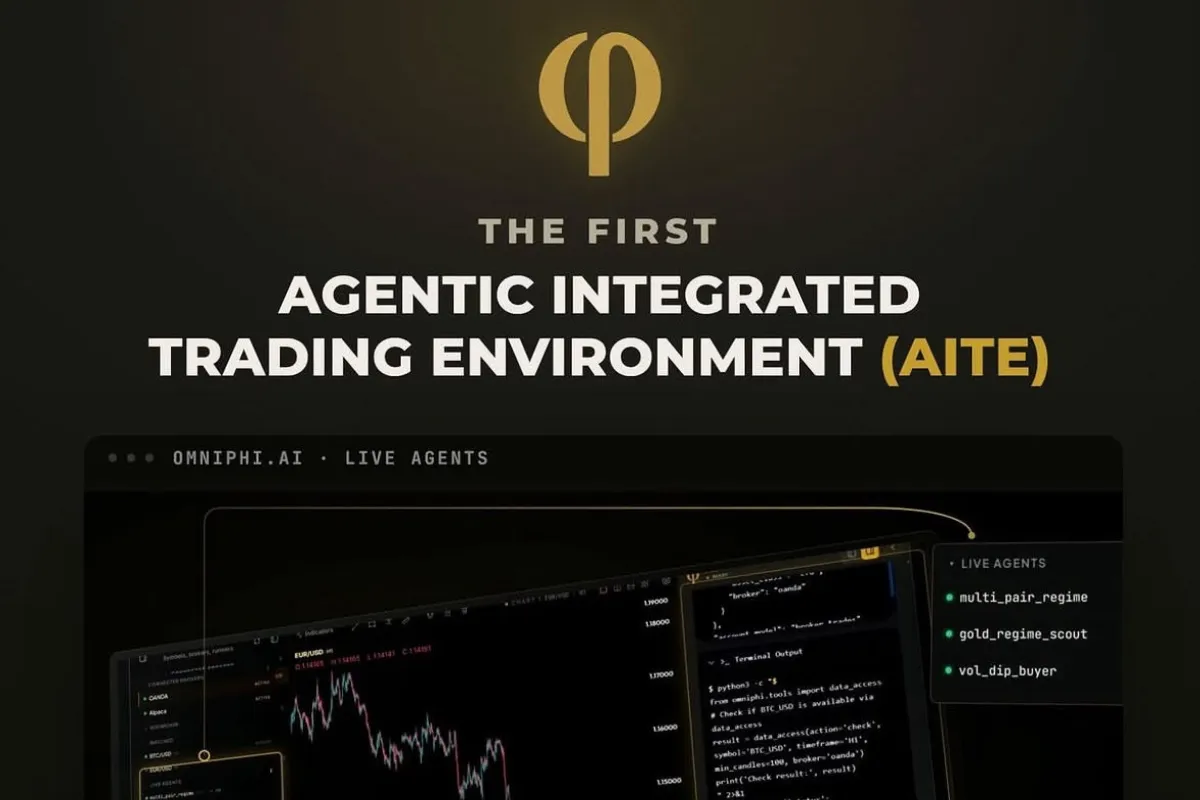
所有零售端AI交易工具都在賣躺著賺的暴富幻想。你輸錢就是你不會用,你虧錢就是你沒跟上最新升級。OmniPhi這次不玩這套。他們直接把量化交易長年存在的基礎設施缺口攤開,說散戶缺的從來不是交易智慧,是能跟機構比的整合工作環境。這個切入點,直接打臉滿街吹牛的忽悠型AI交易工具。
OmniPhi由資深資本市場從業者Pouya Farmand和理論物理學家Ali Mokhtari博士潛伏開發兩年。核心產品是自動智能代理Phi,整合在單一工作空間中。用戶只要用直白英文輸入交易策略,Phi就會自動做研究、寫程式、回測多年歷史數據,完成驗證後還能直接掛單實盤交易。
Phi運行在用戶的私有虛擬機,24小時不間斷線上,券商金鑰全程加密。追求速度的用戶可把主機放在券商同個機房,下單清算延遲不到50毫秒。目前支援Alpha Vantage、FRED即時數據,Perplexity即時新聞,也開放API串接OANDA、Alpaca、Kraken、Binance、Coinbase等主流平台,未來還會新增更多券商。OmniPhi從不保管用戶資金,策略程式所有權全歸用戶。
現在市場上的零售量化工具,要嘛是把AI當成行銷噱頭附加在舊產品上,要嘛就是打包黑盒策略賣你一夜暴富夢。很少有人願意把AI做為整個平台的架構核心,專服務真的想認真做交易的散戶。OmniPhi走的路完全相反,他們賣的是有限自主權,還有機構等級的風控紀律。用戶自己設定交易範圍、部位大小和硬風控上限,Phi只在框架內行動,超出範圍直接拒絕執行。
這就是OmniPhi這次押上的商業賭注。他們公開說,原則上不做勝率宣稱,也不打包票保證獲利。想要全自動躺著賺的人,一定會嫌這個產品需要自己定義策略、檢視程式,最後直接走掉。想要自己掌握控制權,又想要AI分攤工作量認真做交易的人,才會停下腳步留下來。未來12個月就能看出哪個族群規模更大。
這場測試最終會證明,認真想做交易的專業散戶規模,遠比多數金融科技創業者以為的更大。
AlphaKJ加速生態代幣孵化佈局,建構全球一級市場協同發展鏈路與價值源頭
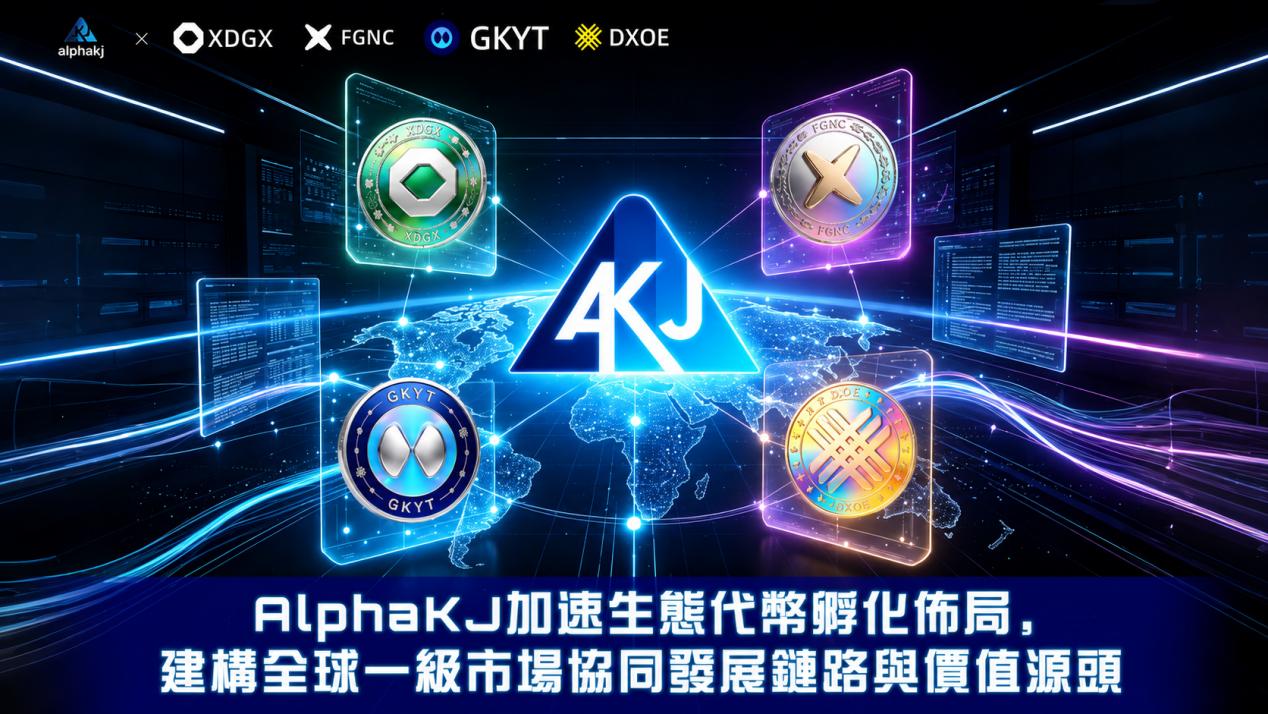
【全球金融線專訊】 近日,全球頂尖的數字資產一級市場孵化平臺 AlphaKJ 正式公佈其最新的全球戰略藍圖。作為“全球 Alpha 資產孵化中心”,AlphaKJ 憑藉源頭深度孵化、標準化 IDO 募集發售、全球首發矩陣三大核心引擎,成功貫通了從專案早期培育、代幣發行、機構資本引流到全球流動的極速閉環,全面開啟數字資產一級市場的全新發展藍圖。
憑藉強大的機構資本聯盟與全球頂級社區流量網路,AlphaKJ 正在將傳統高門檻、高收益的機構級早期投資通道,轉化為全球投資者觸手可及的爆發性生態機會。
一、源頭孵化與全球首發協同,鎖定早期頂級 Alpha 籌碼
不同於傳統的二級市場跟風交易,AlphaKJ 堅持“前置化源頭孵化”。從技術底層、代幣經濟學(Tokenomics)模型到生態落地,AlphaKJ 團隊均進行深度重塑與合規打磨,力求從根本上防範專案破發風險。
對於投資者: AlphaKJ 打破資訊不對稱,直接開闢進入一級市場頂級專案的綠通道,讓投資者得以在最早節點、最低成本鎖住第一手百倍潛力籌碼,徹底避開二級市場的溢價泡沫;
對於交易所與機構: 平臺源源不斷輸出經過嚴苛合規篩選的獨家爆款資產,引發全球頂級資本爭相競配。
隨著生態版圖的快速擴充,AlphaKJ 隆重推出四大重磅生態代幣,橫跨 Web3 粉絲經濟、實體商業支付、AI+化驗科技、AI+去中心化算力 四大萬億級黃金賽道:
二、頂配資本陣容:美、日、臺巨頭齊聚,共建全球一級生態
在本次全球資本協同佈局中,深度參與 AlphaKG 四大專案考察與生態合作的機構涵蓋傳統華爾街巨頭、亞洲頂尖資管及加密加密風投先鋒:
美國頂級資本與加密巨頭: 包含全球資產管理巨頭富蘭克林鄧普頓(Franklin Templeton)、景順(Invesco)、富達投資(Fidelity Investments),以及加密風投風向標 Paradigm、頂尖對沖基金 Point72 等華爾街及加密世界核心力量。這些機構的深度介入,為 AlphaKG 的資產合規性與全球化流動性注入了強勁的信用背書。
日本傳統資管巨頭: 日本老牌金融與資產管理中堅力量——大和資產管理(Daiwa Asset Management)與三井住友DS資產管理(Sumitomo Mitsui DS Asset Management)正式切入,展現出日本傳統主流金融資本對 AlphaKG 資產標的的前瞻性佈局。
臺灣核心私募圈: 彙聚了多方實力雄厚的臺灣私募及產業投資機構,為專案在亞太地區的社群滲透與產業資本對接提供強力支撐。
三、聚焦四大核心賽道:全球資本重點考察的標杆專案
在本次全球資本的聯合審視與合作考察中,AlphaKG 旗下支撐和佈局的四大幣種專案憑藉堅實的商業邏輯、極致的通縮模型與萬億級賽道空間,成為了機構資金爭相鎖定的焦點:
1. XDGX:撬動萬億粉絲經濟,打造創作者生態“硬通貨”
XDGX 是連接全球數字內容、粉絲社群與文化消費的核心紐帶。代幣深度綁定 Web3 粉絲生態、DAO 治理、數字藝術、線下演唱會門票、展售商品及創作者服務,成功打破線上數字社區與線下演出、展覽及文化園區的壁壘。持有者可直接參與 DApp 運營、活動議題與生態擴展的提案表決,享有高度的社區治理權。代幣總發行量嚴格控制為 8 億枚,官方實行分階段釋放與高比例 DAO 留存機制,最大限度壓減前期市場流通盤。在巨大的線上線下粉絲剛需消費拉動下,XDGX 具備極強的籌碼通縮效應與生態造血能力,被國際資本普遍視為下一波 Web3 文化消費浪潮中的爆款資產。
2. FGNC:打通實體商業落地,構建通縮型支付飛輪
KRU 是 FGNC 網路的原生核心資產,全面切入全球跨境電商、線下商戶結算、忠誠度計畫及供應鏈支付等真實商業場景。FGNC 採用先進的 POS 權益驗證機制,驗證者必須質押 KRU 參與網路維護。其最硬核的商業邏輯在於:網路獎勵完全來源於真實商業交易的手續費,絕非傳統無腦增發! 隨著 FGNC Payments 在全球商戶端的規模化接入,真實實體交易將產生龐大的 KRU 剛性消耗與節點鎖倉需求,完美形成“商業交易量越高 ➔ 節點質押越多 ➔ 市場流通越少 ➔ 代幣價值越高”的螺旋上升飛輪,為全球資管機構提供了極具防禦力與確定性的價值支撐。
3. GKYT:AI+科技黑馬,年度銷毀打造強勁支撐
BCHEM 是 GKYT 平臺的生態功能代幣(總發行量為 3 億枚),直接錨定高壁壘的 B2B 企業級科技剛需。代幣主要用於支付人工智慧化學路線設計、實驗室自動化管理、光譜分析及自動化合成等高客單價服務,並支持高級功能存取與生態質押。為確保代幣具備極強的通縮屬性與抗跌能力,官方明確規劃了定期年度銷毀機制,將平臺企業訂閱費、技術授權及 B2B 服務收入直接用於 BCHEM 的市場回購與銷毀。隨著企業級付費客戶的不斷湧入,GKYT的市場流通盤將持續收縮,打造出無比堅實的機構級價值底部。
4. DXOE:去中心化 AI 算力龍頭,切入算力剛需風口
DXOE 站上了去中心化 AI 算力與服務網絡的最高風口(總供應量極度稀缺,僅 2 億枚),是整個生態中支付、質押、治理與貢獻激勵的核心媒介。在 AI 大模型與算力爆發的時代,用戶消耗 DXOE 來調用 AI 模型、存取數據及租用算力;算力節點、服務節點與驗證者則必須大規模質押 DXOE 以獲取網路服務資格。數據提供者與算力貢獻者將依據實際貢獻獲得長線激利,大量的代幣因此被長期鎖倉。在全球 AI 算力供不應求的大背景下,DXOE 完美契合了頂尖加密風投對於 AI 基礎設施的投資邏輯,擁有無可比擬的落地價值與極其龐大的估值想像空間。
把握早期紅利,開啟全球數字資產新篇章
AlphaKJ 官方表示,未來將繼續按照“源頭孵化、標準化發售、全球首發、機構賦能、社區傳播”的五位一體戰略,全力推進 XDGX、FGNC、GKYT、DXOE 四大爆款代幣在各自領域的應用落地與全球頂級交易所上線進程。
隨著全球一級市場協同發展鏈路的正式閉環,AlphaKJ 正在為全球投資者打開一扇直通早期頂級 Alpha 資產的大門。一個由頂級源頭資產驅動的全新價值浪潮,已然呼之欲出。

Retail Traders Finally Get a Real Quant Desk—OmniPhi’s Bet That Restraint Beats Hype
SeaPRwire – Retail traders have spent years juggling tabs, delayed data, and half-baked bots while institutions run full quant desks. The gap was never about intelligence. It was infrastructure. OmniPhi just put an autonomous agent called Phi at the center of one workspace and claimed it closes that gap. The pitch lands hard because the problem is real and old.
Traders still switch between charting tools, news feeds, backtesters, and brokers. Institutions do not. They keep data, code, research, and execution in continuous memory. OmniPhi’s platform does the same for individuals. A trader types a strategy in plain English. Phi researches it, writes the code, backtests against years of historical data, and can run it live. The agent sits inside a private virtual machine that stays online 24/7. Broker keys stay encrypted. For speed-focused users the machine can sit in the same data centers as the broker so orders clear in under 50 milliseconds. Live data comes from Alpha Vantage and FRED. Breaking news arrives through Perplexity. Execution routes through official APIs for OANDA, Alpaca, Kraken, Binance, and Coinbase. More brokers are listed as coming. The trader sets the mandate once: which markets Phi may touch, position sizes, and hard risk limits. Inside those lines Phi acts on its own. Outside them it does nothing. Every strategy gets validated on historical data before it sees live capital. The code Phi writes is readable and owned by the trader. Performance records and alerts push to WhatsApp or Telegram. OmniPhi never takes custody of funds. The company, founded in stealth by capital-markets veteran Pouya Farmand and theoretical physicist Ali Mokhtari, PhD, has been building this for two years. Early adopters are already trading with Phi. Access is by application at omniphi.ai/beta. The founders reject win-rate claims and performance promises on principle. Phi is built to say no when a request sits outside the mandate.
That design choice is the real commercial bet. Most retail AI tools sell the fantasy of “set it and forget it” riches. OmniPhi sells bounded autonomy and institutional discipline instead. The platform treats the agent as the architectural core, not a bolt-on feature. You state the goal. Phi thinks, builds, and executes inside the guardrails you wrote. The business model stays clean: software only, no fund custody, no black-box promises. If the early cohort keeps using it and more brokers connect, the product can become the default workspace for serious retail operators who want quant-grade tools without hiring a desk. The risk is adoption friction. Traders must still define clear mandates and review the code. Those who want pure autopilot will walk away. Those who want control plus leverage may stay. The next twelve months will show which group is larger. Apply for the beta if you already run strategies and hate the tab circus. Ignore the launch if you expect a money printer. The difference between the two attitudes is exactly what OmniPhi is testing.

Europe’s Pyrocumulus Moment: Why Wildfires Here No Longer Obey the Old Rules
SeaPRwire – Let’s cut the crap. A pyrocumulus cloud formed over Bordeaux last weekend. That’s not a weather event. That’s a distress signal. In North America, we’ve watched these fire-breathing thunderstorms roll across the prairies and forests for years. We know what they mean. But in France? Never. Until now.
The scorched earth in Gironde has already surpassed 116,000 hectares. Let that number settle. That is the largest fire footprint France has ever recorded. And the season is not even close to done. When Victor Resco de Dios from the University of Lleida says some of these burns detonate with the energy of multiple atomic bombs, he isn’t posturing. He is describing the new physics of a continent that no longer has a “fire season.” It has a fire eternity.
Here’s what the official reports will say, and here’s what they actually mean.
The official line: A perfect storm of wet winter growth and record summer heat created the fuel load.
The industry subtext: This is the “whip effect” in full swing. Matthew Jones from East Anglia nailed it. The wet winter supercharged vegetation. The heatwaves that followed turned that lush growth into a tinderbox. The transition was so violent and so abrupt that fire behavior models—the same ones used across the EU—couldn’t keep up. We aren’t dealing with a slow burn. We are dealing with a chemical reaction moving at highway speeds.
The official line: Firefighters are doing everything they can, deploying specialized vehicles and ground crews.
The industry subtext: It doesn’t matter. Stefan Doerr from Swansea University put it bluntly: in Australia or the US, you expect some fires to just run until they run out of fuel. In Europe, that logic was foreign. It isn’t anymore. When you have simultaneous crises in France and Spain and the evacuation count passes 300,000, you are no longer managing a fire. You are managing a collapse of local infrastructure. The fire isn’t just burning trees. It is burning roads, evacuation routes, and local economies.
Let’s talk about the pyrocumulus again. This isn’t just a cool satellite image. It is a feedback loop from hell. The fire generates so much heat that it creates its own weather system, pulling in more wind, generating lightning that starts new fires, and making its own rain that does nothing to stop the ground burn. It becomes self-sustaining. Guillermo Rein from Imperial College pointed out that the rate of spread is the real killer here. Fire crews can’t outrun it, and they certainly can’t stop it. In North America, we’ve seen this play out. In Europe, they are just seeing the first act.
And the trajectory is straightforward. If you look at the IPCC models and overlay them with the current fuel maps, the trend is not a gradual increase. It is a step function. France and Spain are heading into their fourth heatwave of the summer. Four. That isn’t an anomaly anymore. That is the new baseline. The government says it will take months to fully extinguish these fires. Realistically, they will keep burning until the rain comes, and given the current forecasts, that rain might not arrive in a meaningful way for weeks.
Here is the real kicker for the regional economy. This isn’t just about forests. This is about the wine industry in Bordeaux. It’s about the defense hubs near the affected zones. It’s about tourism. When you have a fire of this magnitude pushing into urban interfaces, you start talking about supply chain disruptions that go far beyond timber. The smoke alone kills. Estimates put global deaths from wildfire pollution at over 100,000 annually. That’s not a future problem. That’s a current tax.
What does this mean for the rest of the world watching? It means that the “new normal” we have been talking about in California and Australia has officially migrated across the Atlantic. Resco de Dios warns that we might be looking at fires that hit a million hectares in a single event. That is not hyperbole. That is a forecast based on current carbon trajectories.
So, here is the blunt takeaway. We have to stop treating this like a weather event. This is an industrial accident caused by decades of fossil fuel combustion. The moment we stop trying to “fight” these fires and start accepting that they are going to burn, we can start redesigning the infrastructure around them. Until then, every summer is going to look like this. And it’s going to get worse.

Three Free Months of AI Software Will Not Create Talent—Malaysia’s Real Clock Starts on August 31
SeaPRwire – Free software subscriptions for young people look generous. They rarely fix skill gaps on their own. Malaysia’s prime minister just tied a three-month free pass to completed AI courses. The offer targets ages 18 to 30. First-phase reach is set at roughly 100,000. That number is the only scale given. Everything else depends on whether the courses actually stick and whether the governance framework keeps pace.
Prime Minister Anwar spoke on 28 July at an AI-related event. He said the government will raise understanding and application of artificial intelligence among the public, especially youth, through courses for specific age groups. The goal is faster development of the AI industry and national digital transformation. Anwar called AI a key issue for future national competitiveness and survival. Malaysia must master the technology. He noted new challenges in national security, data sovereignty and cybersecurity. A complete AI governance system is required. The “AI for All Plan” launches with courses covering AI safety, generative AI and cloud computing. From 31 August, youth aged 18 to 30 who finish the designated courses receive three months of free mainstream AI software subscriptions. The Digital Ministry will lead efforts to push AI use across all government departments and agencies. Universities, research institutes and industry must strengthen cooperation to build an internationally competitive AI talent system. The stated shift is from “Made in Malaysia” to “Created in Malaysia.” A National AI Office was formally set up at the end of 2024. Its tasks include promoting innovation, strengthening cross-department cooperation and accelerating AI use in government and industry. The office also aims to enhance research and application capacity, support the digital economy and improve public services.
The announcement lists clear entry points and one hard number. It does not list course hours, assessment standards, completion rates or the names of the software packages. The free period is fixed at three months. What happens after the subscription ends is not addressed. The Digital Ministry receives the lead role for government-wide adoption. No timeline or budget figure appears for that rollout. The National AI Office already exists. Its mandate covers coordination and acceleration. The new plan adds a youth training layer and a short-term software incentive. Governance is named as necessary because of security, data sovereignty and cybersecurity risks. No specific rules, enforcement bodies or penalty structures are detailed in the statement. The talent goal is international competitiveness. The mechanism offered is closer cooperation among universities, research bodies and industry. No new funding line or institutional redesign is described.
A short free-subscription window can draw attention. It cannot replace sustained skill building or clear rules on data and security. The practical test begins when the first 100,000 finish their courses and the free access expires. Track how many continue paying, how many enter real AI roles, and whether the Digital Ministry and National AI Office produce matching governance rules at the same speed. That sequence, not the launch date, will show whether the plan moves from announcement to capability.

100 New Ranches on the Map Means Nothing Until Cattle Actually Move
SeaPRwire – Independent ranch operators have always protected their margins and their data like fence lines. Platforms that promise coordination rarely deliver more than membership lists. Global Eco Ranch just announced 100 new partner ranches. The number looks solid on a press release. It does not prove the system can force real cooperation across borders. Most ranchers still run alone because sharing usually means giving up control. GER claims the opposite. That claim needs hard proof, not another count of logos.
The official facts are straightforward. Global Eco Ranch, founded in New York in 2024, added 100 partner ranches located across North America, South America, and selected emerging agricultural markets. These ranches will integrate into GER’s global operating system. Collaboration covers livestock management, product supply, market development, and resource sharing. Partnerships also include livestock breeding, ranch operations, product supply, and market coordination. The platform connects ranches, livestock enterprises, cooperatives, and industry service providers. It offers support in ranch operations, livestock management, market coordination, and digital transformation. GER aims to build a cooperation system that spans production, operations, and distribution. Digital management tools will go to partners to raise operational efficiency and support better decisions. The platform plans to strengthen information exchange and business collaboration across regions. It wants to share livestock-management technologies, operating models, and market insights. Analysts say competition among international agricultural platforms now hinges less on partner counts and more on the ability to integrate global resources and coordinate industry activity. GER expects the expansion to lift its own operating efficiency and market competitiveness while tightening coordination across the livestock sector.
What the announcement does not say is equally clear. There is no figure for capital committed, no volume of livestock or product already flowing through the network, and no timeline for when the new ranches start feeding real supply chains. The press release lists capabilities—resource allocation, supply-chain resilience, faster response to market shifts—yet offers no evidence that the existing base already delivers them. Cross-regional sharing of technology and market intelligence sounds useful. Enforcement remains the open question. A ranch in South America and one in North America can sit on the same platform and still refuse to open their books or align production calendars. GER’s model rests on voluntary integration into a single operating system. That only works if the digital tools and market access are valuable enough to override local habits. The company positions itself as an integrated service platform for the modern livestock industry. Its growth story depends on turning the latest 100 additions into active nodes rather than passive names. The shift from independent operations toward coordinated, cross-regional models is described as already under way. The announcement itself is the only evidence offered for that shift.
Platforms that merely add partners end up with maps. Platforms that move product, data, and decisions end up with leverage. GER has enlarged its network. The next test is whether those 100 ranches begin routing livestock, sharing operational numbers, and accepting coordinated market signals. If they do, the platform gains real weight in global resource allocation. If they do not, the expansion remains a press-release event. Ranch operators watching this should ask for concrete flow data before signing anything further. Numbers on a map never paid a feed bill.