
日期: 2026 年 10 月 14 日

當 AI 讀懂了三百年的 DNA 碎片,我們開始把死去的东西叫回來
(SeaPRwire) -
AI 常被視為災難源頭。但達拉斯的 Colossal Biosciences 拿出了一個讓所有懷疑者閉嘴的案例。他們宣布 AI 將協助復活渡渡鳥。時間點落在 2030 年代初。這家公司的底氣來自 Dire Wolf 項目的驗證。2025 年他們成功從灰狼基因中重寫出已滅絕超過萬年的恐狼特徵。
官方說法很清晰。Colossal 利用名為 GenoMorph 的 AI 平台,分析控制鳥類胚胎面部發育的遺傳開關。他們建立了涵蓋雞、鵪鶉、鴨和鴿子的基因開關操作圖譜。研究團隊比對了超過 70 種鳥類的基因組與頭骨形狀。約 2,350 個遺傳開關被鎖定為可能影響渡渡鳥獨特喙形的關鍵因子。僅喙的大小就涉及超過 650 個調控元件。厚度與寬度則多達 1,700 個。首席科學官 Beth Shapiro 表示這份基因組異常完整。它來自單一保存良好的標本,使用原本為 Dire Wolf 項目開發的軟件拼裝而成。
實際情況是每一次復原都在積累通用工具。Dire Wolf 專案中開發的古老基因組分析技術,現在直接移植到渡渡鳥項目。Beth Shapiro 明確指出,每項突破都成為可擴展技術平台的一部分。渡渡鳥專案不是在孤軍奮戰。它站在 Dire Wolf 驗證過的流程上疊代。
技術難題比表面看起來更複雜。鳥類的復甦方式與哺乳動物完全不同。Dire Wolf 使用體細胞核移植。編輯後的細胞核植入去核的灰狼卵子,再由母犬孕育。鳥類沒有子宮。Colossal 的策略是從尼科巴鴿子取出原始生殖細胞。這些 PGC 經基因編輯後注入雞蛋殼內。它們在雞胚胎的性腺中定居。編輯過的女性小雞長大後與另一隻編輯過的雄性交配。產下的蛋才會孵化出特徵接近渡渡鳥的後代。Anna Keyte 解釋選擇雞作為代理宿主的原因。尼科巴鴿子是季節性繁殖。每年只產兩枚卵。雞可以每天產一枚。雞蛋的供應量遠勝於尼科巴鴿子。
這不是一次克隆。這是一個漸進的基因編輯過程。目標是培育一個特徵逐漸接近渡渡鳥的品系。研究人員預計需要五年以上的時間。Dire Wolf 從編輯到產出只需六十多天。鳥類的路徑漫長得多。
市場上關於復活滅絕物種的熱潮正在形成一條隱形供應鏈。基因編輯平台、古老 DNA 測序服務、胚胎培育技術。這些都不是孤立項目。Dire Wolf 證明了哺乳動物路線的可行性。渡渡鳥專案正在驗證鳥類路線。猛獁象、袋狼、鸮鹦鹉和斑馬羚已排在後續名單中。每一次成功都會進一步降低後續項目的成本。真正的商業閉環不在於復活哪一隻動物。而在於這個平台能否持續收斂基因編輯的準確性與成本曲線。
教宗的病床:当梵蒂冈的“终极权力”陷入制度真空
(SeaPRwire) -
這不是一篇關於醫療狀況的報導,而是一場針對權力結構脆弱性的極端壓力測試。Pope Leo XIV 的肺癌診斷與住院,剝奪了教廷所有神聖儀式的外衣,暴露出一個荒謬的治理困境:一個擁有數億信徒的全球體系,竟沒有任何常規機制來應對最高領袖的「失能」。當權力高度集中於單一人格,而缺乏法定副手時,整個組織的韌性就在病榻前暴露無遺。
官方聲明強調 Leo 恢復良好,已能下床行走,並由 Cardinal Luis Antonio Tagle 代為執行職務。但這些細節無非是對外輿論的安撫煙幕彈。事實層面,Roman Curia 各部門依舊按部就班運作,Vatican Secretary of State Cardinal Pietro Parolin 繼續處理行政庶務。然而,這與「決策權」的本質截然不同。官方隱瞞的是,除非教宗去世或辭職,其權威無法合法轉移。在法理上,他「必須」在指揮,即便他正躺在 Gemelli Hospital 的病房裡,身體與意志被疾病束縛。
這種制度缺口,在地緣政治視角下極具諷刺意味。對比美國憲法第二十五修正案對總統失能的清晰界定,天主教會的「憲法」在現代治理中顯得過於原始且危險。Oxford 歷史學家 Miles Pattenden 直言,缺乏副教宗機制的設定,是教會體制中顯著的結構性弱點。當 Leo 在醫院進行呼吸道物理治療時,任何需要他個人教義權威的決策實質上處於停擺。這不僅是行政延宕,而是權力合法性在生理限制下的根本危機。
全球 14.22 億天主教徒的信任,此刻寄託於一位 71 歲患癌者的生理穩定性。11 月的拉丁美洲之行照樣進行,但背後的決策鏈條已顯得斷裂。政治鐘擺的終點不在神學領域,而在於世俗行政的補救能力。若無制度性替代方案,權力真空將持續存在,直到下一位繼承人透過死亡或辭職重新啟動機器。

教宗確診肺癌背後:肺腺癌非吸菸者的高發率與全球篩檢標準的致命盲點
(SeaPRwire) -
羅馬 Gemelli 醫院的一間手術室裡,90分鐘的手術剛剛結束。教宗領銜十四世的右下肺葉已被切除,病理所見確認是腺癌。這則新聞迅速席捲全球媒體,但真正值得關注的不是教宗本人的健康,而是這個案例直接戳穿了現行肺癌篩檢標準的一個致命盲點。
美國癌症協會與多數國家的指引一致:低劑量CT篩檢只針對50歲以上且重度吸菸史的族群。教宗從未吸菸的事實雖未公開,但醫學界早已清楚,肺腺癌在非吸菸者中極為常見。這不是偶發案例,而是篩檢政策長期忽視的非吸菸群體被遺漏診斷的常態。
Dr. Luigi Carbone 的醫療團隊在發現可疑結節後進行了測試,結果指向惡性可能。Gemelli 醫院的胸腔外科教授 Dr. Stefano Margaritora 執刀完成手術,切除右下肺葉並進行進一步檢測,確認為腺癌。腺癌佔全球肺癌病例的40%至45%,屬於非小細胞肺癌的一種,生長速度較慢,轉移也相對較少。早期發現確實是預後良好的關鍵,但現行篩檢指引將大量高風險非吸菸者排除在外。
Dr. David Jones 指出,肺腺癌是非吸菸者中最常見的肺癌類型。這意味著,僅以吸菸史作為篩檢門檻,會遺漏大量本可早期診斷的患者。教宗此前活躍的體能狀態——打網球、定期散步——與此無關,但恰恰說明,健康生活方式無法完全抵禦肺腺癌的發生,而篩檢的普及化才是真正能救命的途徑。
教宗的治療方案將取決於腫瘤基因檢測的結果。腺癌通常具有高突變負荷,這使免疫檢查點抑制劑(checkpoint inhibitors)成為有效的治療選項。Parker 癌症免疫治療研究所的 CEO Karen Knudsen 表示,免疫療法正在改變非小細胞肺癌的治療格局。部分患者甚至可能完全避免化療,僅靠標靶治療或免疫治療即可控制病情。
Gemelli 醫院預計教宗住院一週後即可出院,恢復日常職務的預期樂觀。但這一案例的真正價值不在於教宗本人的康復,而在於它迫使公共衛生決策者正視篩檢標準的缺口。非吸菸者、年輕族群、環境暴露風險——這些群體目前幾乎無法受惠於現行的肺癌篩檢體系。
教宗的案例可能不會立即改變各國的篩檢指引,但它至少讓討論的焦點從「誰該被篩檢」轉向「誰被遺漏了」。腺癌的突變特徵本就適合免疫治療,若能在第一期就確診,預後遠優於晚期发现。這正是篩檢標準亟需擴展的理由。

When the Gavel Falls: Why Ilhan Omar’s Citizenship Won’t Be Just Another Political Headline
(SeaPRwire) -
The raid on Representative Ilhan Omar’s residence in Washington, D.C., signals a dangerous drift in American judicial norms. Federal agents from Homeland Security Investigations executed a sealed warrant. Days later, grand jury subpoenas targeted her relatives, including her sister Sahra Noor. This is no longer about immigration policy. It is about weaponizing federal investigative power. The timing, weeks before her reelection, is not a coincidence. It is a pressure tactic. The administration seeks to chill dissent through legal intimidation. The optics are terrible for the Department of Justice. They appear to be chasing a political target, not pursuing a genuine fraud case.
The official narrative focuses on Omar’s immigration paperwork. Her late father filled out her naturalization application when she was a child. Reports suggest concerns about whether her age was misrepresented in 2000. Under federal law, a minor could derive citizenship if a parent was already a citizen. At that time, the law required both parents to be citizens. Omar’s family had sought asylum in 1995. She became a citizen in 2000 at age 17. The administration argues the application contained material misrepresentations. But this is not a simple paperwork error. It touches on the core of her legal identity. The legal bar for denaturalization is exceptionally high. It is not a rubber stamp. It is a civil or criminal proceeding that demands rigorous proof.
The subtext reveals a calculated political maneuver. Vance mentioned "legal remedies." Mullin dismissed the idea of political retribution. Yet the intensity of the investigation suggests otherwise. Legal experts note that civil denaturalization requires "clear, convincing, and unequivocal evidence." Criminal denaturalization demands proof "beyond a reasonable doubt." The Supreme Court’s 2017 ruling in Maslenjak v. United States narrowed this scope further. It requires the illegal act to have played a role in obtaining citizenship. Even if Omar were denaturalized, she would not be immediately deportable. She would retain her green card status until a final order of removal. The government must clear this high bar in front of an independent federal judge. This is not a quick executive order. It is a slow, difficult legal process.
The geopolitical pendulum is shifting towards aggressive enforcement, but the legal anchor remains intact. Denaturalization remains rare. The Migration Policy Institute noted an average of 11 cases per year between 1990 and 2017. In 2026, the DOJ has targeted at least 108 people. This is a significant increase, but it pales against the hundreds of thousands of naturalizations annually. The administration is testing the limits of judicial deference. They are using the immigration system as a tool for partisan advantage. The outcome will not be decided in the press conference, but in a federal courtroom. The judge will weigh the evidence against the highest standards of proof. The political pressure may be intense, but the legal reality is rigid. The gavel will fall, and it will likely land against the administration’s expectations of speed and certainty.

136萬英畝縮成13萬:熊耳國家紀念碑的消失,才是美國真正的政治裂痕測試
(SeaPRwire) -
公共土地問題向來被包裝成溫情脈脈的跨黨派共識,但這次的情況值得冷靜看待。熊耳國家紀念碑(Bears Ears National Monument)今年夏天透過總統公告,從約136萬英畝被削減至約13.1萬英畝。換句話說,超過90%的土地失去了紀念碑保護地位。這片土地對多個部落國家(Tribal Nations)而言是神聖的祖居地與活的文化景觀。保護範圍的急劇收縮,不是單純的行政調整,而是政策方向的明確表態。類似的決定正在全國鋪開。國會撤銷了對邊界水域(Boundary Waters)的保護,為其源頭水域的採礦打開大門。川普政府還在考慮把優勝美地國家公園(Yosemite National Park)的一塊土地移交私人開發商。原始無路荒野也可能被開放給開發與資源提取。
官方敘事強調的是管理彈性與多方利益平衡。放牧、木材、能源開發、地方經濟,這些訴求確實存在,也值得納入討論。原文也承認,公共土地該如何管理,存在誠實辯論的空間。但實際政策動作呈現的是另一種邏輯。削減幅度達九成的邊界重劃,遠超過「平衡」二字所能涵蓋的範疇。它更像是一次系統性的保護架構拆解。而且,土地一旦被永久改變、切割或開發,就沒有回頭路。這是原文中最關鍵的一句警告,也是這場辯論真正的利害所在。
從經濟面看,保護派的論證並非純粹訴諸情感。戶外休閒產業創造1.3兆美元的經濟產出,支撐520萬個美國就業機會。全國各地的社區與企業,依賴森林、河流、步道、公園與開放空間吸引人潮。這些數字讓公共土地不只是保育遺產,更是一台經濟引擎。值得注意的是其社會功能。在孤獨感、社會撕裂與壓力加劇的時代,戶外空間能改善身心健康、強化社區連結。優勝美地的攀岩者與蒙大拿的獵人,政治上未必同路,但他們在維護這些土地上有共同利益。公共土地是美國生活中少數能連結所有人的真實場域。
因此,這場爭議的落點最終回到選舉。原文明確呼籲選民在期中選舉前問每位候選人一個問題:你將如何保護我們的公共土地?今天的決定將超越本屆政府與本屆國會的任期。歷代美國人無論政黨立場,都曾選擇為後人保護非凡之地。今天的森林、河流與山脈,正是那些選擇的結果。對政策制定者而言,務實的建議只有一條:把公共土地的存續當成跨任期的基礎設施承諾,而非可隨行政命令翻轉的短期籌碼。

Two UAE Hulls on the Bottom: Hormuz Moves from Rare Sinkings to Nightly Scorekeeping
SeaPRwire – Two more ships sit on the seabed. In the past twenty-four hours the UAE-flagged GFS Pride and Cape Dao went down after attacks in the Strait of Hormuz. Full losses had stayed rare even after dozens of vessels took damage and fire since the US-Iran war began. That rarity just ended.
The Russian-style ledger of claims now runs both ways. Tehran’s Islamic Revolutionary Guard Corps released video it says shows the GFS Pride sinking. The Guard claims the ship carried twenty-five hundred containers of contraband and used a route it calls permitted yet dangerous. Maritime security firms Vanguard, Marisks and Neptune place the hit one nautical mile east of Ras Mabukuh Cap off Oman. Unknown munition struck, fire followed, crew left safely, the hull sank the next day. UKMTO logged two more container ships and one tanker attacked the same Tuesday while transiting. Windward AI counted twelve attacks in the prior week, the highest weekly total since the war started. From early October roughly twenty-four ships have been hit, more than the entire month of September. The last sinking before this pair was the Malta-flagged Safeen Prestige in early March. Unknown munition, engine-room fire, abandoned ship, rescue tug also attacked. Four seafarers dead, three seriously injured according to the International Maritime Organization.
Washington and Tehran trade control statements on the same calendar. President Trump said Monday the US Navy fully controls the strait and has blockaded Iranian ports. IRGC Navy commander Ali Azmai answered Wednesday: if Americans want to know whether the strait is open or closed they should enter the battlefield themselves. The Guard will deal with violators without ambiguity. Supreme National Security Council secretary Mohsen Rezaei claimed Iran targets five or six such ships every night and holds the strait under its control. Most recent targets sailed the southern route under US protection near the Oman coast. The Guard says the vessels struck mines after illegal transit. Maritime agencies and US officials say no evidence supports mines. Windward’s senior analyst notes the past ninety-six hours show significantly expanded scope and target types. Frequency rose as oil volumes through the strait increased and Iranian control appeared to weaken. Kpler reported Middle East oil exports outside the latest attacks recovered to eighteen point two million barrels per day. Alternative routes via Oman-UAE and the Red Sea already exceed pre-war levels. Producers are proving they can route around blockade attempts. Iran has widened the list. Early in the war seafarers treated container and dry-bulk ships as safer because their cargoes carried lower value than tankers. The past week shows both container ships and tankers now sit on the target list.
The strait has shifted from occasional damage reports to a nightly tally of hulls. Each side publishes its control claim. The next twenty-four hours will add more numbers to the same ledger.

Ten Years, Two Million Customers, and One Very Unsexy Business That Just Keeps Winning
SeaPRwire – Ten years in business. Two million customers. A 4.4-star rating. Those are not the numbers of a company that got lucky. Those are the numbers of a company that figured out something its competitors missed.
Covers & All just hit its decade mark. The Atlanta-based custom cover platform celebrated with a refreshed logo and a campaign called Uncovering Happiness. The logo turns the brand’s signature blue into a cover that flows into a smile. Cute. But the real story is not the logo.
Let me put on my investor hat for a second. Custom covers for patio furniture, grills, boats, RVs, pool equipment. This is not sexy. This is not SaaS. This is not AI. This is the kind of business that most venture capitalists would scroll past in a pitch deck. And yet, Covers & All has served over 2 million customers across North America, Europe, Asia, and Oceania since 2016. That is not a niche. That is a global footprint.
Here is the official line. The company launched in 2016. It offers custom covers for patio furniture, grills, vehicles, pools, and industrial equipment. It also does RV and boat covers by make and model, winter and safety pool covers, cushion covers, custom tarps, curtains, solar shades, printed fence screens. It has a professional measuring service called Cover Buddy, which sends an expert to your home to take exact measurements. It has a satisfaction program called Assurance Plus, which provides refunds within the warranty period, up to three years of complete coverage including measurement or customization errors, damage during shipping, and everyday wear and tear. Product coverage options go up to 10 years. Free shipping on orders over $99. 24/7 assistance. Delivery in as little as three days, depending on location.
Now here is what the press release does not say out loud. Every single one of those offerings is a direct attack on the single biggest objection in custom e-commerce: fear. Fear that the thing will not fit. Fear that the measurement will be wrong. Fear that you will be stuck with a useless piece of fabric. Fear that returning it will be a nightmare. Covers & All has built an entire operational moat around eliminating that fear. Cover Buddy sends a human being to your house. Assurance Plus eats the cost of your mistakes. Three-day delivery makes the wait feel trivial. Free shipping over $99 removes the last friction point.
That is not customer service. That is a business model designed to make the competitor’s return policy look like a landmine.
Think about the category. Custom covers are a replacement purchase. Nobody wakes up excited to buy a grill cover. But everybody who has ever bought a cheap one knows the pain of a cover that flaps in the wind, pools water, or tears after one winter. The repeat purchase rate in this category should be terrible. Yet Covers & All has averaged 4.4 stars on smartcustomer.com across a decade. That tells me the product actually works. And when a product actually works in a category defined by disappointment, word of mouth becomes your cheapest acquisition channel.
The parent company, Group Bayport, is no small operation either. Headquartered in Atlanta with more than 1,500 employees worldwide. A family of 12 brands including BannerBuzz, Best of Signs, Covers & All, Neon Earth, Tarps and All, and Patio HQ. Over 10,000 customizable products. Recognized on the 2025 Inc. 5000 list of America’s fastest-growing private companies. That is a portfolio play. Group Bayport is not betting on one product. It is betting on the infrastructure of customization itself. Printing, cutting, sewing, measuring, shipping. The same operational backbone serves signage, outdoor covers, home decor, and promotional displays.
So what does a decade actually mean here? It means the company survived the post-2016 e-commerce shakeout. It survived the pandemic supply chain chaos. It survived the inflation spike in materials and shipping. And it came out the other side with a refreshed logo and a campaign about happiness. That is not vanity. That is a signal. You do not rebrand when you are losing. You rebrand when you are consolidating.
The real question is what happens next. Custom covers is a fragmented market. Local upholstery shops, generic Amazon listings, a few direct competitors. Covers & All has the scale, the measuring network, and the warranty infrastructure to roll up share. The Cover Buddy program is the key asset here. It is a physical touchpoint in a digital business. That is expensive. That is also nearly impossible for a pure-play online competitor to replicate overnight. Every home visit is a data point. Every measurement is a pattern. Over two million customers, that is a proprietary dataset of real-world dimensions that no Amazon algorithm can match.
Here is my advice for anyone watching this space. Stop thinking about covers as a product. Start thinking about fit as a service. The company that owns the measurement owns the customer. The company that owns the warranty owns the trust. Covers & All has spent ten years building both. The logo is just the bow on top.

Kharkiv Claims Meet Donetsk Counter: The Eastern Front’s Daily Duel of Official Narratives
SeaPRwire – Moscow’s latest bulletin reads like a careful ledger entry. Three more villages around Kotovka in the Kharkiv sector now sit under Russian control, according to the Defense Ministry’s report for the day of the 14th. The same release lists strikes across 146 separate zones. Targets include workshops that build and store drones, temporary billets holding Ukrainian troops and foreign fighters, a logistics hub that stores and ships supplies meant for Ukrainian units, and one dry-cargo vessel carrying dual-use goods. The language is dry, almost bureaucratic. Yet the pattern is clear: incremental ground gains paired with systematic pressure on the rear.
Ukraine’s Third Corps commander answered on the same day with a different map. In the Donetsk sector, he said, his forces blocked a Russian attempt to swing around the Sloviansk-Kramatorsk urban belt from the flanks. The highway running from Kharkiv down to Sloviansk remains in Ukrainian hands. More striking still, the corps launched a large-scale offensive of its own. Over the course of that operation, sixteen settlements returned to full Ukrainian control. The claim is specific, numbered, and presented as fact.
Official statements rarely travel alone. The Russian account frames progress as methodical expansion of a control zone and precise disruption of Ukrainian sustainment. The Ukrainian account frames the same period as successful denial of a flanking maneuver and active recovery of ground. Both sides publish on the same calendar day. Both speak in the language of control—villages held, roads secured, workshops hit, ships struck. The numbers differ in emphasis: one side counts strikes and newly secured points, the other counts blocked maneuvers and reclaimed settlements. Readers are left to weigh competing ledgers without independent verification on the ground.
The eastern front continues to trade these daily ledgers. Small shifts in village lines and logistics nodes accumulate. Whether the next move favors consolidation or further counter-pressure will show in the next set of numbers, not in rhetoric.

Scatter, Foam, and Less Waiting: Maxon’s 2027.0 Update Actually Moves the Needle for Working Artists
SeaPRwire – Most software updates promise the moon and deliver a checkbox. Maxon’s Fall 2026 release, shipping the 2027.0 versions of Cinema 4D, ZBrush, Redshift, Red Giant and Autograph, feels different. It targets the exact friction points artists complain about in daily production. Bigger environments. Faster feedback. Fewer app switches. That is the real pitch.
Look at the official list first. Cinema 4D 2027.0 adds a full Scatter System. The new Scatter Generator and Scatter Tag handle distribution, filtering, clustering and transforms. They plug straight into MoGraph Fields and Effectors so artists can shape and animate the scatter without leaving the familiar toolset. Liquid FX joins the unified simulation system. Foam, spray and bubbles generate automatically from the liquid and respond to its motion. The release also tightens the Cinema 4D–Redshift link, improves ACES 2.0 alignment and adds everyday quality-of-life fixes. ZBrush gets a native UV Editor built on Cinema 4D technology. It supports UDIMs and texel density so artists can create and refine UVs without exporting. Selection Sets let users save and recall Polygroups, masks, Polypaint, morph targets and UV layouts. On iPad, Spotlight arrives for reference and projection work. Non-destructive 3D Layers let artists experiment with sculpting, polypaint and masking without locking changes. Redshift reworks its memory architecture for better efficiency across hardware. Interactivity jumps so changes to lights, materials or scene elements show up faster. Artists can drag Cinema 4D objects, Cloners and particle systems straight into material workflows and the Node Editor. A new procedural system generates fur, fibers, textiles and knitted materials at render time. NVIDIA RTX Spark support expands the hardware range. Red Giant adds Scene Light, an AI-powered depth-aware relighting tool inside After Effects. Artists place interactive lights for muzzle flashes, explosions or day-for-night shifts and keep them art-directable. Maxon Noise comes to Universe. Real Lens Flares gains Custom Schmutz for personal grime textures and more Light Source Types. Chromatic Displacement lands in Autograph. Maxon Studio Capsules get richer Custom UI controls. Autograph itself gains an MCP Server that links AI agents to its native tools. Artists can now copy and paste 3D elements, including animation, cameras, lights, nulls and primitives, directly from Cinema 4D into Autograph. Everything ships on 14 October 2026.
Now the practical reading. Artists have asked for proper scattering inside Cinema 4D for years. The new system answers that request with MoGraph integration instead of forcing a separate plugin or heavy workaround. Liquid FX removes the need to build secondary foam and spray sims from scratch. In ZBrush the UV Editor and Selection Sets cut the constant back-and-forth that slows iterative sculpting. iPad gains layers and Spotlight so the tablet stops feeling like a sketch pad and starts feeling like a production station. Redshift’s memory and interactivity work hit the moment artists care about most: the gap between a change and the next preview. Dragging Cloners and particles into materials removes busywork. Procedural fur and textiles at render time keep the scene lighter. Red Giant’s Scene Light gives compositors real control over interactive lighting without heavy masks. Maxon Noise and Custom Schmutz put familiar procedural and grime tools where motion designers already work. The Autograph MCP Server and the direct Cinema 4D paste link start closing the gap between 3D and compositing. CEO David McGavran framed it as listening to artists and stacking capabilities so the possible keeps expanding. A few years ago liquid simulation in Cinema 4D could not pour a beer with foam and spray. Now it can. That is the concrete progress the release claims.
The pattern across the suite is clear. Maxon is reducing the number of times an artist has to leave the current app or rebuild something by hand. Scatter and Liquid FX stay inside Cinema 4D. UV work and selection management stay inside ZBrush. Faster Redshift feedback stays inside the render loop. Scene Light and Maxon Noise stay inside the compositing timeline. MCP and the Cinema 4D paste stay inside Autograph. The result is fewer barriers between idea and final frame. Artists who live in these tools every day will feel the difference first on dense environments, fluid shots, complex sculpts and interactive lighting passes. The ones who still juggle five apps for the same tasks will notice the friction more sharply.
This is how production pipelines tighten. Not with one flashy feature, but with a set of targeted removals of daily drag. The 2027.0 tools are available now. The practical test is simple: open a current project that still needs external scatter, secondary fluid sims or repeated UV rebuilds and see how many of those steps disappear.
「這麼早就走啊?」為什麼職場上最傷人的話,從來不說出口
(SeaPRwire) -
下午五點準時下班,同事輕飄飄丟來一句「這麼早就回家啦」。這句話沒有髒字,沒有指控,卻讓你整個週末如鯁在喉。這正是被動攻擊式溝通最刁鑽的地方,它把敵意包裝成無辜,把回擊的責任推給你。卡內基美隆大學組織行為學教授Laurie Weingart點出關鍵,這種話語的字面永遠留有一條清白的退路,但語氣沒有。你一旦動怒,對方立刻退到「我只是開玩笑」的防線後面。這不是溝通的失敗,而是一種精心設計的溝通策略。問題在於,多數人對此毫無招架之力,只能二選一,嚥下去,或者撕破臉。
《時代》雜誌近期彙整了多位心理學者的建議,把這套話術的拆解方法說得相當具體。紐約心理學家Melissa Gluck指出,被動攻擊往往源於不會說、也不敢說「你傷到我了」。北卡羅來納大學教授Levi R. Baker在親密關係研究中發現,伴侶的酸言酸語常是一種測試,對方想確認你是否在乎。至於回應方式,Weingart給出一個精準的公式,你的回應要比對方「更直接、更平靜」。達拉斯的諮商師Brook McKenzie建議用「我不太確定你的意思,可以換個方式說嗎」把球丟回去。職場情境另有解法,主管說「要走啦」,你只需問「離開前還有什麼需要我處理的嗎」。同事的酸話則可以更簡短,「對,下班了,週末愉快」。不回應,有時也是正解。
這套方法論真正的價值,不在幾句漂亮話術,而在它重新定義了權力關係。被動攻擊者靠的是模糊地帶,你一旦溫和地把模糊消除,對方就得選邊站,要麼說清楚,要麼閉嘴。McKenzie那句話值得抄下來,「我願意和你進行困難的對話,但我不願意一直猜你的意思」。這句話沒有攻擊性,卻劃出了最硬的邊界。反覆出現的模式則需要升級處理,Gluck建議直接點名「這不是你第一次這樣說」。面對「我只是開玩笑」的遁詞,Weingart的拆解是把意圖和效果分開,「你也許無意傷人,但聽在我耳裡就是這個意思」。現代職場把情緒勞動外包給每個人,而唯一不虧本的投資,是拒絕替別人當猜心偵探。
研究員在買防災地堡,而你還在問AI什麼時候寫程式——遞迴自我改進的倒數計時已經開始
(SeaPRwire) -
最諷刺的畫面是這樣的:Anthropic和OpenAI一邊對外警告AI即將學會自我改進,一邊對自己怎麼追求這件事閉口不談。這不是科幻電影的開場白,這是正在發生的事。Gladstone AI本週三發布的報告,第一次把這個秘密競賽的內部機器拆開給外界看。而報告裡最刺眼的一句話,來自其技術長Edouard Harris:這些頂尖實驗室的研究員之間,正流行著相當程度的災難預備和生化地堡採購。建造方舟的人自己在買救生艇,你該怎麼解讀這個訊號?
先把事實脫水。這份報告獨家提前提供給TIME,基於與六家頂尖AI公司內部約半打研究員的對話。核心結論很直接:AI公司正在「積極推進」自動化整個AI開發管線的所有環節。包括產生新想法、跑實驗驗證這些想法、解讀實驗結果。受訪的內部人士多數認為,RSI,也就是遞迴自我改進,將在未來三到十二個月內啟動,甚至可能更早。前提是美國政府不干預、不喊停。這個時間窗短得驚人。
再拆技術細節。目前的預訓練階段,重點是用更少的算力榨出更多智能。公司採用投資組合策略,給每個想法分配少量算力訓練一系列模型,表現穩定隨規模成長的才進入下一輪。算力不是無限的,這限制了能在大規模下測試的想法數量。所以關鍵不在AI能不能產生想法,而在它同時產生多少爛想法。如果篩選好壞想法要耗掉巨量算力,那還不如繼續依賴直覺可靠的人類研究員。
這就帶出了真正的賽局結構:算力即入場券。握有更多算力的公司能測試更多想法,也就更可能率先抵達RSI。更微妙的是,算力充足的公司更有機會捕捉到那種最稀有、最被渴望的想法——在小規模下看似失敗品,卻隨著算力堆疊表現越來越好的想法。Jeremie Harris說得明白,能否辨識這類想法何時出現、尤其是AI是否在協助找到它們,是整個流程中立法者目前「能見度基本上是零」的關鍵環節。
而監管的困難正在於RSI是漸進過程,不是某個突然的開關。Edouard Harris解釋,這正是他們費盡心力把流程描述得鉅細靡遺的原因——這樣才能指著流程的某個環節說:這裡必須有人類在場。華盛頓已有一堆禁止超級智能的法案提案,但Harris兄弟關心的是另一個問題:到底該監管的是哪個過程?定義不清,監管就是空談。這份報告的真正意圖,是給立法者一把能切進流程的手術刀。
當建造者開始採購地堡、時間窗只剩三到十二個月,下一個財報季結束前,華盛頓若還看不懂這份報告,監管這場競賽的資格就自動註銷了。
菲律賓學童禁網令:一場以暴力為借口的監管豪賭
(SeaPRwire) -
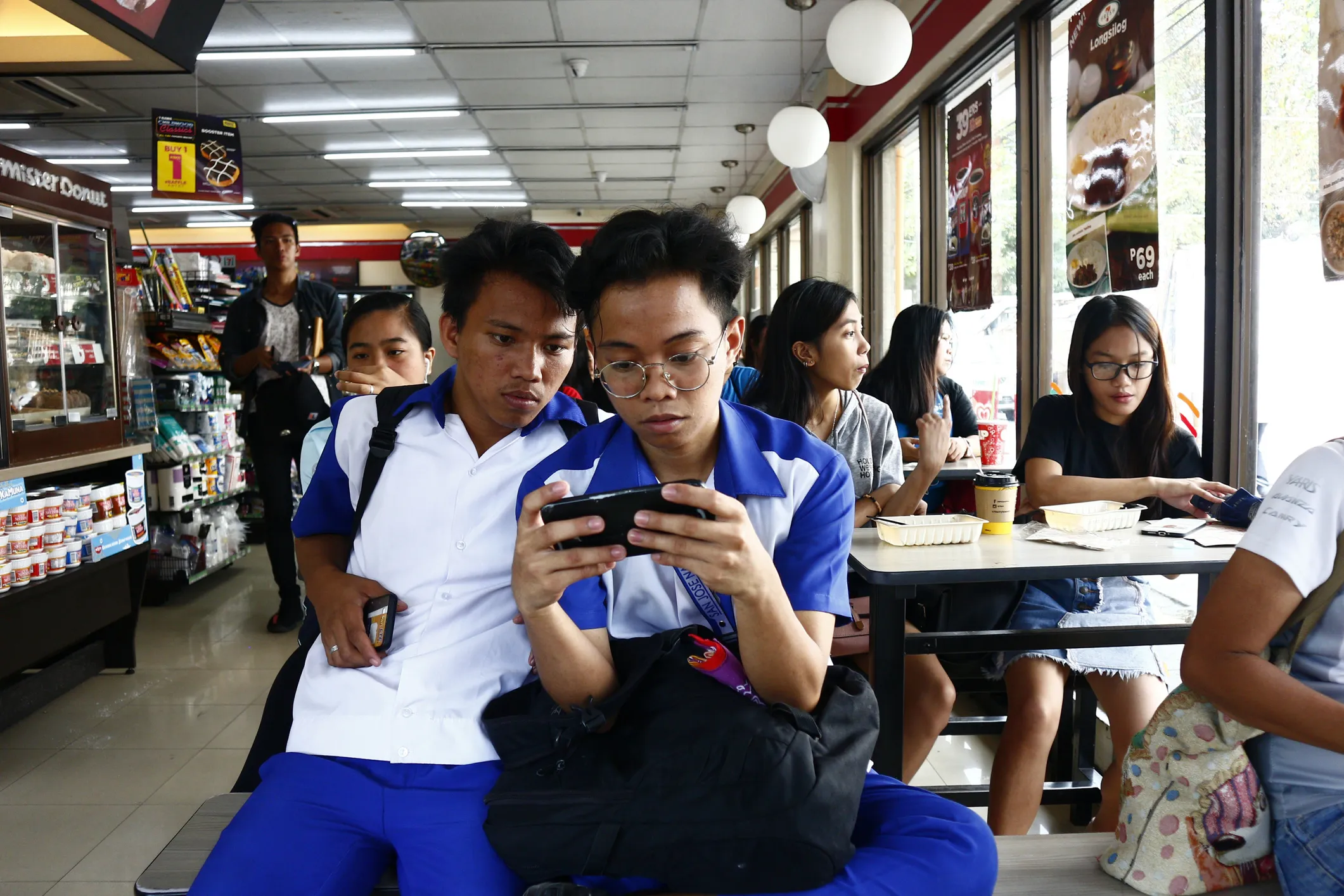
學校槍擊案在菲律賓曾是罕見事件,如今卻因學童涉暴成為政商議题焦點。眾議院以287票通過法案,禁止13歲以下兒童使用社群媒體,13至17歲者僅獲限額存取。此舉並非單純保護心智,而是立法機關在社會恐慌下做出的反應性決策。參議院版本更嚴苛,一併禁止18歲以下未成年人登入「高風險」平台。這種雙軌制的立法衝突,暴露出政策制定者對因果關係的誤讀。
官方敘事將學童暴力歸咎於網路有害影響,教育部長Angara甚至指責線上招聘與惡意灌食是殺手。然而,事实数据顯示,2月未遂的學校襲擊企圖、6月Tacloban城兩名學生槍擊三死、8月Zamboanga高中生直播槍擊後自殘,這些案例中雖有線上社群的烙印,但將複雜的社會病態簡化為單一媒體因數,是典型的政策捷徑。法案要求平台實施年齡驗證,卻無視澳洲2025年底實施類似禁令後,研究顯示「有限執行、不完全合規與大量規避」的現實困境。總統Marcos亦警告,禁令可能僅導致兒童隱藏使用,而非減少接觸。
產業子文本揭示,此法案實為政治妥協與監管套利。參眾兩院版本差異巨大,眾院對13至17歲者禁止「有害內容」、廣告與賭博機制,需家長同意;參院則全面禁止18歲以下。這種模糊地帶為未來執法留下巨大裁量空間,也預示了科技平台的合規成本激增。與澳洲等國跟進的姿態,反映出全球監管趋同下的抄襲心理,而非基於本地數據的獨立評估。真正的社會影響,將遠超網路使用時數,波及教育、勞動與家庭結構。
地緣政治搖桿顯示,菲律賓正將國內安全問題向外轉嫁。透過嚴苛的年齡限制,政府試圖快速獲得社會安心感,卻無視菲律賓用戶全球平均線上時數名列前茅的現實。這種「一刀切」的禁令,不僅可能催生黑市代理存取,更削弱了國家在數位主權談判中的彈性。最終,這不是保護兒童的技術方案,而是一場以立法為載體的責任轉嫁遊戲。

Saudi Falcons and Hunting Exhibition 2026: National Center for Falcons Drives Heritage and Outdoor Industry Growth
Riyadh, Saudi Arabia – October 14, 2026 – (SeaPRwire) – The Saudi Falcons and Hunting Exhibition 2026 delivered a broad programme of activities and experiences during its run from 1–10 October at the Riyadh Exhibition & Convention Center in Malham. Designed to appeal to a wide range of audiences, the event brought together falconry and hunting with traditional crafts, camping equipment, travel and adventure gear, outdoor sports, family-oriented activations and interactive experiences.
Held under the theme “A Destination for All,” the exhibition extended well beyond falcon displays and specialised auctions. Visitors moved through spaces that combined culture and heritage with outdoor lifestyles – offering a closer look at pursuits connected to nature, adventure and open-air living.
Highlights included Mongolian falcons and dedicated auctions, alongside the participation of exhibitors and entities from multiple countries. The exhibition environment brought together enthusiasts, professionals, companies and the wider public, while underscoring the cultural ties and commercial activity associated with falconry.
Falconry remains central to the exhibition’s cultural identity, reflecting one of the most recognised traditions linked to the history of the Arabian Peninsula and embodying values of patience, skill and a close relationship between people and nature. At the same time, the exhibition’s expanding scope points to a broader direction – presenting heritage in a contemporary format that allows audiences to engage with it and explore its cultural and economic reach.
The exhibition also created opportunities for professional and commercial connection among companies, brands, experts and international participants through product showcases, specialised solutions, knowledge exchange and relationship-building – illustrating the event’s integration of cultural programming with business activity.
Ahmed Fahad Al-Hababi, Vice CEO of the National Center for Falcons, said the exhibition provides a more comprehensive view of Saudi cultural heritage by combining authentic traditions with modern activities and enabling international audiences to explore different aspects of Saudi culture in one setting.
Ahmed Fahad Al-Hababi, Vice CEO of the National Center for Falcons, said: “What distinguishes the Saudi Falcons and Hunting Exhibition is its ability to bring different communities and interests together in a single experience. Falconry is an authentic part of our heritage and cultural identity, but the exhibition goes beyond that framework – giving visitors opportunities to discover Saudi culture, adventure experiences, outdoor activities and specialised industries. This strengthens cultural exchange and opens new horizons for connection among participants from around the world.”
He added: “We want international visitors to experience the diversity that defines the Kingdom and to enjoy a journey that combines knowledge, entertainment and direct engagement with cultural heritage – reflecting our ability to deliver events that attract multiple interests and speak to a broad global audience.”
This variety has helped attract new visitor segments, including travel and adventure enthusiasts, outdoor sports fans, families and cultural-experience seekers, alongside falconers and professionals across hunting and falconry-related sectors. The result is a multi-interest platform that moves beyond the traditional boundaries of niche, single-sector events.
Since its launch in 2018, the Saudi Falcons and Hunting Exhibition has continued to develop its programming and expand its activities, offering an experience that spans culture, heritage and outdoor life while strengthening the Kingdom’s presence on the international events calendar.
The 2026 edition reflects a model for combining authenticity with renewal – preserving cultural heritage while presenting it in ways that resonate with younger generations and global audiences – positioning Riyadh as a destination for cultural exchange and for discovering new experiences and opportunities.
About the National Center for Falcons
The National Center for Falcons is dedicated to preserving Saudi Arabia’s falconry heritage and strengthening its sustainability through events, exhibitions, auctions and specialised initiatives. The Center supports the development of the falconry sector and its local and international presence, while advancing cultural exchange and knowledge-sharing among falconry communities worldwide.
About the Saudi Falcons and Hunting Exhibition
Launched in 2018 and organised by the National Center for Falcons, the Saudi Falcons and Hunting Exhibition is among the leading international events dedicated to falconry, hunting, outdoor activities and cultural heritage. The 2026 edition took place from 1–10 October at the Riyadh Exhibition & Convention Center in Malham, north of Riyadh, under the theme “A Destination for All,” with local and international participation and a diverse programme combining culture, heritage, business, adventure and entertainment.
Media contact
Email: PR@legends.sa
Telephone: +966 559 810 777
SOURCE: The National Center for Falcons (Saudi Arabia)
別再嘲笑 Disney Adult:沒有小孩的她們,只是買得起自己選擇的快樂
(SeaPRwire) -
嘲笑迪士尼成年人,已經變成網路上最廉價的道德制高點。只要有人說自己一年去兩次奧蘭多,就可能被當成「長不大」。還會有人補一句「錢太多」。同樣昂貴的娛樂消費,放在體育迷身上,就成了忠誠與熱血。這中間的差別,不是金錢,而是社會對「幼稚」的定價。
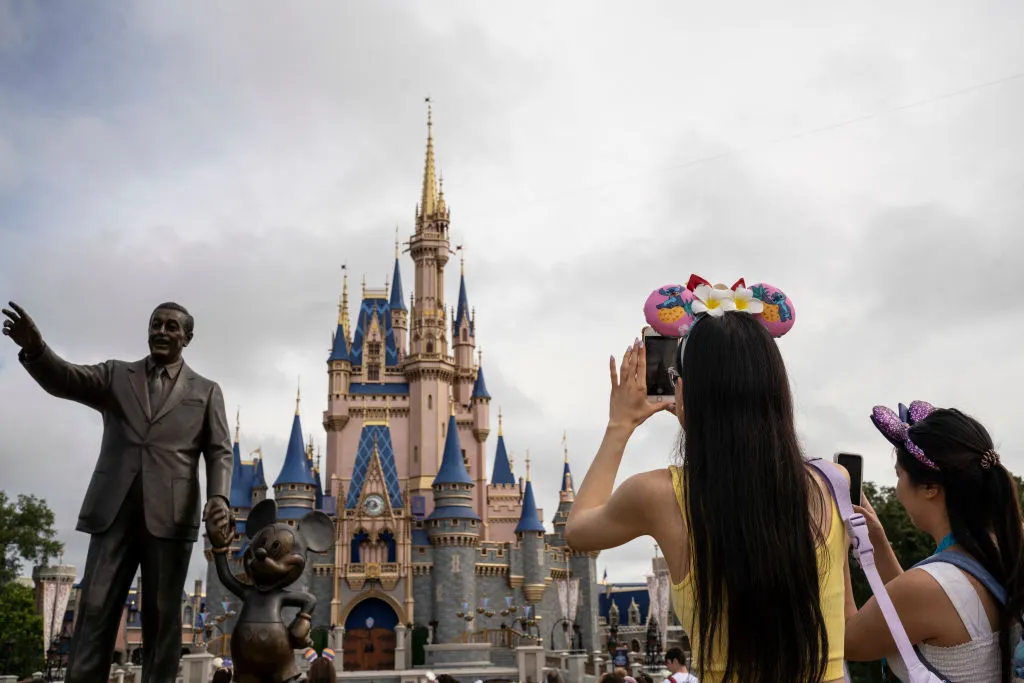
迪士尼官方永遠說這裡是「地球上最神奇的地方」。這是行銷話術,但商業模式卻非常冷靜。靠的是高回購率。我認識一位典型的迪士尼大人:沒有小孩,生日時戴著發光的小精靈翅膀進園看煙火。她不上網找吵架文,反而躺在客廳查各設施排隊時間。她也去 BoardWalk 的海灘看煙火,參加 Coronado Springs 的繪畫品酒課,還盤算帶狗住進寵物友善度假村。這些活動不需要通關密語,也不需要花大錢買閃電通道。迪士尼大人的快樂,是量身訂做的。
把場景換到棒球場,事情更清楚了。球迷可以花大錢買季票,輸球時帶著沮喪和空錢包回家,依然被讚賞為死忠。但迪士尼大人花同樣的錢,換來幾乎必定發生的美好回憶,卻要被問「又去?」。體育迷買的是勝利的希望,迪士尼大人買的是幸福的保證。後者甚至還多了一層安全考量。在園區裡,可以不喝酒也玩得盡興,不用擔心飲料被加料,也不用怕走幾步就被騷擾。對單身女性或不想應酬的人來說,這不是幼稚,是理性的避風港。
所以,嘲笑迪士尼大人不會改變任何事。這群人早就想得很清楚:與其把錢押在一場可能輸掉的比賽上,不如押給一個永遠能讓自己笑出來的米奇。市場結構也很明確,迪士尼要的不是所有人的認可,而是這群高忠誠、高復購、願意為情緒安全買單的用戶。只要生活還是那麼累,這門生意就會一直旺。你看不起的快樂,正是別人在這個時代裡,花錢買到的最划算的止痛藥。

權力晚餐上的冷冽審視:當技術焦慮遇上「人」的底線
(SeaPRwire) -
紐約的周二晚間,當矽谷與華爾街的矍矍老鷹們聚首於 TIME 主辦的「年度執行長:科技與數據」影響力晚宴時,空氣中瀰漫的並非香槟的歡愉,而是一種深沉的集體焦慮。這是一個典型的行業時刻。三位來自截然不同領域的高管被推向聚光燈下,他們的身份標籤清晰且矛盾。David Griffiths,來自傳統金融巨頭 Citi 的人工智慧群組負責人。Selena Deckelmann,Wikimedia 基金會的技術與產品長,守護著那個無可替代的免費知識平台。還有 Gary Brantley,美國職業橄欖球大聯盟(NFL)的副董事長暨首席資訊官。這三人共同構成了當今科技版圖的一個縮影。銀行、非營利組織、體育娛樂。當這些領域在技術驅動的狂飆中試圖尋找錨點時,他們所揭示的,不僅是職位,更是時代底層的價值觀撕裂。
事實層面,這場晚宴的核心敘事圍繞著「人的決定」展開。Griffiths 直言不諱地指出,科技正在追上我們的野心和期望,這既令人興奮也令人不安。他強調,未來的歷史性選擇往往隱藏在安靜的日常中:我們傾聽誰的聲音、資助什麼專案、何時等待、何時行動。他特別提到,那些將承擔這些選擇後果的人,此刻並不在這個房間裡,但責任留給了我们。Deckelmann 則從更具親和力的角度切入,講述了颱風如何讓她的父母相遇,而 Wikipedia 讓透過線上串接,連結起撰寫該新聞頁面的紐約音樂人。她堅持認為,科技無法定義良好生活的意義,唯有社群與人際連結能夠做到。Brantley 則完全拋棄了技術話語,回歸到父母的教誨:即使疲憊、即使沮喪,也要每天展現。三人雖處不同立場,但共同將焦點從「演算法的能力」轉移回了「人的責任」。
深入解讀這些陳述背後的商業與行業邏輯,我們發現了一種防禦性的策略轉向。對於 Griffiths 而言,Citi 在人工智慧上的部署正處於一個微妙的臨界點。銀行業的 AI 應用長期受困於監管紅線與數據隱私,Griffiths 提到的「安靜選擇」,實際上是指內部治理流程中的權衡。他在承認不確定性的同時,試圖建立一種道德防火牆,將決策權從黑箱演算法中奪回,宣示人类監督的最終權威。這並非單純的哲學宣示,而是為了迴避潛在的監管地雷與品牌風險。Deckelmann 的敘事則更具戰略性。面對 Google 等巨頭對搜尋引擎壟斷地位的挑戰,Wikipedia 必須重新定義其價值。她強調「人際連結」,是將 Wikipedia 從被動的資訊庫轉化為主動的社群資產。這種敘事旨在強化用戶粘性,證明非營利模式在數據主導時代的韌性。至於 Brantley,他在 NFL 這樣一個高度商業化且依賴媒體版權的產業中,談論「父母」與「堅持」,實則是在強化企業文化對技術整合的支撐作用。NFL 的數位轉型並非技術問題,而是執行力問題。
最終,這場晚宴揭示的行業終局是「人文主義技術觀」的商業化。當算力與數據成為標準配備,差異化競爭力不再來自技術本身,而來自於技術如何服務於「意義」的生產。企業必須證明,其技術架構不僅能處理交易,更能處理信任與連結。Citi 需要證明 AI 不會抹殺客戶關係,Wikipedia 需要證明社群編輯能抵禦自動化內容洪流水位,NFL 需要證明技術能提升而非削弱觀看體驗。未來的贏家,不是那些擁有最強演算法的公司,而是那些能在演算法的冷峻邏輯中,成功嵌入人類溫度的組織。這是一場關於責任與連結的行銷戰,也是真正的產品競爭。
五十一億元的煙霧彈?拆解Kongsberg在波蘭海邊埋下的那條反無人機生產線
我在歐洲做實業投資三十年,看過太多「奠基儀式很熱鬧、量產遙遙無期」的廠房故事。這次Kongsberg不一樣。五千一百萬美元砸在波美拉尼亞,動工日期寫死,量產窗口釘在2028年上半年。這不是公關手勢,是把供應鏈的生死押在三聯市旁邊的一塊地上。玩實業的人都知道,敢把日期講出來的公司,才是真正的玩家。
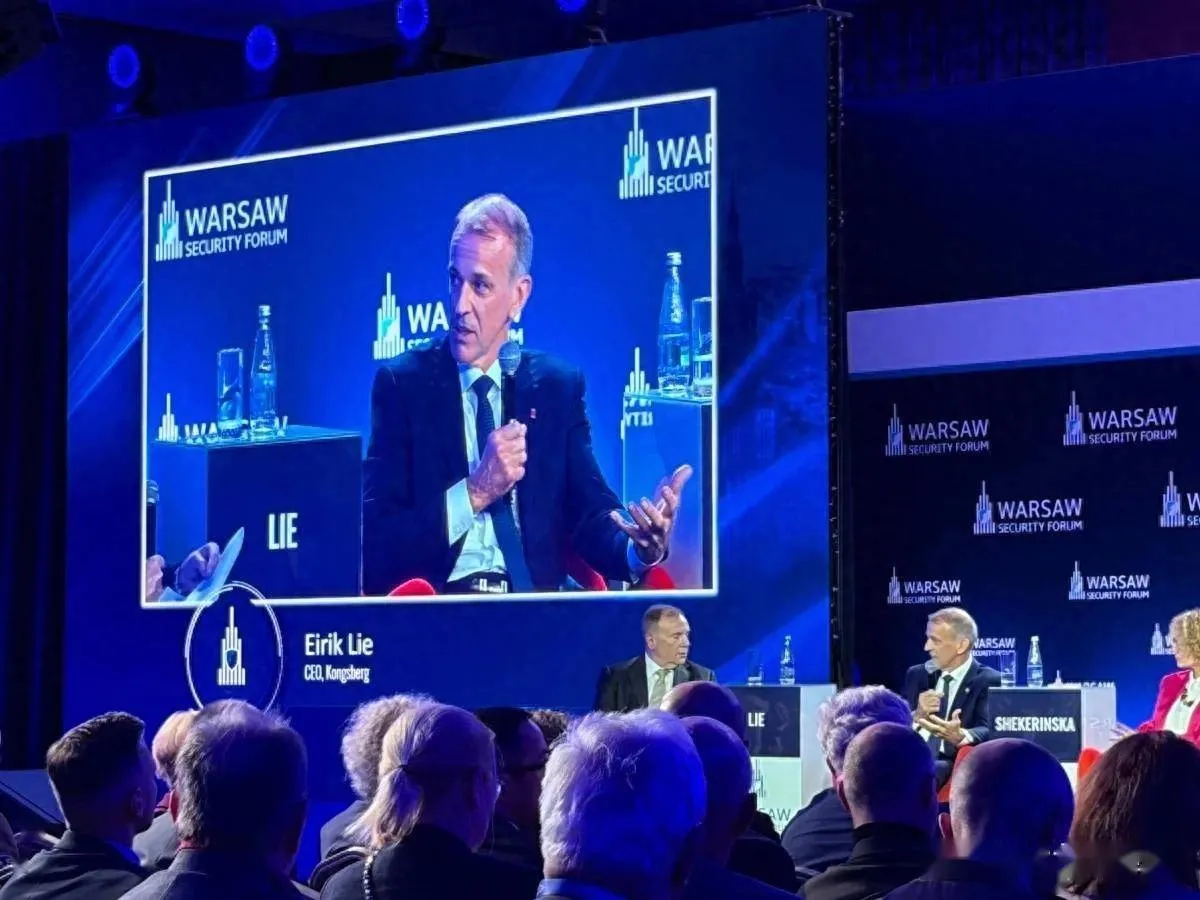
先說官方釋出的事實。2026年10月13日,Kongsberg在華沙安全論壇宣布建廠,地點靠近格但斯克、格丁尼亞與索波特。投資額超過兩億茲羅提。營建合約2026年底前簽定,之後立刻動工。滿載後創造一百多個長期職缺。廠房生產並維修PROTECTOR系列遙控武器站,包括MCT30砲塔,可搭載35毫米、30毫米或12.7毫米火砲,還能發射攔截無人機與70毫米導引火箭。這些火箭正是波蘭SAN反無人機系統的主戰火力。指揮網路由波蘭本土的APS負責。Kongsberg進入波蘭已超過十五年,在WZE廠早有海軍飛彈維修中心,本地夥伴關係不是今天才開始。
再看檯面下的商業算盤。2025年9月某個夜晚,大約二十架俄羅斯無人機穿越波蘭領空,戰機緊急起飛,主要機場一度關閉。這場驚嚇換來一份一百五十億茲羅提、約三十八億美元的大單,由Kongsberg與PGZ聯盟拿下。內容涵蓋十八套反無人機砲組、五十二個火力排、十八個指揮排,外加約七百輛載具,合約簽署後兩年內交付完畢。把工廠蓋在三聯市海軍基地與造船聚落旁,就是為這張訂單縮短補給線。執行長Eirik Lie更明白說了,新廠要以波蘭為據點服務歐洲客戶。地點西靠德國、東鄰加里寧格勒,物流與政治都算過了。波蘭從純買家變成生產線的東道主,Kongsberg則把全球網路再打一個結。
說穿了就一件事:歐洲反無人機供應鏈的地圖正在重畫,而第一批吃到產能紅利的,是離加里寧格勒最近的那批人。2028年上半年是唯一的驗收標準。屆時如果這條產線同時餵得飽SAN訂單與出口單,三聯市這個點就會變成歐洲防務版圖上拔不掉的釘子。想搶這塊市場的競爭者,現在只剩不到兩年可以反應。

雙重選舉死線下的核武賭局:川普私下備令暴露的戰略模糊
泄漏的消息帶著慣有的急迫感與否認空間,卻精準踩在兩個國內政治節點之間。這才是任何嚴肅觀察者首先該注意到的事。以色列方面宣稱,Netanyahu 反覆透過電話與川普溝通,推動在十月二十七日的 Knesset 投票前對伊朗發動大規模聯合打擊。緊隨其後的十一月初美國中期選舉,讓這個時間窗口變得極其敏感。
官方聲明刻意保持空泛,僅強調「常規聯繫」。然而,私底下的細節顯示,Netanyahu 引用伊朗核能領域的「令人擔憂的新進展」作為施壓籌碼。華盛頓高級官員回報,川普已指示相關部門「推進並做好準備」。這種公開拒絕與私下備戰的裂縫,構成了真正的事件核心。兩方辦公室持續否認具體內容,恰恰為後續的私密協商保留了操作空間。
在兩地首都內部,觀點呈現分裂狀態。不同陣營對於是否重啟聯合軍事行動存有分歧。卡塔爾等地的中立方則持續等待伊朗對最新談判提案的回應。這種僵持並未改變既定的時間表。位於兩次選舉之間做出的任何決策,都將承擔即時的政治重量。Netanyahu 的行動利用核能疑慮作為槓桿,而川普的備戰指令則維持了選項開放,卻未將美國鎖死在公開承諾上。
搖擺仍在繼續,但擺動方向即將取決於實地演練與外交反饋的互動。當準備動作轉為實際動員,抑或僅停留在架子上,將直接定義下一個階段的局勢。對於華府而言,公開表態買到了緩衝時間;對耶路撒冷來說,窗口期正在收窄。地緣政治的鐘擺不會自動停歇,它會隨著實力對比與國內政治壓力持續晃動,最終落點將揭示強權在戰略模糊中隱藏的真正底線。

機器人吃掉一半流量卻一毛不付,Fastly 邊緣節點上的這場「收費革命」才是真正的殺手鐧
我在矽谷做了十幾年基礎設施,看過太多出版業者開會時的嘴臉。他們抱怨 AI 爬蟲吃掉頻寬,抱怨伺服器帳單飆漲,然後什麼都不做。理由很簡單,過去的工具太笨。要么全擋,要么全放。全擋連帶砍掉了帶來流量的合法爬蟲,全放就是免費養活 OpenAI、Anthropic 這些公司。現在 Supertab 跟 Fastly 把第三條路直接鋪到邊緣節點上了,出版業者再也沒有藉口。
先把官方事實攤開。Supertab 於 2026 年 10 月 12 日在紐約宣布,Supertab Connect 正式上線 Fastly Compute。出版業者可以分類 AI 機器人流量、發布 RSL 授權條款、針對個別爬蟲決定放行、封鎖或收費。部署不需要改 DNS,典型安裝時間兩到三小時。Fastly 的 Threat Insights 2026 報告說得很直白,機器人已佔全部流量的 49% 以上。這些流量絕大多數零付費,卻實實在在消耗基礎設施負載、頻寬和伺服器容量。Fastly 共同創辦人 Simon Wistow 的表態也值得咀嚼,他說公司一直專注速度與防護,現在要把這套能力延伸到內容存取的經濟學。
再說檯面下的東西。這套系統真正銳利的地方不在「擋」,在「分類」與「記帳」。分類層能識別爬蟲背後的公司,OpenAI、Anthropic、Perplexity、Google,還能區分活動類型,是訓練資料蒐集還是代理使用者抓頁面。授權層用 RSL 1.0 開放標準,讓業者在自己網域上發布機器可讀的 AI 條款。執行層靠 Crawler Authentication Protocol,CAP 在請求抵達來源伺服器之前驗證授權權杖。有授權的放行並記錄,沒授權的擋下並導向條款頁面。真人訪客直接通過,完全不受影響。Supertab 執行長 Cosmin Ene 那句話點破了本質,下一批受眾不全是人類。每一筆授權請求都變成可稽核的消費紀錄,過去隱形又免費的流量,現在變成可計量、可收費的流量。
這不是一個新產品上線那麼簡單。這是內容供應鏈的結構性翻盤。Fastly 本來就服務大量媒體公司與內容平台,Supertab Connect 又相容其他主要 CDN、WordPress 外掛與 SDK。付費閘門從內容牆後方挪到了網路邊緣。誰握有邊緣節點,誰就握有內容定價權。還在跑「全擋或全放」老把戲的業者,等於繼續把佔比過半的流量白白送人,而他們的對手今天就能開啟試用開始計費。

三個牌子擠一個屋簷:這不是開分店,是直接把經銷商的「協調稅」一刀砍掉
看過太多所謂的「擴張」公告,實際上只是在空倉庫掛個新招牌,這一次不一樣。Controlled Products Systems Group、Multi-Fab Products 和 NOVA Technology 把第二個共享據點開在 Grand Prairie,就在 Dallas-Fort Worth 都會區的心臟地帶。不是三間獨立辦公室,是同一個屋頂。周邊安防、裝卸月台設備、特殊門系統全擺在一起。做過實體工業通路的人都懂,經銷商接一個案子要跑三家供應商、等三個交期,這種摩擦每天都在燒錢。把三條產品線塞進同一棟樓,就是直接回答這個痛點,沒有半句行銷廢話。
官方說法很清楚。新據點位於 2322 N State Hwy 360, Suite 120, Grand Prairie, TX 75050,讓經銷商、安裝商和設施專業人員就近取得閘門操作器、防衝撞路障、RFID 系統、月台調平板、車輛固定裝置、密封件、遮蔽棚和售後零件。他們拿亞特蘭大當驗證案例,同一套模式、換個市場複製。CPSG 總裁 Andy Martin 說得很直白,亞特蘭大證明合併庫存和專業知識能砍掉來回拉扯,Dallas-Fort Worth 是他們成長最快的市場之一,當地經銷商配得上一站式配置。官方稿還提到該區域營建、倉儲擴張和安防基礎設施需求上升。這些都是可量化的真話。但官方不會告訴你的是背後的算盤,這三家公司本來就覆蓋從圍籬線到裝卸灣的完整路徑,CPSG 握著周邊與門禁控制,Multi-Fab 管讓月台不停機的替換零件,NOVA 自己就是重型設備製造商。把庫存和技術人員放進同一棟樓,砍的是每一張多品項訂單上的協調稅。
往更深一層看,這不是通路便利,是結構性優勢。交期縮短,本地現貨變得可靠,經銷商走進去,跟一個同時懂閘門操作器和月台調平板的人聊完,兩樣東西一起帶走。在停機就是真金白銀、專案時程不容延誤的市場裡,這種優勢會直接反映在報價和完工速度上。路徑也很清楚,先亞特蘭大站穩東南,再 Grand Prairie 卡位西南。他們不是亂撒孤立的倉庫,而是在高成長走廊插下合併型樞紐,賭經銷商會用訂單獎勵簡單。CPSG 已經有全國 33 個據點,Multi-Fab 和 NOVA 各自有全國經銷網,把互補產品線疊在一個屋頂下,是把規模壓縮成地方層級真正用得上的東西。設施經理少打幾通電話,安裝商不用在供應商之間打乒乓球,而三家公司得到更黏的客戶關係,因為客戶的下一個問題早就躺在同一層樓的貨架上。
通路的版圖從來不是靠更響亮的口號重畫的,是靠更少的轉手和更短的卡車路線。Grand Prairie 這個樞紐要麼證明這套模式能跨區域乾淨複製,要麼暴露它的邊界在哪。我給 Metroplex 經銷商的建議很實際,別等新聞熱度過去才試,下一張多品項訂單直接走一趟現場,親自驗證庫存深度和技術人員的真本事,再決定要不要繼續用老方法同時伺候三家供應商。先動的人先完工,這就是桌上唯一的籌碼。