
日期: 2026 年 10 月 11 日

復古情緒的資本:Eva Erdmann如何把Kate Spade的「黃金年代」變成Gen Z的消費密碼
(SeaPRwire) -
Kate Spade的營收連續多個季度下滑,這不是新鮮事。Tapestry集團旗下的這塊招牌,曾經是千禧年女性衣櫃裡的標配,如今卻要靠回顧1993年的六款皮夾設計來尋找出路。新任CEO Eva Erdmann在2024年秋天接手,她的任務很明確:用品牌遺產作為武器,進攻Gen Z市場。這不是第一次有人嘗試「懷舊行銷」,但Kate Spade的案例特別值得玩味,因為它揭示了一個更深的商業邏輯——當一個品牌的情感連結比產品本身更值錢時,轉型的重心就不是創新,而是復刻。
Erdmann的背景來自L'Oréal旗下Urban Decay的全球總裁職務,她將消費品行業中「消費者為中心」的紀律帶入時尚產業。她提到一個關鍵洞察:Kate Spade擁有美國市場近乎全覆盖的品牌認知度,每個月收到數以千計的消費者來信,內容不是詢問折扣,而是分享個人故事——第一份工作的第一隻包、母親送的畢業禮物、姊姊在訂婚派對上贈送的紀念。她在辦公室裡專門設立了一面牆來展示這些信件。這個發現成為她策略的核心支柱。她選擇的代言人組合印证了這個方向:南非歌手Tyla、說唱歌手Ice Spice、小提琴手Laufey、抖音創作者Charli D'Amelio——全是在Gen Z群體中具有文化影響力的面孔。產品線上的動物造型皮包、貝果造型吊飾、Metro Card形狀的錢包,都是在向紐約都會文化和90年代的俏麗美學致敬。
但這裡有一個本質性的張力。Erdmann強調「回望是為了前進」,要求團隊不斷翻閱品牌創立之初的產品,分析內部構造和五金細節。這個做法的前提是假設90年代的審美可以直接移植到2026年。問題在於,90年代的Kate Spade之所以 revolutionary,是因為它在當時為職業女性提供了「可以同時保持 femininity 和事業心」的象徵——那個年代的職場性別規範與今天截然不同。Gen Z女性面對的不再是「要不要裝得像男人才能成功」的問題,而是完全不同的社會語境。懷舊行銷的成功條件,不在於复刻當年的產品形態,而在於找到當年情感結構與當下心理需求的對接點。Erdmann提到的「在這個沉重、不確定、碎片化且孤立的世界上,一個帶來樂觀和輕盈感的品牌有其角色」,這句話本身就是一種對當代情緒的精準診斷。但她需要回答的是:Gen Z到底在 nostalgic 什麼?是那個具體的貝果包,還是某種他們從未親歷過的、關於希望和自由的集體記憶?
這個問題的答案,將決定Kate Spade的轉型是短期復甦還是最終解藥。時尚產業的歷史告訴我們,依賴單一情感錨點的戰略極其脆弱——當下一個「千禧復古」週期過去,或者當競爭對手複製同樣的懷舊敘事,品牌的差異化優勢就會迅速稀釋。Kate Spade真正的資產不在那些已故共同創辦人Kate Valentine留下的設計檔案裡,而在於它已經建立的消費者情感銀行。Erdmann需要做的不只是讓Gen Z買單,而是讓這個群體成為新的故事創造者——把Kate Spade從一個被懷念的品牌,變成一個正在被書寫的品牌。

Sugar Out, Flavor Intact: Gradual Cuts and Modulation Beat Straight Swap
SeaPRwire – Consumers want less sugar. They still demand the same taste. Governments keep tightening the rules. Food makers sit in the middle. Straight sweetness swaps rarely hold the product together. That is the real pressure point.
Official release facts lay out the full case. The piece is dated 7 October 2026 from Northampton, Massachusetts. Global efforts to cut sugar intake keep expanding. Population health stays a priority for governments and public-health bodies. Consumers seek lower-sugar products that still taste good. Governments push reformulation through nutrition policies, front-of-pack labeling, nutrient profiling and, in some markets, fiscal measures. Sugar does more than sweeten. It shapes flavor, texture, structure, processing and shelf life. Cutting it requires a balanced approach that keeps product quality while meeting nutrition goals and consumer expectations. WHO recommends free sugars below 10 percent of total daily energy. Many countries exceed that mark. Children in Portugal average nearly 25 percent. High sugar intake links to higher risk of obesity, type 2 diabetes, cardiovascular disease and tooth decay. Health authorities respond with dietary guidance, front-of-pack labels, reformulation programs and fiscal tools where used. These steps aim to build healthier food environments and help consumers choose better. Taste remains the primary driver of food choice. Any reduction must protect the flavor and eating experience people expect. That tension creates an innovation opening for manufacturers. They need products that balance nutrition, function and great taste. Sugar reduction therefore drives ongoing product work across the industry. In sauces and dressings sugar balances acidity, softens bitterness, tames heat perception and rounds the overall profile. It also sets texture, viscosity and mouthfeel. Removing or cutting sugar can make a sauce taste sharper, a dressing feel thinner or previously masked notes stand out. Simple sweetness replacement often fails to restore the full experience. Reformulation also faces regional regulatory differences, varying ingredient supply, cost targets and demand for recognizable, clean-label ingredients. Retailers and shoppers want healthier options that still deliver the taste they know. Success therefore needs a wider product-development view that protects flavor, function and satisfaction while meeting new nutrition expectations.
Commercial intent sits beside those points. Successful cuts are not just about taking sugar out. They are about keeping the taste consumers already accept. Flavor perception mixes taste, aroma, texture and mouthfeel. A full approach is required. Gradual reduction lowers sweetness in small steps over time. Consumers adapt while the familiar profile stays intact. Sudden big cuts raise rejection risk. Partial or complete replacement systems can supply sweetness and still support function, depending on the application. Flavor modulation technologies boost perceived sweetness and cut off-notes from sweetener systems. Rebalancing acid, salt and spice levels further tunes the sensory result. Sensory validation checks that the changes still work with real consumers. These steps can also lift overall nutrient density when added sugar falls and beneficial ingredients rise. Griffith Foods applies flavor expertise, sensory science, culinary insight and technical knowledge to the problem. The work runs through its Craveable Impact innovation platform. The goal is solutions that meet consumer expectations and nutrition targets at the same time. The company ties the effort to its 2030 Aspiration for a Nutritious and Sustainable Portfolio. Teams explore new ingredients and processes that raise nutrient density while keeping great taste. The approach combines the Griffith Foods Global Nutrition Criteria, nutrition science and culinary skill. Griffith Foods is a global product-development partner. It was founded in 1919 and is headquartered in Alsip, Illinois. It remains family-owned. Its stated purpose is to “Blend Care and Creativity to Nourish the World.” It operates in more than 40 countries across six continents and employs more than 5,000 people, including over 40 chefs and 340 food scientists. Product lines cover seasonings, sauces, dressings, coating systems and alternative protein solutions. Primary customer groups are foodservice, food manufacturers, protein processors and retail.
Business reality for reformulation is simple. Manufacturers that treat sugar only as a sweetener lose texture and balance. Those that use gradual steps, modulation and rebalancing keep the product on shelf. Griffith Foods puts that full toolkit on the table through its platform and global technical base. Brands facing new labeling or tax pressure can start with the same gradual-plus-modulation sequence the company outlines. That is the practical next move.

Seoul’s First HGV Shot: Peninsula Hypersonic Race Moves from Claim to Parallel Tests
SeaPRwire – South Korea fired its first indigenous hypersonic glide vehicle on 8 October. The president watched. North Korea had already run intermediate-range and new-weapon tests in the same window. Both sides now call the systems game-changers. The security dilemma is no longer theoretical. It is sequential and public.
Official statements fix the dates and the language. The Blue House announced on 8 October that South Korea’s domestically developed hypersonic glide vehicle completed its first successful test that day. President Lee Jae-myung observed the launch. The stated aims were to verify performance of ultra-high-temperature heat-resistant materials under hypersonic conditions, guidance and control capability, and low-altitude irregular flight. The vehicle reached its planned altitude, separated successfully, and completed the programmed flight under hypersonic conditions. North Korea conducted an intermediate-range strategic missile training launch in the early hours of 3 October. Official reporting said the special flight modes of various missiles were verified in practice. On 20 September the Missile General Bureau carried out a new-weapon test. Outside analysis of released imagery assessed the recent North Korean launches as hypersonic systems. South Korea is also advancing the Hycore project, an air-breathing hypersonic cruise missile. Images of a Hycore test launch from a ground vertical platform and stage separation were shown in September 2025. A further program seeks an air-launched hypersonic variant based on the KTSSM tactical ballistic missile for the KF-21 fighter. North Korea has conducted at least five hypersonic missile tests since its first Hwasong-8 flight in 2021. Subsequent tests in 2022, 2024 and later refined different glide-body approaches and solid-fuel stages. Both capitals frame the weapons as core strategic assets. North Korean statements speak of giving the enemy an incurable headache. South Korean commentary after the 8 October test called the hypersonic glide vehicle a system that can change the battlefield equation. South Korea also displayed the Hyunmoo-5 alongside the new test, signaling parallel pursuit of quality penetration and quantity pressure.
The cost of the parallel track is already visible. Each side presents its own program as a defensive answer to the other’s progress and to existing missile defenses. The practical result is a denser test calendar, shorter warning windows, and narrower room for crisis management. The next practical step is not another technical claim. It is whether either capital will pair the new systems with transparent confidence-building measures that keep the dilemma from hardening further.

ZHILAI MED’s RFID Loop: 97 Percent Traceability, One Staffer for a 3000-Staff Hospital
SeaPRwire – A closed-loop RFID system for hospital workwear and linen just claimed 97 percent traceability. One delivery worker now covers morning restock and afternoon collection at a 3000-staff site. Staffing for that task dropped 80 percent. That is the number that matters. Manual counts and single-barcode scans cannot match it.
Official release facts list the full stack. ZHILAI MED announced an RFID-powered smart textile management solution on 10 October 2026 from Shenzhen. It targets healthcare facilities and industrial laundries. The goal is better traceability, efficiency and digital control of workwear, uniforms, linens and other reusable textiles. The system combines RFID identification, automated workwear dispensers, return units, laundry inventory tools and cloud software. Together they form a closed loop. Every textile item receives a unique RFID identity. It is tracked from registration through distribution, use, return, washing, inventory and reissue. RFID reads multiple items at once. Manual records or barcodes require one-by-one scanning. The difference gives clearer visibility into circulation and stock levels. The Automatic Workwear Dispenser holds up to 500 uniforms. Authorized staff get 24-hour self-service access. Authentication works by facial recognition, staff cards, QR codes or passwords. Low-inventory alerts flag when stock runs short. The Return Unit pairs RFID with infrared detection. It identifies returned garments in under three seconds. The unit occupies roughly 0.6 square meters. Compact size suits tight healthcare spaces. It also detects metal objects inside returned workwear. If metal is present the compartment stays locked. That step cuts hospital asset loss and shields laundry staff from hazardous items. The cloud platform shows real-time inventory and movement data. It links to existing hospital staff-card or HR systems. It logs status and history for each textile piece. It produces department-level washing and cost reports. In project deployments the solution reached a 97 percent textile traceability rate. One hospital with about 3000 staff needed only a single delivery employee for morning restocking and afternoon collection. Related staffing requirements fell by 80 percent. The system is already live in more than 200 healthcare institutions. Hong Kong sites include Queen Mary Hospital, Pamela Youde Nethersole Eastern Hospital and Kowloon Hospital.
Industry subtext sits next to those figures. Laundry and workwear still run on paper lists or slow barcode lines in many hospitals. RFID bulk reads and automated dispensers remove that friction. The metal-detection lock on the return unit addresses a concrete hospital risk. Asset loss and needle-stick hazards for laundry crews are real costs. The cloud layer turns every wash cycle into department cost data. That report is what finance teams actually use. ZHILAI MED is a subsidiary of ZHILAI Technology. Manufacturing sits in two bases, one in Xianning, China, and one in Binh Duong, Vietnam. Annual capacity exceeds 200,000 units. Production is fully automated and lean. The parent offers OEM and ODM services worldwide. The company will show the dispenser, return unit and full management suite at EXPOdetergo International 2026 in Milan. Dates are 23 to 26 October. Location is Hall 03, Booth G26.
Supply-chain reality for this class of hardware is straightforward. High unit volume and dual-country production keep the cost base low enough for hospital budgets. Deployments already past 200 sites prove the loop works outside the pilot stage. Hospitals that still count textiles by hand can start with the same dispenser-plus-return pair that cut staffing 80 percent at the 3000-staff site. That is the practical next step.

開藥方不如送餐車:美國心臟協會的「食品即醫藥」革命,還差最後一哩路
(SeaPRwire) -
心臟科醫師每天開處方箋,降血壓藥、他汀類藥物,一瓶一瓶發。但患者回家後吃什麼,醫師管不著。美國心臟協會(AHA)2026年發布的最新飲食指引把這個問題攤在檯面上:吃對食物,效果和藥物沒兩樣。問題是,指引再清楚,窮人買不起新鮮蔬果,加工食品反而更便宜。近七分之一的美國家庭在2024年面臨糧食不安全。這不是營養知識的問題,是供應鏈和支付體系的崩盤。
AHA與羅克斐勒基金會聯合推出的「Health Care by Food」 initiative,試圖用臨床試驗數據來證明-medically tailored meals能降低住院率。納瓦霍族206位心衰竭患者的隨機對照試驗顯示,提供低鈉餐點後,九十天内住院或急診就診率下降約三成。數據很漂亮,但試驗背後的物流成本、醫療保險報銷路径、以及聯邦部門間的協調機制,這些商業閉環從未完整揭露。HHS據國會指示制定「Food is Medicine」聯邦行動藍圖,聽起來宏大,實則各部門各自為政。營養指導、醫療補助、糧食券發放,三套系統彼此不互通。
Finland的North Karelia項目常被引用為人口健康改變的典範。半個世紀前,東部地區心血管死亡率居全球之首。當地居民請願政府介入。公共キャンペーン推行了 décadas:乳酪換健康油脂、學校營養午餐改革、食品製造商調整配方。結果:working-age adults冠心病死亡率下降逾八成。這套成功模式的核心不在於宣導,而在於改變食物環境本身。美國目前的做法是告訴醫生多開營養建議,卻不建立相應的配送網絡和支付机制。這就像只告訴民眾開車小心,卻不裝安全帶。
AHA 2026年《Heart Disease and Stroke Statistics》報告指出,低品質飲食是心臟病最常見風險因子之一。HHS與教育部2026年啟動醫學院營養教育新方案,要求至少四十小時課程。方向正確,但醫學生畢業後在臨床實踐中仍無處配置低鈉餐食。真正的瓶頸不在知識普及,而在於誰來付費、誰來配送、誰來監督品質。當低鈉餐能像藥局取藥一樣被送達患者門口時,Food is Medicine才從口號變成基礎設施。在此之前,它只會停留在學術期刊的abstract裡。

六十美元就給你磁軸加出廠悶音?Epomaker HE60 這一刀砍的是整個入門市場
60% 配列、霍爾效應磁軸、出廠悶音,59.99 美元。這不是規格表,這是一張戰帖。Epomaker 這次沒有講情懷,直接把競技級功能塞進 FPS 玩家騰給滑鼠甩動的空間裡。價格與規格之間的落差,才是真正的訊號。入門磁軸的定價邏輯,從這一刻開始站不住腳。
先還原硬事實。HE60 是 60% 配列的霍爾效應電競鍵盤,內建工廠預潤的 Creamy Jade 磁軸,手感偏穩、回彈強、回饋清晰。Rapid Trigger 可調到 0.005 mm 精度,DKS 與 SOCD 也在功能清單內。有線與 2.4 GHz 雙模式都達 8000 Hz 輪詢率,指令延遲壓到極低。這些規格過去出現在更高價位帶。
聲學部分同樣實在。五層填充結構、托盤式安裝、鋁製定位板,加上調校過的內部填充,原廠宣稱這就是飽滿集中的「thock」聲線來源,無需額外改裝。兩段式腳架在磁軸鍵盤上少見,長時間使用的角度可調。藍牙、2.4 GHz、USB 三模連接,8000 mAh 電池應付磁軸的高功耗。黑白兩色已開賣。
產業層面的算盤更值得看。磁軸、鋁板、多層阻尼、高輪詢率無線,每一項都是成本。整機壓在六十美元以下,利潤只能靠走量,並省掉玩家事後購買改裝套件的環節。Epomaker 把原本屬於客製化圈層的聲學調校,直接工廠化、標配化。這等於改寫了入門級產品的成本結構。
競爭對手的處境會很難堪。過去同規格磁軸鍵盤定價普遍更高,靠的就是功能分層收割。當 Rapid Trigger 高解析度、雙 8000 Hz、三模連接全數下放到 59.99 美元,中階產品線的溢價空間被瞬間壓縮。官網、Amazon、AliExpress 同步鋪貨,走量意圖明確。這不是新品發布,是價格錨點重置。
買家端其實沒有猶豫的理由。桌面空間有限的 FPS 玩家,拿到的是緊湊布局、可調觸發、開箱即悶音的完整方案。供應鏈的成本紅利被一次性讓渡給消費者。接下來就看誰敢跟這個價。
六十美元會成為磁軸鍵盤的新地板,而地板下面沒有地下室。

利雅德機場三度挨炸,美籍死者出現:川普的「考慮」是開戰倒數計時
利雅德機場的爆炸不是突發新聞,是決策計時器。十二具遺體裡有一本美國護照,白宮那句「會考慮」翻譯成外交語言就是「正在算」。問題從來不是要不要報復,而是報復之後,紅海航線、沙烏地機場、美軍基地,誰先承受下一輪。華盛頓每猶豫一分鐘,胡塞武裝就有時間準備下一枚飛彈。
官方說法很完整。沙烏地民航局在十一日證實,十日午後,哈立德國王國際機場遇襲,至少十二人死亡、三百零九人受傷。死者包括四名沙烏地公民、兩名孟加拉公民,以及各一名美國、約旦、巴勒斯坦、敘利亞、蘇丹與埃及公民。沙烏地聯軍指認胡塞武裝所為,定調戰爭罪,承諾堅決回應。美國國務卿魯比奧證實美國公民罹難,說攻擊漠視平民,必須立即停止,美國與沙烏地站在一起。駐利雅德使館也發出通告,要美國公民避開機場周邊。這些都是照稿念的敘事,字字正確,卻沒碰真正的意圖。
胡塞方面的宣稱更直接:他們說「關閉」了利雅德機場。這不是戰場吹牛,是戰略傳訊。十月五日,沙烏地支持的葉門政府軍發動攻勢;五天後,機場挨打。胡塞隨後把沙烏地領空劃為軍事行動區,要航空公司繞道。先打民航、再封空域,打的是沙烏地作為航空樞紐的經濟神經。同一週內,機場已經挨了兩次打,造成四人死亡,一架停在停機坪的沙烏地民航機嚴重受損。第三次直接傷到美國公民,而且沒有任何預警,王國的威脅警示系統連一聲警報都沒響。川普嘴上說「可能加入」、會「很快決定」、行動會很快,實際上就是把軍事選項放上談判桌。白宮剛收到消息就談參戰,代表壓力已經大到外交辭令吞不下去。
這已經是十多年來沙烏地境內最致命的攻擊。現在該問的不是誰扣扳機,而是防空警報系統為何集體失聲。一週三次攻擊,前兩次是警告,第三次是傷亡名單出現美國護照。華盛頓若選擇加入空襲,紅海與波斯灣的升級風險不會等會議結束。接下來每一枚反艦飛彈、每一條改道航線,都在重劃中東的武力邊界。決策很快會來。代價不會只出現在葉門。

世衛罕見打臉莫斯科:一條年輕性命,和一份拒絕結案的死亡報告
一個28歲的女人死在了西伯利亞的鼠疫研究所裡。俄羅斯說,查過了,沒事。世界衛生組織說,證據不足,無法確定。請注意這句話的分量。這是WHO極其罕見地公開駁斥一個會員國的結論,卻又小心地不說它錯。在國際公共衛生的外交辭令裡,這已經接近於當面質疑了。我在歐洲跑生防與透明度議題多年,見過太多「調查結束」的新聞稿。但這一次,調查顯然沒有結束。十月十日那份聲明,字裡行間藏著一句沒說出口的話:莫斯科的「無可奉告」,關不上這份檔案。
先把事實攤開。死者Darya Shipilova,供職於伊爾庫茨克鼠疫防治研究所。那個機構研究的是鼠疫桿菌,也就是黑死病的元兇。她九月二十九日出現重症肺炎,十月二日死亡。肺鼠疫人傳人,未治療致死極快,早期用抗生素則通常能救回來。俄方做了什麼?超過5,500次實驗室檢測,無危險病原體檢出。約200名接觸者隔離,無人發病。兩份獨立調查,無實驗室生物安全漏洞的證據。研究所說她按規定接種了疫苗。英國和塞爾維亞小報炒作第二例,俄方否認。WHO表示,根據俄方資訊,無持續傳播的證據。「根據俄方資訊」,這六個字才是關鍵。
再看WHO的潛台詞。聲明原話是:死者缺乏確診的病因學診斷,因此與實驗室工作相關的暴露風險無法完全排除。翻譯成白話:你測了5,500次環境和接觸者,卻沒能從病人本人身上查出到底是什麼殺了她。傳染病調查裡,指標病例是錨。錨沒了,所有下游的陰性結果都在漂。接觸者陰性只證明他們沒事,不能證明她的死因。這不是陰謀論的缺口,而是方法學的缺口。更別說那個高危機構就坐落在人口區附近。WHO同時呼籲各國加強不明原因重症呼吸道感染的監測,這話不單說給俄羅斯聽,說給所有擁有BSL-3、BSL-4實驗室的國家聽。
所以結論很樸素。這不是疫情故事,是透明度故事。5,500次檢測是體量,不是結案。體量能堆出報告的厚度,堆不出死因的答案。莫斯科只需交出她的臨床與實驗室數據,檔案隨時可合。交不出來,WHO就會讓這個問題繼續懸著,而地緣政治的鐘擺,會替所有人記住這個懸而未決的十月。
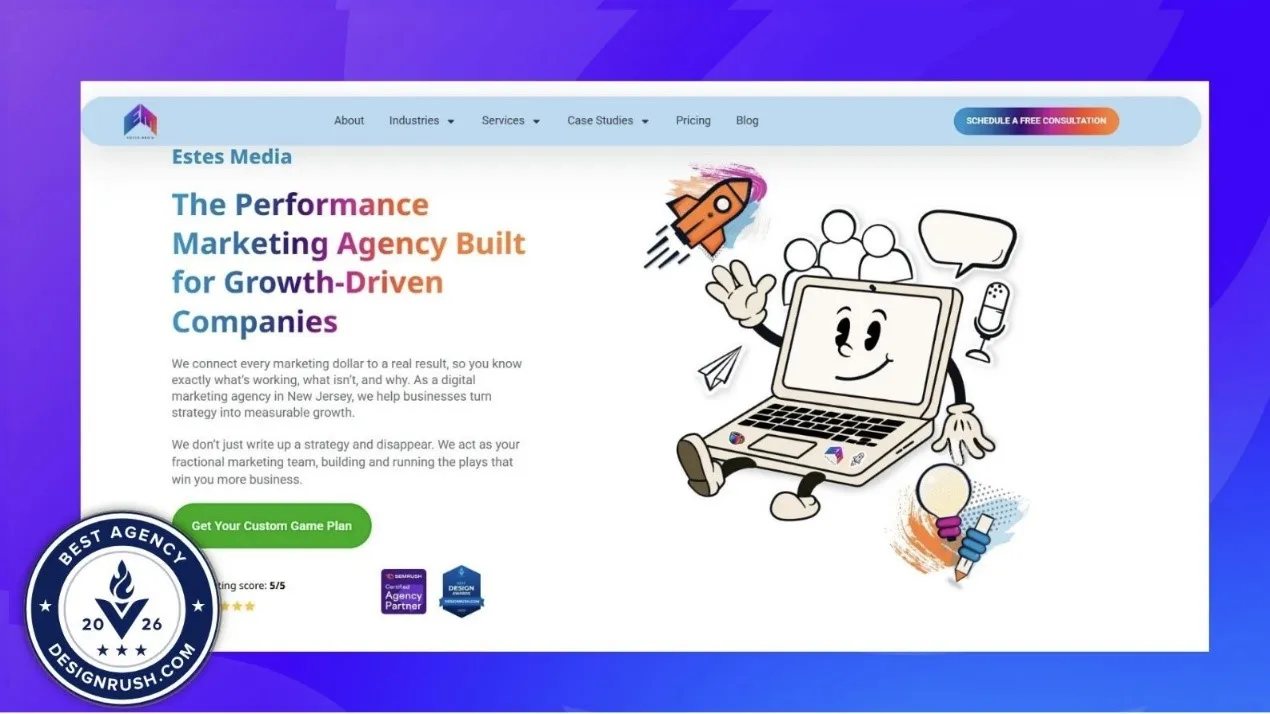
排名第10還不如被AI提一句:Estes Media如何用40%語音市占率教 roofing 產業重新學做功課
傳統SEO已經失效了。這不是預測,是正在發生的事。DesignRush今年9月底公布2026年GEO最佳代理名單,Estes Media是唯一一家建築業專業代理商入列。它的客戶WNC Roofing在核心服務的AI搜尋結果中拿下40%語音分享率。同時間,該客戶的有機排名維持不變。這是一個簡單的現實:你排得再靠前,只要AI回答裡沒出現你的名字,根本沒人會打給你。
官方公告的數據很清楚。Estes Media總部位於紐澤西州澤西市。DesignRush的評選依據是經驗深度、服務廣度和實際AI搜尋可見度。這家agency同時出現在Thrive Agency評出的「2026年最佳15家建築數位行銷代理」和Marketing Agency評出的「11家頂尖建築行銷代理」榜單。Joshua Estes把這個現象講得很直接。他說的很簡單。買主現在問ChatGPT、Claude或Gemini「誰是北卡羅來納州最好的商業屋頂承包商」,AI回三個名字。你的公司不在那三個名字裡面,訂單就消失了。
Ahrefs的數據為這個邏輯背書。Google AI Overview從前十頁抓取引用的比例,從2025年7月的76%暴跌至2026年3月的38%。排名在第1頁已經不等於被看見。WNC Roofing的案例正好詮釋了這個轉變。Estes Media的做法不是寫更多內容,而是重構內容。他們把原本圍繞關鍵字撰寫的文章,改成以答案為核心的區塊和FAQ結構。每個答案都能獨立站住腳。同時加上Schema標記讓AI引擎識別WNC是一家服務型企業。在Perplexity上,WNC位列北卡商業屋頂維修承包商第二名。有機排名沒有下滑。語音分享率沒有虛構。兩件事同時成立。
Estes Media把AI可見度視為SEO、付費媒體和轉換追蹤的同一個基礎設施。 citation本身不產生價值。關鍵是後面的動作要快、追蹤要準、預約要成。把答案型內容、Schema標記和轉換追蹤整合在同一套系統裡,才是這個案例的真正教訓。其他還在把GEO當成附加服務的agency,會看著自己的客戶在排名不變的情況下持續流失語音市場。Estes在DesignRush拿到了建築業唯一的席位。其他人要追,起點就在那份WNC的重構藍圖。