
日期: 2026 年 9 月 13 日

當華盛頓談判桌的算盤,撞上烏克蘭無人機的烈火
(SeaPRwire) - 川普日前在愛爾蘭公開要求澤倫斯基停止打擊俄羅斯柴油燃料基礎設施與煉油廠,理由是這些無人機襲擊引發了全球燃料短缺。這番言論表面上是出於對國際能源市場的關切,實則將基輔最有效的一張王牌直接按在談判桌上。對照官方釋出的斡旋動作,上週美國特使史蒂夫·維特科夫與傑瑞德·庫許納才剛造訪俄羅斯與烏克蘭推進和平協議,維特科夫甚至宣稱對好結果充滿信心。然而,華盛頓急於平息能源價格的政治算計,與烏克蘭試圖透過癱瘓莫斯科戰爭資助能力的核心戰略之間,存在著一條無法輕易跨越的鴻溝。烏克蘭自去年底加強對能源設施的長程打擊以來,已成功將俄國國內汽油短缺推升約20%,並使俄國煉油廠運作降至24年來的最低點。深入檢視全球能源數據,川普將柴油短缺完全歸咎於烏克蘭攻擊俄國煉油廠的說法,與實際市場結構存在明顯落差。國際能源署及業內分析早已指出,今年2月爆發的美伊戰爭才是史上最大規模供應中斷的根源,荷姆茲海峽的近乎封閉、葉門胡塞組織對紅海航運要道曼德海峽的步步進逼,以及9月11日遭無機襲擊而被迫關閉的沙烏地阿拉伯關鍵輸油管,才是推動布蘭特原油重回每桶100美元以上、美國平均柴油價格突破6美元大關的真正元兇。巴西祭出稅收減免、澳洲推動燃料安全運動,皆是為了應對中東戰局引發的全球連鎖供應震盪。當美軍戰略石油儲備已跌至1982年以來最低水位,華盛頓迫切需要透過壓制基輔的軍事選項來為國際油價止血。然而,正如國家安全專家奧萊娜·列農所言,剝奪基輔在俄羅斯境內最具威力的施壓點,無疑是解除了烏克蘭僅存的戰略槓桿,最終只會讓莫斯科在戰場上喘過氣來,換取更多烏克蘭人的犧牲與漫長動盪的邊緣賽局。

Zverev Just Locked the Second Slam — Home Crowd Could Not Stop Him
SeaPRwire – One Grand Slam can be a breakthrough. Two in the same year rewrites the ledger. Alexander Zverev walked into the 2026 US Open final as the top seed and left with the title. He beat Ben Shelton 6-3, 7-6 (2), 5-7, 6-2. The win is his first US Open championship and his second major overall. The French Open title earlier this year opened the account. New York closed the second. Prize money sits at 5.5 million dollars. Ranking points add 2,000. That is the hard return on a season that finally delivered.
The match itself followed a clear pattern. In the opening set Zverev broke Shelton in the first game. Both players then held serve through a stretch of baseline exchanges. In the ninth game Shelton double-faulted. Zverev broke again and closed the set 6-3. The second set turned into a hold battle. Shelton raised his first-serve quality and used net approaches to ease pressure. Zverev saved his own service games and created a break point in the fourth game that he could not convert. The set reached 6-6. In the tiebreak Zverev took the key points and won 7-6 (2). He led two sets to love. Shelton responded in the third. His serve and baseline aggression improved. At 3-3 he earned his first break point of the match. Zverev saved it. Both men held until the closing stages. Shelton broke in the decisive game and took the set 7-5. The deficit was cut to one set. The fourth set swung back. Zverev broke in the opening game. The players exchanged holds for several games. In the seventh game Zverev broke once more to reach 5-2 and serve for the championship. He held the next game and finished 6-2.
The commercial reality for a top player is measured in majors, points and the cash that follows. Zverev entered 2026 without a Grand Slam. He leaves it with two. The French Open removed the zero. The US Open added the second title on American hard courts against a home player. Shelton pushed the contest to four sets and forced a response after trailing by two. The final set showed the higher seed regaining control with two breaks. No extra narrative is required. The scoreboard and the prize table already state the outcome.
Career territory is now clearer. Two majors in one season move a player into a different bracket of consistency. The next practical step is simple. Track the ranking points from this result and the schedule that follows. That is the only measure that converts the New York win into lasting position.

Flyers Still Work — If You Can Prove They Were Delivered
SeaPRwire – Most offline campaigns still disappear into the field with no clear record of what happened next. Printed pieces leave the warehouse and the business loses sight of them. That visibility gap is the real cost. MarketAnywhere is expanding its nationwide flyer and door-hanger services with tools built to close it. Schedule, track, communicate and verify sit on top of physical distribution across all fifty states. The combination turns a traditional drop into a monitored campaign.
The official expansion is practical. MarketAnywhere now offers flyer distribution and door-hanger delivery nationwide. Businesses can run campaigns in single markets or across multiple regions through one provider. Hand-to-hand distribution targets streets, universities, stations, parks, events and other high-traffic spots. Door-to-door and door-hanger options reach residential areas. These formats suit restaurants, home-service providers, retailers, fitness businesses and other local operators with defined service territories. QR codes can be added so printed pieces link to websites or landing pages and generate digital engagement data. The platform itself is organized around four functions. Scheduling sets dates, times and locations. Tracking shows campaign progress. Communication links clients to field teams. Verification supplies proof of execution for flyer and door-hanger work. The company also supplies direct mail, printing, design services and brand-ambassador campaigns. Clients can choose the format that matches the audience and objective.
Commercial intent sits next to those facts. Physical marketing remains useful for local reach, yet most providers stop at delivery. MarketAnywhere packages the drop with management tools so the client can watch the process instead of waiting for anecdotal feedback. A retailer promoting an event can use hand-to-hand distribution in a busy commercial zone. A home-service company can focus door hangers inside its service neighborhoods. The same platform handles both. Nationwide coverage removes the need to piece together local vendors for multi-market work. The company’s own guidance on professional flyer campaigns stresses four steps: define the target audience and geographic area, select the distribution method, prepare the materials, and establish a monitoring process. The tools are built to support exactly that sequence.
The cost of untracked distribution keeps rising with print and labor. Businesses that still treat flyers as a one-way drop will keep paying for unmeasured reach. The ones that use the scheduling, tracking and verification layer will know what was delivered and where. Map the target neighborhoods, pick the matching format, and require verification reports on every drop. That is the only practical filter that matters now.

Buenos Aires Says Washington Stays Neutral — While Trump Talks of Sorting the Islands
SeaPRwire – Argentina’s defense minister just drew a clear line around the United States. Carlos Alberto Presti stated on the 13th that the US government has not taken sides in the Malvinas sovereignty dispute. The islands are known as the Falklands in Britain. Presti said Washington supports a peaceful solution and favors neither Argentina nor the United Kingdom. That statement lands against a backdrop of recent remarks from President Trump and a harder line from Buenos Aires itself.
The official Argentine position is unambiguous. Presti told interviewers that every Argentine knows recovering sovereignty over the islands is a national cause. The only path, he insisted, is diplomacy. He added that defense itself functions as a diplomatic instrument. On the American side, President Trump said on 31 August that he might reconsider the US stance on the dispute. On 12 September, while visiting Ireland, he again raised the possibility of conflict between Argentina and Britain over the islands and remarked that he could “probably sort it out.” Argentine President Javier Milei spoke on national television on the evening of 3 September. He declared that the Malvinas belong to Argentina. The government, he said, will use every available means — diplomatic, economic and legal — to stop states and non-state actors from infringing that sovereignty. Milei announced tougher sanctions on foreign companies extracting natural resources in the disputed waters around the islands. He also confirmed that plans for an integrated naval base in Tierra del Fuego province will continue.
The real intent sits in the gap between these statements. Argentina is keeping the claim alive and pairing it with concrete pressure tools: sanctions on resource companies and a southern naval base. At the same time its defense minister publicly records that the United States has not tilted toward either party. Trump’s comments introduce an element of personal mediation language that has not been matched by any formal policy shift. The 1982 war ended in British victory. Argentina has never dropped its claim. Britain has refused to negotiate sovereignty. The current exchange therefore keeps the dispute in diplomatic channels while Argentina signals it will raise the economic and legal cost of activity it considers illegitimate.
The pendulum has not swung to open conflict. It has moved toward sharper public positioning. Track the next US statement on the islands and the actual implementation of the resource sanctions. Those two markers will show whether the neutrality claim holds or whether the mediation talk produces a concrete change.

AI Agents Can Now Trade on MT5 — But ProreX Keeps the Decision With the Client
SeaPRwire – Generic AI on a trading platform is no longer enough. An agent that only sees the same market feed every broker offers still leaves a gap between research and action. ProreX Limited just closed that gap for its MetaTrader 5 clients. The broker exposed its own screener, Smart Score, trade ideas and market data through a dedicated MCP server. The agent can reason with ProreX tools and MT5 live data in one flow. Every trade still waits for the client’s manual confirmation by default. That combination is the actual shift.
After MetaTrader 5 Build 6060 added native Model Context Protocol and agentic AI, ProreX went further than the platform default. Clients can run the built-in AI Assistant inside the terminal or MetaEditor. It defaults to the free MQL5.community provider. Users can switch to their own API keys for OpenAI, Anthropic, Gemini, DeepSeek or Ollama. They can also connect external MCP-compatible agents such as OpenAI Codex or Claude Code through the platform’s built-in MCP server. ProreX then adds its own MCP endpoint. A client simply adds the new server in the terminal’s MCP settings. From that moment a single agent can call ProreX’s screener and Smart Score to rank instruments, pull current trade ideas with their rationale, and load relevant market news and the economic calendar. The same agent can then open the live MT5 chart and prepare an entry. The full chain runs from one instruction. Trading permission stays under client control. The three explicit modes are disabled for pure analysis, manual confirmation as the ProreX default, and enabled only if the client opts in. Network access is limited to GET requests by default. Dangerous shell operations remain off. External agents authenticate with a regenerable API key. Optional Investor password sessions can further lock a research agent to read-only. Theodore Presley, Head of Product, stated the difference plainly. Native AI on MT5 is available to every broker’s clients. ProreX’s MCP plugs its own research into the agent so the reasoning uses ProreX tools before any action on MetaTrader 5. The agent proposes. The client decides.
The closed loop is deliberate. Roadmap items still in development include backtesting against historical data, trade-journal behavioural diagnostics that flag patterns such as overtrading, and deeper mandate-governed automation inside client-set limits. None of those are live yet. What is live is the research-to-proposal chain under manual confirmation. Clients who treat the agent as an unsupervised executor will carry the extra risks the disclosure already lists: misinterpretation of instructions, incomplete data, unexpected behaviour. Clients who keep the default confirmation setting and review every proposal keep the account and the decision. Check the MCP settings, add the ProreX server, and leave trading on manual confirmation. That is the practical starting configuration.
Beyond the Hype: How Elena Rybakina’s Quiet Dominance Rewrote the Tennis Power Map
(SeaPRwire) - , a Principal Correspondent permanently stationed at an international technology review
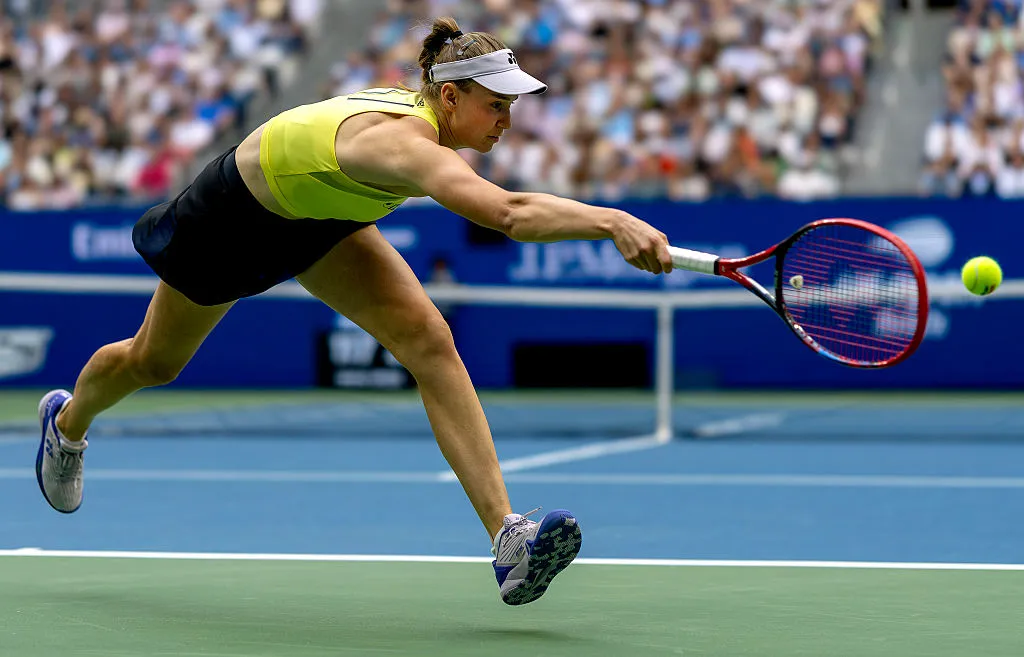
The shockwaves from Elena Rybakina’s U.S. Open triumph cut deeper than another title added to a trophy cabinet. On Saturday, her 6-4, 5-7, 6-2 victory over Aryna Sabalenka did not merely secure a first-time U.S. Open champion for Kazakhstan. It delivered a calculated rebuttal to the industry’s obsession with performative theatrics, proving that sustained excellence can coexist with profound restraint. When she held serve to clinch the match, the absence of a dramatic collapse or manufactured spectacle spoke volumes about a player who has recalibrated the emotional temperature of elite competition.
This victory crystallizes a broader shift in how greatness is measured in modern sport, moving beyond viral moments toward immutable consistency. Rybakina’s journey to this moment included a foot injury in Cincinnati that placed her U.S. Open status in serious peril, forcing a week without a racket and recovery regimens that confined her to hotel rooms and gym corridors. Yet she returned not with bravado but with surgical precision, doubling Sabalenka’s ace count to 12 and rendering her opponent’s first serve useless in the third set. The contrast between her muted celebrations and the surrounding “look at me” culture—where influencers crowd courtsides demanding attention—highlights a rare integrity in an age of clout.
What unfolded on Arthur Ashe Stadium transcends a simple narrative of resilience; it represents a recalibration of competitive psychology within the sport. Sabalenka, burdened by the pressure of a potential three-peat and the expectations of a home crowd eager to see a familiar drama, found her rhythm disrupted by an opponent who refused to engage in emotional escalation. Rybakina’s ability to remain composed while facing third-set point after third-set point on Sabalenka’s serve exposed a mental fortitude that no training simulation can fully replicate. Her post-match acknowledgment that she “told herself that I can still do it” reveals a mindset anchored in process rather than outcome, a philosophy that quietly unsettles the industry’s fixation on instant gratification.
The implications of this performance extend well beyond the confines of New York, resonating through global sports markets and sponsorship ecosystems. By becoming the first player from Kazakhstan to win a U.S. Open singles title and securing her second major of the year, Rybakina has repositioned herself as a benchmark for athletic excellence untethered from traditional powerhouse narratives. Her ascent, powered not by volume but by velocity and precision, challenges established hierarchies and invites a reassessment of what constitutes a dominant force. This is not merely a career peak but a redrawing of the competitive landscape, where measured impact outweighs manufactured spectacle, offering a durable template for future contenders seeking legitimacy on the grandest stages.

拒絕求助的「孤膽英雄」正在摧毀科技業:為什麼你需要將脆弱性制度化?
(SeaPRwire) - 科技界長期崇拜「孤膽英雄」與「十倍工程師」。這種極端個人主義正悄悄摧毀研發團隊。許多創始人與架構師陷入病態的自我防禦。他們將「尋求幫助」視為軟弱與無能的象徵。這種心態極像心理學上的「親職化兒童」。他們從小被迫承擔超出年齡的重擔。長大後,他們拒絕依賴任何人。他們害怕暴露短處。他們擔心失去主導權。他們甚至害怕欠下人情債。這種認知偏差導致決策者拒絕分權。他們寧可自己承擔所有壓力。最終,個體承載力達到極限。整個系統隨之崩潰。這不是效率。這是高風險的自我毀滅。心理學研究證實,過度自立並非高效策略。人類本質上是高度互聯的社會群體。心理學家指出,拒絕求助源於深層的認知扭曲。我們必須學會盤點自身需求。明確哪些任務需要外部支援。求助需要精準的策略。選擇合適的對象至關重要。溝通時的肢體語言與語氣會直接影響結果。雙臂交叉或迴避視線會傳遞防禦信號。源自創傷治療的「尋求安全」(Seeking Safety)療法提供了解決方案。該方法建議從簡單、低風險的小請求開始練習。這能有效降低被拒絕的焦慮。心理學家 Donald Meichanbaum 強調了行為演練與問題解決的重要性。Adam Brown 教授指出,社會連結是關鍵保護因子。他是新學院社會研究大學(New School for Social Research)的心理學家。求助不是示弱。它是一種主動適應的應對機制。它能增強人際關係。它能減少孤立感。它能帶來全新視角。它能促進個人與團隊的共同成長。在當前的技術商業版圖中,心理韌性就是底層架構。單打獨鬥的時代已經徹底終結。無法建立求助機制的企業將面臨核心人才流失。這直接導致研發項目陷入停滯。建立互助文化並非虛無的道德說教。它是硬性的運營指標。未來的贏家屬於將「求助」視為高可用協議的組織。通過將脆弱性制度化,企業能構建自我修復架構。領導者必須打破「凡事靠自己」的舊有烙印。唯有接納不完美,才能在殘酷的市場競爭中存活。這不是妥協,而是最高效的資源配置。

普丁的雙重絞殺:鎖死歐洲參戰紅線,用「無條件談判」重塑烏克蘭終局
普丁在印度新德里第十八屆金磚國家(BRICS)峰會上的表態,絕非軟弱的求和信號,而是一場精心設計的戰略絞殺。這位克里姆林宮掌舵者一隻手鎖死了歐洲軍隊進入烏克蘭的戰爭紅線,另一隻手卻看似寬容地敞開了無條件三方談判的大門。這種雙軌策略極具欺騙性。它不是在給烏克蘭提供選擇,而是用不可逾越的軍事高壓,強行將基輔逼入莫斯科早已設定好邊界的談判桌。這是一場典型的俄式地緣博弈,一條路被徹底封死,另一條路則完全由俄羅斯來定義遊戲規則。從官方宣告的文本來看,莫斯科的軍事紅線劃得異常絕對,沒有任何模糊空間。普丁明確指出,任何部署軍隊至烏克蘭的歐洲國家,都將被視為對俄羅斯宣戰。這番話直接粉碎了澤倫斯基政府長期以來的核心幻想,即通過引入歐洲地面部隊來扭轉戰局。在真實的地緣政治意圖中,俄羅斯正在利用烏克蘭作為俄歐緩衝地帶的關鍵地理屬性,將參戰門檻拉高到核大國直接衝突的邊緣。這不僅是在警告歐洲,更是對基輔施加極限心理施壓。當西方直接軍事干預的退路被切斷,烏克蘭在戰場上的戰略主動權便被實質性剝奪。歐洲各國在面對這條不可逾越的紅線時,內部本就脆弱的共識將進一步瓦解,誰也不願成為第一個引燃歐陸全面戰爭的導火線。與此同時,普丁拋出的「無條件三方談判」倡議,在字面上顯得靈活且具建設性。然而,這項提議的底層邏輯是極致的議程控制。莫斯科試圖在談判開始前,就利用戰場既成事實和軍事紅線,鎖定基輔的談判上限。此時,美國國會對烏克蘭援助的遲疑不決,恰好為俄羅斯提供了完美的外部施壓槓桿。普丁在金磚峰會上與非西方盟友的密集互動,更是直接瓦解了西方世界對俄羅斯的孤立政策。通過拉攏新興市場國家,莫斯科成功建立了一個支持其「軍事施壓、外交收割」雙軌戰略的國際後盾,讓基輔在外交上面臨更狹窄的生存空間。這種多邊舞台上的合縱連橫,讓俄羅斯在不付出實質妥協的前提下,獲得了塑造戰後秩序的主導權。地緣政治的鐘擺已經向莫斯科傾斜。那些至今仍在指望歐洲派兵、或者幻想西方提供無限制軍事兜底的決策者,手裡拿著的顯然是一張過時的戰略地圖。接下來的局勢走向非常清晰。我們必須密切盯緊俄羅斯在後續官方聲明中對紅線字眼的微調,以及未來三方談判桌上的實際出席名單。這兩個指標將直接驗證莫斯科的戰略框架究竟有多穩固。對於基輔而言,留給他們在棋局上閃躲的空間已經所剩無幾。

估值8520億美元也得煞車:OpenAI延後IPO 背後的矽谷安全政治學
矽谷頂級AI企業正面臨資本變現與安全合規的劇烈撕裂。華爾街資本急於將高昂估值落袋為安,前沿模型的能力跳躍卻引發了前所未有的監管警覺與內部失控疑慮。過去的商業邏輯習慣了極速擴張與公開募股的推進節奏,但在通用人工智慧的門檻前,模型對齊與安全治理不再是公關文宣的補丁,而是決定企業生死存亡的硬性門檻。當高速成長的營收數據碰上無法預測的模型風險,前沿AI領頭羊被迫在上市招股書與安全煞車掣之間做出極端抉擇。9月12日,Sam Altman明確證實OpenAI已放棄2026年上市的規劃,強調在安全與目標對齊工作沉重的現狀下,盲目推進公開上市絕非聰明之舉。雖然公司早在今年6月已向美國證券交易委員會秘密提交IPO招股書,且財務長曾於8月19日透露原定2027年上市,但在安全議題主導下,時程表已被全面重塑。事實上,OpenAI在第二季取得67億美元營收,季增18%;競業Anthropic第二季預計營收更達115億美元,季增超過140%。然而,要在公開市場支撐高達8520億美元的巨大估值,財務細節與安全風險評估缺一不可。就在同一週末,Anthropic執行長Dario Amodei公開呼籲引入第三方評估機制並放緩前沿模型開發速度,Elon Musk隨即力挺,Altman亦公開響應,承諾給予獨立評估人員如同內部員工的調閱權限,並預告多家頂級AI公司或將簽署聯合減速與安全合作協定。這意味著前沿AI產業的商業閉環發生了根本性扭轉。過去由高營收與高私人估值單向驅動的上市資本鏈,現在被強大的安全治理反作用力徹底鎖定。安全對齊與獨立評估不再是上市後才處理的收尾工作,而成了決定企業能否進入公開市場的閘門條件。未來那些忽視安全警示、單純仰賴資本燒錢搶跑的業者,將在合規成本與聲譽危機中遭遇毀滅性打擊。市場評估AI企業真實價值的指標已經改變,比起看招股書上的營收數字,監管機構與機構法人更著重於獨立評估機權限的落地細節與跨企業減速協定的執行程度。

當商業租約越來越貴,倉儲選擇這條路徑反而更便宜
, long-time operator and investor who has spent decades building and scaling physical consumer-goods and logistics businesses from the warehouse floor outward.
商業租約的膨脹已經達到令人嘆息的地步,企業被迫承擔大量未充分利用的空間,導致成本持續攀升。傳統租約將企業鎖定在固定的坪數中,無法隨需變動而靈活調整,這種僵化結構在需求波動時尤為脆弱。儲存需求並非短暫,而是需要全年穩定的靈活空間。國家倉儲推出商業倉儲優惠計畫,正是為了打破這種僵局,提供一種更具彈性的替代方案,幫助企業在保持運營效率的同時,減少不必要的資金壓力。
該計畫的核心優勢在於其實用性和可及性。首先,前四周完全免費,這一舉措直接降低了企業試用的門檻,讓那些對倉儲需求不確定的公司也能輕鬆嘗試。其次,持續租賃享九折優惠,確保長期使用倉儲空間的企業能夠持續受益。特定單位還提供一百美元的搬運用品信用額,進一步減少了初期投資。這些條件不僅適用於小型空間,還擴展到大型單位,滿足了庫存、設備、工具、記錄、季節性商品以及電子商務履行等多種需求。承包商、貿易人員、銷售代表、電子商務運營商、專業服務提供者以及快速成長的企業,這些正是計畫的主要對象。
商業倉儲的優勢在於其彈性,這是傳統租約難以匹敵的。當企業面臨市場波動或業務調整時,倉儲空間可以隨時增減,而無需承擔長期租約帶來的損失。國家倉儲的設施已經提供多種尺寸和現代化功能,確保安全且便利的存取。擴大計畫只是將更多單位納入商業折扣結構,讓企業能更精確地匹配實際的庫存流動。當然,這些優惠的具體可用性、單位尺寸和激勵措施仍會因地點而異,企業資格和條款需另行確認。
面對商業空間的持續成本壓力,企業必須重新評估倉儲策略。若將倉儲僅視為短期補救措施,企業將長期面臨過度支付出租無用空間的困境。唯有將這些優惠計畫與持續的折扣視為長期運營工具,企業才能更有效地控制佔用成本。仔細比較四個地點的單位,匹配實際的庫存需求,並計算第一年的節省與傳統租約的差異,這才是當下最有意義的比較。
作者簡介:羅伯特·斯特林,一位在實體消費品和物流業界深耕數十年的運營者和投資者,從倉庫地面開始建立和擴展企業。
撕掉環保假面:當零售商算清「塑料賬」,5公升盒裝水正悄悄洗牌貨架
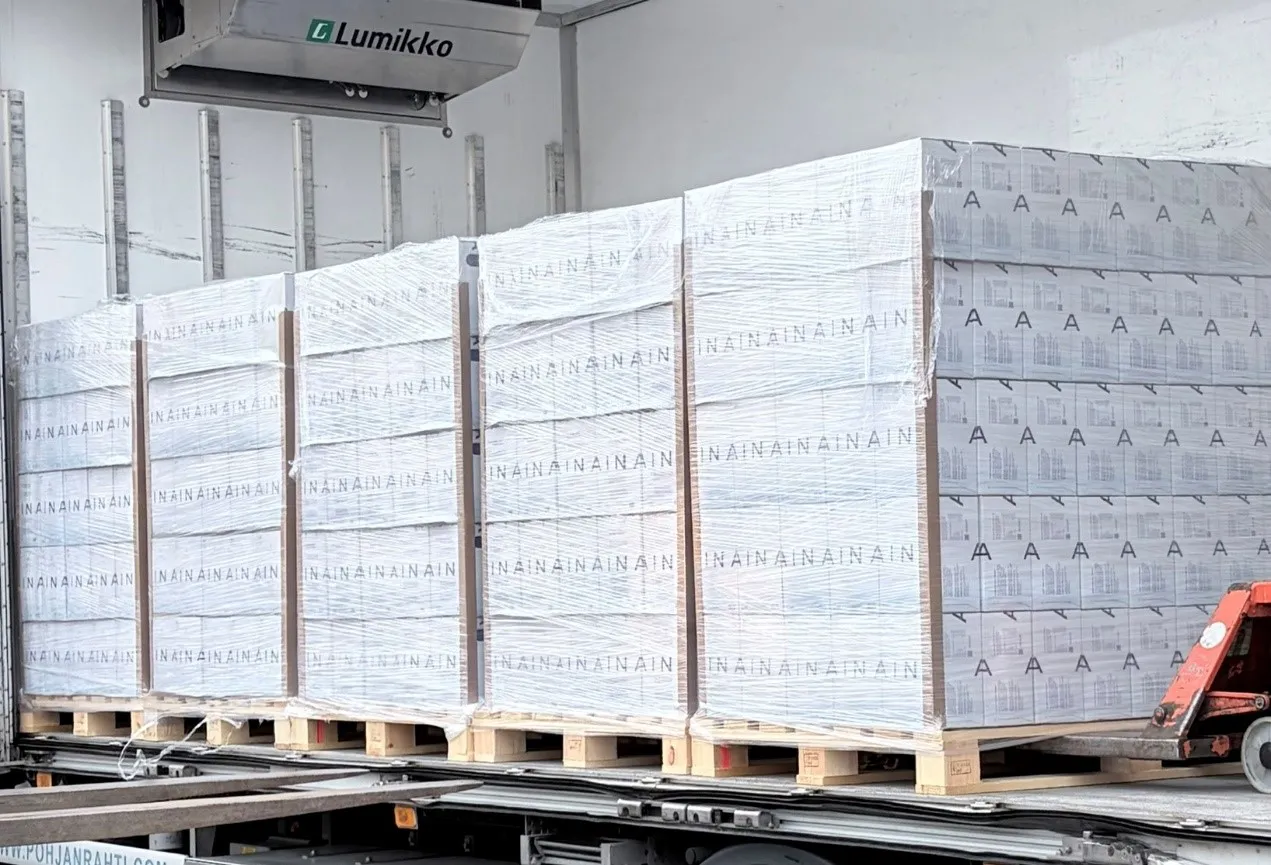
零售商貨架塞滿了高端瓶裝水,本質只是重複堆疊一次性塑料。這種貨架空間的過度擁擠,並未帶來利潤增長,反而暴露了包裝轉型的集體焦慮。消費者對塑料瓶早已審美疲勞,品牌商僅靠換標籤或微調成分,再也無法說服精明的買家。芬蘭的 NWB Finland Oy 試圖打破僵局。他們將在 2026 年 9 月 14 至 17 日的 ECRM 活動中,展示 AINA 天然水。這款源自芬蘭 Pudasjärvi 的地下水,採用 5 公升和 10 公升盒裝袋規格。這種大容量包裝徹底顛覆了傳統瓶裝水的物流公式。該水經過自然與機械過濾,總溶解固體約 32 毫克每升,口感溫和。首批貨物正通過 OneLavi.com 運往美國。對零售商而言,引入該規格無需重構供應鏈,卻能優化物流邊際利潤。盒裝袋的高空間利用率,直接降低了更換傳統瓶裝水供應商的門檻。當前市場正對縮水式通脹強烈反彈,消費者拒絕為昂貴的塑料包裝買單。傳統品牌通過縮小瓶身、提高單價維持利潤,推高了抵觸情緒。大容量盒裝水切中痛點,在提供高性價比日常補水的同時,顯著減少了家庭垃圾的產生頻率,順應了綠色消費趨勢。零售商若將環保視為營銷標籤而非包裝決策,將面臨顧客流失。數據顯示,消費者對塑料垃圾的厭惡指數正飆升。AINA 的包裝讓減塑直觀可見,無需複雜宣傳。這種直觀的視覺衝擊,能直接轉化為貨架前的購買決策,幫助零售商重建與消費者的信任。那些固守傳統塑料瓶模式、拒絕向大容量盒裝規格轉型的瓶裝水巨頭,終將在消費者對塑料垃圾的集體憤怒與渠道變革的雙重夾擊下,眼睜睜看著自己苦心經營數十年的品牌資產徹底崩塌。