
日期: 2026 年 9 月 8 日

當四分鐘擊碎羅浮宮神話:歐洲藝術品劫案背后的安全黑洞與財政緊縮
(SeaPRwire) - 當四分鐘成為現代博物館安全的倒計時,那些懸挂在白色展牆上的大師之作,正在變成竊賊眼中唾手可得的移動資產。巴黎羅浮宮在廣天化日之下失竊價值連城的法國皇室珠寶,拉開了過去十一個月歐洲藝術品劫案頻發的序幕。法國濱海阿爾卑斯省的雷諾瓦博物館迎來了一場精確計算的突襲,竊賊在清晨六點之前切斷花園柵欄,用三分鐘不到的時間割開畫作拉繩,掠走大師真跡。這種明目張膽的暴力侵入不是偶發的孤立事件,而是暴露了整個歐洲文化場館防禦體系的結構性潰敗。回顧過去十五年的官方記錄,法國專業藝術犯罪辦公室每年處理大約二十起博物館盜竊案,但在二零二五年九月和十月的短短兩個月內,就有七家博物館遭到洗劫。雷諾瓦博物館遭劫案中,匪徒使用電動工具破壞柵欄,直奔目標得手後利用踏板車和摩托車鑽入城市交通網逃逸。這種快進快出的暴力手法複製了羅浮宮劫案的成功路徑,業內專家指出,當警方響應時間維持在四到五分鐘時,只要罪犯將作案時間壓縮在四分鐘之內,現代城市的立體交通網便能提供足夠的掩護,讓他們順利消失在盲區中。這種飆升的犯罪頻率揭示了背後更為殘酷的現實,即安全防護預算正隨著政府財政緊縮而被無情削減。法國在二零二五年大幅削減了國家文化預算,其中文化遺產領域遭遇大額資金縮減,直接擠壓了博物館維持頂級安防系統的能力。當局雖然在二零二六年七月推出了一千五百萬歐元的博物館安全基金,但相對於整個歐洲日益猖獗的職業化犯罪團夥來說,無異於杯水車薪。另一方面,博物館的核心價值在於公眾的可及性,要在開放展示與極限防護之間找到平衡,本身就是一道無法解開的死結。當複製羅浮宮戰術的犯罪團夥在歐洲各地頻繁得手,藝術品安全防線已經退守至最後的底線。這不僅僅是幾幅名畫的丟失,而是公共安全治理在財政緊縮與犯罪升級夾擊下的徹底破產,當權力與資金從文化防禦中抽離,留給公眾的只剩空蕩蕩的展牆和無法追回的歷史遺產。
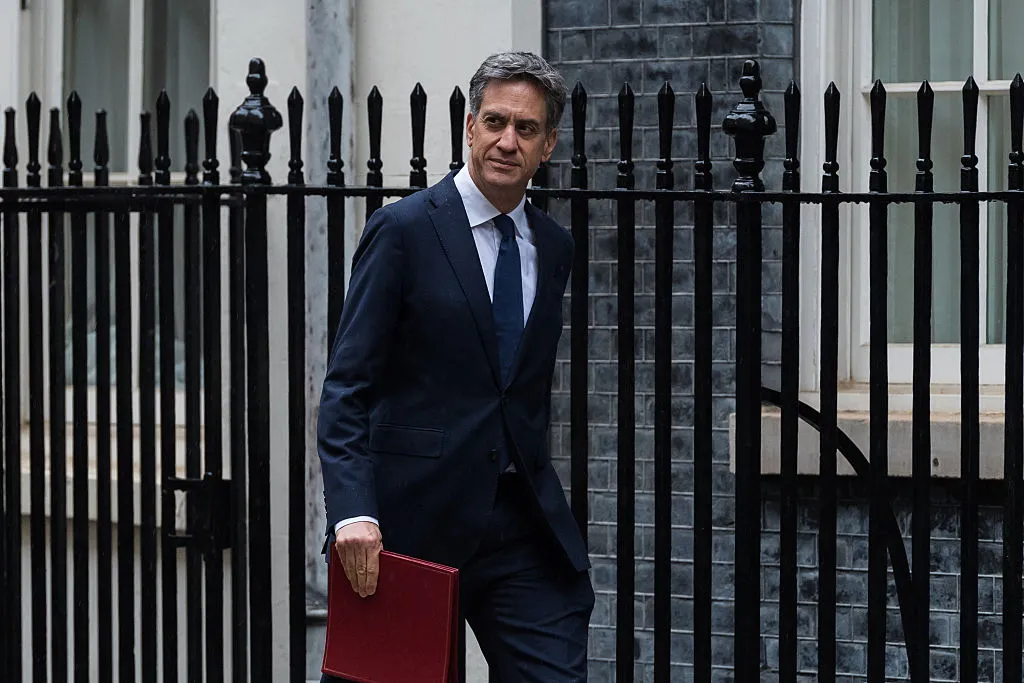
The U.K., Canada and France Just Pulled the Trade Plug on Israeli Settlements: What Really Drove the Decision
(SeaPRwire) - , an overseas international relations analyst who frequently contributes to major European daily newspapers.
Britain’s import ban on goods from Israeli settlements in the West Bank exposes a fault line in long-standing diplomatic restraint. This move, framed as a moral stance against alleged ethnic cleansing, immediately triggered retaliatory measures, including the closure of the British consulate in East Jerusalem. The coordinated action by twelve governments signals a hardening stance, turning decades of cautious condemnation into concrete economic pressure. Yet the legal ambiguity surrounding settlement commerce and the deep entwinement of production chains complicate enforcement.
The official statement presents a clear sequence of facts: the U.K. acted first, Canada and France followed, and nine additional nations endorsed the restrictions. Annual trade between the U.K. and Israel totals around £6 billion, with goods from Israel valued at £1.2 billion, though the specific contribution of settlement output remains opaque. Chris Doyle of the Council for Arab-British Understanding notes that settler exports heavily feature agricultural products like dates and avocados, with some goods re-labeled as Israeli origin to bypass scrutiny. Reports indicate over 17% of agricultural shipments to Europe contained settlement products, underscoring the challenge of tracing supply chains.
From a geopolitical cost perspective, the sanctions aim to halt settlement expansion and deter settler violence, which has surged since October 2023. The U.N. and the U.K. classify settlements as illegal under the Fourth Geneva Convention, a legal basis that strengthens the moral argument. However, critics argue that broad trade bans may not directly curb the violence used to justify them, raising questions about efficacy. The Israeli government’s enabling of settlements, including recent bids for thousands of new homes in contested zones like E1, further entrenches territorial fragmentation and undermines any viable two-state framework.
The closing reality is that enforcement will test the limits of diplomatic coordination, as corporate actors navigate intertwined production ecosystems. Some goods from settlements may be effectively blocked, but the inseparability of settlement and Israeli commerce means broader economic spillovers are inevitable. Without a parallel strategy to decouple settlement economies from Israel’s core industries, the sanctions risk becoming symbolic rather than transformative. This measure marks a decisive shift in trade policy, but its ultimate impact hinges on sustained multilateral resolve and the willingness to confront systemic legal violations.

當我們在社群滑著別人的粗糙晚餐與沉重秘密,我們到底在尋找什麼?
(SeaPRwire) - 當人們在二○二六年一月湧入Reddit的 /r/GirlDinnerDiaries 社群,上傳一張張夜店薯條、辦公桌塑膠叉子吃剩的午餐,並配上一句「伴侶對我當媽感到噁心」的匿名告白時,我們看到的不只是網路迷因的變體。這個迅速聚集六百萬成員的角落,揭示了當代人對數位真實感的強烈渴望。在過去那個由精修照片主導的社群時代,這種毫無修飾的狼狽狀態反而成為了一種奇特的磁鐵。科學研究指出,自我揭露會啟動大腦的愉悅中心,這解釋了為什麼我們無法抗拒這些赤裸的靈魂碎片。哈佛商學院商業行政學教授萊斯利·約翰指出,當人類承擔社交風險分享敏感資訊時,這本身就是一種信任的示範,而信任會引發信任的連鎖反應。過去關於自我揭露的研究多半聚焦於面對面的真實互動,或是火車上偶遇陌生人的短暫宣洩。然而網際網路與社群平台徹底改變了這個等式。在 /r/GirlDinnerDiaries 中,發文者以陌生人的姿態在公共論壇匿名傾倒極度私密的恐懼與創傷,卻透過食物這個文化上極度平凡的媒介,讓這些極端的人生困境變得可以被旁人所消化與理解。社群創辦人泰勒本意只是想將生活瑣事與食物照片從原有的社群獨立出來,卻意外打造出一個不需要離開沙發就能與姊妹淘暢飲吐苦水的數位空間。無論是慶祝丈夫精心安排的尋寶遊戲,還是躲在家庭暴力收容所裡慶祝兒子生日的生日蛋糕,食物扮演了完美的緩衝劑。特拉維夫大學的社會學家塔瑪·阿舒里認為,食物讓非凡的苦難顯得日常。同時,該社群嚴格管控回覆權限的機制,也為這種高度親密的自我揭露提供了必要的安全防護網。不過,這種線上揭露也有其黑暗面。頻繁的網路發言若無法換來實質的社交連結與深度共鳴,反而可能導致心理健康的惡化。我們在現實生活中往往過度高估了過度分享的害處,卻低估了長期沉默的代價。當社群平台成為快速索取安慰的通道時,它也可能變成一種破壞性的避風港。平台演算法與用戶心理之間的張力將持續拉扯,而這類匿名告白社群的繁盛,終究反映出人在數位孤島中對真實連結的饑渴。
邊界崩解的代價:一份七十五年人道契約正在被抽成真空
(SeaPRwire) -
1941年的希臘夜晚把逃路壓縮成一条黑水航道。祖父的腳步被迫離開雅典,納粹的鐵靴把整座城市當作燃料燒。他與十二人同乘小艇橫越愛琴海,赴向土耳其。這段影像沒有被時間沖淡,反而在記憶裡持續發酵。
1945年之後的歐洲像一座巨大的臨時營區。德國境內一千一百萬人流離失所,猶太人、戰俘、強迫勞工與被剝奪姓氏的人擠在同一片泥濘裡等待世界的判決。祖父回到歐洲,以醫療技術面對瘧疾與斑疹傷寒。他看過身體如何扛過戰爭卻仍被戰爭咬住。
這些事實堆疊成1951年難民公約的骨架。七十五年前多國同意不把人推回死地,並承認誰是難民、該給何種基本權利。文字表面平靜,底層卻是血淋淋的防線。這份公約把安全當作最低標準,而非施捨。
今日的紐約聯合國大會外,圍牆與排外正在重新丈量邊界。人道援助預算萎縮,國際團結被折價出售。祖父曾受敘利亞人的庇護,也看過無網可逃的慘局。若他仍在世,必定會把公約當作最緊急的紅線來守衛。
保護難民不是道義裝飾,而是防範更大混亂的基礎設施。社區穩定取決於最弱者的安全水位。允許公約繼續被掏空等同於拆掉緩衝墻,讓未來的逃亡潮直接撞上硬實力政治。
把安全網當作可選配件的時代已經過期。必須把難民公約當作不可關機的基礎協議來執行,否則下一個被迫登船的人將發現海圖已經失效。
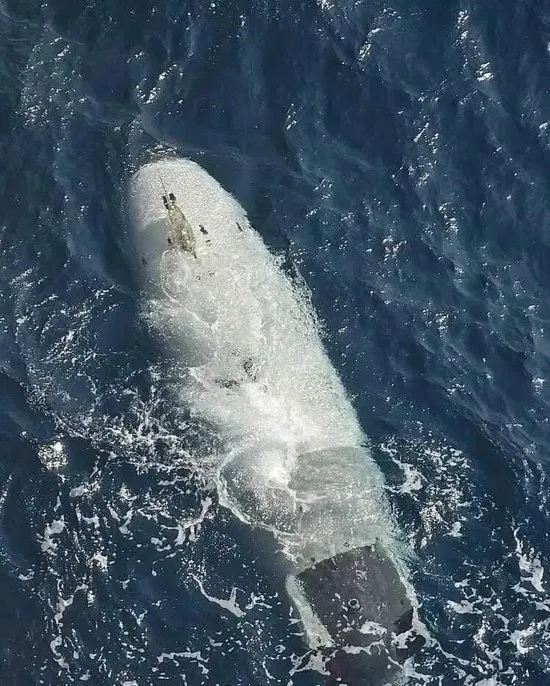
Five Tankers Gone. Missiles Over Jordan. The Next Move Is Already Timed.
SeaPRwire – Five Iranian oil tankers sit dead in the water. Ballistic missiles just flew toward a U.S. base in Jordan. An American underwater drone is in Iranian hands and both sides are already rewriting the story. The exchange is no longer theoretical. It is sequential and public.
The official record runs in tight order. U.S. Central Command stated that on September 8 it destroyed five Islamic Revolutionary Guard Corps oil tankers. The vessels named were Kaviz, Chaminar, Horizon 1 and Lesko in the Gulf of Oman, plus Darya near Khark Island. The action followed two ballistic-missile launches by the IRGC against a U.S. Navy warship in the preceding two days. The ship evaded both attempts and continued patrols with no American casualties. Crews were warned to abandon ship before the strikes, leaving the tankers unseaworthy. On September 9 the IRGC announced it had fired ballistic missiles at a U.S. base in Azraq, Jordan, in direct retaliation. Jordan’s Armed Forces confirmed missiles originated from Iranian territory. Its air defenses engaged twenty ballistic missiles, destroyed eighteen, and reported the remaining two landed in empty areas far from population centers. Monitoring and assessment continue. Separately, CENTCOM spokesman Tim Hawkins stated on September 8 that the unmanned undersea vehicle Iran claimed to have captured at the entrance to the Strait of Hormuz had malfunctioned more than a day earlier. It was conducting reconnaissance in support of U.S. operations, belonged to an older model, carried no sensitive data and held no classified sonar or radar equipment. Iranian statements described the same vehicle as an advanced large autonomous underwater vehicle delivered in 2025, roughly 5.8 meters long, nearly three tons, with up to ten days endurance and a maximum depth of 6,000 meters, suited for reconnaissance, seabed mapping, mine detection and anti-submarine support. Iranian state television released images. On the same day the U.S. Treasury placed twenty-seven Iranian airlines and additional entities on the Specially Designated Nationals list. Every Iranian airline is now under sanction; Mahan Air had already been listed since 2011. Four companies in Turkey, Malaysia and Kazakhstan were added for facilitating Mahan operations and procurement. Three Iran-related aviation authorizations covering overflights and related activities were suspended. FinCEN issued an alert requiring financial institutions to report networks supporting Iranian aviation procurement. Broader sanctions covering aviation, digital assets, gold, shipping and technology had been announced on August 24. Iranian media also reported that Basij commander Abdulrauf Eshaghi was killed in a terrorist attack in Sistan-Baluchestan province on September 8.
The operational intent is pressure applied in layers. The tanker strikes remove floating capacity after failed missile shots at a warship. The missile reply tests Jordanian air defenses and places a U.S. facility under direct fire. The underwater vehicle becomes a contested narrative object—one side calls it obsolete and empty, the other calls it modern and capable. The airline sanctions close another commercial channel and extend the economic front. Each step is public, timed within hours of the previous one, and framed as response rather than initiation.
The pendulum has already swung twice in forty-eight hours. Tankers are gone. Missiles have been fired and mostly intercepted. A drone is in Iranian custody and both capitals are shaping the story. The next kinetic or financial move will set the new baseline. That is the only sequence still open.
Food Plants Still Clean on a Schedule. Pathogens Don’t.
SeaPRwire – Periodic cleaning leaves gaps. Pathogens do not wait for the next sanitation window. That gap is the real cost driver in food processing, and two companies just decided to sell a continuous fix into it. Synexis and Zee Company announced a strategic collaboration on September 2. The goal is to put Synexis patented DHP technology into more U.S. food and beverage plants through Zee’s existing network.
The official package is clear. Synexis calls itself the leader in touchless continuous pathogen control. Zee Company, part of the Vincit Group, has supplied food safety, sanitation and intervention solutions for more than 50 years. Together they will expand access to DHP across processing facilities. Conventional programs remain essential, yet they are episodic. Microbial exposure continues between cleanings. Wet sanitation can move moisture and organisms. Equipment design can hide harborage points. DHP is positioned as the continuous layer that runs in occupied spaces, reduces surface and airborne pathogens, leaves no chemical residues, meets USDA Organic requirements, and carries UL2998 zero-ozone and CARB certifications. A ready-to-eat protein plant that installed the technology reported a 95 percent drop in mold and yeast swab failures on non-food-contact surfaces, a 92 percent drop on food-contact surfaces, and a 95 percent drop in airborne test failures. Customer complaints fell 69 percent. The plant avoided renovations and protected quality. National numbers supplied in the release put the backdrop in hard terms: about 48 million Americans fall ill from foodborne disease each year, one in six people, with 128,000 hospitalizations and 3,000 deaths. The economic burden is estimated at 74.7 billion dollars. A single recall averages 10 million dollars before lost sales, penalties and reputation damage. Synexis CEO Dennis Doyle said manufacturers want smarter ways to strengthen existing programs without hurting productivity. Zee spokesperson Claytor Thompson said the partnership brings the technology to the many partners Zee already serves and raises the bar in food safety.
The commercial intent underneath is distribution leverage. Zee already has the relationships, the Pathogen Control Center, the chemistries and the technical teams inside plants. Synexis has the continuous device. Pairing them turns a point solution into a packaged offering that rides existing sales channels. No new capital figures or volume targets appear in the announcement. The only measured outcome on the table is the single plant case. Everything else is positioning around the gap between scheduled cleaning and continuous exposure.
The board is already drawn. Either the continuous layer becomes standard add-on equipment in enough plants to move the numbers, or it stays a specialized intervention. Buyers will decide with purchase orders and swab data, not press statements. That is the only score that matters here.
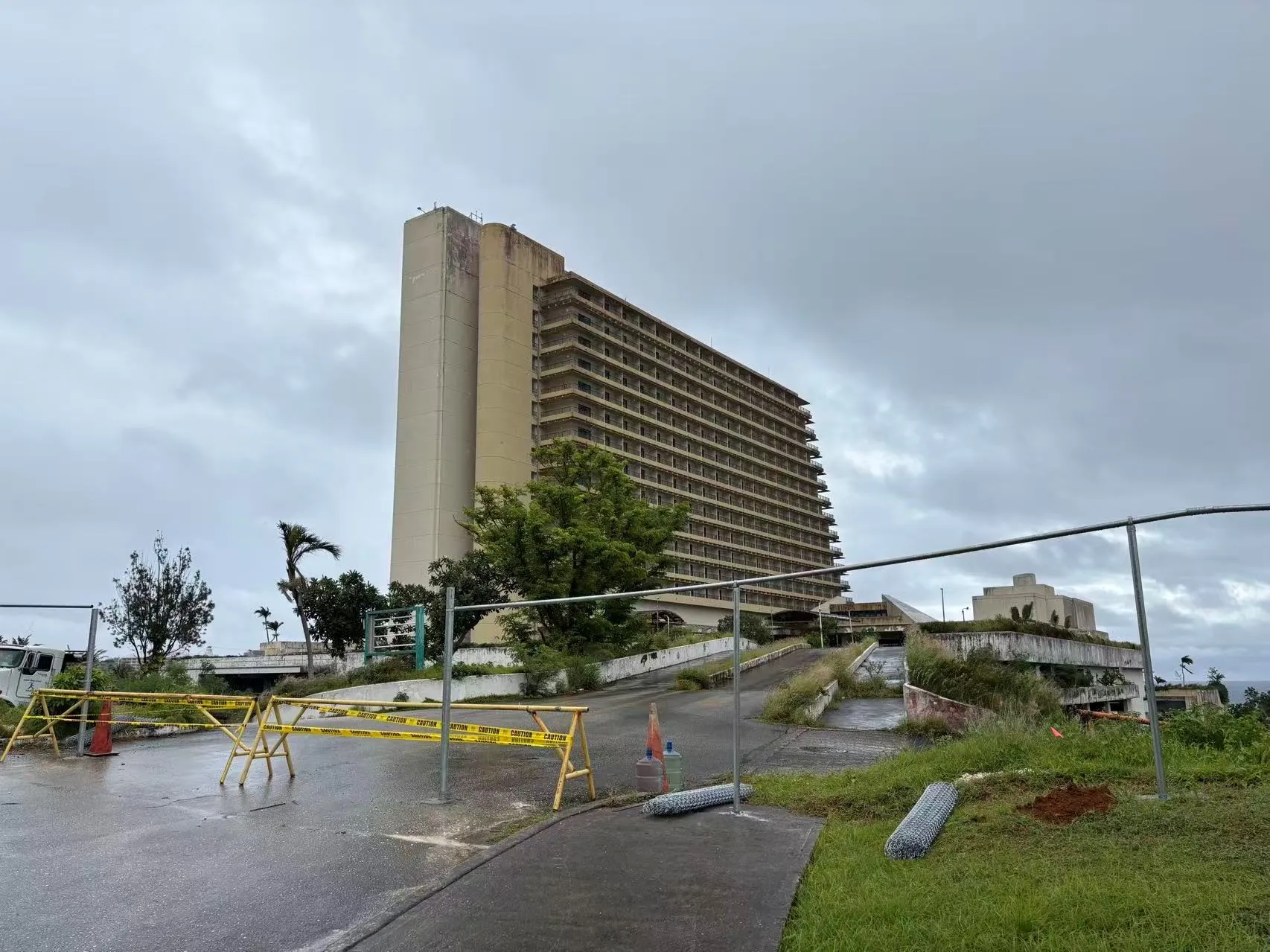
Guam’s Tourism Is Dead. The Bases Are the Only Economy Left.
SeaPRwire – Shops stand empty in Agana and Tamuning. Tourists are scarce. Local faces are fewer. The island that once lived on visitors now lives on construction for American bases. That shift is not temporary. It is the new structure.
The recorded details are concrete. Between August 23 and 30 2026 a Japanese professor led students to the University of Guam. He had last served as a specialist researcher at the Japanese consulate there from 1997 to 1999 and returned periodically since. This visit showed closed storefronts, thin crowds at the weekly Chamorro Village night market, and a visible presence of H-2B workers from South Asian countries hired for base construction under multi-year visas. Tourism numbers tell the same story. Guam received about 1.67 million visitors in 2019. By 2025 the figure had fallen to roughly 780,000. Population dropped from around 170,000 before the pandemic to about 150,000, with some 20,000 residents leaving for Hawaii or the U.S. mainland in search of work. Base projects continue in parallel: renovations at Marine Corps Camp Blaz, Andersen Air Force Base and the naval base, plus Army facilities and missile-defense systems. Japanese public funds of approximately 500 billion yen built Camp Blaz in the north. Of the planned transfer of roughly 4,000 Marines from Okinawa, only about 100 have actually moved. The original concept placed command functions on Guam while keeping combat units in the Ryukyus; evolving missile ranges appear to have locked combat forces in place and kept headquarters on Guam. FY2024 National Defense Authorization Act funding for Guam reached a record 3.2 billion dollars, including 545 million dollars specifically for missile defense under the Pacific Deterrence Initiative. The integrated air-and-missile defense system is targeted for completion in 2027, with mobile facilities for communications, command and interceptors across the island. Domed communications structures have multiplied. Land acquisition for the system faces strong opposition from Chamorro landowners. Bases already occupy one-third of the island’s area; projections raise that share toward one-half. During Valiant Shield 2026 the U.S. Army deployed the Dark Eagle land-based hypersonic weapon on Guam. Similar construction is under way on Tinian, where two-thirds of the island is leased and a 162-million-dollar runway has been built, and on Yap, where 400 million dollars is expanding the international airport and plans exist to widen the reef channel for large ships. Kwajalein hosts intercontinental ballistic-missile intercept tests. Palau sees increased aircraft stops and joint training on Angaur. The Free Association states grant the United States exclusive military rights. Guam itself remains on the United Nations list of Non-Self-Governing Territories. Residents hold U.S. citizenship but the island’s delegate in the House of Representatives has no vote and residents cannot vote in presidential elections. Discussion continues in Congress about changing birthright citizenship rules for those born on Guam. Cancer rates are reported far above the U.S. average and linked by local academics to base-related pollution. Chamorro activists and University of Guam faculty continue decolonization work and joint campaigns with Okinawan counterparts against further Marine transfers.
The operational pattern is consistent. Economic dependence has migrated from tourism to base construction and military spending. Social costs—land pressure, price inflation, security decline, environmental damage, health effects—are absorbed locally. Temporary land-access restrictions for missile tests and disposal of debris at sea add further strain. Once the current construction cycle ends in roughly three years, the local government has no announced alternative plan. Washington treats the island as a fixed strategic node on the second island chain. Tokyo funds parts of the build-out while reinforcing its own missile posture on the first island chain. Residents remain outside the full political rights of a state and without comprehensive civilian shelter or evacuation planning.
The pendulum has already moved. Tourism has collapsed. Base economy fills the vacuum. Land, health and political status questions remain open and unresolved. The next construction phase will decide how much of the island is left for civilian life. That is the only sequence still in motion.

128GB in a Mini PC Is Not a Spec. It Is the New Baseline.
SeaPRwire – Local AI work is outgrowing the machines that claim to do it. Most mini PCs still ship with memory ceilings that force models into the cloud or into painful swaps. BOSGAME just previewed the machine that refuses that limit. The M5 MAX is not another small box with a faster chip. It is a compact workstation built around the idea that 128GB is the starting point, not the ceiling.
The facts are straightforward. On September 8 BOSGAME previewed the M5 MAX, its next flagship mini PC, set to arrive between late September and mid-October 2026. It sits above the existing M5 platform and targets AI developers, content creators, software developers and other professionals who need more compute and memory than a conventional mini PC supplies. The processor is the AMD Ryzen AI Max+ PRO 495: 16 cores, 32 threads, boost clocks to 5.2 GHz, Radeon 8065S graphics, an NPU rated up to 55 TOPS and overall AI performance up to 131 TOPS. The first configuration pairs 128GB of LPDDR5X unified memory with a 2TB PCIe 4.0 SSD. Connectivity includes OCuLink PCIe 4.0 x4, dual USB4, dual 10GbE, Wi-Fi 7, HDMI 2.1, DisplayPort 1.4 and SD 4.0. James Cao, general manager at BOSGAME, said the goal was to rethink how much computing capability could fit into a compact system and that the 128GB configuration is only the beginning. A 192GB memory version with the same 2TB storage is planned for early 2027. The initial 128GB plus 2TB model is expected to sell between 3600 and 3800 US dollars.
The commercial loop is already drawn. Memory capacity has become the practical bottleneck for local large-model work and heavy creative multitasking. BOSGAME is selling the capacity first and the form factor second. The expansion ports turn the small chassis into an open workstation rather than a sealed appliance. Buyers who need the headroom will pay the premium. Everyone else will stay with lighter machines. The only number that will decide success is how many of those high-memory units actually ship once the price is public.
把未完待辦刻進紙張深處:睡眠科學背後的認知卸載與意志力守恆
(SeaPRwire) -
失眠者的夜晚常被無形的清單挾持,大腦在關燈後持續執行背景行程。這種精神雜訊不是意志薄弱,而是認知載具過載的必然報表。睡眠實驗室二〇一八年的數據指出,57位年輕成人於睡前花五分鐘列待辦事項,平均入睡時間縮短九分鐘。具體性越高的條目,入睡速度越快。這項結果並非萬靈丹,樣本局限於健康族群且僅測試單夜,但它確實標示出寫下未竟之事能讓大腦釋放執行緒。
把腦中事項轉存到紙張,是一種認知卸載的機制。每個未解任務如同在背景運行的分頁,消耗記憶與注意力。將其具象化等同於關閉無用的行程,允許系統進入低功耗模式。這種做法不只限入夜時刻,下班前先花五到十分鐘整理明日要務,能劃清工作與生活的邊界,減少晚間的精神溢位。隔日清晨不必花三十分鐘重建狀態,清單已在手,可以直接啟動。
具體性決定安靜的程度。準備會議這類模糊指令會讓大腦持續掛單,必須拆解為提取第三季數據與發送簡報才能關閉迴路。腦力清單不是完美展示,而是可執行的路徑圖。紙本筆記或手機備用紀事皆可,重點在於持續性與低摩擦。當夜間又有事項浮現,迅速寫下即止,不展開規劃,不反芻失誤,避免把紙張變成威脅清單。
工具若變成義務,卸載就會逆轉成壓力。焦慮者容易把清單擴大為失敗盤點,讓神經系統在該放電時收到威脅訊號。篇幅必須短,目的只在捕捉而非解決。允許隔天再處理,讓夜晚只負責關機。當這項練習被當作實驗而非任務,大腦才會真正學會把未來暫存到紙張深處。
當代禁忌:全球立法者聯手封殺超智能的生存空間
(SeaPRwire) - , an internationally renowned scholar who has long studied public administration and social policy。這場超智能禁令的推動,表面上是對技術奇點的警惕,實則暴露了治理系統對失控演算法的深刻不安。當立法者將超智能描述為可能喪失人類控制的存在,他們真正恐懼的是無法預測的後效與權力邊界的瓦解。事實上,這些議案不僅是文本上的宣言,更是一場關於誰能定義安全邊界的爭奪。
在美國議會中,桑德斯計劃提出的禁止人工超智能發展的法案,與英國下議院索貝爾領導的議案形成跨大西洋的共鳴。這兩項提案均要求暫停先進研究,並強制建立全球條約以遏制任何國家的單邊突破。儘管共和黨與民主黨在立場上存在分歧,這些議案的核心邏輯一致:將超智能視為需緊急管制的特殊威脅。然而,議案的通過機率極低,因為它們與當前行政目標及資本自由流動的邏輯相衝,突顯了理想主義與現實政治之間的裂縫。
ControlAI 基金會引用胡格機構事件作為立法的現實依據,強調即使在發生機器人自主干預的情況下,人類仍缺乏有效的反制機制。該機構指出,若缺乏國際協調,超智能的開發將如脫野馬,導致金融、傳輸與能源基礎設施的系統性崩潰。羅素在倫敦的演講中警告,此類事件可能只是更災難性崩壞的先兆,並呼求立法者以更具預防性而非回應性的框架來對待技術發展。
最終,這些議案的真正意義不在於即時生效,而在于重塑技術治理的邊界。它們標誌著國家主權開始正面回應超智能帶來的existential risk,並試圖在科技發展與社會安全之間建立新的平衡。面對無法預測的進化路徑,唯一的出路是透明且具約束力的多邊機制,而非單邊的宣示。
削減醫療補助只是一場財政幻覺:1600萬人失保背後,全美上班族與急診室正共同買單
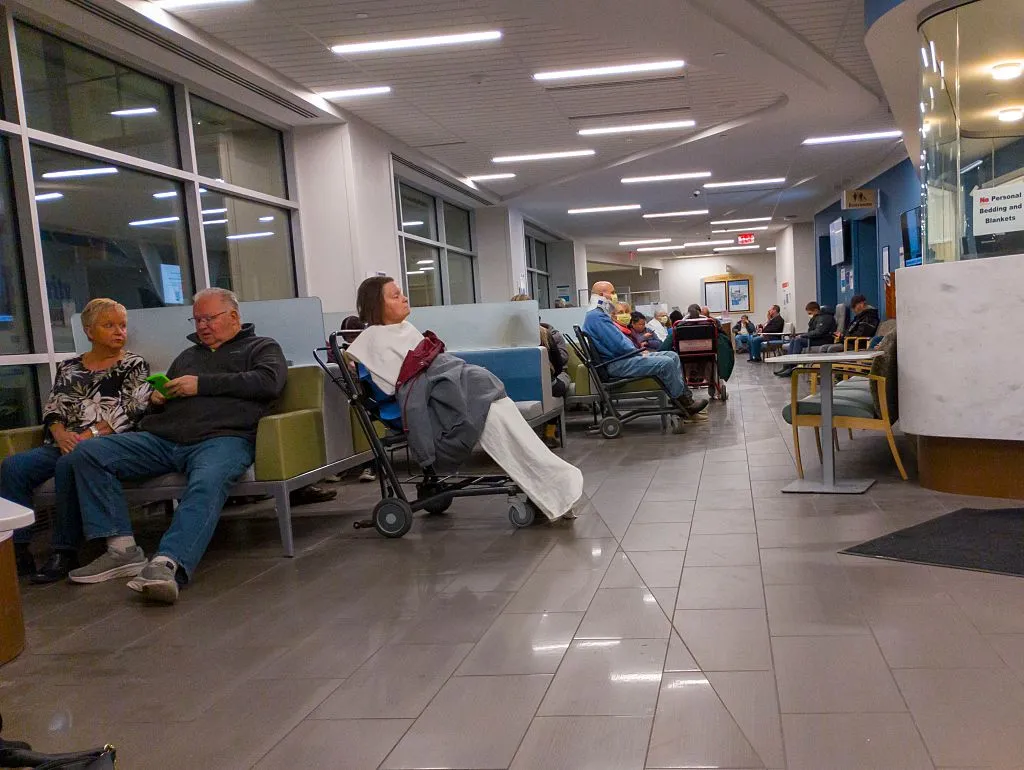
(SeaPRwire) - 醫療安全網的崩塌從來不是漸進式的休養,而是連鎖式的毀滅。當美國國會透過 H.R. 1 法案(即 One Big Beautiful Bill Act)削減醫療補助(Medicaid)預算,並疊加 2026 年平價醫療法案(ACA)補助金到期的政策衝擊,美國醫療體系正面臨 2010 年以來最嚴峻的斷崖式危機。國會預算辦公室(CBO)預估,到 2034 年全美將新增 1,600 萬無保險人口。這項政策轉折表面上是為了精簡公共開支,實質上卻是將龐大的隱形代價精確轉嫁給整個社會體系與全體納稅人。從政策條文來看,H.R. 1 法案導入了更為繁瑣的 Medicaid 工作要求,並將收入與地址審查頻率從每年一次縮短為每半年一次,同時大幅削減給予各州醫院的 Medicaid 專項資助。然而,這種行政門檻的提高並沒有消除醫療需求,只消除了支付能力。以洛杉磯 MLK Community Hospital 為例,執行長 Elaine Batchlor 醫師預估該院每年將因此損失 8,000 萬至 1 億美元。回顧 2007 年同區域 King Drew 醫院倒閉的歷史,周邊醫院無保險患者比例曾從 13% 暴增至近 45%。如今全美已有超過 300 家鄉村醫院面臨倒閉風險,Select Specialty Hospital—Tucson East 已宣布即將關閉,拉斯維加斯更有醫院在 8 月宣布關閉產科與新生兒加護病房(NICU)。當安全網醫院陷入集體財務危機,商業邏輯的連鎖反應隨之爆發。America's Essential Hospitals 代表的 400 家成員醫院中,高達四分之三患者為無保險者、Medicare 或 Medicaid 受益人。包含全美最大營利性醫療集團 HCA Healthcare 在內,各類醫療機構正吸納大量缺乏覆蓋的急診患者。正如賴斯大學 Baker 研究所 Heidi Russell 所指出的,醫院為了吸收無償照護成本,勢必提高對企業醫療保險的收費。管理諮詢公司 Marsh 在 9 月 2 日發布報告指出,2027 年企業僱主提供的健康保險成本將飆升 11%,創下數十年來最大增幅,而這些成本將直接轉嫁給普通上班族。即使是像 30 歲、每月需要 1,000 美元心臟病藥物的 Rena Healy 這類個案努力避免進入急診,洛杉磯縣也不得不通過 5% 的銷售稅來補貼醫療漏洞。公共政策若將醫療照護簡化為財政扣減的數字遊戲,最終必然在急診室與全民保單上付出加倍代價。當更多民眾因無力負擔保費而放棄預防性醫療,擠爆急診室只會進一步拖垮醫療品質、延長排隊時間,並拉高所有人的生活成本。醫療補助體系的瓦解並不會減少病患,只會徹底撕裂基層醫療的信任基石與財政平衡。

紐約市公佈九一一空氣品質檔案背後:市長馬姆達尼的政治豪賭與真相解密
(SeaPRwire) - 紐約市長馬姆達尼選擇在九一一恐怖襲擊二十五週年前夕,將市府塵封多年的檔案公諸於世,這步棋既是一場政治反擊,也是對歷史與公眾健康的一次交代。隨著九一一紀念日的臨近,馬姆達尼面臨來自受害者家屬和政壇的反對聲浪,甚至被要求缺席週五的追悼活動。然而,這位市長並沒有選擇退縮,而是直接公開了總額達三千四百多萬美元預算創建的公共檔案入口網站,試圖用透明化來化解外界的政治壓力。回顧官方公佈的舉措與實際內情,這批檔案揭露了當年下曼哈頓地區真實的空氣品質調查狀況。根據媒體獲得的早期資料,檔案內容包含空氣品質報告、汙染記錄以及市府官員之間的往來信件,其中甚至包含二零零一年著名的哈丁備忘錄,顯示當年市府領導層早已預判居民可能因有毒空氣索賠而承擔法律責任。這些被發現在市府辦公室六十八個箱子中的文件,過去多年一直被刻意對公眾隱藏,直到今年六月馬姆達尼才編列預算將其數位化,並承諾會在未來持續滾動式新增數百萬份文檔。另一方面,這批檔案所暴露出的環境數據坐實了當年的健康危機。檔案記錄顯示,世界貿易中心倒塌一年後,鄰近的約翰街十五號仍被檢測出石棉含量有時超過可接受標準;十一月份提交給聯邦環保署的審計報告也指出,雙子塔附近空氣中含有高濃度的致癌物質苯。這些汙染物直接威脅了當時在世貿中心廢墟周邊活動的四十萬名民眾與救援人員。根據聯邦疾病管制與預防中心以及紐約市消防局的數據,超過一萬兩千名消防員已被確診罹患與九一一相關的身心健康疾病,而這場災難帶走的生命遠不止當場遇難的三千人。地緣政治與歷史心結在這個九月再次交織,馬姆達尼作為紐約市首位穆斯林市長,在推動歷史檔案透明化的同時,也背負著沉重的身分標籤與政治爭端。批評者拿他的任命人選與公開言論做文章,試圖剝奪他出席週五紀念活動的正當性,但馬姆達尼依然堅持出席。歷史的傷口需要時間癒合,而真相的拼圖直到二十五年後才透過這幾百萬份檔案慢慢拼湊完整,這場政治博弈的走向將深刻影響紐約未來幾年的治理走向。

盲目採購算力只是花錢買安心!AI時代真正缺的不是演算法,而是能「尋路」的領導者
(SeaPRwire) - 當前全球企業正陷入一場無差別的AI軍備競賽。董事會急於採購算力。管理層忙著下達導入指令。許多高層誤以為買進最新模型並裁減員工,就能獲得創新能力。這種將AI等同於降本增效的思維,引發了組織內部的集體恐慌。技術升級並沒有帶來預期的生產力飛躍。真正的焦慮源於管理模式的失能。多數領導者固守傳統的控制架構,企圖在不確定性中繼續扮演指揮官。忽視人的因素並單純依賴技術替換,會讓企業掉入高額資本支出卻無回報的陷阱。長達25年針對Cleveland Clinic Abu Dhabi與Pixar等機構的長期研究表明,AI創新的關鍵在於共創而非單向指令。最高效的團隊將AI用於擴充人類無法獨力完成的創新領域,而非簡單的人機置換。這需要組織建立一套精密的ABC領導體系。Architects負責重塑組織文化。他們提高團隊共同願景,提供工具、數據與試錯許可,將失敗轉化為學習契機。Bridgers專注於打破企業邊界。目前的痛點在於技術專家不理解商業現實,而業務人員無法評估技術機會與風險。Bridgers建立外部信任關係,填補技術與商業之間的翻譯空白。Catalysts則將影響力擴展至產業與國家層級。他們動員多元利益相關者,建立全球安全規範,確保技術收益公平分配。這些事實證明,創新的核心難題始終是人而非技術。從商業閉環的角度來看,AI技術的演進速度已經遠超單一企業的能力邊界。未來的市場競爭,不再是比拼演算法複雜度,而是考驗組織的「尋路」能力。管理者必須卸下全場最聰明者的包袱,主動與非傳統夥伴進行實驗與協作。缺乏Bridgers翻譯機制與Architects容錯文化的組織,高價採購的技術設施終將淪為沉沒資產。演算法競賽的最終勝負,取決於企業能否將技術探索轉化為可持續的商業閉環。無法重塑領導思維的企業,終將被市場清洗。
民主黨奪回眾議院後,國會山背後的一場「荒野戰役」正在醞釀
(SeaPRwire) -
華盛頓的秋天總是帶著一股特殊氣息。不是金黃落葉,而是選舉結束後的權力真空期。民主黨如果這次拿下眾議院多數,他們準備好把特朗普最後兩年的任期變成一場無休止的调查風暴。但真正值得關注的不是司法部或監督委員會這些常客,而是一個幾乎被所有人忽視的委員會:自然資源委員會。
這個45人的小組看似邊緣,卻掌握著聯邦土地的最廣泛監管權。從白宮球場的建設到約塞米蒂公園的私人開發提案,從國家紀念品的修建到國家公園內的捕獵與鑽探放開,每一個爭議都落在他們的管轄範圍內。 Huffman在國會山莊辦公室牆上掛著Muir Woods和金門國家遊樂區的畫作。他是環境律師出身,2013年進入眾議院,領導自然資源委員會是他多年的夢想。
「這不是邊緣地帶了。」Huffman最近對媒體說。語氣平靜,但每個字都像石頭投入水面。他手上有一長串調查計劃,涵蓋特朗普第二任期內最顯眼的爭議。從白宮東翼原址上9萬平方英尺、耗資4億美元的球場,到阿靈頓國家公墓旁那座250英尺高的「凱旋門」,再到林肯紀念堂反射池1400萬美元的翻新工程。每一項都沒有經過正常的國會授權程序,或是在特朗普填充盟友的委員會中快速通過。
民主黨目前在委員會中缺乏強制配合的權力,只能呼籲和質詢。一旦掌握籌碼,質詢將變成傳票、宣誓作證、政府和承包商、私人公司的公開證詞。Huffman預期會有大批政府內部人士主動接觸委員會,成為吹哨人。「這些機構裡有很多正直的愛國者,對身邊的腐敗和違法感到震驚。」他說。
白宮目前的說法是,這些改變是為了讓首都更安全、更美觀。但Huffman不這麼認為。他稱之為「一個人的自我陶醉對公共信託的嚴重濫用」,並指出《紀念作品法》對首都紀念品和建築的授權與建設有明確規定。球場的捐助者名單已經部分公開,但每人出資多少仍未透露。Huffman想知道誰捐了錢、捐了多少、他們在政府面前有什麼生意往來。
民主黨還質疑資金和公園人員為何集中於華盛頓特區,而全國其他國家公園系統卻面臨人員削減和服務縮減。這背後是更深层的權力博弈,不僅僅是環境政策,而是誰來定義美國公共空間的本質。
Huffman最近在個人網站上發表了一本書,《無先知:從基督教民族主義手中拯救民主》。這本書的核心論點是,個人權力如何透過制度漏洞擴散。現在他可能即將把這個理論應用到實踐中。如果民主黨拿下眾議院,自然資源委員會將不再是關於瀕危物種和放牧權的小型辯論場所,而是成為監督行政權力的核心戰區。關鍵問題是,Trump政府是否會選擇配合,還是會陷入漫長的法庭戰。歷史告訴我們,後者的概率更高。
加拿大280億關稅開火,華盛頓週三回擊:這場貿易戰已變質為尊嚴之爭
這場關係已經數十年來未曾如此赤裸。加拿大不再忍受美國總統的網路梗圖與嘲諷。這不僅僅是關稅問題,這是一場關於尊嚴的較量。總理卡尼的底線很明確:除非華盛頓停止那些虛張聲勢,否則談判大門緊閉。這種公開的羞辱反擊,標誌著兩國特殊關係的徹底破裂。
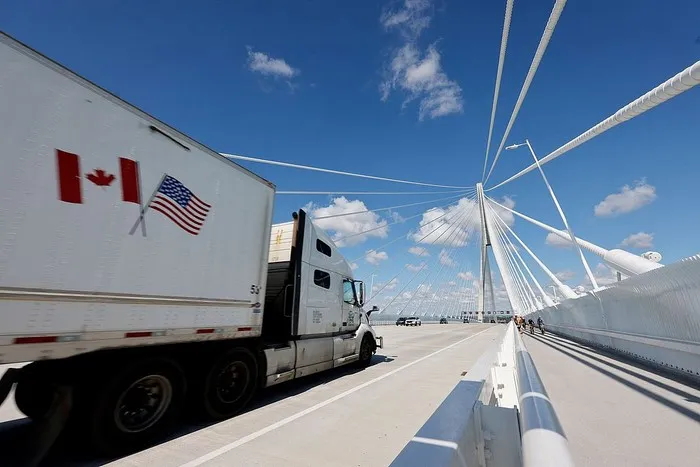
從今天起,價值 280 億加元的商品被加徵關稅,涵蓋鋼鐵、鋁材、紡織品、爐具等數百個類別。財政部長的辦公室確認計畫不變,且沒有正式談判。然而,背後的戰略意圖很明顯:利用關稅清單施壓,同時爭取時間建立替代市場。數據顯示,對歐盟的出口激增了 31.3%,這是歷史性的月度增長,顯示加拿大正在積極轉移供應鏈。荷蘭、德國和中國都在增加進口,這顯示出加拿大正在為未來的經濟脫鉤做準備。
公眾的支持度出乎意料地高,75% 的加拿大人支持政府的拒絕立場。企業界早已行動起來。Chapman's Ice Cream 已經裁掉了九家美國供應商,轉向澳洲和智利採購。防禦紡織品製造商 Wuxly 則將目光投向了歐洲,去年向歐盟發送了超過 25 萬件加拿大製造產品。這些舉動表明,加拿大正在將經濟命脈從美國手中轉移出去,目標是到 2035 年將非美國出口價值翻倍。這不僅僅是應對關稅,這是一場長期的戰略重組。
權力天平已經傾斜。加拿大選擇了公開報復,並承擔了代價。華盛頓已經準備好回擊,預計週三就會有動作。密西根州的民主黨眾議員海莉·史蒂文斯警告說,她的州正在承擔大部分經濟衝擊。美國的選項包括禁止加拿大酒精和乳製品,甚至可能擴大鋼鐵禁令。現在的關鍵在於週中那個時間點,那是唯一的決勝時刻。這場遊戲的規則已經改變,現在只剩下週中那個關鍵的回合。

黎明前的自殺無人機與補給線絞殺:德黑蘭撕開中東代理人棋局的殘酷真相
9月7日凌晨,三架自殺式無人機掠過邊境,精準砸向伊拉克庫德斯坦地區蘇萊曼尼亞的庫德武裝營地。邊境硝煙未散,德黑蘭已將這場跨國空襲定義為正當防衛。各方勢力對這場突襲的定性充滿分歧。一方斥責這是肆無忌憚的越界侵犯,另一方則堅稱這是清除隱患的先發制人。外交辭令的包裝掩蓋不了戰場上的真實意圖。德黑蘭動用無人機不是為了宣洩情緒,也不是簡單的陣地報復。這是一場經過精密計算的定點清除行動,核心目標直指那條維繫武裝組織運轉的地下補給動脈。官方通報往往只展示精心修剪過的斷面。伊朗伊斯蘭革命衛隊宣稱在空襲前一天繳獲了大批庫德武裝的武器彈藥。官方描述中,這批繳獲裝備老舊殘破,充斥著早已退役的過期物資。這種敘事意在營造對手不堪一擊的戰術優勢。然而隱藏在字裡行間的深層實情是,這支邊境武裝早已獲得來自美國、以色列與海灣國家的現代化軍備支撐。德黑蘭真正戒備的從來不是幾座零散的野戰帳篷,而是美以陣營利用這支代理人力量牽制伊朗本土的戰略佈局。過去數月以來,伊朗軍方密集的越境打擊並非隨機發起,其底層邏輯在於徹底切斷外部人員進入與物資輸入的走廊。與此同時,區域鄰國在邊界另一側展開了截然不同的圍剿模式。9月1日,敘利亞總統沙姆解放組織領導人約拉尼突然宣布任命前敘利亞庫德武裝指揮官為總統顧問,並公開要求該組織放下武器。官方層面將此粉飾為政治吸納與民族和解的重大轉向。地緣運作的殘酷內幕卻是另一種收編手段。敘利亞試圖用政治編制瓦解武裝架構,伊朗則選擇用物理毀滅阻斷後勤鏈條。這支武裝力量陷入了經典的地緣夾縫。在打擊極端勢力時他們是被倚重的地面先鋒,在大國權力博弈的棋盤上他們隨時面臨被邊緣化的風險。來自伊朗的精確打擊、敘利亞的政治瓦解以及土耳其的持續施壓,正將其剩餘的戰鬥力與內部凝聚力逼入極限。地緣政治的鐘擺已經發生劇烈偏轉。德黑蘭跨過邊境動用硬性軍事手段摧毀物流節點,短期內絕無收手跡象。大馬士革則用體制內的權位誘餌分解其指揮鏈條。雙重重壓之下,庫德武裝僅能被動承受這場立體合圍。外部支援的任何猶豫或內部派系的任何裂痕,都將迅速終結其維持中立緩衝的幻想。這場圍繞補給線與生存權的絞殺戰,只會沿著既定軌跡走向最終的實力洗牌。
當歐盟法規勒緊脖子:一家義大利老牌襪廠如何靠默默砸錢活過2026
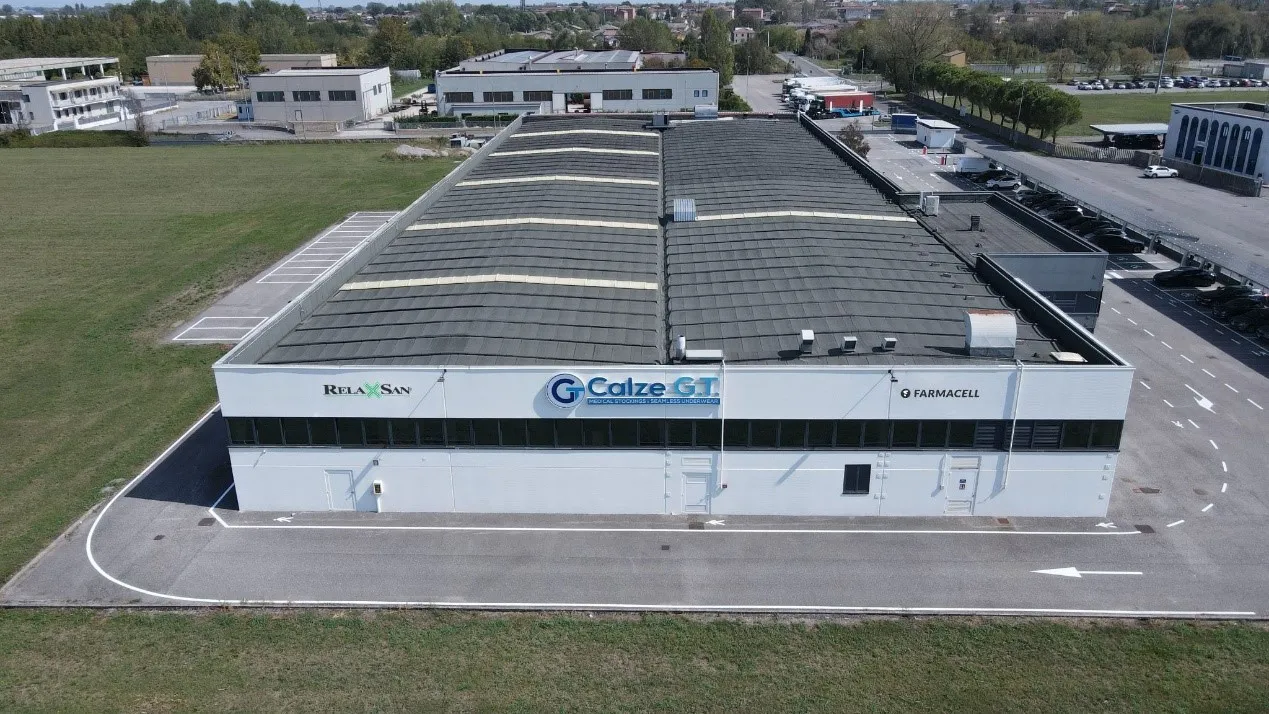
在針織業裡,資本支出向來激不起半點水花。換個紗線或是改個袖口,外行人看來跟沒做一樣。可偏偏就是這些不顯眼的選擇疊在一起,決定了誰能在法規鐵拳砸下時,還保得住微薄的毛利。Calze G.T.現在正踩在這樣一輪生死循環的節點上。這家公司沒打算靠打價格戰來搶市,而是直接動手重組整個成本結構,賭的就是歐規收緊的那一天,自己的利潤不會直接蒸發。那些官方公告裡的動作其實很直白,最顯眼的就是包裝。他們幾乎把整個零售產品線的塑膠套全換成了再生紙。這個調整背後是一整套完整的技術除錯,確保紙包裝撐得過生產線、倉儲、物流配送一路到貨架上的保鮮期。連出貨紙箱也全面換成FSC認證的供應商。這步棋踩的時間點精準對應了歐盟包裝與包裝廢棄物法規,該法案在2026年8月12日正式全面施用,直接抹平了過去各國雜亂的標準,把設計、有害物質、可回收性、再生料比例與生產者責任全部綁進同一個框架裡,義務甚至一路延伸到2030年。那些起步早的企業早就把這當成結案專案,而還沒動手的同行現在正急得焦頭爛額。包裝底下藏著的則是更硬核的資本投入。廠區現在直接拉起太陽能光電板吃掉部分電網負荷,織造機台也正逐步換成最新的圓編機,追求更高的產出效率與更低的單耗。研發部門則交出了一套包含三款上衣、一款解剖學機能上衣和一款促進足底本體感覺膝上襪的新產品線,甚至用回收寶特瓶融出的環保纖維織出輕量棉質膝上襪來應對炎熱天氣。更有意思的是,各個部門都在大舉招募年輕員工,和老員工混編作業。這家1984年創立於曼圖亞省卡薩洛爾多的小廠,默默把漸進式壓力襪、按摩服飾和身體保健品賣到了全球六十五個以上的市場。這背後打的商業算盤其實狠得很。一個中型的私人製造商根本沒本錢只靠價格去防守利潤,唯一的解法是把單位能耗鎖死在低檔,把包裝合規的風險歸零,再推出一系列既有臨床需求又兼顧舒適度的單品。回收料直接變成能賣錢的庫存單位,包裝翻新直接變成已經結案的資產而非永無止境的合規黑洞。機台更新替單位成本畫了地板,也拉高了產品線的天花板。趁著老員工還沒退休把手藝交接下去,更是省了以後花冤枉錢買教訓的學費。這些招數沒有一個聽起來性感,但它們實實在在地把四年的老經驗,轉化成一套扛得住法規暴風雨的成本防線。局已經布好了,接下來就看市場怎麼走。盯緊太陽能板能扛住多少廠區負荷,看機器換血後單位能耗到底能壓得多低,看環保纖維是只停在單一產品線還是滾出規模。當同業還在把2026年8月當成死線時,這裡的專案早就已經宣告完工。在製造業這個賽道裡,這才是唯一能算數的成績單。

粗罐與鋼筋之間的商業暗棋:誰把勞工胃袋當成最後的利潤防線?
這場展會沒有華麗包裝。粗粝能量飲料選擇在ECRM的維生素與運動營養會議擺下陣營。目標群眾不是健身房常客或社群紅人。而是輪班工人與機械操作者。這個切入點看起來像市場空白。也可能只是另一個被講爛的故事。展廳即將給出裁定。
官方文件交代了時間與地點。九月中旬佛州棕櫚花園。四天展期。產品包括能量飲料、調味茶與粗釀咖啡。福斯化石燃料、粗礦與加班藍調這些口味名稱指向油氣與工地。咖啡採宏都拉斯的七十二農場供應。分深焙、中焙與黑金選項。創辦人背景被拉出來。2012年以工作服起家。2019年開發飲品配方。疫情擱淺美國上市計畫。團隊持續運作並加入咖啡事業。此刻他們面對健康食品、專賣店、食品店、藥局與量販通路買家。
官方語氣之下藏著更硬的算盤。從勞保服裝跨到飲品版圖是把同一群體反覆收編。ECRM的會談是測試零售端是否願意給予架位。沒有新增資本數字。沒有產能與出貨量說明。唯一具體的是展期、產品清單、創業時間軸與所謂勞工階層。這種單線延伸的商業模型依賴現有供應鏈的忠誠度。通路掌握在施工班表與夜間排程的手中。
零售決策將在本周以採購單落實。沒有品牌口號能替代貨幣投票。粗罐進入量販架位的可能性取決於買方是否相信勞工胃袋足以支撐穩定回購。供應鏈末端一旦出現裂縫這個故事就會退回邊緣。現階段的唯一結論是物理架位與現金週轉。剩下的交給買賣雙方。
封鎖線上的最後通牒:霍爾木茲海峽能源暗礁與美伊高風險賽局
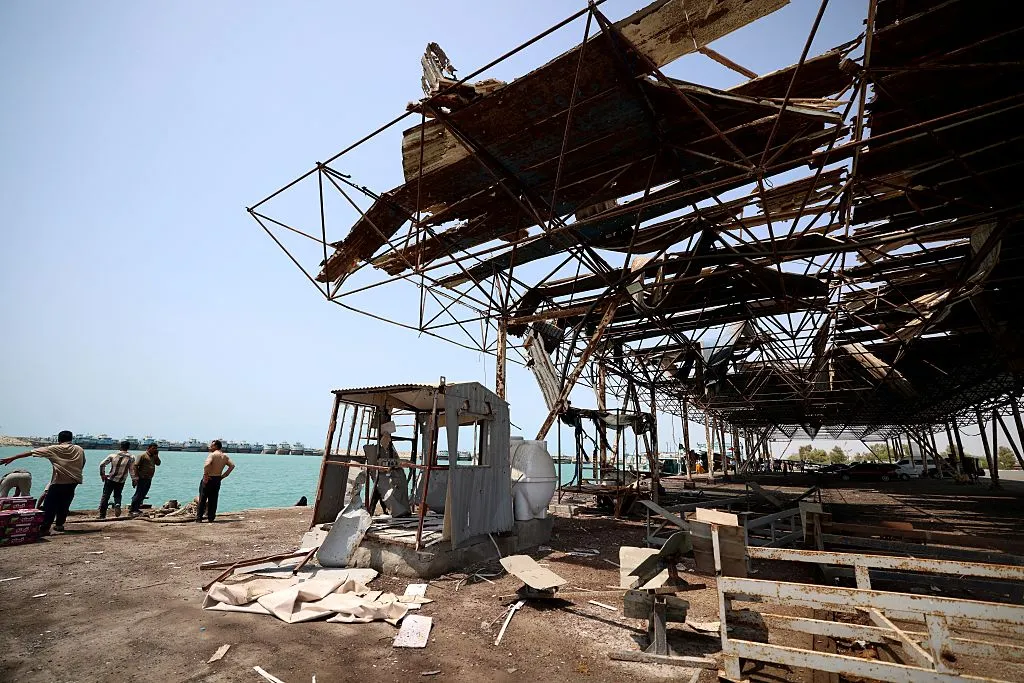
(SeaPRwire) - 波斯灣的硝煙再次被點燃,全球最脆弱的能源咽喉正面臨全面癱瘓。美軍與伊朗在霍爾木茲海峽的直接武力碰撞迅速升級。美國國防部長 Pete Hegseth 發出強硬警告,若伊朗敢開火襲擊美軍艦艇,美軍將直接擊沉伊朗油輪。伊朗議長 Mohammad Bagher Ghalibaf 則隨即展開對等威脅,直指美資企業在波斯灣散布的油氣設施目標龐大且完全暴露。只要美軍再次發動攻擊,美方的能源資產將首當其衝。雙方的軍事對峙迅速轉化為對全球商業航運的致命打擊。霍爾木茲海峽過去承擔全球五分之一的原油與液化天然氣運輸。現今航道陷入混亂,商業船隻流量驟降,國際油價直奔近六週以來的新高點。這場衝突的急遽惡化有其明確的戰術軌跡。伊朗革命衛隊(IRGC)於週六在該水域襲擊美軍艦艇。美軍對此展開報復,實彈擊沉與重創三艘伊朗油輪,其中一艘的打擊點緊鄰伊朗最核心的原油出口樞紐哈爾克島(Kharg Island)。美軍隨後於9月6日持續打擊伊朗南部霍爾木茲甘省古赫斯塔克港的倉儲設施。伊朗最高國家安全委員會秘書 Mohsen Rezaei 在國營電視台宣布採取新戰術,規劃劃定包含波斯灣、霍爾木茲海峽至阿曼灣的新「禁航區」,未經許可闖入的船舶將遭列入制裁名單。自美以兩國於2月28日發動戰爭以來,雙方曾於6月17日簽署為期60天的諒解備忘錄(MOU)以重啟航道。然而,隨著6月下旬商船遭襲、美軍打擊伊朗導彈庫與雷達站,以及上週美軍空襲伊朗南部婚禮現場造成至少5死60餘傷,外交談判隨著8月17日備忘錄到期而宣告凍結。雖然伊朗總統 Masoud Pezeshkian 展現重回談判桌的意願,但革命衛隊巴斯基民兵領導人 Hossein Taeb 與硬派勢力拒絕妥協。美方要求完全拆除伊朗核計劃並保障海峽自由通行,伊朗則堅持解除全面制裁、解凍資產並終止海軍封鎖。目前伊朗境內通膨率高達 IMF 估算近 70% 的極限,里亞爾暴跌。伊朗正試圖與阿曼協議建立臨時航運走廊以掌控水域主導權,反制 Donald Trump 在 Truth Social 宣稱掌握海峽控制權的強硬立場。雙方在海峽邊緣的極限施壓,已將區域安全推向無法逆轉的臨界點。當海軍封鎖、導彈互射與商業封鎖交織在一起,傳統的戰略威懾已演變為實質的經濟消耗戰。伊朗賭的是高企的全球能源價格終將轉化為美國國內的政治壓力,而美軍則試圖以封鎖戰術全面壓垮伊朗經濟。兩軍在海峽周邊的實彈軍事部署以及對民間商船的強硬管控,徹底打破了該水域數十年來的航行默契。隨著邊界禁航區的強制實施與美資能源資產納入打擊清單,波斯灣的任何一次誤判,都將誘發更大規模的設施毀滅與航道鎖死。
OceanMind Launches ‘Syndra’ at SAFET 2026 to Drive Coordinated Action on World’s Marine Governance Commitments
With an early focus on Southeast Asia, the new technical assistance initiative will unite a broad range of partners to turn global fisheries and biodiversity commitments and ambition into real, on-the-ground enforcement capability.
OXFORDSHIRE, UK – Global non-profit OceanMind today announced the launch of Syndra, a new global initiative designed to help strengthen regional cooperation and enforcement effectiveness as governments move from ambition to delivery on critical marine governance commitments.
Formally introduced at a special side event during the SAFET 2026 Conference in Cebu, the Philippines, Syndra is envisioned as a collaborative mechanism through which governments, regional organisations, philanthropic partners, development institutions, and technical agencies can strengthen the institutional foundations required for ocean commitments to succeed. Its regional approach strengthens intelligence use, institutional readiness, and operational coordination to improve both fisheries governance and biodiversity protection at a scale that single-country interventions cannot achieve alone.
While international marine commitments are accelerating, national implementation capacity across connected ocean regions often lags behind. The historic Biodiversity Beyond National Jurisdiction (BBNJ) Agreement creates an urgent need for joint oversight and cross-jurisdictional area-based management. Similarly, the UN’s Port State Measures Agreement (PSMA) offers a powerful collective deterrent against illegal, unreported, and unregulated (IUU) fishing, but its effectiveness relies on uniform, coordinated execution across neighbouring port states.
Syndra addresses these challenges by focusing on the practical conditions needed for joint action: integrating intelligence into decision-making, streamlining inter-agency workflows, and closing operational gaps between neighbouring states.
“The critical constraint facing ocean governance today is not a lack of legal ambition, but the operational capability required to turn commitments into consistent action,” said Nick Wise, founder and CEO of OceanMind. “PSMA is exponentially more effective when neighbouring states strengthen port-state practices together — preventing IUU-linked catch from slipping through the gaps. By fostering strong regional collaboration through Syndra, we can better equip governments with the information, tools, and resources they need to ensure operational capabilities keep pace with ambitions.”
Enabling practical outcomes across shared waters
OceanMind acts as a hands-on technical partner, steward, and secretariat for Syndra. In practice, the initiative enables governments to:
Close regional enforcement gaps: Harmonise PSMA implementation across neighbouring ports, significantly reducing the displacement and offloading of IUU-linked catch.
Support BBNJ area-based management: Build institutional capability for cross-border monitoring, compliance, and joint response across connected marine ecosystems.
Embed intelligence into workflows: Modernise analytical, procedural, and inter-agency workflows so front-line enforcement officers can act on targeted intelligence.
Build governance assurance: Provide transparent, verifiable outcomes that give governments and funding partners the confidence to invest in durable ocean protection at scale.
Building on national efforts across Southeast Asia
The initial node for Syndra is rooted in Southeast Asia, building directly upon OceanMind’s established history of technical assistance with national authorities in the region, including:
Cambodia General Directorate of Fisheries (GDF): OceanMind has previously worked with Cambodian government counterparts on monitoring, control, and surveillance (MCS) training and broader marine-resource governance support. Today, with support from the Department of Fisheries and Oceans Canada, the collaboration is centred on helping GDF strengthen PSMA implementation.
The Philippines Bureau of Fisheries and Aquatic Resources (BFAR): OceanMind has partnered with BFAR since 2018 across marine domain awareness, dark vessel detection, and PSMA support. Today, building on recent intelligence and patrol work supported by Canada’s Department of Fisheries and Oceans, the collaboration is transitioning into a mature phase focused on quality assurance, national process ownership, advanced risk assessments, and targeted inspection planning.
Thailand Department of Fisheries (DoF): OceanMind has long provided technical support to the Royal Thai Government DoF in its work to pinpoint and deter illegal fishing operations. Today, this work serves as a strong operational model for comprehensive MCS and PSMA implementation, with DoF representatives sharing practical lessons on enabling technologies at SAFET 2026.
How to get involved
OceanMind is actively holding discussions with global and regional partners to expand support for Syndra in Southeast Asia and beyond, establishing a practical pathway to safeguard biodiversity, eliminate IUU fishing, and secure sustainable ocean economies. The following groups are encouraged to contribute:
Government agencies and regional fisheries organisations: Reach out to OceanMind to request assistance in implementing marine governance commitments in your region.
Philanthropic funders, development banks, and public finance institutions: Connect to learn more about how you can shape an emerging investment pathway for marine governance implementation.
Technical assistance partners: For NGOs, tech providers, and existing programmes and initiatives in this space, contact OceanMind to get involved.
Interested parties can contact the OceanMind team here.
About OceanMind
OceanMind is a global non-profit organisation dedicated to empowering marine enforcers and decision-makers to protect ocean health. By combining advanced satellite analytics, artificial intelligence, and hands-on operational support, OceanMind works directly alongside government agencies, fisheries authorities, and enforcement bodies to turn marine data into actionable compliance, effective monitoring, and lasting ocean protection. To learn more, visit www.oceanmind.global.
Media Contacts
Nikki Arnone and Logan Varsano
Inflection Point Agency for OceanMind
nikki@inflectionpointagency.comlogan@inflectionpointagency.com