
日期: 2026 年 7 月 8 日
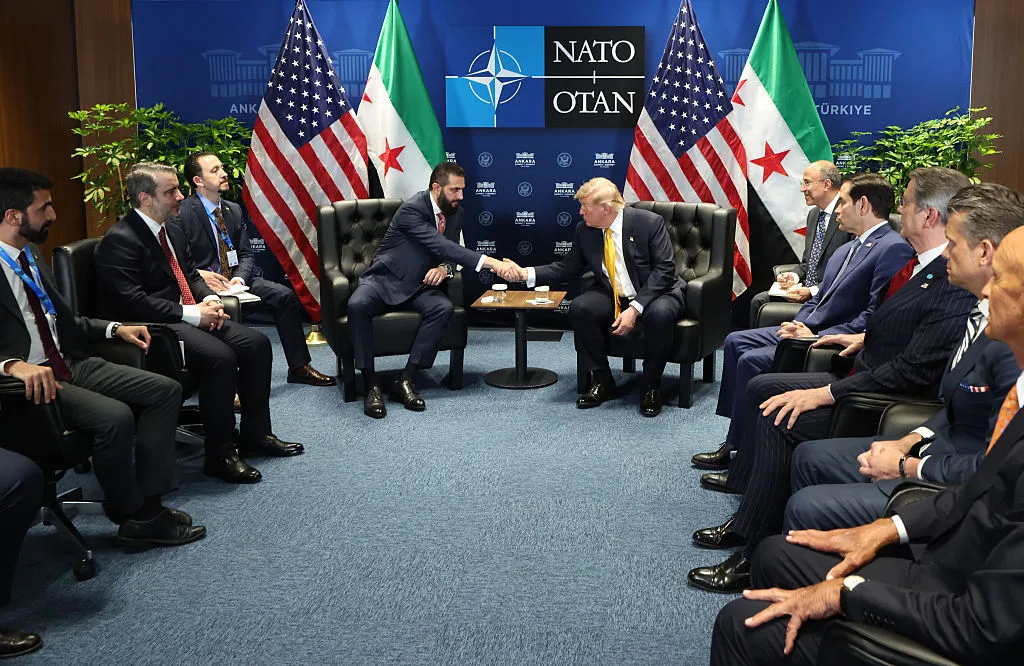
撕下五十年恐怖國家標籤!川普這步棋翻轉中東版圖
(SeaPRwire) -
美國把敘利亞從支持恐怖主義國家名單移除。
這不是什麼道德正義的勝利。
這是華盛頓經過一年多布局,完成的中東地緣大轉向。
所有官方說詞都只是包裝,背後全是利益算計。
過去將近半世紀的標籤,說撕就撕。
只因為現在的敘利亞統治者,符合美國的戰略利益。
官方對外說法,全圍繞敘利亞新政府的正向改變。
國務卿Marco Rubio公開表示,撤銷定位能開放國際投資。
這能給敘利亞重建機會,也對全球區域和平有利。
Rubio證實,川普已經通知國會,啟動移除程序。
國會現有四十五天時間,可以嘗試阻擋這項決定。
al-Sharaa已經做出正式保證,未來不會支持國際恐怖行動。
國會兩黨三名重量級議員,一周前才連署敦促推動這項決定。
他們指出,恐怖支持國家定位,是敘利亞重建最大法律障礙。
移除後才能引進民間投資,動用數十億美元重建承諾金。
這項決定能幫助敘利亞,結束十四年內戰的經濟隔離。
真實脈絡要從一年半前的布局開始梳理。
敘利亞早在1979年,就被老阿塞德政府列入這份名單。
美國先在2004年、2011年兩度加碼制裁,徹底切斷敘利亞和全球經濟的連結。
去年六月,川普就簽行政命令,解除大部分對敘制裁。
同年十一月,聯合國安理會通過美國支持的決議,解除對al-Sharaa的制裁。
國務院隨後把他從全球特定恐怖分子名單移除。
幾天之後,他成為敘利亞1946年獨立以來,首位訪問白宮的敘利亞總統。
去年十二月,國會通過廢止Caesar法案。
這項法案還是川普第一任期通過,用來嚴格制裁阿塞德政權。
al-Sharaa原本帶領Hay’at Tahrir al-Sham,從蓋達分支脫離。
他一路打敗阿塞德部隊、ISIS和其他反抗勢力,最後統一敘利亞。
過去他和所屬組織都被美聯國列為恐怖團體。
現在華盛頓主動幫他洗白,刻意忽略他過去的人權爭議。
聯合國等機構早就指控HTS,犯下侵犯婦孺、虐待處決囚犯的罪行。
美國要做的,就是趕走俄羅斯在敘利亞經營多年的勢力。
重新把敘利亞納入西方勢力的影響範圍。
中東地緣權力的鐘擺,已經正式擺向西方這一邊。
愛國者授權的代價:安卡拉峰會上的防務交易與未言明的戰略底牌
(SeaPRwire) -
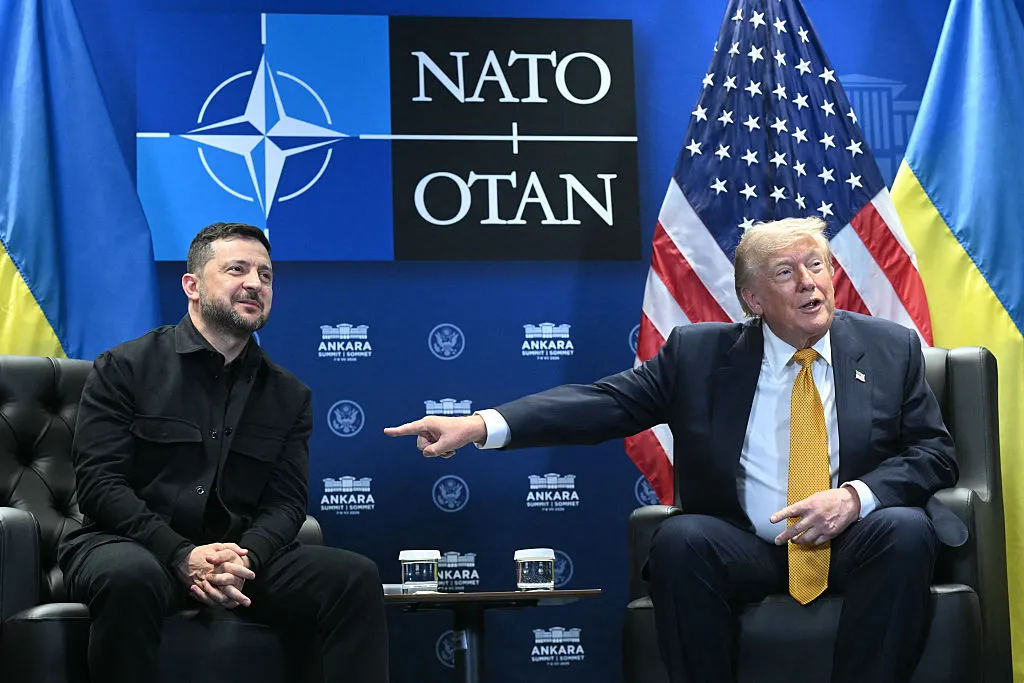
安卡拉的聚光燈下,這場外交劇碼看似慷慨,實則充滿了即興演出的色彩。特朗普對澤倫斯基承諾授權生產愛國者導彈,卻坦言尚未通知國防承包商。這種「先斬後奏」的風格,將複雜的軍工供應鏈轉化為沙龍裡的隨口承諾。所謂的「非常複雜」,在政治人物的口中變成了輕描淡寫的技術細節。這不僅是武器轉移,更是對現代國防工業生態鏈的一次粗暴干預。
官方聲明強調了授權的許可,卻刻意迴避了生產地點的模糊性。美國庫存告急,特朗普直言「我們自己也不夠用」,這暴露了直接軍援的物理瓶頸。北約宣佈 2026 年承諾 700 億歐元的軍援,這龐大的數字背後,掩蓋了無法即時交付的尷尬現實。授權生產看似解決了供應短缺,實則是將生產風險與時間成本轉嫁給了戰時的烏克蘭。
至於無人機交易,特朗普表現出商人的務實,暗示美國願意購買烏克蘭產品。這種「買賣」關係取代了單純的援助,標誌著美國戰略收縮下的新互動模式。澤倫斯基與特朗普從去年的白宮對峙到如今的言笑晏晏,這種關係修復本身就是一種戰略資產。雙方簽署的無人機協議,不僅是軍事合作,更是烏克蘭證明其戰爭經濟價值的投名狀。
這場峰會對基輔而言無疑是一次外交勝利,但戰略威懾的平衡仍建立在流沙之上。授權生產愛國者系統能夠有效阻滯俄羅斯的彈道導彈攻勢,但從許可到下線需要漫長週期。在這個過渡期內,烏克蘭的防空網依然脆弱。真正的戰略穩定,不取決於安卡拉的握手,而在於華盛頓能否將這口頭的授權,轉化為實質性的產能輸出。
建國250周年當天綁架歷史?特朗普對史密森尼的攻擊是要閹割美國集體記憶
(SeaPRwire) -
美國建國250周年的獨立日當天,白宮發布的162頁報告根本不是什麼「拯救美國故事」,而是徹頭徹尾的歷史閹割行動。這份報告把矛頭對準史密森尼美國歷史博物館的全體工作人員,只是當局整肅歷史敘事的第一步。此前國家檔案館遭裁撤、國家公園歷史展覽被審查的動作,早就暴露了當局的真實企圖。
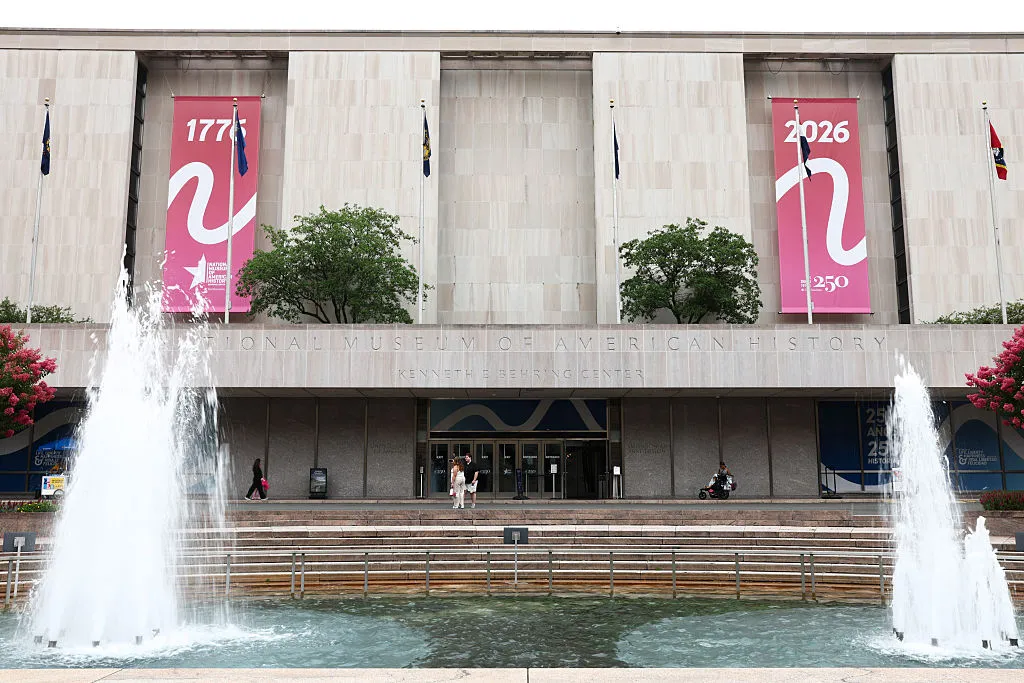
2026年7月7日拍攝的華盛頓史密森尼美國歷史博物館,攝影:Finn Gomez,Getty Images
這份報告跟特朗普3月27日簽發的「恢復美國歷史真相與理智」行政令一脈相承,完全是典型的「投射行為」。它指控史密森尼館方把歷史當成製造分裂的政治工具,這一評價放在報告自身身上反而最為貼切。報告裡充斥著對史密森尼館藏和展覽的不實指控,連基本事實都不願意核實。
報告一邊指責史密森尼的250周年特展《追求生命、自由與幸福》沒有頌揚建國先賢,一邊又自己承認展覽展出了傑斐遜起草獨立宣言的辦公桌、華盛頓的軍服、早期海軍船艦、星條旗等核心文物。它還刻意歪曲館長Anthea Hartig的公開致辭,對方明明強調要展示所有美國人的歷史,卻被當局惡意解讀。
這份報告的背後,是美國保守派勢力長期以來推動「一元史觀」的遊說成果。他們要求史密森尼只認可單一的愛國主義敘事,把原住民土地聲明、少數群體抗爭歷史都打為反美言論。長期資助人文項目的Mellon基金會也被牽連,被指控推行歧視性政策,明顯是要斷掉博物館的經費來源。
一旦這份報告的要求落地,美國歷史只會被矮化為白人基督教男性征服大陸、軍事將領百戰百勝、總統一手締造偉大的膚淺故事。移民、女性、少數族裔、身障者、LGBTQ+群體的歷史會被完全抹去,多數美國人再也無法在國家博物館裡看到自己的身影。歷史研究本就鼓勵多元辯論,當局的要求完全違背了學術基本規律。
接下來保守派還會把整肅的觸角伸向更多公立教育和文化機構。

Indian Crime Networks Under Siege: How US-Canada Raids Expose the Limits of Transnational Gang Power
SeaPRwire – North American streets no longer feel safe for certain immigrant communities. Coordinated police strikes this week ripped through Indian-linked crime groups that had operated with impunity across the US, Canada, and Europe. The arrests lay bare a persistent security headache. These networks don’t just peddle drugs or run extortion rackets. They orchestrate hits on foreign soil and exploit weak spots in diaspora ties.
Law enforcement delivered a serious blow. US authorities, working with Canadian and Spanish police, executed raids at dozens of locations. They took 24 suspects into custody, with 11 grabbed in California. Officers seized roughly one ton of cocaine and over a dozen firearms. Federal prosecutors in California charged 37 individuals from these Indian gangs with racketeering, drug trafficking, and murder. Convictions could mean decades behind bars, with some facing life sentences in US federal prisons. The Bishnoi group stands out as the most notorious. Canadian officials once labeled it a terrorist organization. Its members stand accused in the 2023 assassination of Sikh leader Hardeep Singh Nijjar in Canada. Lawrence Bishnoi, the outfit’s leader, runs operations from an Indian prison using smuggled phones and encrypted channels. He positions himself as a patriot and devout Hindu to recruit followers online. His group has targeted South Asian communities in North America through killings, kidnappings, and shakedowns.
A rival faction, the Bagwanpriya crime group, also took hits. Its leader, Jaggu Bagwanpriya, broke away from Bishnoi circles to build his own empire. The network claims over 1,000 members spread across the US, UK, Canada, Australia, and New Zealand. US prosecutors highlighted how these gangs cozy up to corrupt officials back in India. In one documented case, members sent a Los Angeles victim’s details to a “dirty cop” in Punjab. Soon after, the victim’s father and sister in India faced false murder accusations. This cross-border pressure tactic shows how the gangs turn homeland vulnerabilities into tools for intimidation abroad. The operation uncovered layers of “black eats black” violence, human trafficking, and drug runs. Yet authorities admit several key figures remain at large, including seven in the US and two in India. Statements from California prosecutors, Los Angeles police, and the Royal Canadian Mounted Police stressed continued pursuit. No charges in the current indictment link the Indian government to the killings.
These raids carry real costs for everyone involved. For the gangs, losing key operatives and drug loads disrupts cash flows and command structures. Prison time for leaders like Bishnoi might loosen their grip, but encrypted apps and loyal foot soldiers keep things running. For law enforcement, the wins demand heavy resources. International coordination across continents is expensive and slow. Diplomatic friction adds friction. Canada-India relations already cooled over the Nijjar case, though US filings carefully avoided implicating Delhi. Diaspora families in California and Vancouver now live with heightened fear. The pattern suggests these groups will adapt by shifting routes, recruiting locally, or burrowing deeper into legitimate businesses. Sustained pressure through asset seizures and financial tracking offers the best path forward. One-off raids grab headlines but rarely kill the hydra. Intelligence sharing between Western agencies and selective pressure on source-country corruption could shrink the operating space these networks exploit. Without it, the next wave of violence is only a matter of time.

Your Phone Just Became the Best Entomologist You Never Paid For
SeaPRwire – Summer brings bugs into backyards, kitchens, and hiking trails. People spot something crawling on the wall and freeze. Is it harmless? Will it bite? Does it signal bigger trouble at home? Most lack quick answers without guessing or calling expensive help. BugKnow changes that equation with a free mobile app.
BugKnow launched as an AI-powered tool for instant insect identification. Users point their smartphone camera at any bug or upload a photo from their gallery. The app delivers the species name, key facts, and a full biological profile covering behavior, habitat, life cycle, and potential impact on humans and pets. It covers over 260,000 species of insects, spiders, and other arthropods across the United States. Accuracy sits at 98 percent for common species and 85 percent for rarer ones. The core experience stays simple on purpose. No entomology degree required. The BugKnow team built it so anyone can get reliable answers fast. Additional tools extend the value. The Bite Checker lets users photograph an affected area for visual pattern matching and reference guidance. Pest Severity Assessment walks people through a guided questionnaire when they suspect infestation and suggests practical next steps. Every identification saves into a Personal Collection organized by custom folders. When AI falls short, the Community Identification Help feature lets users post finds for input from other enthusiasts. BugKnow offers unlimited identifications at no cost. No subscriptions. No per-scan fees. The company made this choice to remove barriers for everyday Americans.
This approach addresses real gaps in how people handle insect encounters. Families worry about kids on playgrounds. Homeowners face unexplained bites. Hikers discover unfamiliar species on trails. Traditional options often mean slow internet searches or paid services. BugKnow puts solid information directly in hand. It draws on advanced AI image recognition. Results improve with use across the user base. The app fills a knowledge vacuum at the exact moment of curiosity or concern. Nature enthusiasts build digital collections over time. Students gain accessible study material. Curious homeowners decide faster whether to ignore, prevent, or escalate. Pest management decisions become more informed. The free model removes budget as an obstacle. Anyone with a smartphone can participate. Early feedback highlights the calm that comes from knowing rather than wondering. One parent checks a backyard find before letting children play. Another identifies a kitchen visitor and relaxes. These small moments add up. For maximum impact, download the app now and test it on the next sighting. Save results consistently. Use the assessment tools when uncertainty lingers. Share unclear photos with the community. That habit turns occasional questions into ongoing learning. The data stays personal yet contributes to broader accuracy. BugKnow proves powerful because it stays free and focused on daily needs.

How One Patent Just Slashed the Years-Long Grind of Digging Through Old Documents
SeaPRwire – Historians and researchers waste months or years on brittle papers and faded ink. They transcribe by hand. They hunt for links that might not exist. Errors creep in. Connections slip away. Bonny Broom LLC now holds a patent that attacks this exact frustration head-on. The technology promises to cut that research time at least in half.
The U.S. Patent and Trademark Office issued US Patent No. 12675535 on July 7, 2026 to Bonny Broom LLC. It covers their Method, System & Computer Program Product for Semantic Search Within An AI-Enabled Digital Historical Archive. The approach brings together AI-powered transcription, semantic search, and a continuous feedback loop. This loop scores transcription quality and search accuracy. Videlicet then feeds that data back to train the model. Researchers get accurate transcripts faster. Search results improve quickly. Overall system accuracy rises with use. Testing showed at least a 50 percent reduction in research time versus traditional archive methods. The patent sits inside Videlicet, Bonny Broom’s digital humanities platform. Videlicet links to any digital archive or content management system. It handles document storage, AI transcription, prompt engineering, and both full-text and semantic search in one unified workflow. The company started in January 2025 in McLean, Virginia. It has already transcribed and made searchable over 50,000 pages. Bonny Broom partners with major universities and historical societies.
Libby Eick founded the company after her own struggles as an undergraduate researcher. She saw the gap in reliable, searchable digital sources. Videlicet aims to close it. Scholars at any career stage gain better access to primary materials. The feedback mechanism keeps improving results without constant manual fixes. Institutions can integrate existing collections rather than rebuild from scratch. Early users notice quicker discovery of connections across documents. This shifts the daily reality of archive work. Instead of grinding through one page at a time, researchers spend energy on interpretation and argument. Archive teams reduce backlogs. Students enter projects with usable material sooner. The setup rewards steady use. More activity means smarter transcription and sharper semantic links. For any group managing historical collections, the practical move is clear. Connect your current holdings to a platform like this one. Track transcription accuracy metrics from day one. Adjust prompts based on the built-in scoring. That loop turns raw archives into living resources faster than older methods ever could. Start small with one collection. Measure the time savings directly. The data will guide the next steps.

When Loyalty Cracks: McConnell’s Hospital Bed Becomes the Latest Battlefield in Trump’s Republican Wars
SeaPRwire – Washington insiders are watching a ugly spectacle unfold in real time. Mitch McConnell lies in hospital for over three weeks while allies sharpen knives. A Trump loyalist launches public attacks on his wife. Rumors of brain death swirl online. This is not just a health story. It exposes raw power struggles inside the GOP at the highest levels.
McConnell, 84, entered hospital on June 14. His team says he receives excellent care and continues to improve. They refuse to detail the exact condition or treatment. A 911 call reportedly described a person unconscious with cardiac arrest receiving CPR at his residence. The senator’s office has stayed silent on specifics. Kentucky Democratic Governor Andy Beshear wrote a letter urging transparency over concerns about his ability to serve. Multiple Republicans claim they held phone conversations with McConnell. Senate Majority Leader John Thune’s office described one call as lengthy and substantive, covering national security issues.
Laura Loomer, a far-right activist and Trump supporter, took the attacks public on X. She claimed McConnell is in a vegetative state, brain dead, and kept alive by machines. Loomer accused the office of a cover-up. She singled out Elaine Chao, McConnell’s wife and former Transportation Secretary. Chao visited China on June 17, just three days after her husband’s admission. Chinese officials confirmed meetings with high-level figures. Chao’s spokesperson said the trip was planned long before to support family charity work. She met several people including the US ambassador to China. The spokesperson added that McConnell’s condition did not require her immediate return. She has since come back to the United States.
Behind the scenes, the episode reveals deep fractures. Trump allies sense weakness and move quickly to question old guard figures. McConnell served as Senate Republican leader longer than anyone in history. His influence shaped decades of policy. Now questions about fitness fuel speculation. The 911 details and prolonged silence give oxygen to wild theories. Loomer’s claims, though extreme, tap into existing frustrations among the base. Republican colleagues push back with statements about phone calls. These serve as public reassurance while avoiding direct medical disclosure.
The timing adds fuel to the fire. Chao’s China trip came at a sensitive moment. Critics frame it as abandonment during crisis. Supporters call it a pre-scheduled commitment unrelated to politics. The family charity angle provides some cover. Yet in today’s hyper-partisan environment, optics matter more than explanations. McConnell’s team faces pressure from all sides. Transparency demands clash with privacy and political calculations. Democrats use the moment to highlight accountability issues. Hardline Republicans see opportunity to clear space for new leadership aligned with Trump.
Black box maneuvering defines this saga. Information flows selectively. Positive updates come from staff. Denials arrive through allies. Extreme voices fill the vacuum with unverified claims. Mobilization happens fast on social platforms. X amplifies Loomer’s message to millions. Party elders counter with carefully worded statements. The episode tests loyalty networks built over years. It shows how quickly personal health becomes political ammunition. Observers wonder who benefits most from prolonged uncertainty.
Real change rarely comes from one hospital stay. Power shifts happen when enough players decide the old order must yield. McConnell’s prolonged absence forces that conversation whether he likes it or not.

密西根州的反叛:為何民主黨體制恐懼一個播客主播與串流網紅的聯盟
(SeaPRwire) -
麥克基諾島的聚會本是權貴交易的核心場景。企業高層與說客們在這裡交換利益。艾爾-賽義德拒絕融入這種氛圍,視此為美國政治的病態根源。這種對立並非偶然,而是體制對異見者的本能排斥。當主流候選人談論共識時,艾爾-賽義德選擇了直接挑釁。他站在舞台中央,拒絕向贊助商低頭。
辯論現場充滿了諷刺意味。藍十字藍盾是活動贊助商,卻被艾爾-賽義德公開質問。他要求台上未接受該公司捐款的候選人舉手,只有他一人照做。笑聲與掌聲掩蓋不了體制的尷尬。過去八年,他兩度挑戰州長未果,曾被視為陪跑者。如今他卻領先民調,迫使同黨參議員麥莫羅退選。
密西根州的選情正在重寫規則。艾爾-賽義德獲得了汽車工人聯合會與參議員桑德斯的背书。這代表勞工權益與進步主義的結盟。八月四日的初選將決定民主黨的前途。如果艾爾-賽義德勝出,意味著體制內的妥協路線正式失效。
以色列與巴勒斯坦的爭議是關鍵斷層線。史蒂文斯獲得以美國務院遊說團體大量資金,支持對以色列軍售。艾爾-賽義德則指控以色列在加沙犯下種族滅絕。這種立場差異超越了傳統左右之分。它觸及了年輕選民的道德底線。
哈桑·派克的關係是另一場戰火。這位擁有八百萬粉絲的串流主播常被視為極左代表。艾爾-賽義德堅持與其同台,拒絕切割。他諷刺民主黨與共和黨體制在排斥派克這一點上達成罕見共識。這種策略利用了反建制情緒。年輕人不在乎傳統政治正確,他們渴望真實。
民主黨若輸掉密西根,將被迫面對內部路線的全面清算。體制內的溫和派將失去話語權,進步主義激進派將接管黨內核心機器的運作。未來五年的美國政治,將由不再妥協的候選人定義。這標誌著華府舊秩序的全面崩塌,選民不再信任中間路線的生存空間。

「2026年最佳」?串流內容戰的疲勞轟炸與資本的無聲哀鳴
(SeaPRwire) - 2026年方過半載,串流媒體市場便已湧現大量「年度最佳」劇集名單,這看似內容百花齊放的盛況,實則掩蓋了產業深層的焦慮。當「內容過剩,難以盡覽」成為專業評論員的共同感嘆,這不再僅是觀眾的「選擇困難」,更是資本市場對內容投資報酬率(ROI)的嚴峻拷問。在訂閱用戶增長趨緩的壓力下,各家平台被迫持續投入巨額資金製作「必看」內容,企圖在日益白熱化的競爭中尋求突破。然而,這種策略往往導致內容供給的進一步膨脹,稀釋了單一作品的市場影響力,同時也將觀眾的注意力疲勞推向了臨界點。細究今年上半年各主要平台推出的「亮點」劇集,其背後的策略意圖昭然若揭。Hulu的《Alice and Steve》以其獨特的「黑暗英式喜劇」定位,試圖在情感衝突中挖掘深度,精準鎖定特定小眾市場。AMC及其串流服務AMC+的《The Vampire Lestat》,則巧妙地將經典IP與當代社會諷刺結合,透過「搖滾樂團」的設定,在懷舊與創新之間尋求平衡,並擴大IP的受眾基礎。Prime Video的《What It Feels Like for a Girl》憑藉BAFTA提名之姿,深入探討Y2K世代的性別認同與社會邊緣議題,展現了平台在多元敘事上的投入與社會責任感。這些作品無一不是在內容同質化嚴重的市場中,尋求差異化的嘗試,以期在海量內容中脫穎而出。五月份的發布同樣印證了這一趨勢。Hulu的《Deli Boys》第二季,透過強化「Lucky Auntie」角色的魅力,並引入Fred Armisen與Kumail Nanjiani等明星,旨在鞏固其喜劇犯罪劇的市場地位。HBO Max的《Hacks》在最終季深入探討「遺產」與「認可」的議題,這不僅是劇中主角Deborah Vance的困境,也映射出許多長青IP在當代串流戰場上,如何維持其影響力與商業價值的挑戰。Apple TV+的《Maximum Pleasure Guaranteed》以其「性工作、母職與孤獨」的獨特視角,以及BritBox的《The Other Bennet Sister》對經典文學的重新詮釋,都顯示了平台在內容題材上的廣度與深度,試圖捕捉不同觀眾群的注意力。Netflix的《Lord of the Flies》改編,則預示著平台對經典文學IP的持續挖掘,以期在龐大的訂閱基礎上,持續提供具有普世吸引力的內容。這些看似獨立的內容發布,實則構成了一場無休止的商業循環。平台透過不斷推出「最佳」劇集,旨在刺激新用戶訂閱,同時防止現有用戶流失。然而,當內容的邊際效益遞減,而製作成本卻持續攀升,這場內容軍備競賽的終局將指向何方?我們觀察到,平台正從單純的「內容提供者」轉變為「內容策展者」,更精準地利用數據分析用戶偏好,以期在海量內容中精準投放,提高每一分投資的效率。但即便如此,在一個內容無限、時間有限的市場裡,最終的勝負手將不再僅僅是「誰擁有最好的劇集」,而是「誰能最有效地管理觀眾的注意力」,並將其轉化為可持續的商業價值。這場戰役,遠未結束。
華爾街失靈:為何2026年最值得加入的企業,都在「非上市公司」榜單上?
(SeaPRwire) -
這份榜單不是關於誰的市值最高,而是關於誰在「逃離華爾街」的遊戲中活得最好。當《TIME》與Statista首次聯手發布「2026年美國最佳私營公司」榜單時,它揭示了一個殘酷的現實:上市公司體制正在為其短視付出代價,而真正的創新、員工忠誠與長期使命,正悄然轉移至非公開的圍牆之內。
官方發布的事實是,《TIME》與Statista今年首次評選出500家頂尖私營公司。評選標準結合了員工滿意度調查,以及對社會、全球知識與健康、環境的正面淨影響。美國商會指出,保持私有讓公司有空間進行長期投資與成長,無需承受達成短期財務目標的同等壓力。同時,無需公開披露的壓力,使私營公司能更自由地實驗新技術與創新,對他人眼中的「失敗」有更高的容忍度。榜單上,戶外品牌Patagonia位列第一,雜貨連鎖店Wegmans第二,員工持有的Publix和WinCo分列第九和第十。
然而,榜單背後的產業潛台詞是,這是一份對公開資本市場的「不信任投票」。羅德島大學管理學助理教授Jegoo Lee點破關鍵:美國上市公司數量正在減少。當前上市公司的一大問題是來自華爾街大股東的負擔,他們真正關注的是股息和季度利潤,而非長期利潤。這使得上市公司難以保持使命驅動,因為它們必須向股東證明其使命的合理性。這也是為何Patagonia能在環境永續與盈利上如此成功——正因為它是私有的,其創辦人Yvon Chouinard設計的所有權模式,確保公司不會落入可能使其偏離環保使命或傷害員工的外部投資者手中。
疫情後,更多公司開始關注員工福利,因為他們看到倦怠、AI和孤獨感對員工的負面影響,已轉化為生產力和績效問題。專注於讓員工快樂,正是Wegmans歷來脫穎而出的方式。而新一代勞動力對大公司的興趣低於前幾代人。他們除了薪水,更考量工作外的福祉。他們真正關心家庭、生活議題,以及工作是否對自己的人生有價值。在這種趨勢下,他們也可能對員工所有公司或工人合作社等替代性組織結構感興趣。聯邦政府甚至鼓勵更多雇主採用此類模式。
這股趨勢的宏觀產業博弈在於,資本結構正在重塑生產力與忠誠度的定義。Lee教授提供了硬數據:通常,員工所有的公司生產力更高,其收入增長通常比其他公司高出3-4%,離職率約為其他公司的三分之一。這些數字表明員工非常積極地參與自己的公司,因為他們的視角更長遠。這些是激勵員工所有者讓公司變得更好、表現更佳的動機,並可能影響他們的退休生活。另一方面,工人合作社則受益於大量多元的意見和洞察,這使其企業戰略有別於其他競爭者。
最終的商業閉環指向一個簡單結論:當資本的耐心被季度財報消磨殆盡,真正創造長期價值與社會福祉的權力,將不可避免地從公開交易所流向那些敢於對華爾街說「不」的私人董事會。這不僅是企業治理的選擇,更是人才與資本的一場靜默叛逃。
揭密!TIME與Statista如何評選出2026年美國最佳私營公司
(SeaPRwire) - By: 羅伯·肯辛頓
今年,《時代》雜誌(TIME)和Statista聯手推出了首份「2026年美國最佳私營公司」排行榜。這項基於研究的排名是一項全面分析,旨在找出美國最優秀的私營公司,重點聚焦在員工滿意度和公司影響力這兩個關鍵維度上。
要參與此次排名評估,公司必須是私營企業(即公司本身及其母公司均未上市),非營利組織、醫院和大學被排除在外。
先說員工滿意度這個維度,它是根據過去三年中對美國公司約21.7萬名員工的調查數據進行評估的。評估範圍包括現職和前員工的推薦,以及經過驗證的員工對雇主在形象、氛圍、工作條件、薪酬和平等方面的評價。
再看公司影響力這個維度,Statista與位於赫爾辛基的技術公司The Upright Project合作,該公司負責量化公司和基金的整體影響。評估基於公司的「净影響」,即公司所創造的社會成本和收益的净總和。净影響在社會、知識、健康和環境四個支柱下的19個子類別中進行衡量。
一旦收集並評估完數據,就會通過評分模型進行整合和加權。兩個維度的得分以相等的百分比進行合併,形成最終的排名得分,滿分為100分。得分最高的500家公司被《時代》和Statista授予「2026年美國最佳私營公司」稱號。
在我看來,這次評選意義重大。它為企業界提供了一個重要的參考標準,讓優秀的私營公司得以嶄露頭角。對於員工而言,能在一個重視員工滿意度的公司工作,無疑更有可能擁有良好的工作體驗和職業發展。而從社會層面來講,優秀的私營公司往往能在各方面產生積極影響,推動行業發展,促進社會進步。
比如,那些在員工滿意度方面得分高的公司,可以吸引到更優秀的人才,形成良性循環。在公司影響力上表現出色的企業,可能在創新、社會責任履行等方面起到示範作用,引領整個行業朝著更好的方向前進。
總的來說,「2026年美國最佳私營公司」排行榜不僅是對企業的一次評價,更是對整個商業環境和社會發展的一種推動。它鼓勵企業注重員工,積極發揮自身影響力,為美國乃至全球的經濟和社會發展貢獻力量。
作者簡介:羅伯·肯辛頓,一位在海外創業多年的老兵,在實體經濟產業投資和擴張方面擁有數十年經驗。

美伊停火崩裂:特朗普强硬表态下的地缘棋局
(SeaPRwire) -
特朗普周三抛出重磅言论,宣称美伊间旨在结束战争的临时协议已然“终结”,此语一出,瞬间搅动美伊地缘政治的一池春水。他对记者直言“我觉得协议没了,我不想再跟他们打交道”,还恶语相向,称伊朗人“是渣滓,是病态之人,受病态之人统领”,并放言“若伊朗有核武器,定会动用,在我看来,协议已作废”。
美国方面称伊朗近期袭击了霍尔木兹海峡过境的三艘商用船只,遂于周二傍晚展开反击。美国中央司令部宣布对伊朗发动一系列强力打击,要让伊朗为袭击国际水域搭载无辜平民的商用航运付出沉重代价。数小时后,中央司令部确认打击了伊朗超80个目标,涵盖防空系统、指挥控制网络、沿海雷达站点及反舰导弹能力等,还打击了霍尔木兹海峡内外超60艘伊斯兰革命卫队小艇,以削弱伊朗持续袭击国际商贸通道的能力。而北约秘书长马克·鲁特却称美国打击“绝对必要”,只因伊朗“违反”了停火协议,他还敦促盟友确认伊朗绝不能拥有核能力,同时力挺霍尔木兹海峡“通航自由”,强调该水道全面 reopening 对32个盟友至关重要。可伊朗议会 speaker 穆罕默德·巴格her·加利巴夫作为伊朗首席谈判代表,坚称是美国违反了临时和平协议,他举例美国在周二油轮遭袭后恢复对伊朗石油销售的制裁,还有“持续威胁进一步打击”的行径。
美伊双方各执一词,6月17日签署的停火备忘录本有60天缓冲期,至8月中旬到期,然而如今冲突再起,双方相互指责违反协议,谈判几无进展。6月底美国特使史蒂夫·维特科夫与特朗普女婿贾里德·库什纳在多哈与调解方讨论伊核协议,但未与伊朗官员开展高层会谈。特朗普宣称停火“结束”后表示会与谈判代表沟通,但又称跟伊朗打交道“纯属浪费时间”。
美伊之间的地缘政治博弈犹如不定向的钟摆,此番停火破裂使得霍尔木兹海峡局势紧张,全球石油供应面临新的不确定性,后续地缘走向充满变数,各方需密切关注冲突是否会进一步升级。

蓋了一輩子監獄,這些老闆反倒把自己關進了成功的牢籠
我見過太多實體產業的老闆,栽在自己手裡。
尤其是做矯正設施、拘留空間建造的群體。
他們耗上幾十年打點公司,啃最硬的專案。
扛下複雜到頭疼的風險,攢下紮實的企業價值。
熬到事業有成的那天,反倒像被關進了籠子。
個人保證書越疊越高,家庭計畫永遠沒法敲定。
真等到套現的機會找上門,能選的路早就窄了。
Darrick Hutchens和Monon Wealth Management,最近給這個問題起了名字。
他們提出的The Optionality Framework,專打傳統理財建議的盲點。
Hutchens是CFP,也是Monon Wealth Management的管理合夥人。
他和這個行業的老闆打了二十多年交道,看盡了重複的劇本。
傳統顧問總是等交易做完、危機爆發才姍姍來遲。
那時候關鍵決策早已敲定,老闆根本沒有迴旋的餘地。
The Optionality Framework把所有決策的節點往前推。
它不把企業價值、傳承規劃當成孤立的事。
就連個人連帶保證、稅務策略、遺產規劃、個人財富,也全部納入同一套體系。
它教老闆提前協調各個環節,不要等事到臨頭被局勢牽著走。
Monon把這套框架拆成五篇系列文章,發在Correctional News上。
專欄從2025年末開始連載,一路更新到2026年。
五篇文章的標題分別是《The Detention Owner’s Fork in the Road》《The Corporate Shield》《Bringing the Team With You》《After the Liquidity Event》《Beyond the Transaction》,對應五個實操階段。
Direction階段幫老闆對照個人目標與時點,選合適的退出路徑。
Protection階段聚焦搭建企業防火牆,早在出售前就降低集中風險,護住個人的資產負債表。
Execution階段統一律師、註冊會計師、保證業務專員、保險顧問、財富經理的步調,讓所有人朝同一張藍圖努力。
Capital階段幫老闆做好準備,應對大額套現之後的財務紀律考驗。
Continuity階段指導股權變更之後的資產管理,與家族傳承的安排。
Hutchens說得很直白。
很多老闆打造了高價值的企業,卻沒有協調統一的方法。
他們沒法把事業成功,轉化成長久的個人財富與自由。
這套框架就是要在每一步,幫老闆拓寬可選的路。
這套方法推出的時點,剛好踩在行業最焦慮的節骨眼。
現在矯正建造行業的估值處在高位。
稅務規則不停變動,傳承問題越來越棘手。
勞動力短缺、供應鏈問題層層加壓。
資本市場走勢飄忽,誰都摸不準脈。
過去悶頭接項目就能成功的老闆,現在要扛的複雜度翻了倍。
表面上Monon是輸出免費方法論,幫老闆避坑。
實際上過去的財富服務全是割裂的。
律師只管法律合規,會計師只管報稅做帳。
保險經紀只顧賣產品,財富經理只盯投資帳戶。
大家各賺各的錢,從來沒人站在老闆的立場,把所有環節串成線。
矯正建造是個足夠小的細分賽道。
這裡項目週期長,風險敞口大,個人連帶保證是行業常態。
老闆的個人資產和企業資產,綁得比絕大多數行業都緊。
之前根本沒有專門針對這個群體的服務方案。
Monon背後的Virtual Family Office模式,就是要打通投資策略和其他顧問的服務。
讓企業決策和個人規劃,始終踩在同一個節奏上。
這套框架的適用範圍,根本不局限在矯正建造行業。
所有把個人財務和企業財務綁死的創業者,都是潛在的服務對象。
別等簽完出售協議,或者危機爆發,才想起找顧問補救。
現在就把手頭的個人連帶保證全部理一遍。
對照框架的五個階段,逐項排查自己的風險。
先從Protection和Execution兩步開始做。
你很快就能看清,自己的個人風險敞口到底有多大。
也能立刻判斷,你花錢雇的那堆顧問,是不是真的朝同一個目標使勁。
在這兩步做點小調整。
你就能在下一個重大決策來臨前,給自己掙出足夠的喘息空間。

霍尔木兹困局:美伊对峙如何锁定我们于能源危机之中
霍尔木兹海峡的紧张局势已不再是纸上谈兵。商船随时面临直接威胁,能源运输路线岌岌可危。美国的最新打击行动看似强硬,实则只是陷入危险循环的又一个环节。每次军事行动都在提高航运保险费用,影响石油流动稳定性。这种对峙模式让所有相关方都付出了高昂代价。全球超过20%的石油运输依赖这条狭窄水道,任何中断都会立即冲击国际市场。
7月7日,美国中央司令部宣布打击了80多个目标,包括伊朗防空系统、指挥网络和反舰导弹设施。伊朗媒体8日报道,在班达尔阿巴斯港、西里市和格什姆岛听到爆炸声。美军行动旨在削弱特定能力,但公开声明中未提供损害评估详情。这些军事资产分布在伊朗海岸线,构成对商业航运的直接威胁。美军还摧毁了超过60艘伊朗伊斯兰革命卫队的小型快速船只,这些船只此前被用于威胁商业交通。防空系统和海岸雷达限制关键水域的活动自由,指挥网络协调回应行动。
任何认真对待的区域参与者现在都必须权衡持续交换的代价。每一轮打击都提高了航运保险、石油流动稳定性和军事准备度的赌注。短期破坏伊朗资产可能换来更安全的航行时间,但也可能引发更多回应,导致海峡关闭或目标扩大。决策者应审视依赖霍尔木兹海峡的供应链暴露,提前规划替代路线。与海军护航力量加强协调可减少即时脆弱性,而等待下一次公告则提供更持久的保护。
作者简介: ,海事防御学者和海军情报简报协调员
美股半導體一夜崩盤:AI熱潮熄火,這次為何是估值重置的開端?
美股半導體股一夜崩盤。持有科技股的投資者醒來滿是刺痛。這次賣壓與以往不同。不是個別公司利空,而是整個板塊集體重挫。連帶牽動A股科技鏈的神經。市場從年初的AI狂熱,突然轉向對估值泡沫的質疑。這種共識逆轉帶來的衝擊,遠比單一事件劇烈。
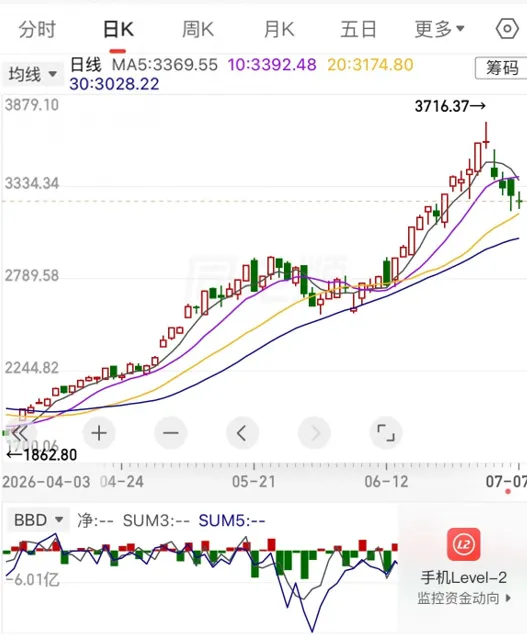
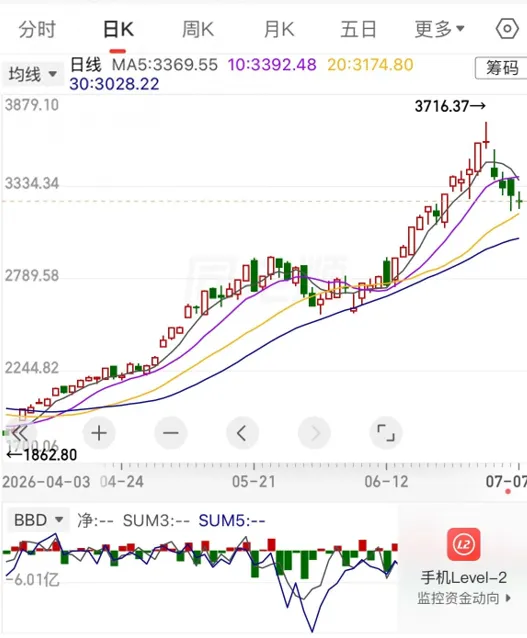
費城半導體指數一度暴跌超7%。Micron Technology跌近9%,Sandisk盤中跌幅超13%。Intel滑近10%,Western Digital跌超8%。這些正是A股投資者每日盯梢的晶片與儲存龍頭。過去一周板塊已顯疲態,Sandisk短短幾天從高點跌超30%。Intel從峰值回撤超20%。摩根士丹利首席策略師公開喊話,建議投資者減持半導體,轉向其他板塊。年初啟動的AI驅動漲勢,靠的是高預期與寬鬆流動性。價格早已脫離實際獲利。市場開始質疑AI基礎設施長期投資的可持續性。情緒一轉向,獲利盤便蜂擁而出。A股同樣承受壓力,周二上海指數跌破4000點支撐。最低觸及3971點,多數賬戶一日蒸發3%至5%。原本寄望美股穩定帶動周三反彈,卻迎來科技股崩盤。周三低開幾成定局。周二電子指數僅跌0.4%,看似強韌。實則是權重大盤股撐盤,中小科技股紛紛創下新低。機構藉指數穩定誘散戶抄底,悄悄出貨。
這輪科技漲勢的商業邏輯已動搖。年初AI熱潮帶動的漲幅,未對應獲利增長。而是靠市場預期與流動性堆砌。當機構質疑AI基礎設施投資的可持續性,獲利盤出逃便成為必然。市場資金內卷,新進場資金稀缺。個股分化加劇,只有具備實際獲利能力的核心企業,才能在估值重置後存活。A股科技鏈與美股深度綁定,後續將跟隨經歷估值擠泡沫過程。短期反彈僅是出逃窗口,而非抄底時機。投資者需調整策略,遠離純概念標的。聚焦有業績支撐的龍頭,等待估值回歸合理區間。

GoWish 的美國豪賭:在虧損泥淖中構建社交電商的「防禦性護城河」
歐洲科技公司進軍美國市場,往往是一場關於「燒錢」與「生存」的殘酷博弈。GoWish 也不例外,這家丹麥平台正處於擴張的陣痛期,試圖在競爭激烈的美國零售環境中撕開一道口子。儘管 2025 年的財報顯示公司陷入了虧損,但其核心用戶數據卻展現出驚人的韌性。目前,GoWish 擁有的 1800 萬註冊用戶中,有一半來自美國市場。對於一家歐洲背景的消費級應用而言,這種滲透率極為罕見,也直接反映了其在獲取用戶方面的激進策略。根據 2026 年 7 月 7 日發布的 2025 年度報告,GoWish 的財務表現呈現出明顯的戰略轉向。公司在 2025 年投入了 2920 萬丹麥克朗用於平台開發,這直接導致年度淨利潤從 2024 年的 1100 萬丹麥克朗轉為 620 萬丹麥克朗的虧損。與此同時,毛利潤從 7010 萬微增至 7250 萬丹麥克朗,顯示出營收增長速度尚未能覆蓋其龐大的研發與市場擴張成本。此外,公司員工規模已突破 100 人,這標誌著其正從初創階段向規模化運營轉型。GoWish 的商業邏輯核心在於將「願望清單」轉化為精準的購買信號。透過全新的視覺識別系統與深度個性化 UX 設計,平台試圖提升用戶黏性,進而挖掘數據價值。新設立的「全球商務媒體」部門與「Wish Signals」工具,正是為了將這些用戶的夢想清單轉化為品牌可用的購買意圖數據。在董事長 Rich Waterworth(前 TikTok EMEA 總經理)的背書下,GoWish 選擇了犧牲短期利潤,換取在美國市場的長期防禦地位。這場豪賭的終局在於構建一個封閉的商業循環。當用戶習慣在平台上管理願望,品牌方便不得不依賴這些數據來獲取精準的消費洞察。如果 GoWish 能在美國市場維持這種增長勢頭,它將成為極少數能在美國站穩腳跟的歐洲平台。然而,面對大型科技公司在購物工具領域的持續擠壓,GoWish 的未來取決於其能否將這些「願望信號」真正轉化為不可替代的商業網絡,而非僅僅是另一個被巨頭吞噬的流量入口。

The Strike That Changes Nothing: Why US Action Against Iran Feels Like a Dangerous Loop
SeaPRwire – Escalation in the Strait of Hormuz now carries immediate costs for everyone involved. Merchant ships face direct threats. Energy routes hang in the balance. Retaliation cycles accelerate without clear off-ramps. The latest US strikes on Iran highlight exactly this tension. They deliver tactical hits yet risk locking both sides into prolonged confrontation.
US Central Command announced the operation on social media on July 7 local time. They stated the strikes hit more than 80 targets. These included Iranian air defense systems, command and control networks, coastal radar sites, and anti-ship missile capabilities. Forces also targeted over 60 small fast boats belonging to the Iranian Islamic Revolutionary Guard Corps. The action came as retaliation for Iran’s earlier attacks on merchant ships near the Strait of Hormuz. Iranian media reported explosions heard on July 8 in the port city of Bandar Abbas, Siri, and Qeshm Island. The US move aimed to degrade specific capabilities. Air defenses and coastal radars limit freedom of movement in key waters. Command networks coordinate responses. Anti-ship missiles and fast boats threaten commercial traffic. The announcement framed the strikes as complete. No further details on damage assessment appeared in the public statement.
Any serious player in the region now weighs the price of continued exchanges. Each round of strikes raises the stakes for shipping insurance, oil flow stability, and military readiness. Short-term disruption to Iranian assets may buy time for safer passages. Yet it also invites further responses that could close the strait or expand targets. The pattern shows no easy exit. Decision makers on all sides should review current exposure in supply chains that rely on Hormuz passage. Map alternative routes early. Strengthen coordination with naval escorts where possible. These steps reduce immediate vulnerability while larger talks remain stalled. Focus there delivers more durable protection than waiting for the next announcement.

Why Correctional Business Owners Keep Getting Trapped by Their Own Success
SeaPRwire – Business owners in the correctional construction and detention space pour decades into building solid companies. They handle tough projects, manage complex risks, and create real enterprise value. Yet many reach a point where that success starts to feel like a cage. Personal guarantees pile up. Family plans stay vague. And when a liquidity event finally appears, the options have already narrowed. Darrick Hutchens and Monon Wealth Management just put a name to this problem with The Optionality Framework. It targets exactly where traditional advice falls short.
The framework draws from more than twenty years of direct work with owners in this industry. Hutchens, a CFP and managing partner at Monon Wealth Management, saw the pattern repeat. Advisors usually show up after a deal closes or a crisis hits. By then the big decisions sit behind the owners. The Optionality Framework pushes those choices forward. It treats enterprise value, succession planning, personal guarantees, tax strategy, estate planning, and personal wealth as one connected system. Owners learn to coordinate them early instead of letting events dictate the terms. Monon introduced it through a five-part series in Correctional News. The pieces started in late 2025 and run through 2026. Titles include The Detention Owner’s Fork in the Road, The Corporate Shield, Bringing the Team With You, After the Liquidity Event, and Beyond the Transaction. Each stage maps a practical path. Direction helps owners pick the right exit path based on personal goals and timing. Protection focuses on building a corporate shield to reduce concentrated risk and safeguard personal balance sheets long before any sale. Execution aligns attorneys, CPAs, surety professionals, insurance advisors, and wealth managers around the same blueprint. Capital prepares owners for the discipline test that follows a big liquidity event. Continuity guides stewardship and family legacy after ownership changes. Hutchens put it plainly. Many owners build valuable companies but lack a coordinated way to turn that success into lasting personal wealth and freedom. The framework expands choices at every step.
This approach arrives at a busy time. Valuations sit higher. Tax rules keep shifting. Succession feels harder. Labor shortages and supply chain issues add pressure. Capital markets move unpredictably. Owners who succeeded in the correctional sector now face a new layer of complexity. The Virtual Family Office model at Monon Wealth Management ties investment strategy together with the other advisors. It keeps enterprise decisions and personal plans aligned. The principles started inside the correctional construction and detention world but reach any entrepreneur dealing with intertwined business and personal finances. Instead of reacting to narrowed options, owners can act from strength. They protect resilience. They keep more doors open for whatever comes next. Owners who want to test this thinking should map their current risks against the five stages. Start with protection and execution. Those two steps deliver quick clarity on where personal exposure sits and whether the advisor team actually shares one plan. Small moves there create breathing room before the next big decision arrives.

GoWish’s US Gambit: Heavy Losses Today for Dominance Tomorrow in Social Shopping
SeaPRwire – GoWish faces the classic European tech trap. Breaking into America sounds exciting on paper. Reality delivers brutal competition, high user acquisition costs, and skeptical consumers. The Danish platform just doubled down anyway. Half its 18 million registered users now come from the United States. That number exceeds 9 million. Few European consumer apps achieve anything close. The company accepts short-term pain for long-term positioning. Its 2025 results show red ink. Growth investments keep flowing.
The numbers tell a clear story. GoWish published its 2025 Annual Report on July 7, 2026. It rolled out a refreshed logo, new typography, and customizable color themes. Users can now personalize their wishlists more deeply. The updated UX spans the app, website, and full platform. Mads Dahlerup, CEO and Co-Founder, explained the thinking. Wishlists reveal personal dreams. The new design makes the experience feel owned by each user. It also simplifies navigation and adds inspiration. This represents one of the largest investments since the international push began in 2023. The company spent DKK 29.2 million on platform development in 2025 alone. Gross profit rose to DKK 72.5 million from DKK 70.1 million the year before. Yet the bottom line flipped to a DKK 6.2 million loss compared with a DKK 11.0 million profit in 2024. Staff now exceeds 100 people. These choices prioritize product over immediate returns. A new Global Commerce Media division and “Wish Signals” tool aim to connect brands with real purchase intent from wishlists. Partnerships grow as brands seek better consumer data.
The moves create a tighter business loop. Stronger UX and visual identity improve retention across devices. That foundation supports faster feature releases. Personalization draws users deeper. More engaged users generate richer signals for partners. International brands gain clearer views of what people actually want. The US market drives most of this momentum. GoWish ranked among top downloaded apps on the US App Store at times during 2025. Rich Waterworth, Chairman of the Board and former TikTok EMEA General Manager, backs the strategy. He joined in 2025. The board favors long-term bets over quick profits. GoWish started as Ønskeskyen under Denmark’s PostNord. It became independent and now serves over 18 million users globally. The platform removes gifting friction. No more duplicate gifts or unwanted returns. Smart, social discovery replaces random scrolling. Every wishlist interaction builds toward stronger consumer-brand connections. The investments in AI and UX should accelerate this cycle. US users already form the core base. Sustained execution could turn those signals into a defensible commerce network. European platforms rarely sustain US traction. GoWish shows product discipline and market fit matter more than origin.
The endgame looks like deeper platform lock-in. Brands pay for premium insights. Users stay because the experience feels personal. Data flows improve recommendations and partnerships. If the US growth holds, GoWish carves out rare territory for a European player. Execution risks remain. Competition from big tech shopping tools never sleeps. Yet the current trajectory suggests calculated ambition over blind expansion. Focus on what users save and share will decide the winners.
The Tech Rally’s Breaking Point: Why This US Sell-Off Feels Different This Time
SeaPRwire – Holders of tech stocks woke up to real pain. US markets dropped hard overnight. The Philadelphia Semiconductor Index plunged more than 7 percent at one point. Major names got hammered. Micron Technology fell close to 9 percent. Sandisk dropped over 13 percent intraday. Intel slid nearly 10 percent. Western Digital gave up more than 8 percent. These are the exact companies that A-share investors watch daily for cues in chips and storage. The entire sector looked like a crash scene. Green everywhere on the screen. No single stock issue caused it. The whole group sold off together. Many investors who checked before bed probably lost sleep.
This drop did not come out of nowhere. The sector had already weakened over the past week. Sandisk fell more than 30 percent from its recent high in just a few days. Intel pulled back over 20 percent from its peak. Morgan Stanley’s chief strategist publicly noted that the time for sector rotation had arrived. Investors should reduce semiconductor exposure and move elsewhere. The AI-driven rally that ran for much of the year relied on high expectations and loose liquidity. Prices ran far ahead of actual earnings delivery. Concerns grew about the sustainability of long-term AI infrastructure spending. Money started taking profits fast once sentiment shifted. Those who claimed tech enjoyed a permanent bull market now face the harsh reversal. Drops hit harder when consensus changes.
A-shares felt the pressure too. Tuesday already looked rough. The Shanghai Index broke below the widely watched 4000-point support level. It touched a low of 3971 points and never recovered the line. Many accounts lost three to five percent in one day. Hopes rested on stable US markets overnight to allow some recovery on Wednesday. Instead the tech rout arrived. A low open on Wednesday seemed almost certain. On Tuesday itself the electronic index fell only 0.4 percent. Some called it resilient. In reality large-cap weights propped up the index. Smaller tech names suffered badly. Many hit new lows during the session. This created an illusion of stability. It looked like a bottom might form soon. Institutions appeared to use the steady index to lure in dip buyers. Retail investors chasing bargains or averaging down often stepped into the trap. They provided liquidity while bigger players distributed shares quietly. Once selling resumed the decline could accelerate.
The broader picture points to a stage top. The tech rally that began earlier this year produced gains of 100 percent, 200 percent, or even more for many names. Profit-taking pressure built up heavily. Markets now operate on existing capital with little fresh money entering. Any external shock prompts quick exits. Recent internal differentiation grew clear. Institutions focused on a few core names with actual results. Most small and mid-cap concept stocks saw steady outflows. Their price centers moved lower. Former leaders broke key levels. Follow-on names declined without limit. Hot spots rotated daily without staying power. These patterns mark the late phase of a move. Global conditions also shifted. The US tech advance rested on AI hype plus easy money. After nearly a year of rising expectations markets began questioning valuations. Leading companies sold off with heavy volume. Wall Street firms started advising reduced exposure. This signals the start of a valuation reset. A-shares cannot stay immune.
Short-term reactions matter. A sharp low open and probe lower on Wednesday may occur. It could test or break the 3950-point area that many view as critical support. Panic selling at the open is not the answer. Conditions instead suggest a potential intraday bottoming and recovery bounce. Such a move would count as technical repair inside an ongoing downtrend. It would not mark a full reversal. Strength should stay limited. High-level pure concept stocks that multiplied several times earlier now face resistance. Any bounce offers a chance to reduce positions. Avoid turning sales into fresh buys. Those already heavy should trim rather than add on weakness. Averaging down in a clear downtrend increases risk. Investors with genuine long-term conviction in AI, semiconductors, storage, or computing power need patience. Wait for the adjustment to run its course. Look for stabilization after profit-taking clears and valuations reset. Core names with real earnings support will offer better entry points later.
Market cycles repeat these phases. Rapid rises create thick layers of gains that must unwind. Sentiment swings from euphoria to doubt. The current environment shows more doubt. External weakness from US markets adds pressure. Domestic liquidity remains contained. The combination favors caution over aggression. Experienced traders recall similar moments when rallies paused. Those who locked in profits early kept gains. Those who chased highs or ignored warnings faced larger drawdowns. The difference often comes down to timing and discipline. No one needs to predict the exact bottom. Recognizing the shift in character already helps. Focus on position sizing. Protect capital first. Opportunities return when conditions improve. For now the priority stays on managing the exposed side of the portfolio.
Decisions this week will matter. A measured approach during the expected low and bounce can preserve flexibility. Overreaction either way creates mistakes. Stick to the evidence in price action and volume. The recent session patterns and overnight moves align with distribution. That does not mean the end of innovation themes. It does mean the easy money phase has likely passed. Adjust tactics accordingly.